Late Night Live - Separate stories podcast
Late Night Live is an Australian radio program hosted by David Marr, featuring incisive analysis, fearless debates and nightly surprises. It explores serious, strange and profound topics. This feed presents the stories as separate episodes. The full program is also available as a complete podcast.
Episodes
David Kilcullen on when to go in and when to pull out of war
Since federation Australia has fought alongside Britain and the United States in almost every major war of the twentieth and twenty-first centuries. But earlier this year Australia, following Britain’s lead, declined to join the US in its war on Iran. Military strategist David Kilcullen argues we should be doing more thinking for ourselves in terms of our own national interests,
Scanlon survey finds Australians are more anxious, disillusioned
Australians are 'more divided' and 'more pessimistic', according to the latest annual survey by the Scanlon Foundation. The latest report (Mapping Social Cohesion 2026), with data from 10,000 participants, found that one in three respondents expressed anxiety about their future — triple the number of respondents who expressed the same pessimism in Scanlon's first 2006 survey. On
What did gun control look like in Renaissance Italy?
The fifteenth and sixteenth centuries were the age when developments in technology and design meant guns rapidly became small enough and affordable enough to be held and used by ordinary men. Italy led the way, helped along by Leonardo da Vinci. They caused havoc, and changed both the art of war between states, and arguments between gentlemen, forever. The posed a difficult quest
Bruce Shapiro's USA: a blue tsunami sweeps the US
US correspondent Bruce Shapiro brings his analysis of the 'blue wave' that saw the Democrats take both the House and the Senate in resounding repudiation of Trumpian politics in the US mid-term elections. There were surprise Senate wins in North and South Carolina, Texas, Ohio, Kansas, Iowa and Maine as well as the victory for Democrat Abdul El-Sayed in Michigan who campaigned on
Does the Sally Rooney affair amount to censorship?
The bestselling Irish author Sally Rooney and her publisher Faber have removed her books from UK shelves, due to current legislation which designates the group 'Palestine Action' as a terrorist organisation. Rooney has previously expressed support for the group and donated earnings. She explained in a statement that 'the fulfilment of contracts to publish my work in the UK could
Why were Uyghurs fighting in Syria's civil war?
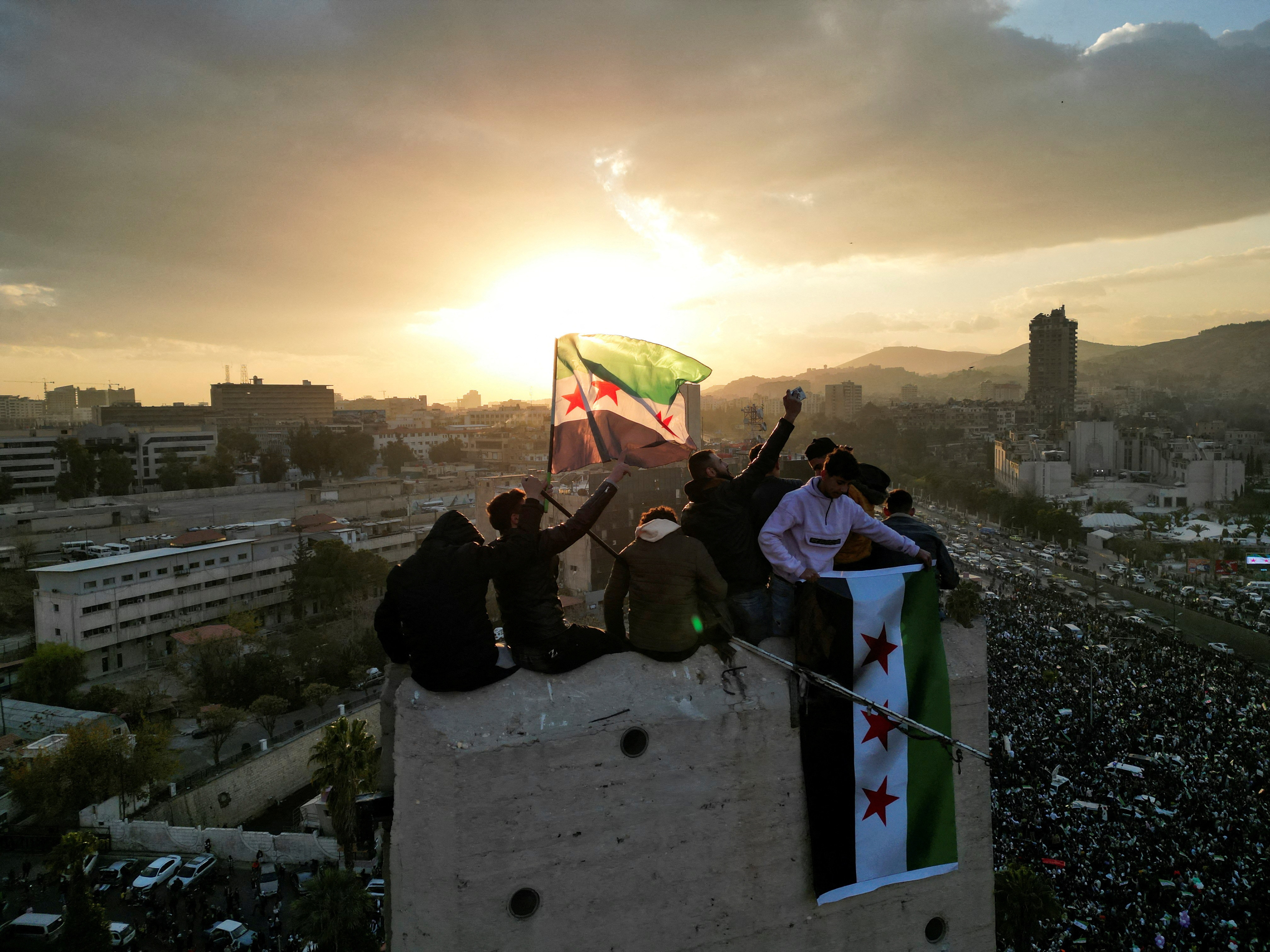
When NPR correspondent Emily Feng found herself in Syria after the fall of Bashar Al Assad, the last people she expected to see were Uyghurs from Xinjiang. But there they were, walking arm in arm with Syrian Arab fighters. Thousands of Uyghurs were living in Syria – and they’d become a vital part of the rebel forces that toppled the Assad regime at the end of 2024. But what motiv
Dinosaurs under the hammer: the billionaire buyers
A dinosaur skeleton called Jodie has sold for $66 million Australian dollars, but instead of going on public display, she could soon be adorning a billionaire’s living room. Science communicator Conor O’Keeffe explores the growing market for dinosaur fossils and what it means for science.Guest: Conor O'Keeffe, ABC journalism fellow, and host of the forthcoming podcast, Science Fr
Singapore's legal battle with Indonesia over smoke haze
Singapore is threatening to prosecute companies responsible for some of the worst fires in years in neighbouring Indonesia, as the region grows increasingly frustrated with a persistent, toxic smoke haze that is causing thousands of respiratory illnesses and could cost the Singapore economy billions. While the two governments have set up a joint taskforce to address the issue, di
Anna Henderson's Canberra: ISIS death penalty, progressive antisemitism and Matt Canavan's lower house run
An Australian doctor from Perth who worked in ISIS medical centres could face the death penalty in Iraq. Antisemitism envoy Jillian Segal's report has called out what she has described as "progressive antisemitism", but the government is waiting for recommendations from the Royal Commission before taking action. And Nationals leader Matt Canavan has announced he will nominate for
Flavio Bolsanaro flees Brazil after losing election
One day after vowing to remain in Brazil after losing the election to Lula da Silva, Brazil's opposition leader, Flavio Bolsonaro, has sought asylum in the United States, fleeing an investigation into money-laundering. Brazil has form when it comes to locking up past leaders – Jair Bolsanaro remains under house arrest, serving a 27 year sentence for leading a coup against Lula. L
Geoffrey Bardon and Papunya art
The prevailing view of the origins of the Aboriginal art movement, as we know it today, is that it was started by Geoffrey Bardon, a white school teacher from Sydney who went to Papunya in Central Australia in the early 1970s. A new biography paints a complex picture of a man whose mental ill-health both hampered and helped his passion for this art.Guest: Kitty Hauser, Sydney-bas
The lawyers who fled fascism, and started again in Australia
Around 300 European lawyers fled totalitarian regimes and arrived in Australia between the 1920s and 1950s, only to find their qualifications and experience counted for little. Some were interned as 'enemy aliens', others were sent to work in the fields and factories. A new podcast, Emergency Exit, explores their stories and the intellectual legacy they left behind.Guest: Katheri
Israel's deadlocked election
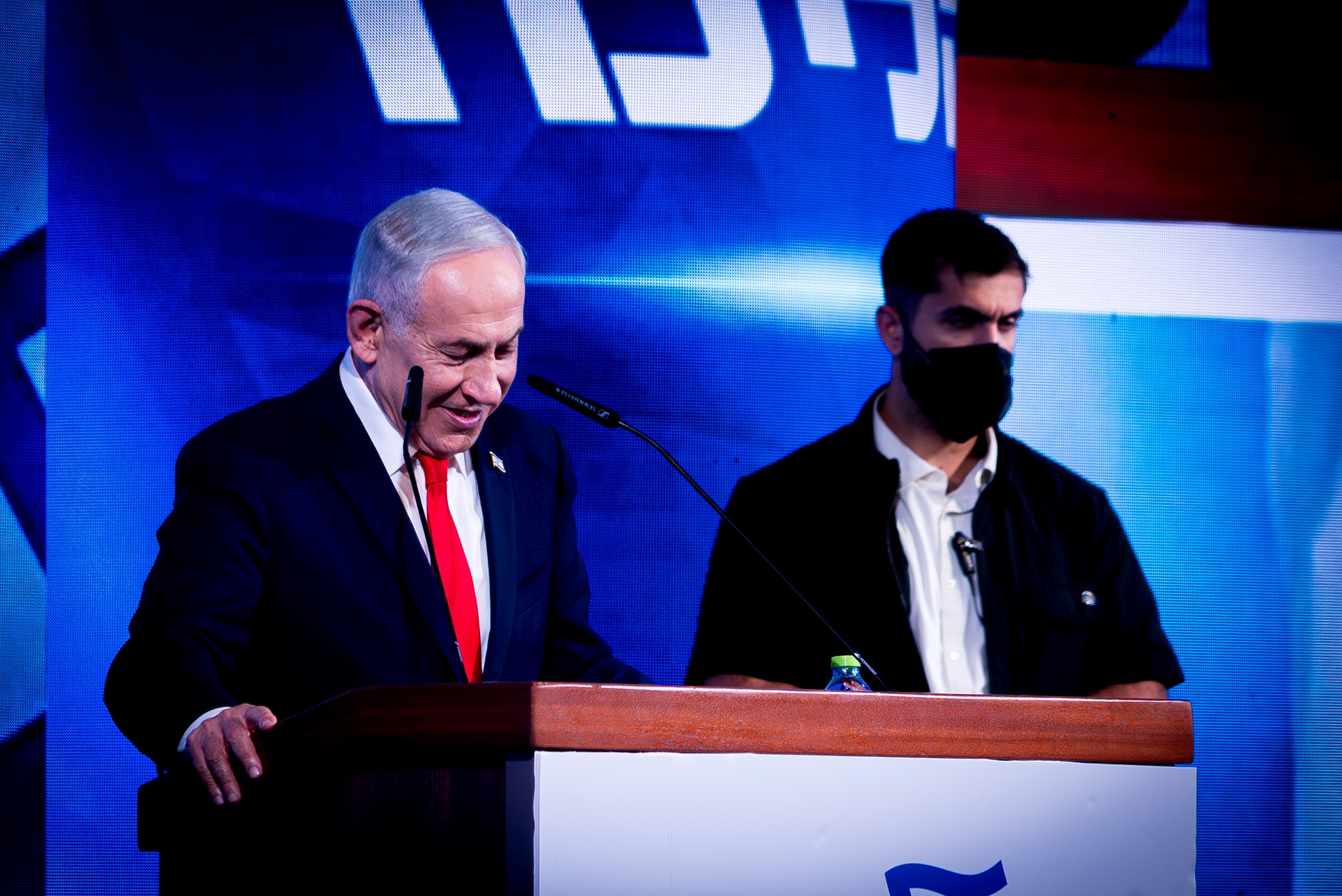
Correspondent Irris Makler joins Late Night Live from Israel, as the votes continue to be tallied. Neither PM Benjamin Netanyahu nor his main opponent Gadi Eisenkot look to have a clear pathway to forming a coalition majority of 61 seats, while the so-called Arab parties look to have made gains. So, what happens next? Guest:Irris Makler, veteran Middle East correspondent, SBS, AB
Was the Voice referendum doomed from the start?
Three years ago, 60 per cent of Australians voted to reject the Voice to Parliament proposal in a referendum. A new book seeks to understand why, through analyses of extensive polling and survey data.Guests:Professor Murray Goot, Macquarie University and Professor Emeritus Tim Rowse, Western Sydney University, co-authors 'The Year Our Voice Broke' (2026)
Ian Dunt's UK: Britain’s budget, Brexit, and the battle over Reform
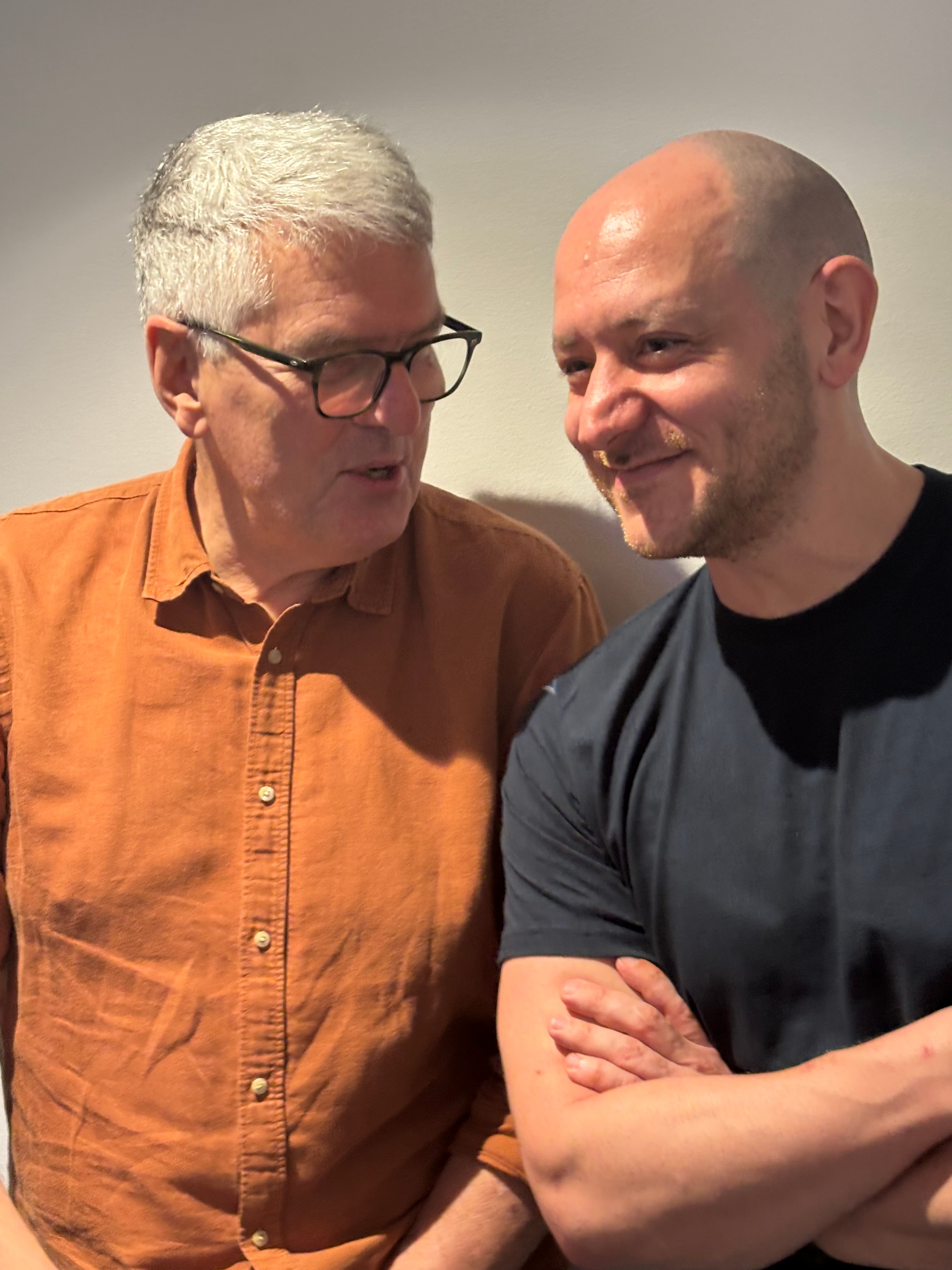
The UK prepares for its budget, with the cost of living, public services and a struggling economy high on the agenda. Meanwhile, Andy Burnham has reopened the debate over freedom of movement with Europe, and an undercover ITV investigation has raised fresh questions about racism and sexism in Nigel Farage’s Reform UK.Guest: Ian Dunt, I-Paper columnist and regular LNL corresponden
Decoding the language of bones
Bones are an archive of human experience, preserving traces of disease, violence, labour and time. In The Language of Bones, forensic anthropology reveals what human remains can tell us about lives long since ended. From ancient ossuaries and catacombs to modern forensic investigations, skeletons offer clues to the past that written history often overlooks.Guest: Carla Valentine,
France on the brink: debt, revolt and Marine Le Pen’s moment
France’s political crisis is deepening, with a mounting debt burden, a paralysed parliament and growing public anger over the future of the country’s social model. As governments struggle to agree on a budget, Marine Le Pen’s far right is waiting in the wings.Guest: James Waterhouse, BBC Paris CorrespondentProducer: Ali Benton
Anna Henderson's Canberra: the debate over political violence
Anna Henderson discusses the ongoing debate over the connection between the tone of political rhetoric and real world acts of violence, since the attack on Independent MP Helen Haines, the motive for which is still under investigation. Federal parliament spent the day allowing time for reflections on the attack, and sending messages of support for Dr Haines. Meanwhile the Ombuds
From Truman to Trump: how Queen Elizabeth II handled 13 US presidents
Over her 70 year reign, Queen Elizabeth II encountered 13 US presidents - from Harry S Truman to Donald J Trump. The journalist Susan Page details how the Queen wielded her subtle influence over the world's most powerful men. Guest: Susan Page, Washington bureau chief for USA Today, author of 'The Queen and Her Presidents'Producer: Ali Benton
The countdown to Israel's monumental election
Journalist and former correspondent Irris Makler joins Late Night Live from Israel, days away from the nation's elections. Polling suggests neither Netanyahu's Likud party, nor the challenging bloc lead by Gadi Eisenkot will win enough seats to form a majority. Guest: Irris Makler, journalist and former Jerusalem correspondent, France24
A teenager in the Indonesian coup
A rare bystander's view of the 1965 coup where neighbours, including soon to be President Suharto, were key players. Tari Lang's family were radical intellectuals, working for the Sukarno Government. Sukarno was ousted, and their lives would never be the same.Guest: Tari Lang, author of 'My neighbour, the dictator' (Published by Monsoon, distributed by Simon & Schuster)Produc
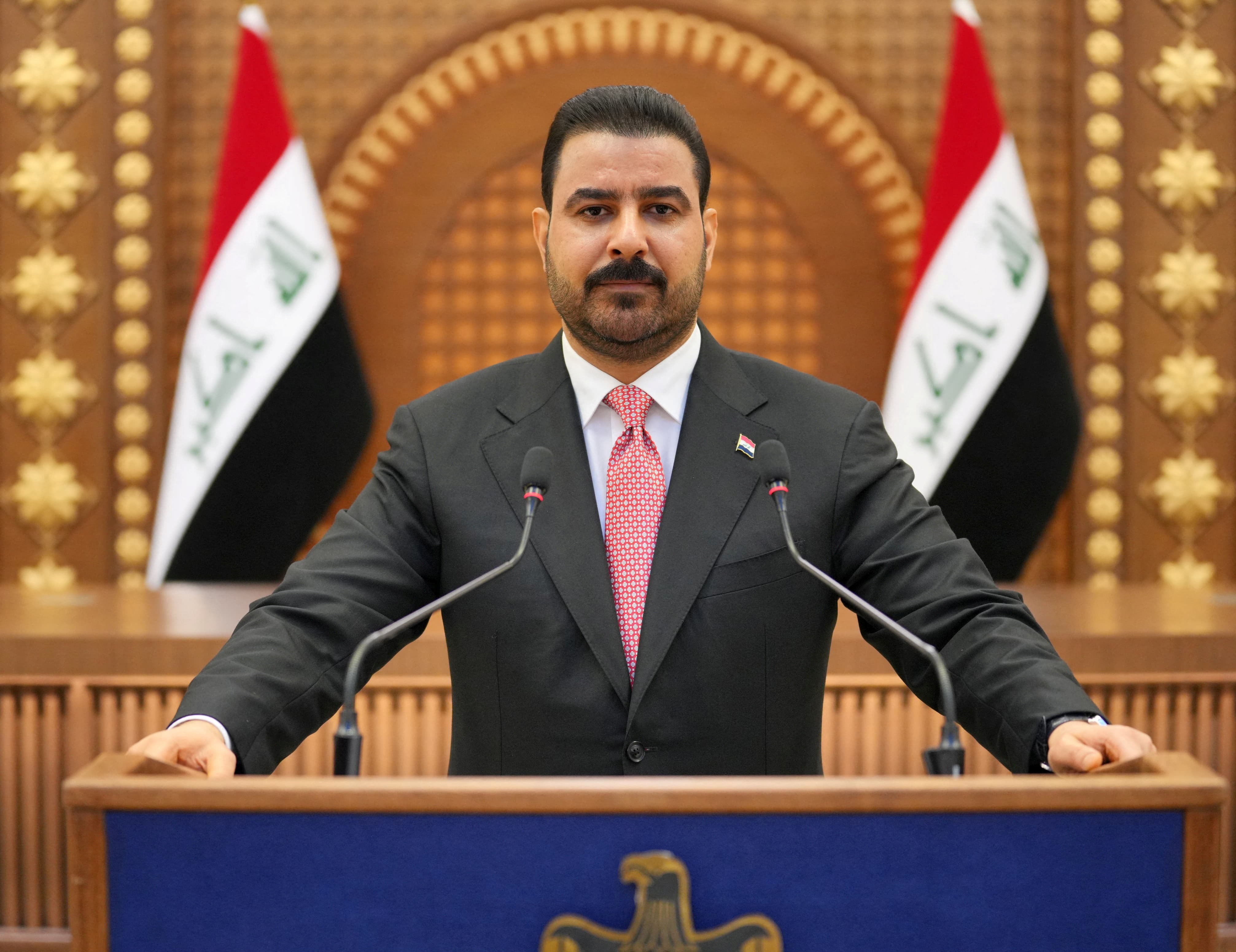
What's next for Iraq, after final US withdrawal?
Veteran Iraqi journalist Ghaith Abdul-Ahad surveys Iraq's uncertain future, as the US makes its final withdrawal of personnel, and the Iraqi government unleashes a familiar 'crackdown' on corruption. Guest: Ghaith Abdul-Ahad, journalist for the GuardianProducer: Ali Benton
The mysterious Inca code of knotted strings
500 years ago, the Incas ruled the western half of South America with the help of a unique form of writing based on coloured and knotted strings. Researchers think they're getting closer to deciphering these strings, known as khipus. Guest: Professor Sabine Hyland, anthropologist from the University of St AndrewsProducer: Sarah AllelyOriginally broadcast in June 2025.
Children left behind in the Ebola response
The current Ebola epidemic in the Democratic Republic of Congo is the largest and most lethal in that country’s history, with 4536 deaths so far from 9415 cases, and it continues to spread at an alarming rate in communities already facing violent conflict, food insecurity, and other health emergencies. The latest outbreak is caused by the Bundibugyo virus, a different strain from
Bruce Shapiro's USA: seats to watch in the midterms plus Trump's strange Russia ploy
With two weeks to go before the midterms, Bruce Shapiro runs through which states to watch for changing seats, and why many of them are former Republican strongholds. And he examines President Trump's strange diesel deal with Russia - will it win him any votes? Guest: Bruce Shapiro, contributing editor with The Nation magazine and Director of the Global Center for Journalism and
Australian yabbies are trashing rivers in Africa
Hordes of yabbies are trashing rivers in southern Africa - an Australian native crayfish that has rapidly become a devastating pest. Can the crustaceans be curtailed, or is this an unstoppable invasion?
Cockroaches: are they good for India's democratic health?
The youth movement known as the Cockroach Janta Party is testing Indian Prime Minister Narendra Modi's iron grip on power in India. Our guest, a global democracy expert, believes it's the most important challenge to Modi yet, and that the Cockroaches may represent a renewed prioritising of democratic ideals in that country.Guest: Maya Tudor, Professor of Politics and Public Polic
Independent MP Helen Haines critically injured in 'attack'
SBS Chief political correspondent Anna Henderson on the attack on Independent MP for Indi, Helen Haines. Plus tensions between the PM and Treasurer Jim Chalmers over credit card payments, and why the Nationals won't support the EU trade agreement. Guest: Anna Henderson, chief political correspondent, SBS
Sacred women’s business: the Hindmarsh Island bridge affair
In 1988 developers Tom and Wendy Chapman decided to expand their marina on Hindmarsh Island in the mouth of the Murray river which people usually accessed by ferry. But to get the development approved they needed to build a bridge from the mainland. Opposing them were the Ngarrindjeri women on the basis of what became known as ‘secret women’s business’. The island, which they ca
Amy Goodman on thirty years of Democracy Now!
For thirty years reporter Amy Goodman has been dogging presidents, politicians, oil companies, and tyrants of all kinds for her radio and television show Democracy Now ! that’s syndicated to over 1000 public television and radio stations around the world. “I deeply believe it’s our job to go to where the silence is,” she says. “ … and you know it’s not quiet there. It’s raucous,
Writer Susan Orlean on the power of the ordinary
Author of multiple books, and longstanding writer for The New Yorker magazine, Susan Orlean is passionate about telling the stories of ordinary people, and showing why they are interesting. She is in Australia this week on a speaking tour.Guest: Susan Orlean. Most recent book 'Joyride: a memoir' (Allen & Unwin) One of her better known books is The Orchid Thief, later made int
Snow gums: the treasure we are losing
A new book claims the snow gum, with its twisting form and multi-coloured bark, is the most exquisite tree in Australia. It plays many important roles – storing water, holding back snow to prevent drift and melt, food for birds, condensation which creates rain that ends up in rivers. But the trees are dying, killed by rogue beetles, fires, and climate change more broadly.Guests:
The story of zero
Zero is one of mathematics’ most profound inventions: a symbol for nothing that made new ways of thinking about numbers possible. Clemency Montelle traces its evolution across civilisations, from an empty placeholder to a number in its own right.Guest: Clemency Montelle, Professor in the School of Mathematics and Statistics at the University of Canterbury, New ZealandProducer: Al
Yanis Varoufakis on Greece's defence deals with the US and Israel
US Secretary of State Marco Rubio was on a mission when he visited Greece last week: to shore up defence ties between the two countries, to make new energy routes for US LNG exports and to use Greece as an example of a model NATO ally to the rest of Europe. Greece had its own agenda: deterrence against Turkiye who recently stepped up their global positioning with a defence pact w
Ian Dunt's UK: Will Burnham wind back Brexit?
UK Prime Minister Andy Burnham is pushing for a reset in Britain’s relationship with the EU, arguing Brexit has left the UK worse off and calling for closer economic ties. Guest: Ian Dunt, iNews columnist and regular LNL commentatorProducer: Ali Benton
The Vatican’s warning on AI
Artificial intelligence is raising big questions about power, profit and what it means to be human. Father Paolo Benanti, advisor to the Holy Sea on AI ethics, is in Australia to discuss how we should navigate the challenges posed by this rapidly developing technologyGuest: Father Paolo Benanti, Professor at the Pontifical Gregorian University, and advisor to the Holy Sea on AI E
Allegra Spender pushes to end gay discrimination in religious schools
Under federal law, faith schools in Australia have the right to expel pupils and sack teachers who are gay. The Law Reform Commission recommended abolishing the practice several times, but so far faith leaders have successfully argued such powers are essential to maintaining the ethos of their schools, whether Christian or Islamic. Prime Minister Anthony Albanese promised to addr
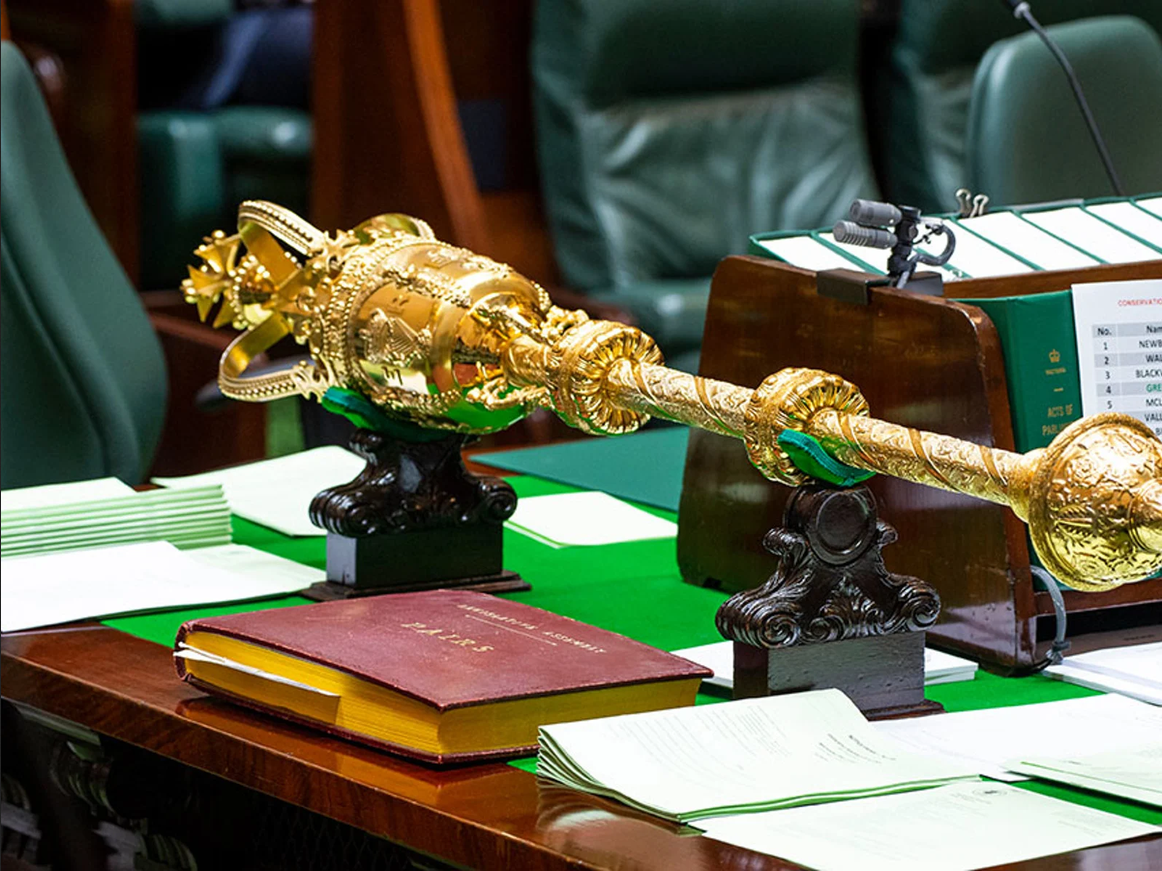
Who stole the mace from Victoria's parliament in 1891?
Writer and historian Sally Young solves the strangest crime in Australian political history: the theft of the ceremonial mace from Victoria's parliament in October 1891.Guest:Sally Young, author, 'The Curious Case of the Stolen Mace: Solving Australia's Strangest Political Crime,' New South
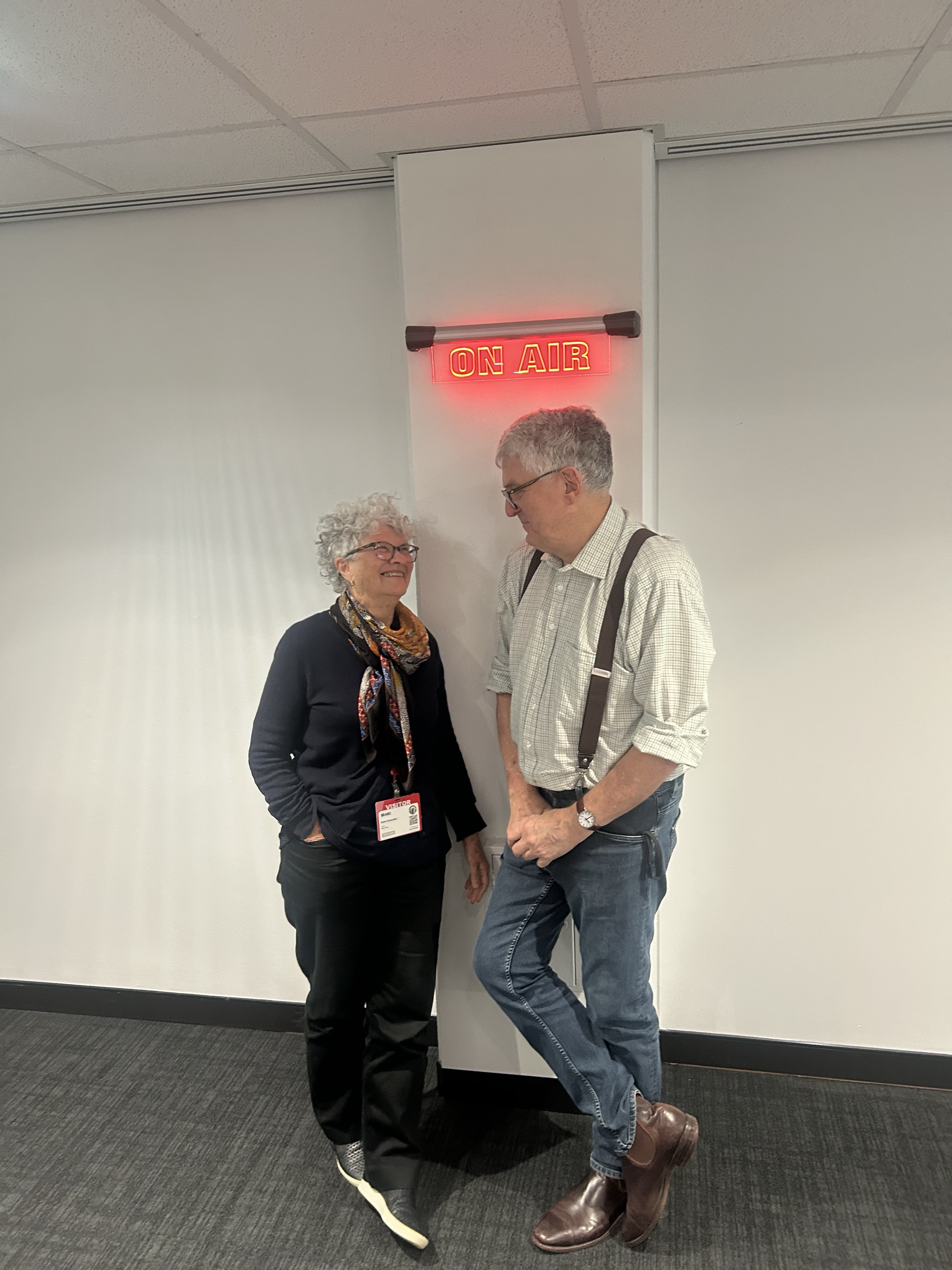
Villain or victim? Kate Grenville investigates a colonial cold case
Kate Grenville's new book, 'The Country Schoolmaster: A Mystery in 88 Letters' began with the discovery of an unassuming bundle of letters in state archives. On closer inspection, they revealed a curious tale of a rural teacher, Joseph Connor, accused of savagely beating his students. Was he a monster, or the victim of a small-town vendetta?
The piano teacher of Montparnasse
A chance encounter in 2003 led Heather Morris to meet 87 year-old Auschwitz survivor Lale Sokolov. For the next three years, Lale told her his story. Heather’s book, The Tattooist of Auschwitz, went on to be an international best-seller and television series, and led to two follow-up stories, Cilka’s Journey and Three Sisters. Now another chance encounter has led Heather to writ
The grumpy genius behind Lord of the Rings
J.R.R. Tolkien created one of the most intoxicating imaginative worlds of the 20th century, but the man behind Middle-earth remains surprisingly elusive. A deeply religious, conservative Oxford academic, Tolkien was also an obsessive inventor of languages, myths and imaginary histories.Guest: DJ Taylor, author of The King under the MountainProducer: Ali Benton
What can tree rings tell us about civilisation?
Tree rings are more than a record of a tree’s life. They’re an archive of climate, fire and environmental change. They can take us back thousands of years, revealing droughts, disasters and even clues to the rise and fall of societies. Valerie Trouet examines the science of reading these ancient records, from Europe’s oldest tree to Stradivarius violins.Guest: Valerie Trouet, Pro
Bruce Shapiro's USA: the Cornell case, a failed execution and Democrats could flip the House
Bruce Shapiro looks at the political fall-out from the Cornell University rape case, how the failed execution of Christa Pike in Tennessee has intensified national debate in the US over lethal-injection protocols, and, four weeks out from the mid-terms, all the polls are showing a Democrat win in both the House and the Senate... but how accurate are the polls? And could President

Pub bedrooms and Christian fanatics: Lech Blaine's extraordinary childhood
Australian writer Lech Blaine shares the stranger-than-fiction story of his childhood, growing up with a loving foster family in a rural Queensland pub, haunted by fanatical Christian kidnappers. Guest:Lech Blaine, author, 'Australian Gospel' Originally broadcast in November 2024
Simon Winchester on the wind: the invisble force we can't live without
It's invisible, it drives us crazy, and we can't live without it. The wind has been worshipped, feared and cursed across cultures, referenced in the earliest forms of writing. Simon Winchester tells the stories of how we've mastered the winds, and when we've been humbled by it's awesome force. Guest: Simon Winchester, journalist and author of The Breath of the Gods: The History a
Breakfast in India
This author ate multiple breakfasts in each of ten Indian cities, with the aim of looking at India's diversity and layered societies through its breakfast foods, makers and consumers.Guest: Priyadarshini Chatterjee, Kolkata-based travel, culture and food writer.Author of ‘First Bite: Breakfast stories from urban India’ (Speaking Tiger Books, 2026)Producer: Ann Arnold
Naomi Klein and Astra Taylor on why we need urgent controls on artificial intelligence
Confronted with a series of existential threats, like the climate crisis and the potential of AI to end life on earth, Naomi Klein and Astra Taylor argue in their new book that wealthy billionaires, including the so-called "tech bros", have become focused not on how we can deal with those threats, but who will best survive them. Leaders of tech companies are now warning they cou
How German history has been shaped by the peasant revolution of 1525
The German Peasants' War was the greatest popular uprising in Western Europe before the French Revolution. In 1524 and 1525, it swept across Germany with astonishing speed as thousands of people massed in armed bands to demand a new and more egalitarian order. The response from feudal overlords was brutal, but while the rebellion was suppressed, it would continue to influence sub
How trauma became a weapon in the culture wars
Trauma has become one of the defining languages of our age. Cultural theorist, Catherine Liu argues that our focus on individual suffering can obscure the deeper forces of class, inequality and power.So has trauma become a new form of political identity, and is it getting in the way of solidarity?Guest: Catherine Liu, Professor of Film & Media Studies at the University of Cal
Deep sea mining, Trump-style
Australian and Canadian-run companies, some with questionable credentials, are trying to cash in on Donald Trump's promotion of deep sea mining licences. The US licensing disregards the international regulator, the International Seabed Authority. Plus, the US Administration is moving to open up a big slab of the seabed off American Samoa and the Northern Mariana Islands, despite
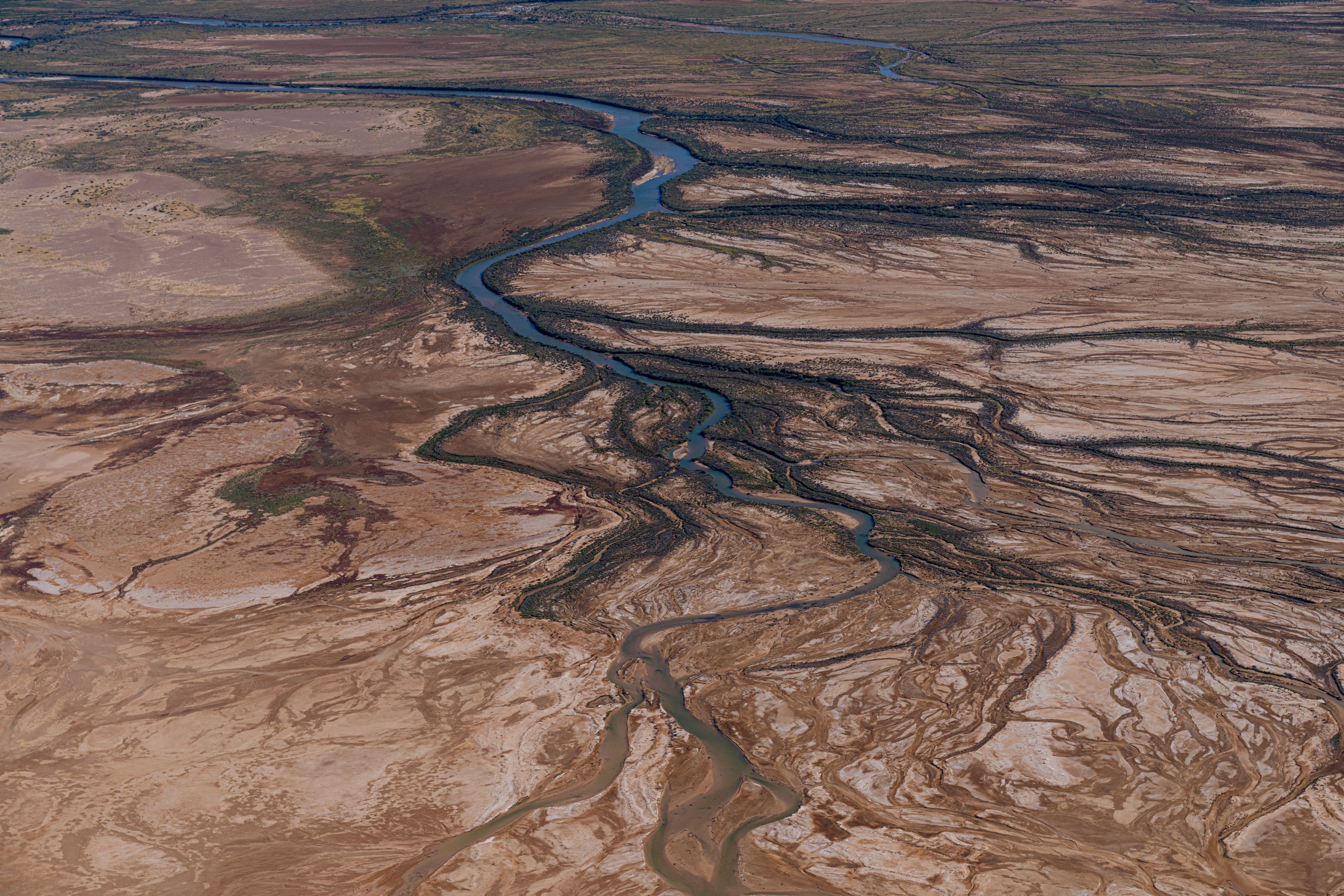
David Marr's view of Kati Thanda-Lake Eyre in flood
David Marr is on holiday in the outback, to see Kati Thanda-Lake Eyre in flood. He shares his birdseye view of the rare natural wonder.
Can Volkswagen return to its former glory?
Volkswagen was once the powerhouse of German industry. Now Chinese car makers are challenging its dominance, while Dieselgate still casts a shadow over the company. VW is cutting jobs, considering factory closures, and even turning one car plant towards defence production. Can the company reinvent itself before its glory days become history?Guest: Jack Ewing, New York Times repor
Mark Kenny's Canberra: Is Australia too timid with Trump?
Mark Kenny reviews PM Anthony Albanese's week at the United Nations in New York, and asks whether the Australian leader should be more assertive in rebuking the US President, on issues like the regulation of AI. Guest: Professor Mark Kenny, Director of the Australian Studies Institute ANU, columnist for Canberra Times, co-host of Democracy Sausage podcast
Australian doctors in Gaza
Dozens of Australian and New Zealand doctors and nurses have worked in Gaza over the past two years. They temporarily joined the local medical staff in working around the clock, sometimes on very little food, trying to help people despite limited resources, and with the constant threat of attack. Forty of those medics have contributed accounts of their experiences to a book calle
Vanilla, an extraordinary bean
A new book tracks this exotic 'spice' from the 16th century, and its origins in the world's only edible orchid, found in Central America, to the widespread use of vanilla flavouring today. And it explains how this very expensive resource came to be equated with bland. 'Vanilla' is now a synonym for ho-hum, whiter-than-white.Guest: Eric Jennings, Professor of History, University o
Can we repair an Earth scarred by extraction?
Humanity has extracted more from the Earth in the past 50 years than in all previous history combined. James Crawford explores the global scramble for dwindling resources, from lithium in Chile to the fossil-fuel landscapes of his childhood. What happens when the age of abundance comes to an end?Guest: James Crawford, historian and broadcaster. Author, The Vanishing Earth, A jou
The 'miracle' of Australia's migration story
Immigration built Australia. Since the 1830s, when free settlers began to outnumber convicts in the colonies, some 12 million migrants have come to Australia, shaping the country's economy, culture and identity. These days, Australia is seen as one of the world's great multicultural success stories yet our relationship with newcomers has often been uneasy.Guest: Mark Cully, the
Trump's relationship with Putin, the biggest mystery in world politics
It's been 54 months since Russia’s full-scale invasion of Ukraine. The Guardian’s senior international correspondent, Luke Harding, has witnessed the war firsthand. His latest book condemns the US 'betrayal' of Ukraine, and asks probing questions about Donald Trump’s often baffling relationship with Vladimir Putin. Guest: Luke Harding, senior international correspondent for The G
Bruce Shapiro's USA: is a 'blue wave' really coming?
As US President Donald Trump's approval ratings hit new lows, are the Republicans facing a Democratic 'blue wave' at the looming midterm elections? Guest: Bruce Shaprio, Contributing Editor for The Nation, Executive Director of the Global Center for Journalism and Trauma
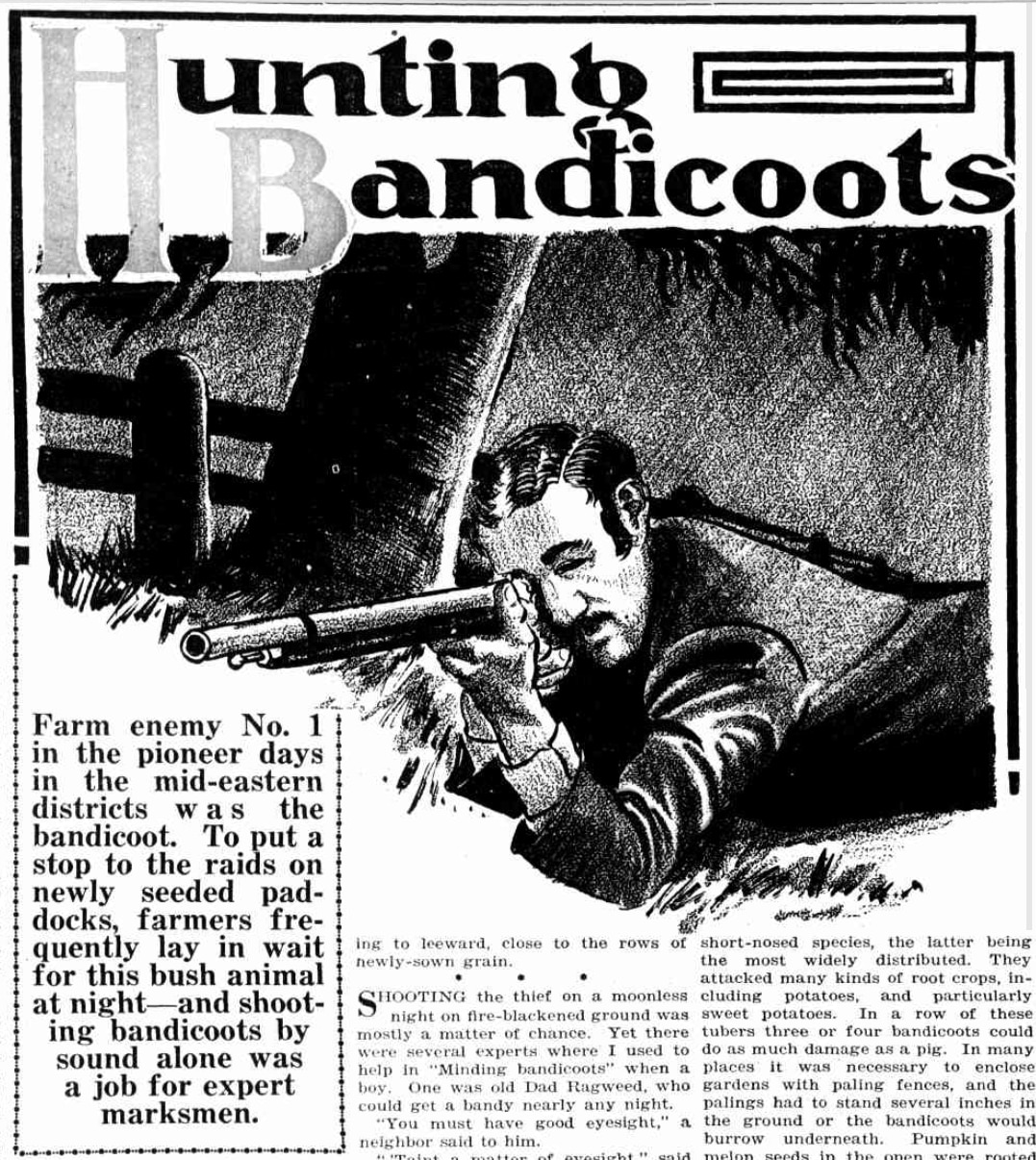
When Australians hunted bandicoots
Since the early pastoral expansions of colonial Australia, the native bandicoot has attracted the ire of farmers and gardeners, blamed for digging up crops, ruining lawns, and even spreading disease. A new research paper traces 150 years of animosity to the bandicoot via old newspaper clippings. It tells the story of a maligned and misunderstood creature, once abundant but now th
The race for the UN’s top job
António Guterres will step down as UN Secretary-General at the end of the year, after a decade in the job. He leaves a UN under pressure from wars, funding cuts and deepening rivalry between the major powers, with US President, Donald Trump openly challenging the organisation. Now the race is on to choose his successor, who will take over in January 2027.Guest: Richard Gowan, Dir
Albanese spruiks digital safety agenda in US
PM Anthony Albanese has visited Apple CEO Tim Cook in Silicon Valley to discuss Australia's digital safety laws, before travelling to New York for a meeting of the United Nations. Australia has formally launched a bid for a two year temporary seat on the UN Security Council, for 2029-2030. Guest: Anna Henderson, chief political correspondent, SBS
Istanbul in the age of Erdogan
For millenia, Turkiye’s former capital of Istanbul has been at the centre of world affairs thanks to its geography straddling the Bosphorus, the natural canal that forms the border between Europe and Asia. President Erdogan is keen to see the country reclaim some of its former power and importance, and get rich in the process, as his reign becomes more and more autocratic. Suzy H
Vale Mary Gaudron, Australia's first female High Court judge
Mary Gaudron has died at the age of 83, a giant of the Australian legal profession. She was a woman of many firsts: the first woman to sit on the Australian High Court, the first to hold the rank of a federal court judge, the first to be appointed Solicitor-General anywhere in the Commonwealth, the first woman admitted to the NSW Bar in 1972. Her colleague John Basten AO KC, form
The birth and death of USAID
On his first day in office in 2025 US President Donald Trump announced a freeze on foreign aid. Billions of dollars in humanitarian assistance stopped flowing to other countries and thousands of aid workers were laid off. The U.S.A.I.D program was established by President John F Kennedy in 1961, at the peak of cold war tensions, but researcher Luke Fletcher says its roots date ba
World globes, empire, and the making of the world
A world globe looks like a simple object, but look closely and you can see centuries of discovery, error, ambition and empire. The blank spaces, the imaginary islands, the borders and flags all tell us something about what people knew, and what they thought they knew.Guest: Nikolaus Schobesberger, Director at the Globe Museum of the Austrian National Library, Vienna Producer: Ali
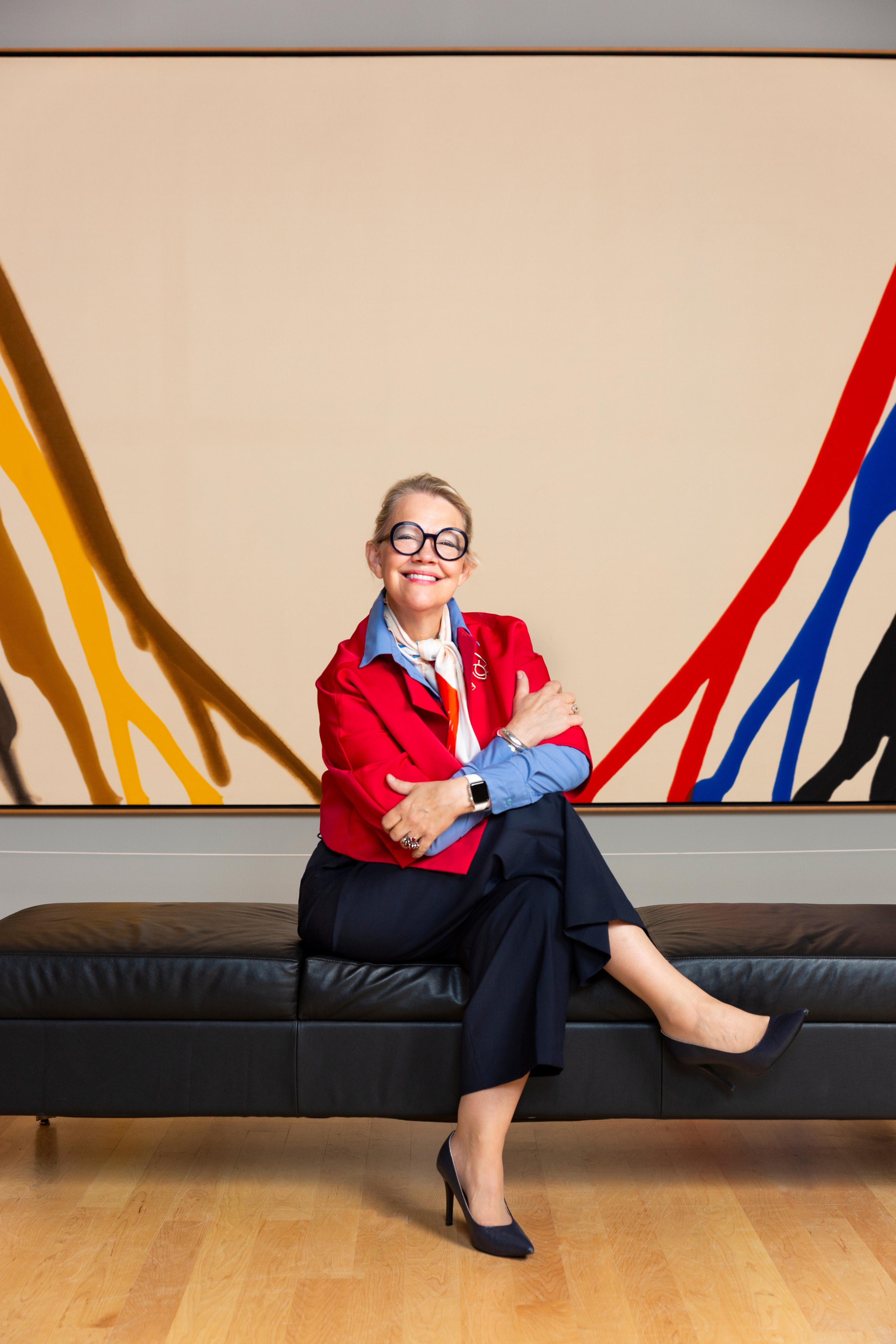
Kim Sajet, the Smithsonian director targeted by Trump
In May 2025, US President Donald Trump announced that he'd fired Kim Sajet, then Director of the Smithsonian's National Portrait Gallery, describing her as 'a highly partisan person, and a strong supporter of DEI'. Trump did not have the power to sack her, but Sajet decided to depart anyway. The White House continues to attack public museums and galleries deemed too 'woke' or unp
Ian Dunt's UK: Miliband's Israel sanctions, and Farage recieves record donations
The UK's new Foreign Secretary Ed Miliband has announced new sanctions on Israeli West Bank settlements, prompting a furious response from Israel. Plus, UK Reform leader Nigel Farage has received two record £36m donations from crypto-billionaires - but are those donations legal? Guest: Ian Dunt, columnist with i-news, co-host of the Origin Story podcast
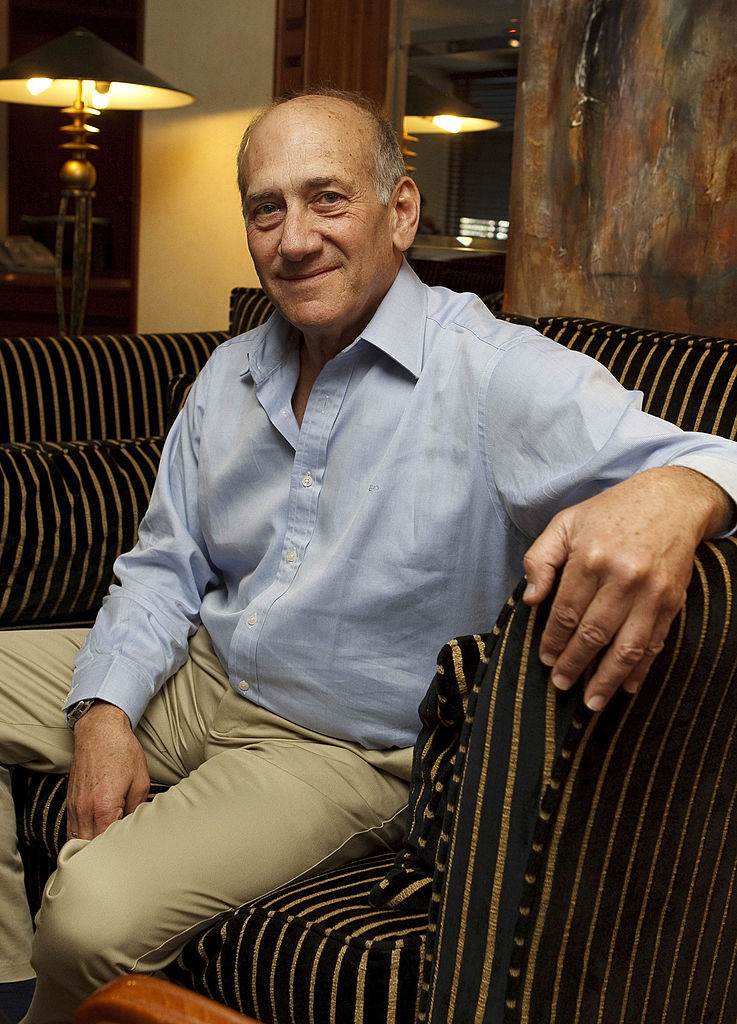
Former Israeli Prime Minister Ehud Olmert on what Netanyahu knew before October 7
What did Benjamin Netanyahu know about the threat from Hamas before October 7? A new Haaretz investigation looks at warnings that reached the prime minister before the attack.Former Israeli Prime Minister Ehud Olmert says Netanyahu was warned, and failed to act. Netanyahu rejects the claims and has threatened to sue Haaretz over the reportGuest: Former Israeli Prime Minister Ehud
The hidden meanings in wine labels
For a long time walking into a bottle shop to buy wine felt like walking into an exclusive club. Wine labels were printed on thick, expensive paper; their message was prestige. Nowadays, says wine writer Katie Spain, it feels more like walking into an art gallery, with an explosion of new brands featuring labels that are bold, colourful and quirky. And many of them contain hidden
Anna Henderson's Canberra: Hanson offends again, migration debate heats up
The fall out from One Nation's cartoon suggesting Liberal MP Andrew Hastie was a traitor continues, and David Marr asks Anna Henderson why the major parties are failing to take Pauline Hanson on over it. A podcast has emerged featuring Pauline Hanson making offensive remarks about Aboriginal people, but we are yet to see a response from the Prime Minister. The Prime Minister, how
The secret dinners behind Cold War journalism
Before 24-hour news, Washington’s most powerful journalists got their scoops over dinner — with generals, senators and senior officials. These invitation-only gatherings created a privileged pipeline between the press and the people running America’s Cold War.Guest: Kathryn McGarr, Associate Professor at the UW-Madison School of Journalism and Mass Communication, Madison, Wiscons
How Big Tobacco still wields influence in Australia
As Australia grapples with a surging illicit tobacco trade, the Coalition and One Nation have called for a substantial cut to Australia's tax on legal tobacco. Professor of Public Health Becky Freeman says the tobacco industry continues to wield significant political influence.Guest:Professor Becky Freeman, School of Public Health, University of Sydney
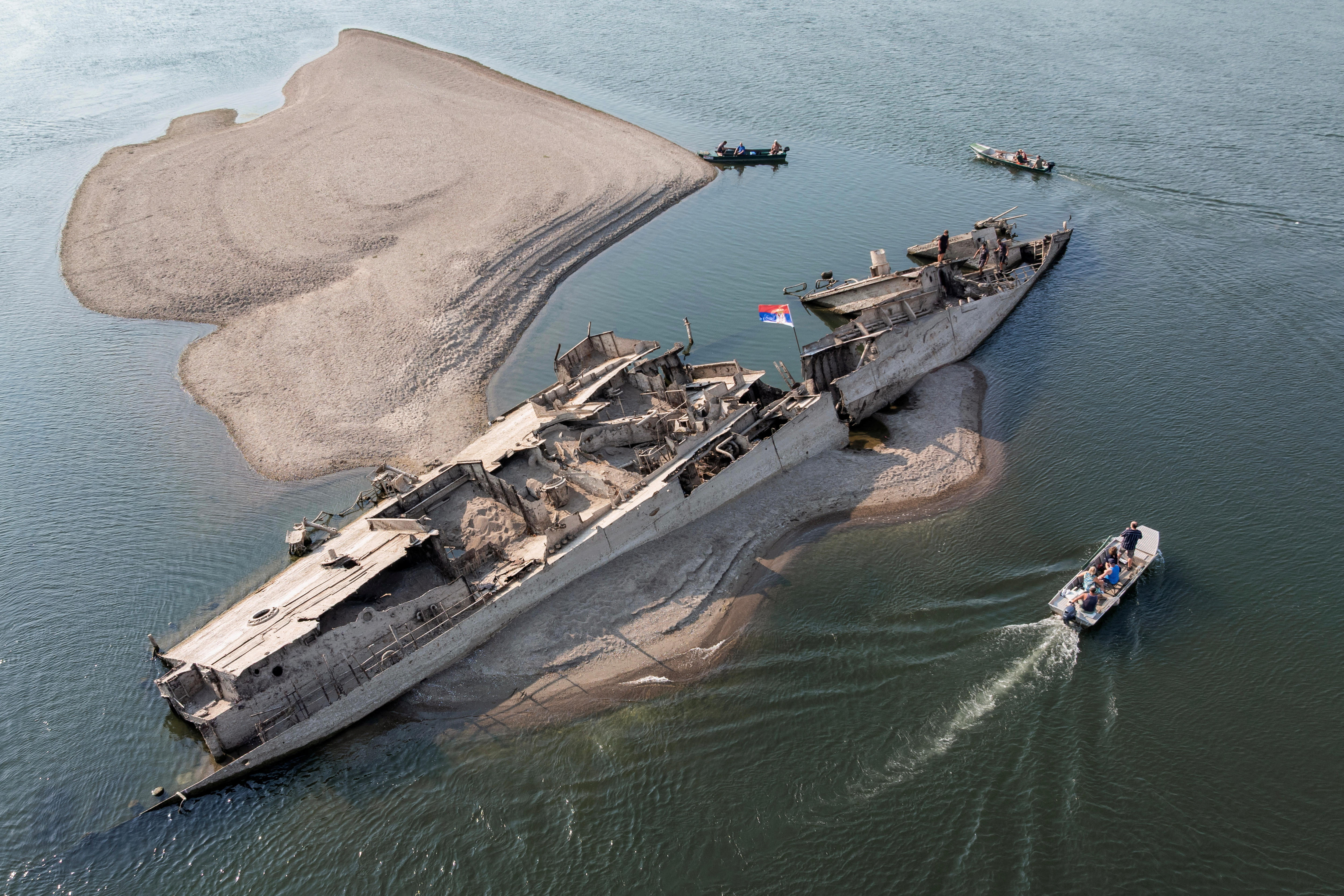
Rivers are Europe's lifeblood. Now they're dying
Europe is a land of legendary rivers. For centuries, they've fed cities, transported great armies and powered modern industry. But this summer, after a series of exceptional heatwaves, the Rhine, Danube, Loire and Po have all shrunk to record lows. Ben Coates, author of a 2019 book about the Rhine, discusses what the drying up of Europe’s rivers means for the continent and its fu
How can you trust news generated by AI?
Since AI started being used by journalists in newsrooms around the world, there have been a number of high-profile publications that have made some rather embarrassing mistakes. Some have misquoted political leaders because AI simply made up and attributed statements to politicians who never said those words. Malicious actors are setting up fake news websites for AI to capture wh
Why America wants its Greenland airbase back
During the Cold War, the US had 17 military bases across Greenland. Most were eventually abandoned, but now Washington wants to get its hands back on one.Narsarsuaq is a former American air base in the south, where historian Ole Guldager has documented the history of the American military presence.Guest: Ole Guldager, historian, curator at Narsarsuaq Air Base Museum, and author,
Stop the chop: the fight for Adelaide's parklands
Nearly a thousand trees are being cut down in Adelaide's heritage listed parklands to make way for a re-developed golf course and the MotoGP motorcycle race. A federal court case is underway, challenging the removal of certain trees due to both their heritage value and their significance to local Indigenous people. A parliamentary inquiry is also underway after more than 43,000 p
Bruce Shapiro's USA: Gloria Steinem's legacy plus 25 years since 9/11
Bruce Shapiro reflects on the life of American feminist icon Gloria Steinem, and how many of the things she fought for are now under attack. As the 25th anniversary of 9/11 approaches, former New York Mayor Rudolph Giuliani has said he would be offended if Mayor Zohran Mamdani attends the commemoration at Ground Zero, in what Bruce says is a reflection of the legacy of Islamophob
Humboldt - the philosopher who started the ecology movement
The idea that everything in nature is interconnected comes largely from the German philosopher, geographer, naturalist and explorer, Alexander von Humboldt. After a scientific expedition to the Americas at the turn of the 19th century, Humboldt came to realise that nature existed in interconnected ecological zones, and that humans were not nature’s overloads, but part of nature i
Giorgia Meloni's four years in power
Four years on, Giorgia Meloni has done what few Italian leaders manage: stay in power. But has her right-wing revolution really materialised — and how secure is her grip ahead of the 2027 election?Guest: Lorenzo Pregliasco, Political analyst, Adjunct Professor, University of Bologna, ItalyProducer: Ali Benton