The SciComm Collective
The SciComm Collective 27 episodes Oct 26, 2026
The SciComm Collective explores how and why science stories are told, examining the social conversation around science through interviews and discussions with experts, students and alumni. Created and run by science communication students at The University of Western Australia, the show covers science communication skills, careers, and practices. It aims to bring fresh, diverse perspectives from student voices.
Episodes
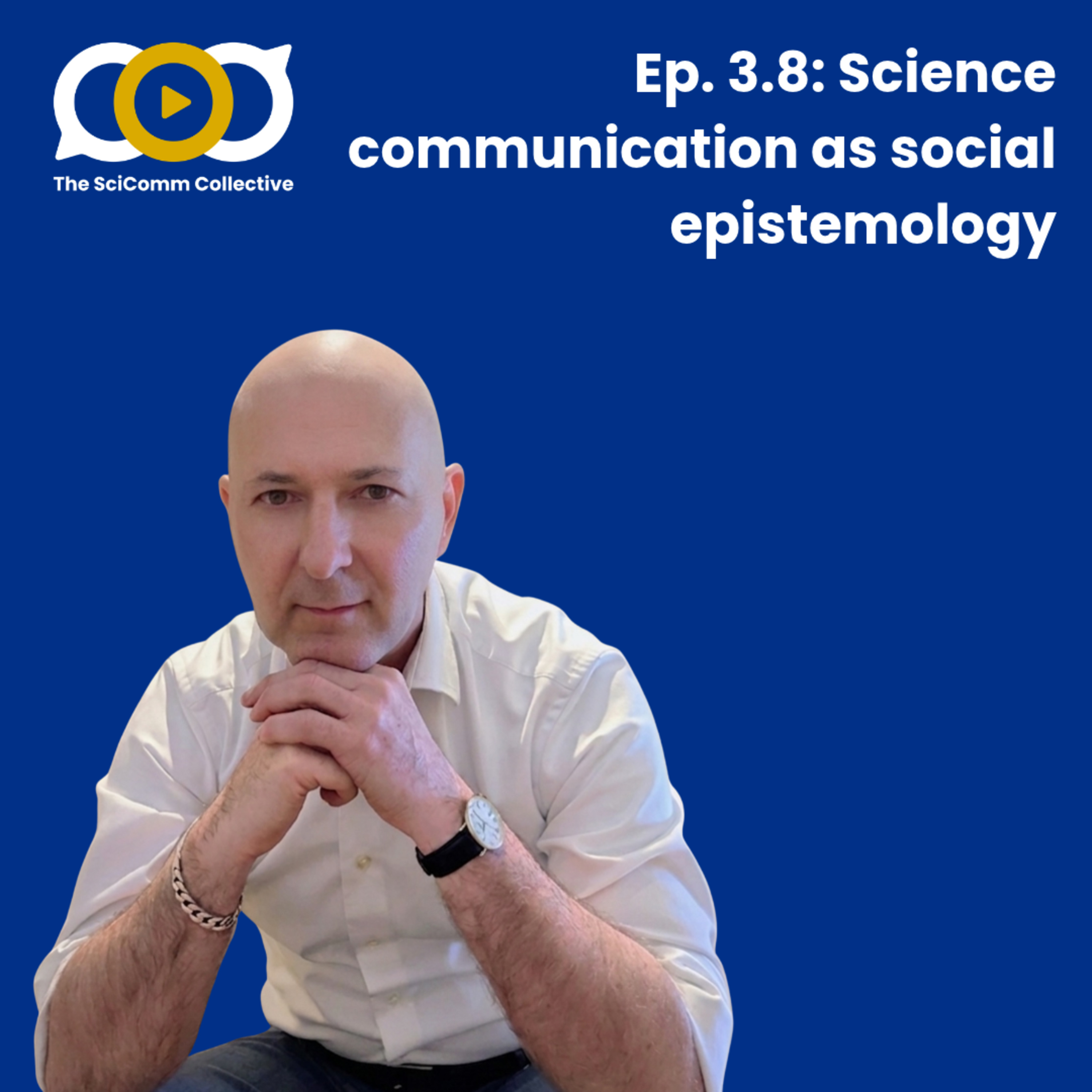
Science Communication as Social Epistemology
"If science communication is the social conversations around science ... I think we are the curators of these conversations." – Fabien Medvecky How do we draw the limits of knowledge and expertise – and what's the role of science communication in it? Join Camila and Dr Heather Bray as they deep dive into what science communication as social epistemology is from the perspective of sci
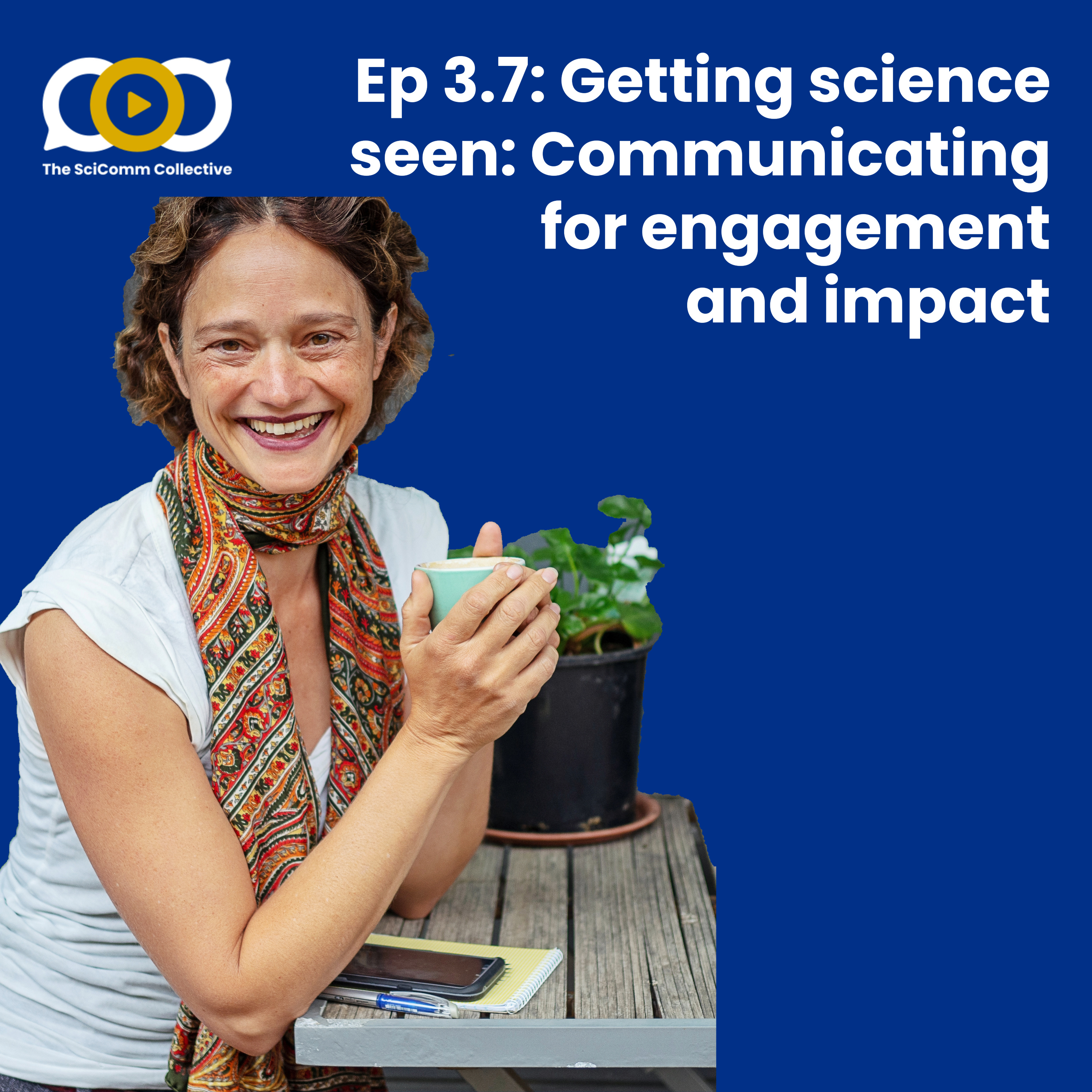
Getting Science Seen: Communicating for Engagement and Impact
“You’ve got to get your research to the people who are going to use it… You’ve got to go to where the community is.” – Sarah Brooker How do scientists create impact with their research?In this episode, Science in Public’s Sarah Brooker talks to Camila and Emma about her work at “Australia’s Science PR Company” and why Public Relations (PR) isn’t a dirty word – it’s a proactive one. She shares how
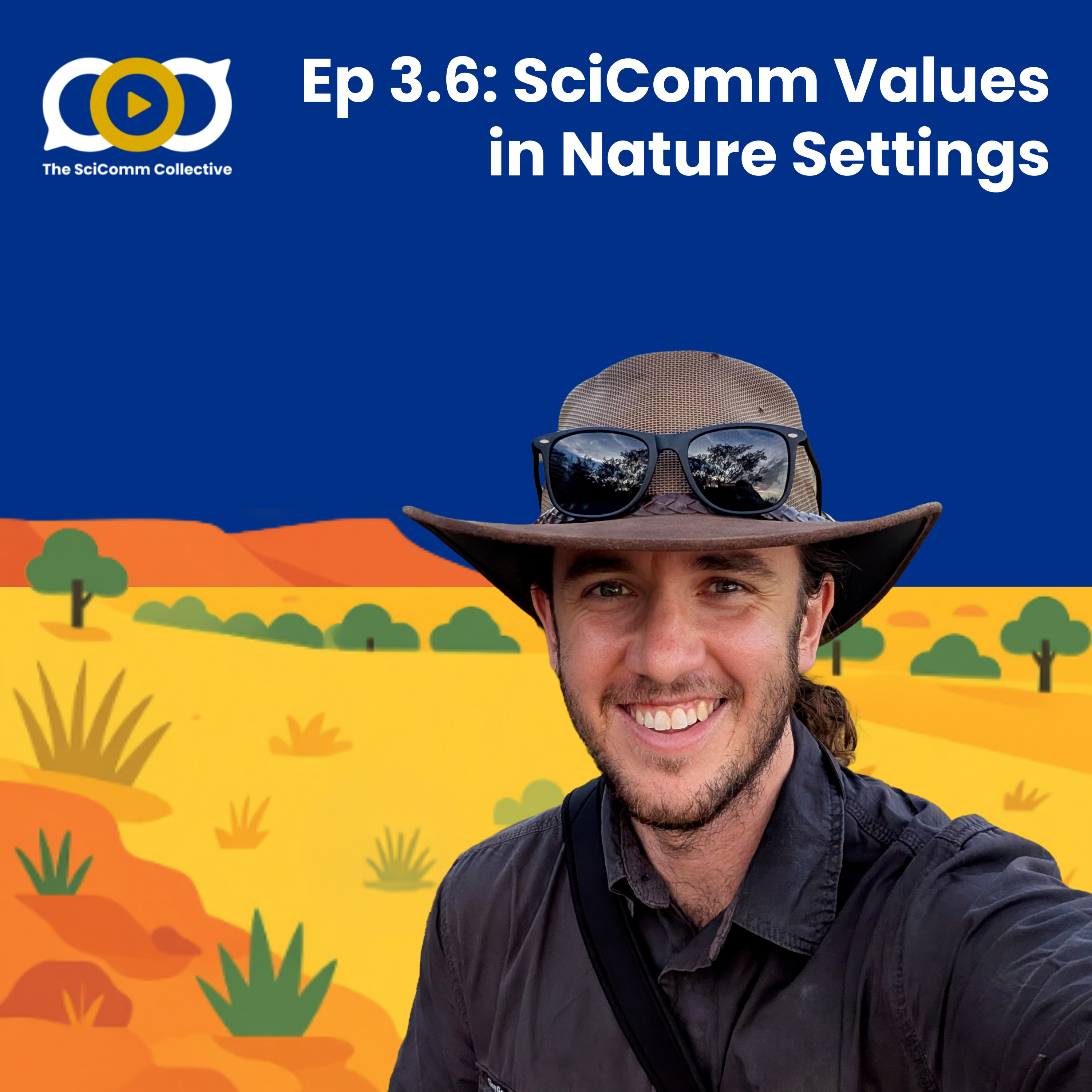
SciComm Values in Nature Settings
“My favourite thing about nature conservation and science is sharing it with people and connecting with people about it.” – Owen Cumming Welcome back to The SciComm Collective! In this episode, UWA Master of Science Communication alumni Ximena Shaw and Owen Cumming chat about Owen's journey after studying science communication and experiences that have shaped his career as an ecologist and gui
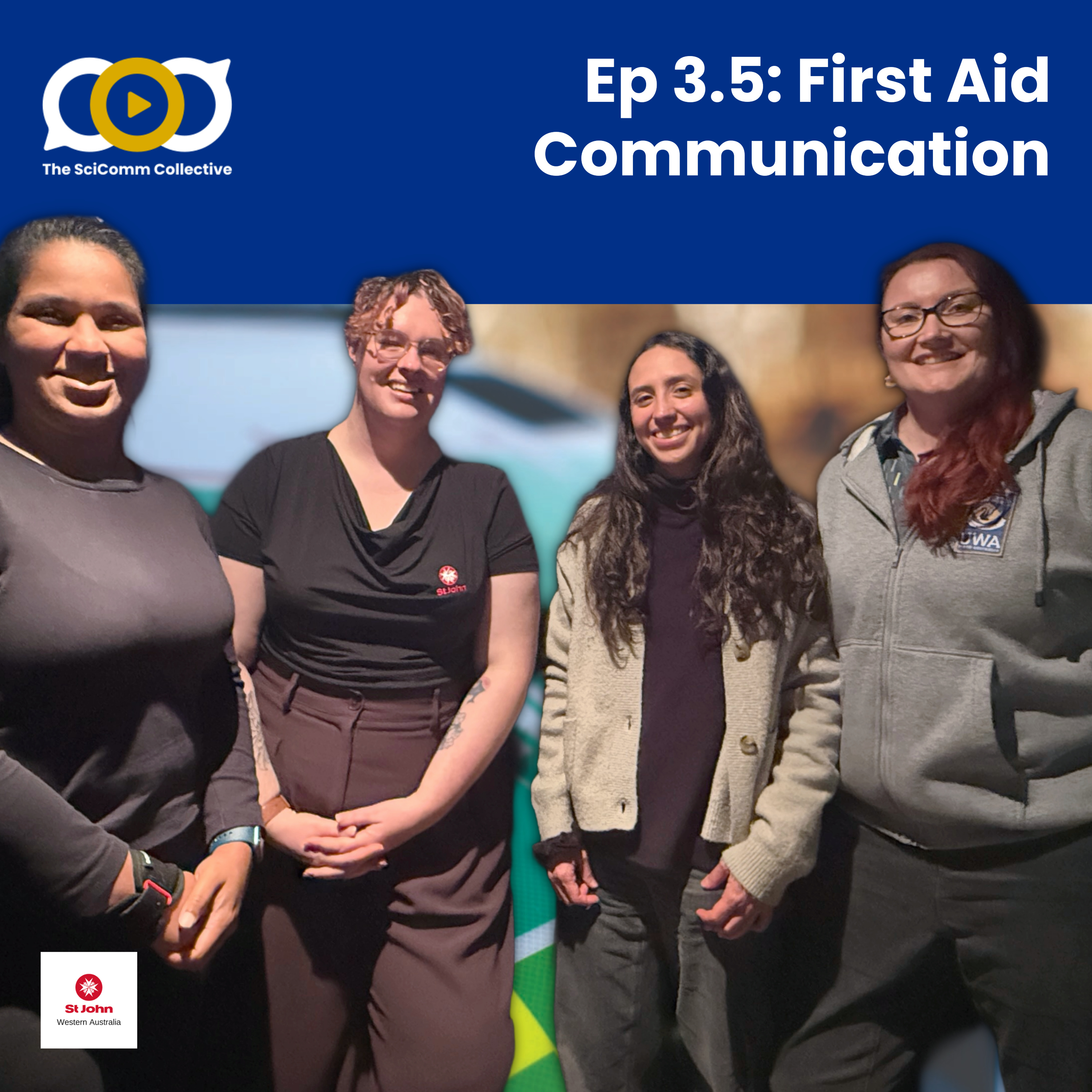
First Aid Communication
“It’s about empowering the kids to feel like they can step in and help in an emergency.” – Suchi KaliaHow can science communication enhance emergency responder training? This episode features two special guests, UWA SciComm alumni Suchi Kalia and Samantha Crampton, who design and deliver innovative first aid training at the St. John’s WA Youth Academy. Sam and Suchi chat with Camila and Emma about
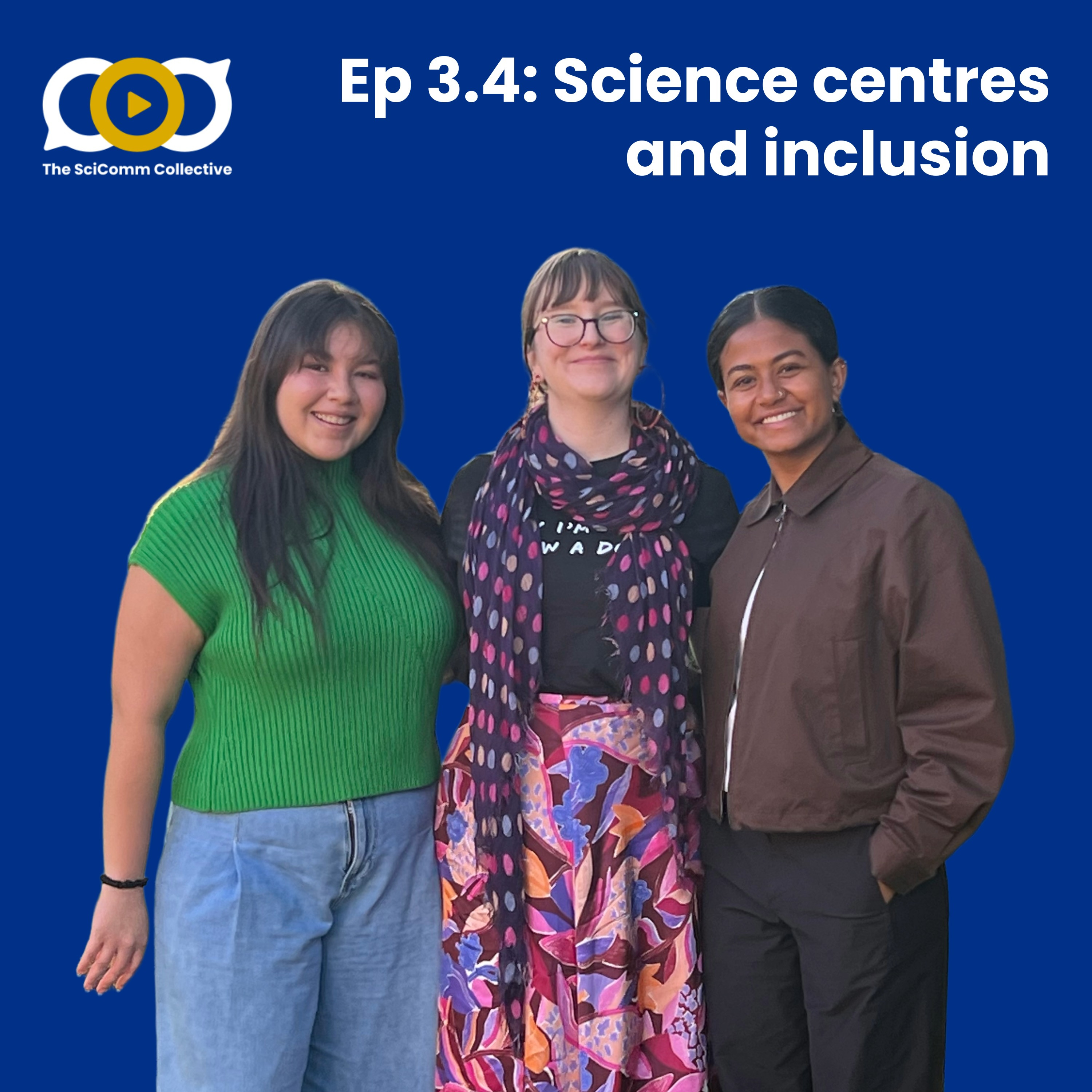
Science centres and inclusion
“A really important part of inclusion is understanding your audience, understanding their needs, but also understanding their assets… What knowledge do they already have? … Science capital is about recognising what people already bring to the table.” – Shanii PhillipsWelcome back to Season 3 of The SciComm Collective! In this season we’re talking about how science stories get into public spaces li
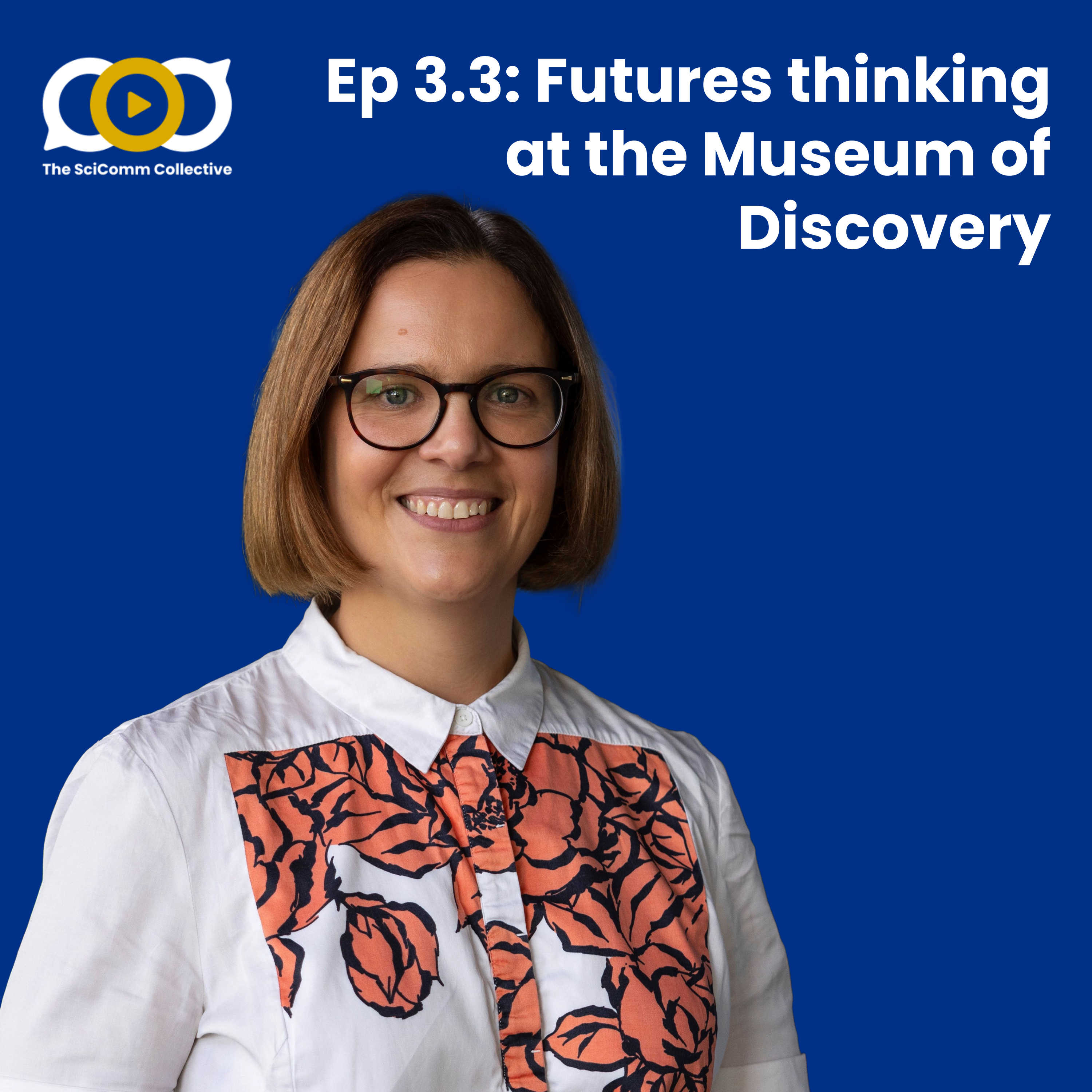
Futures thinking at the Museum of Discovery
“It’s being able to create experienceswhere young people feel like they belong.” – Lisa Bailey, MOD. How can we design better science museumexperiences for 15–25-year-olds? In this episode of The SciComm Collective, Avantika chats with Dr Lisa Bailey, Director of the Museum of Discovery (MOD.), about informal science communication and the importance of engaging young people with science beyond the
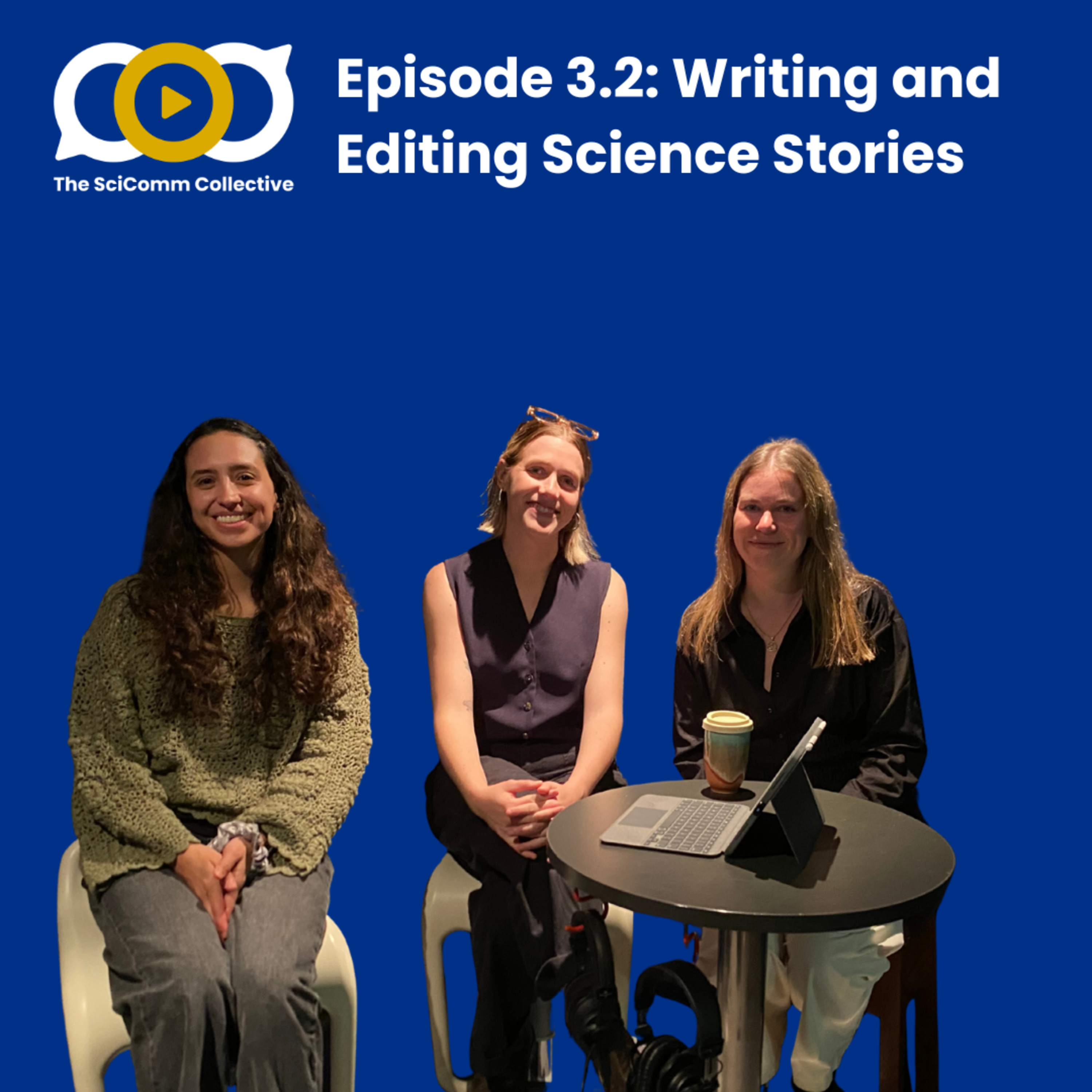
Writing and Editing Science Stories
“There's a lot going on in the world, And I think that sometimes science gets dropped a little bit ... But in terms of media as a whole, it's there. And I think there's a lot more work to do, but I think it's clawing its way ... There is space for science in breaking news.” - Cat WilliamsWelcome back to Season 3 of The SciComm Collective! In this season we’re talking about how sci
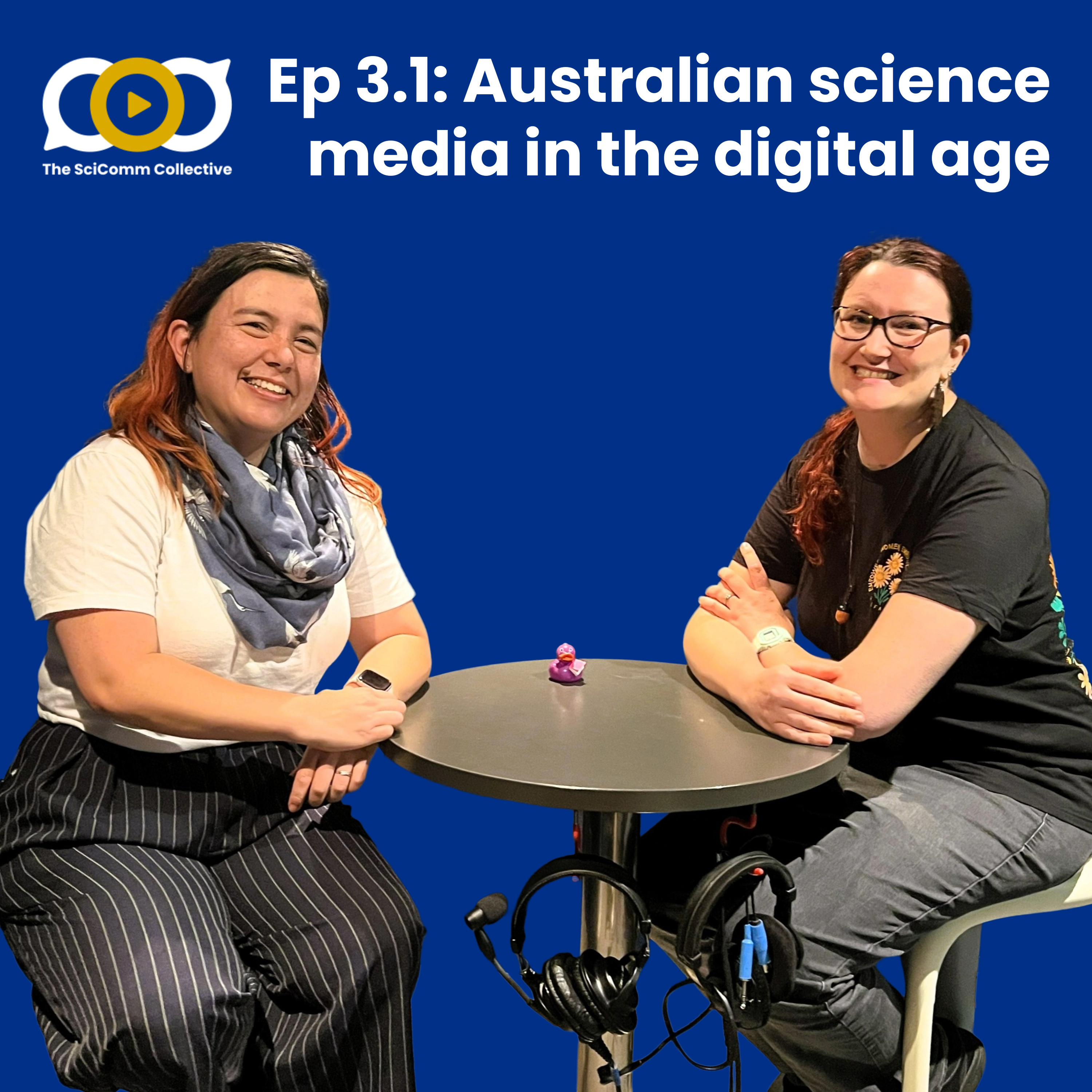
Australian science media in the digital age
Welcome back to Season 3 of The SciComm Collective! In this season we’re talking about how science stories get into public spaces like news, magazines, theatre, parks, museums, science centres, and youth groups. In our first episode, UWA science communication PhD candidate Emma Gill chats with Jasmine Fellows, Managing Editor of Refraction Media, former editor of Cosmos and Double Helix magazines
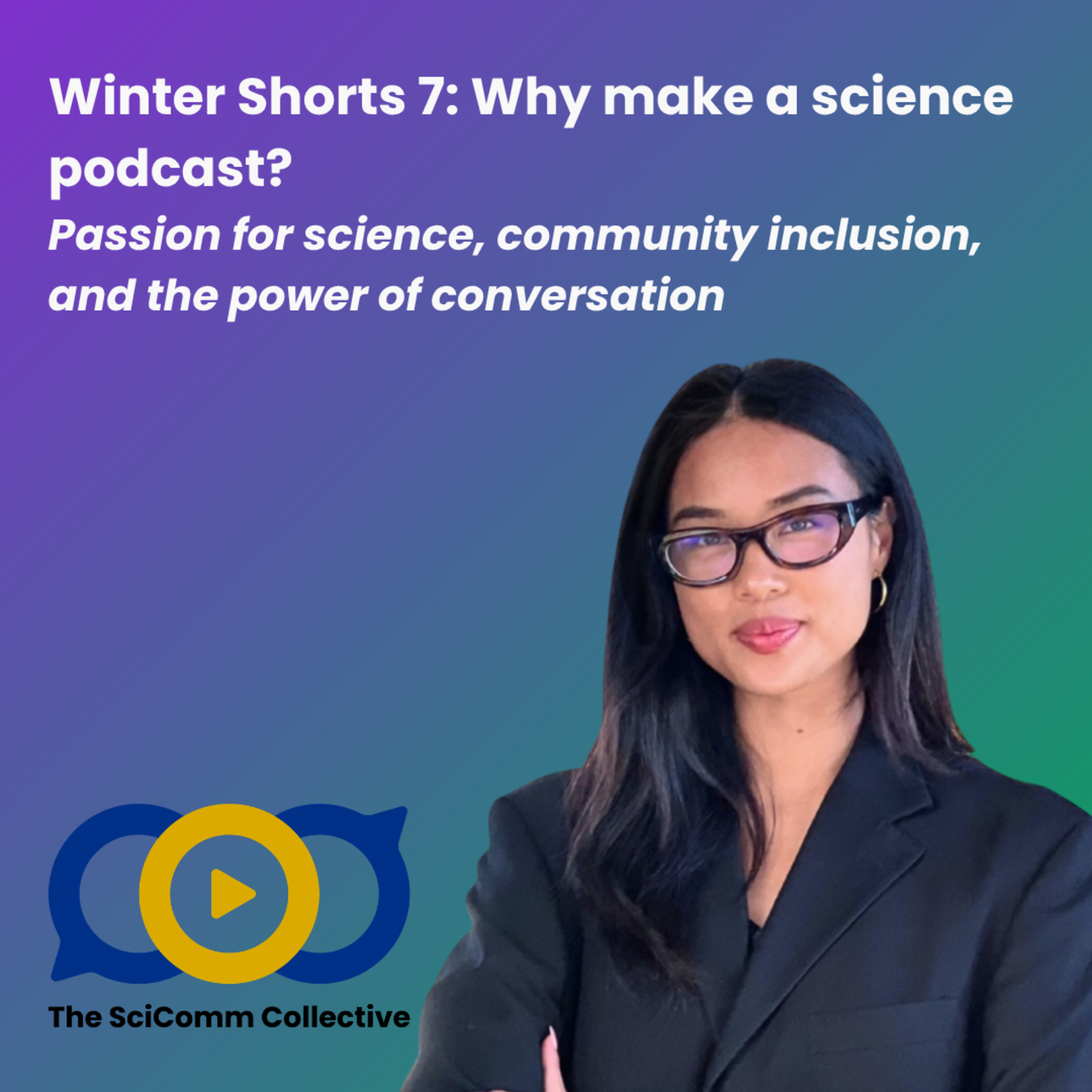
Why make a science podcast?
“I was always interested in the storytelling element. I was really interested in how people create a place where people can just be themselves and talk.” – Crystal NgoWelcome to the final episode of our Winter Shorts series 2026! In this special wrap-up, Camila and Heather chat with UWA Master of Science Communication alumnus Crystal Ngo, whose journey has taken her from nutrition, public health,
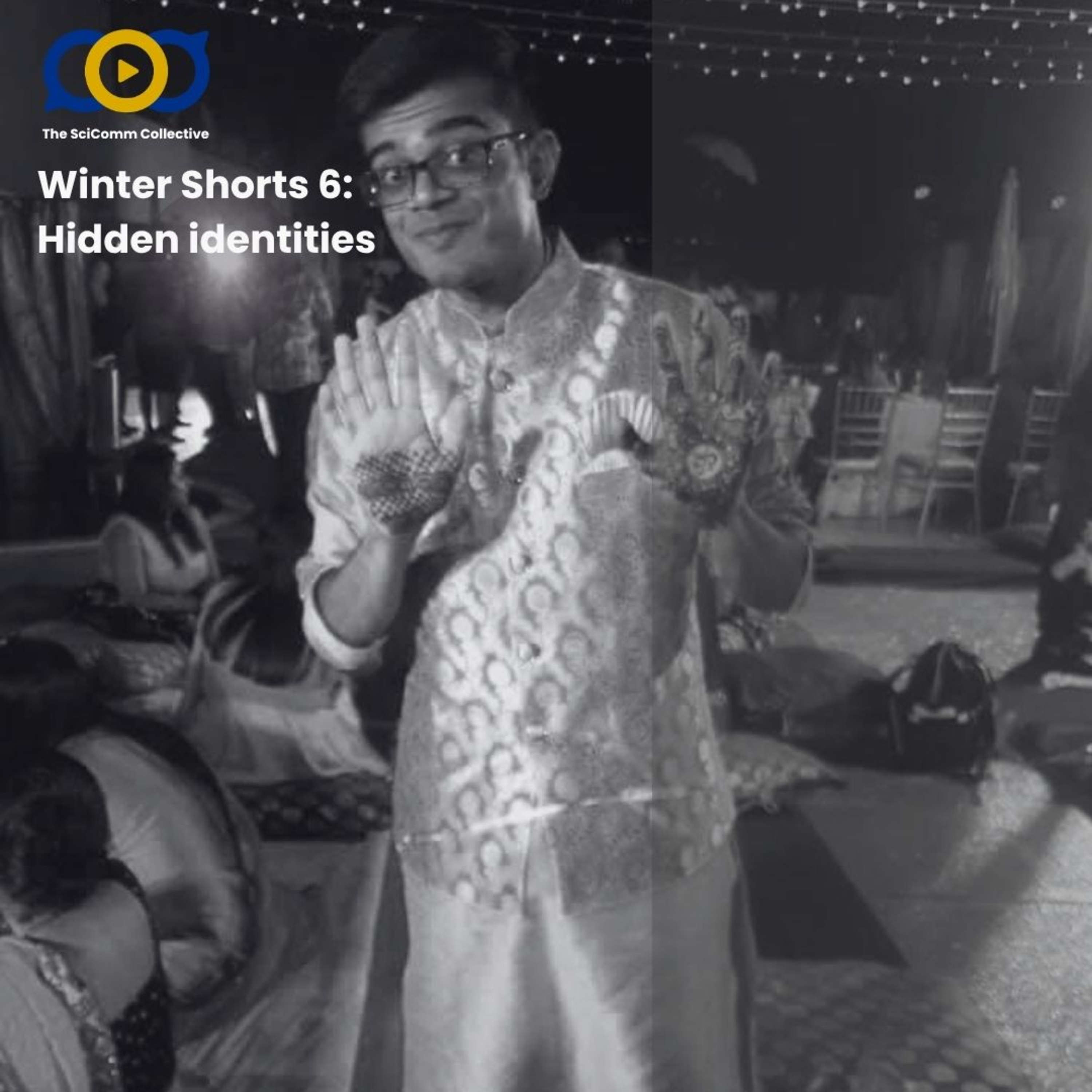
Hidden Identities
"Kathakars were known as storytellers, and these are ways of telling mythological stories: they convey meanings through the form of dance, and you can think about it in sociological terms - the dancer is conveying a story." – Hari Krishna GamiIn this Winter Shorts episode, science communication student Hari Krishna Gami shares his short podcast about Kathak, a traditional North Indian dance form,
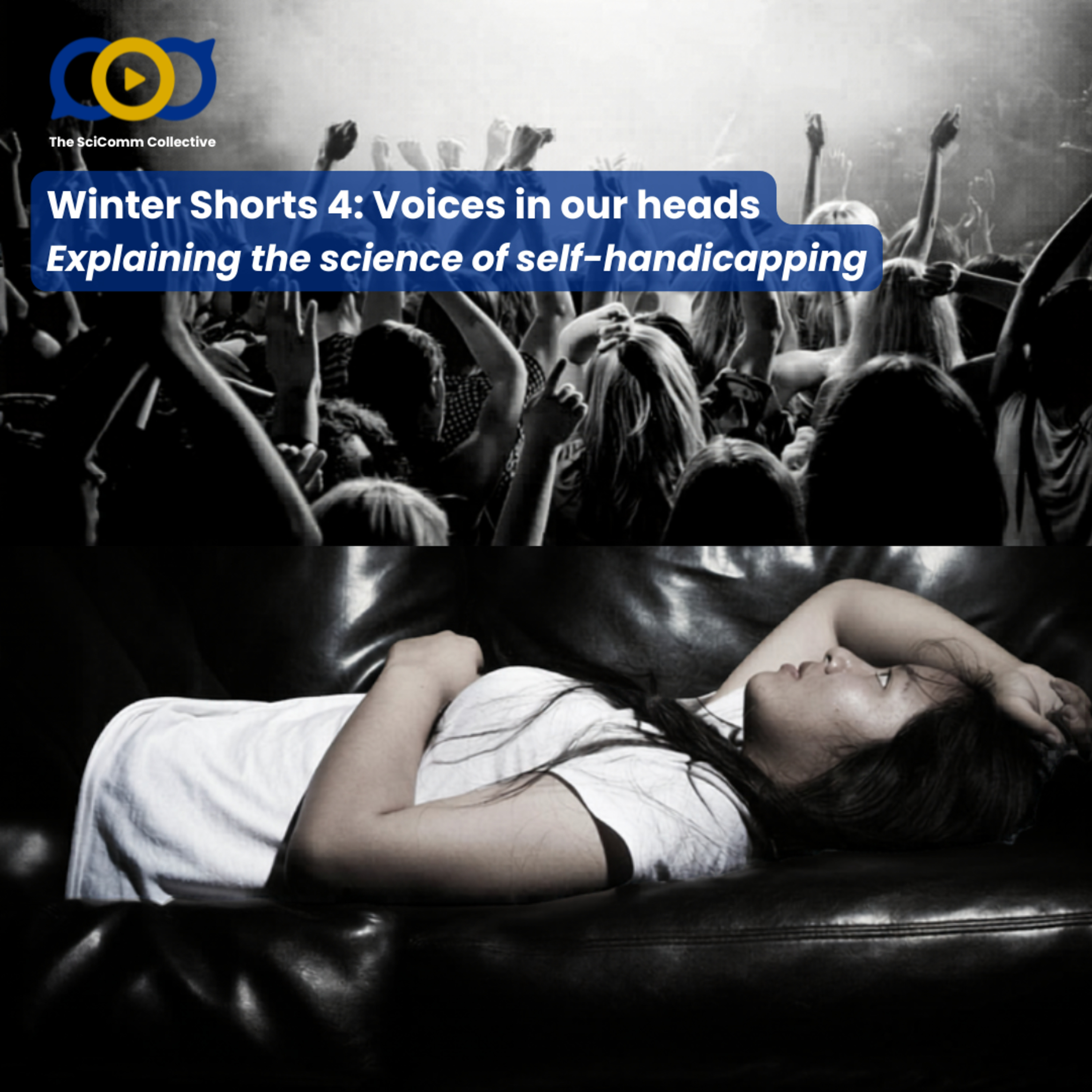
Voices in our heads: Explaining the science of self-handicapping
“Next time you find yourself avoiding the work you should be doing, remember: your values hold the key to success.” – Tom CarberyAre you ever so worried about failing at something that you actively seek out other activities to do instead… and then ‘blame’ those as the reason you fail? You might be 'self-handicapping'.On this episode, UWA psychology student Tom Carbery shares his mini-podcast about
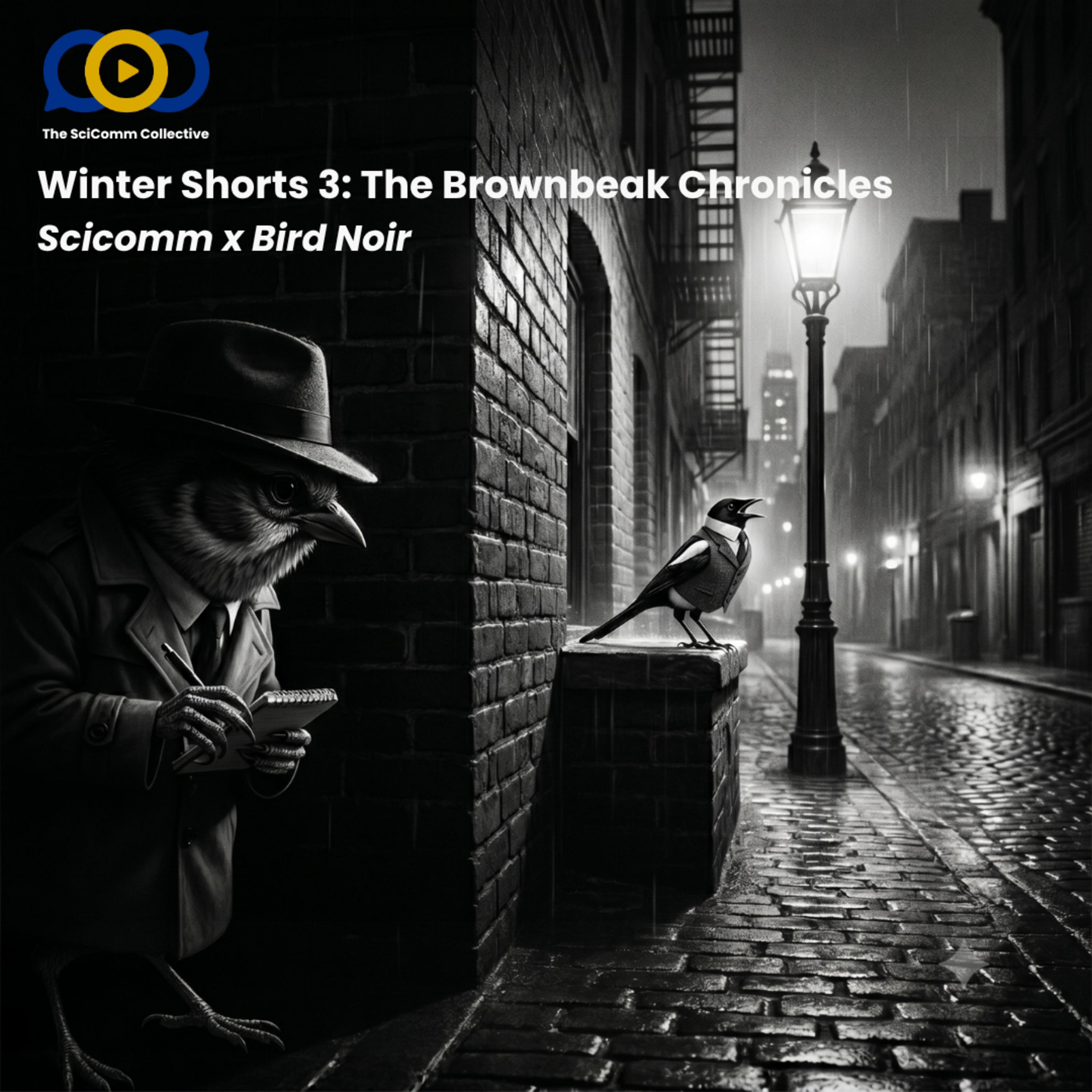
The Brownbeak Chronicles: SciComm x Bird Noir
~ Note from Producers: Episode audio updated on 28/6/2026 ~"With science, we're trying to communicate with people, change behaviour, inspire people to think about things differently... Being able to pivot and adapt to what your audience needs is a really important part." - Sarah Brown In this episode, Camila sits down with Minor of Science Communication student Sarah Brown to discuss the process
Recommended

Human Factors & Ergonomics (HFE) Hub

Sleep4Performance Podcast
The HPS Podcast - Conversations from History, Philosophy and Social Studies of Science
Know Idea

FX Medicine Podcast Central

Nature Sounds

The Pathology Report
Reef in Focus
Nutrition Science Bites with Professor Clare Collins AO

Horses of the Hills and other Verses

Grower, Maker, Researcher - Wine Industry Insights
Talking Child Development
