No One Saw It Coming
Join Walkley award-winner Marc Fennell as he uncovers the incredible moments that changed the course of history. The bit players, the unexpected twists, the turning point you missed. New episodes out Tuesday.
Episodes
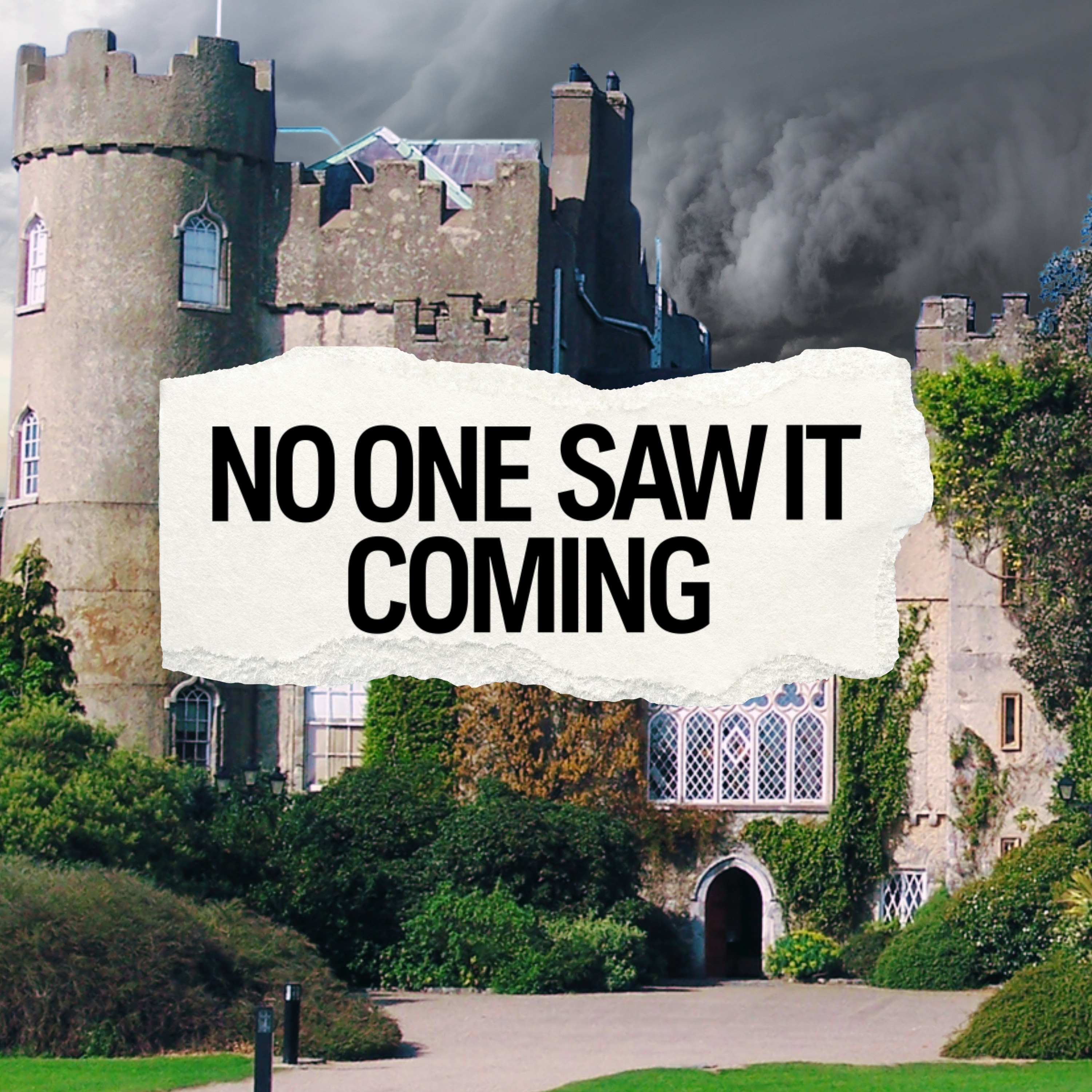
Jon Ronson, the Manosphere and a Castle
A castle sits in the streets of American suburbia and from the outside it looks bizarre. But what’s on the inside is even weirder... A dog named Cerberus, a basement nightclub with poles and cages, and a room full of princess costumes. Jon Ronson (Author, The Castle) speaks to Marc Fennell (Stuff The British Stole) about what he found when he went looking for the man inside the c
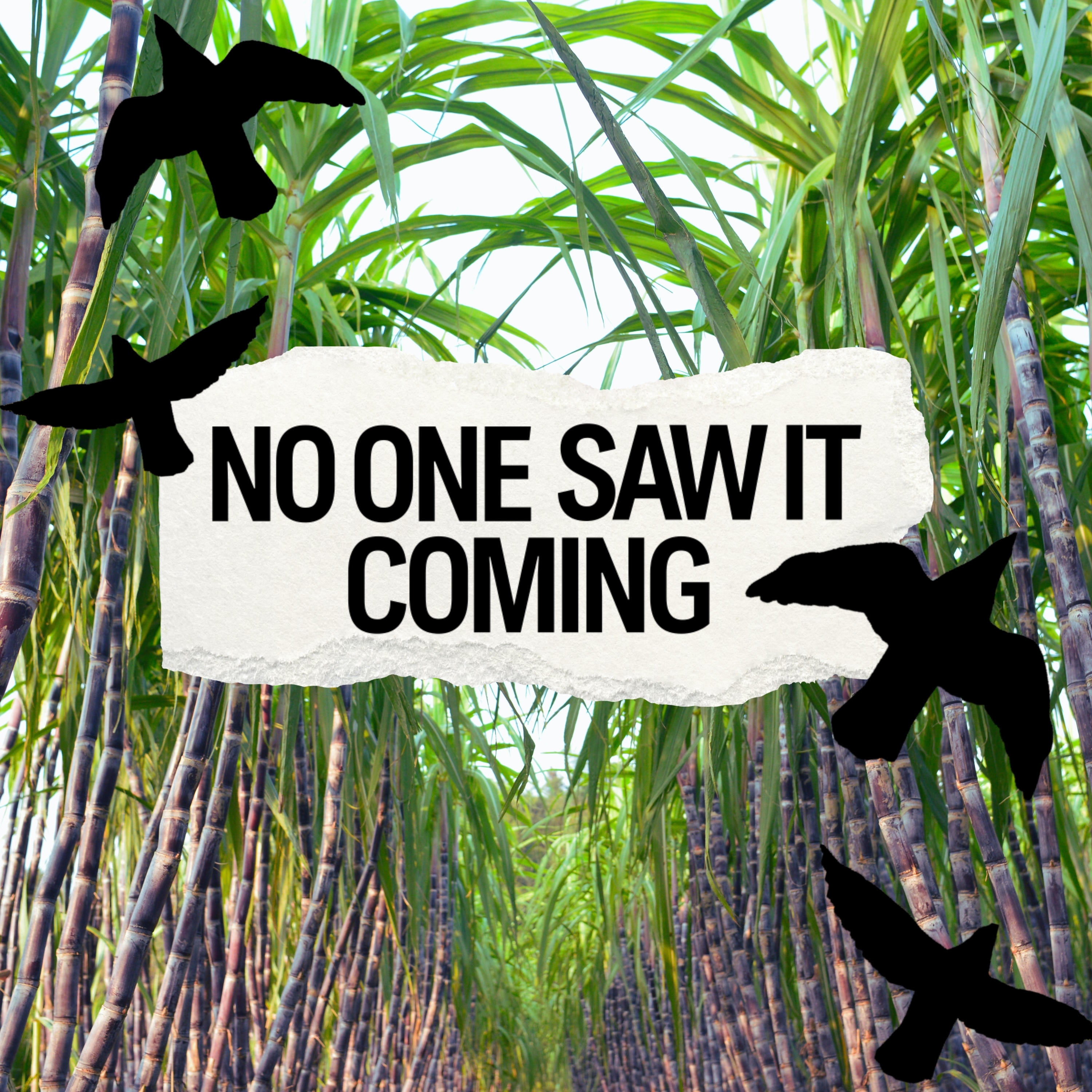
Australia's secret slave trade
From the mid-1800s, more than 62,000 Pacific Islanders were kidnapped, tricked or coerced into labour on Queensland's sugar and cotton plantations.Ryan Butta (Author, Blackbirding) and Emelda Davis, whose grandfather was taken from Vanuatu as a boy, tell Marc Fennell (Stuff The British Stole) how Australia avoided the word "slavery" by disguising the trade in euphemism. It was ca
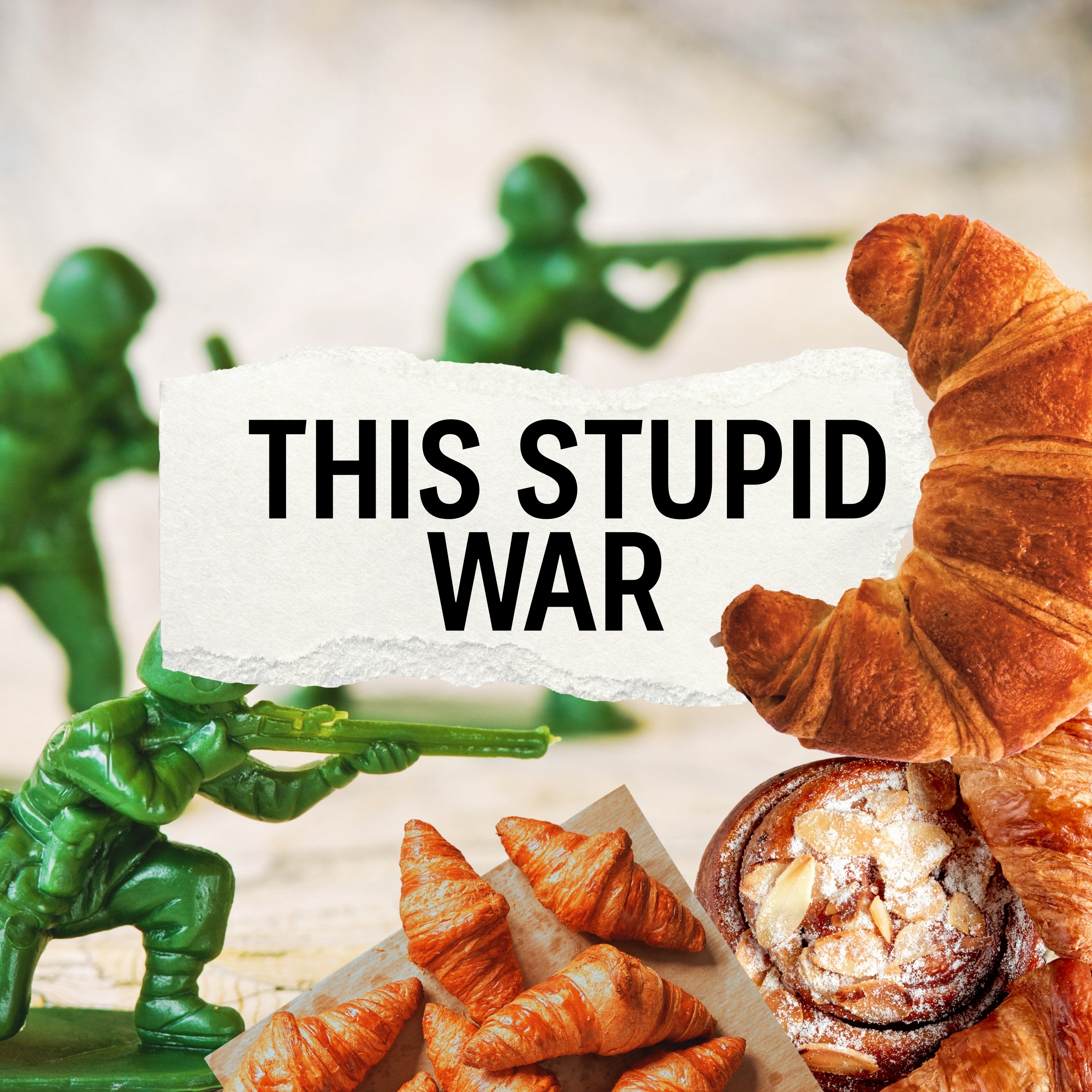
The Pastry War: Half-baked diplomacy
A ransacked bakery. A wildly inflated bill. A demand so absurd it should have been laughed out of the room. Instead it triggered warships. In 1838, France used a pastry chef's grievance to justify a blockade, a siege, and an assault on Mexico. But was the baker's claim ever really the reason? Or just the excuse the French government had been waiting for? Food historian and author
The Pig War: Hogging the border
A pig trots over an invisible border, wandering into a potato farmer's garden. It's not the first time it's trespassed but it is the last. The farmer takes his gun off the wall and shoots it dead. But what he doesn't realise was that by pulling that trigger, he set off one of the tensest military stand-offs in history. Mike Vouri (former Historian for San Juan Island National His

The mythical football war
It’s called The Football War and raged for just 100 hours. It’s a catchy name for a conflict supposedly sparked by a World Cup qualifier game. But behind the catchy title, and away from the football pitch lies a deeper, darker history about politics, poverty, power and a war that claimed thousands of lives.Fionntan O’Hara from the London School of Economics tells Marc Fennell (St
Birds 1 - Humans 0
In 1932 Australia sent soldiers with machine guns to stop 20,000 emus rampaging through wheat fields. What followed was a national embarrassment and earned the emus a reputation as the victors of one of history's strangest wars.Associate Professor Ruth Morgan (Environmental historian, Australian National University) tells Marc Fennell (Stuff The British Stole) the wild story of t
The man who gave the gods new faces
Their faces are everywhere: on calendars, incense packets, and soap packaging. But how did the Hindu deities' faces go beyond temples and shrines? In nineteenth-century India, Ravi Varma dared to paint the gods in a way no one had before. What followed was a cultural revolution that carried his vision into homes across India and around the world.Tarun Nagesh, Curatorial Manager o
What really happened at Pompeii?
You think you know Pompeii. A city wiped out. People frozen in time. A disaster that stopped time. But how much of that story is actually true?Ancient historian and writer Dr Jess Venner (The Lost Voices of Pompeii) sits down with Marc Fennell (Stuff The British Stole) to blow away centuries of misconceptions, bust myths surrounding one of history's most famous disasters, and bri
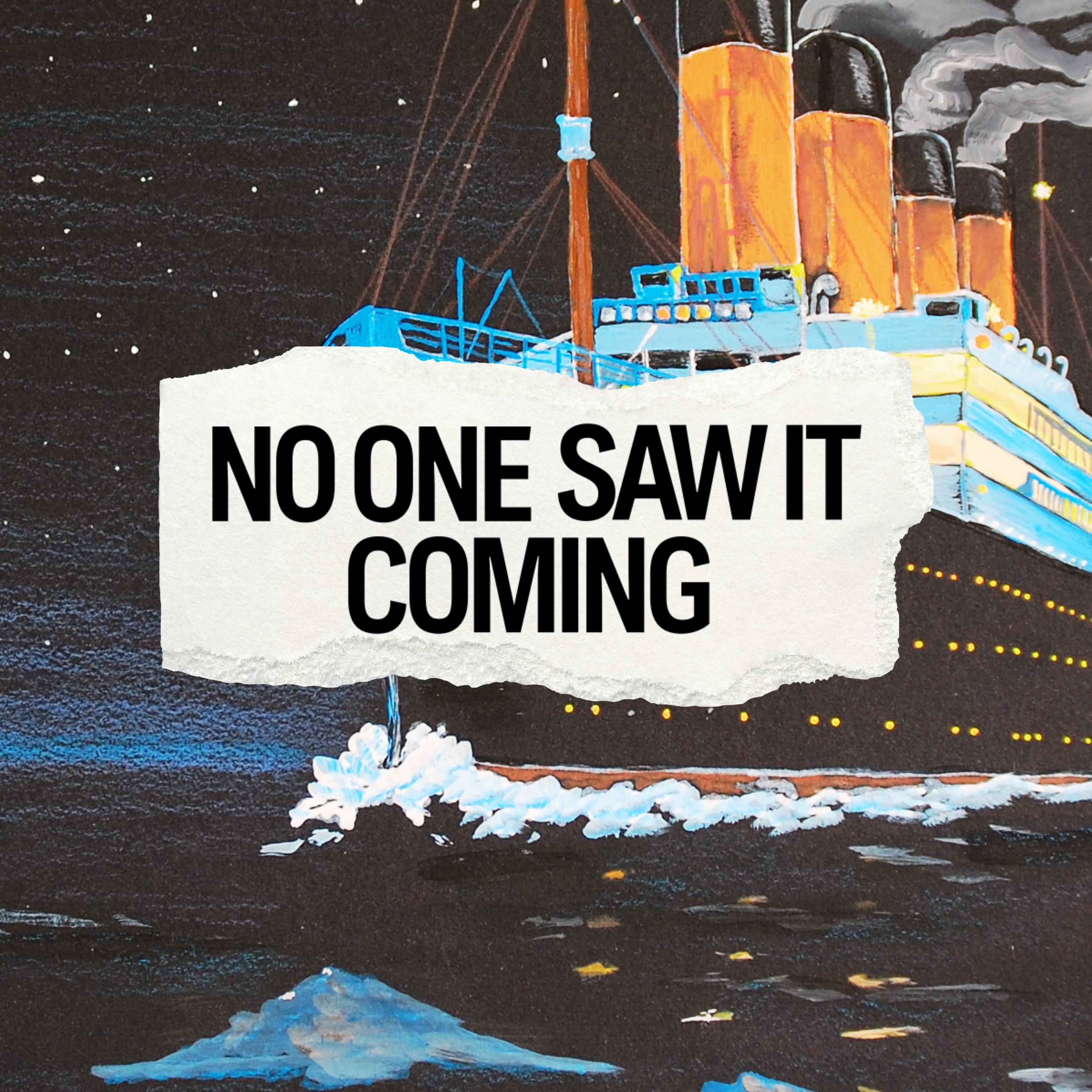
Titanic mistakes sunk a black empire
Marcus Garvey is known as a civil rights activist and leader of the Pan-Africanism movement. But there’s a part of his story you may not know about. Social historian Darrel Blake tells Marc Fennell (Stuff The British Stole) the lesser known chapter in Marcus Garvey’s life - about how he established a shipping company but ended up creating a symbol of black liberation and empowerm
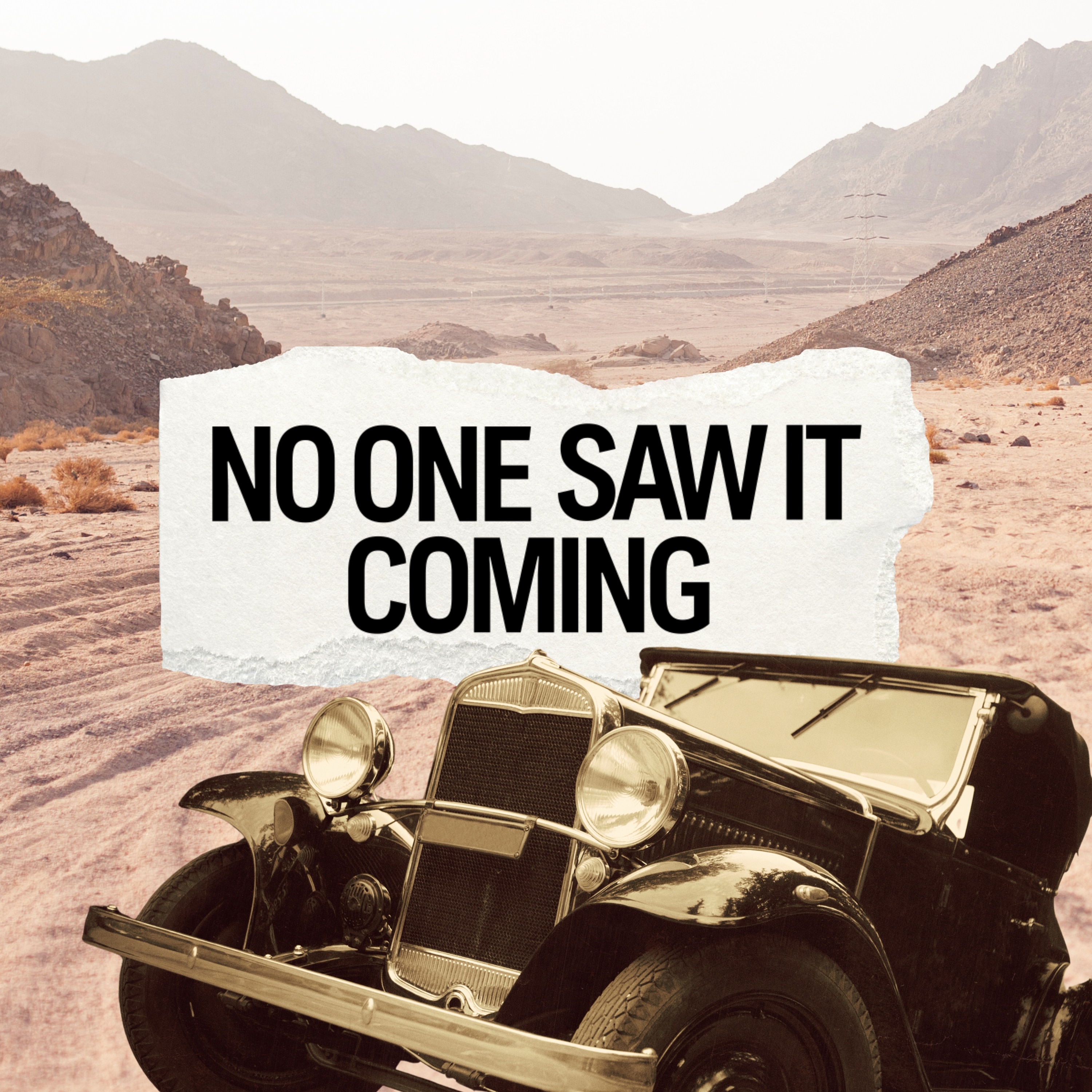
The prince, the liar, and the race to save cars
Imagine driving from Beijing, through the Gobi Desert, Mongolia, and across Russia into Europe. The roads are terrible, you don't have petrol stations and you have pack animals carrying supplies. Oh, and it's a race so step on it.In 1907 this was the challenge set by a French newspaper. A race around the world to prove the automobile was not some fad technology. Kassia St Clair,
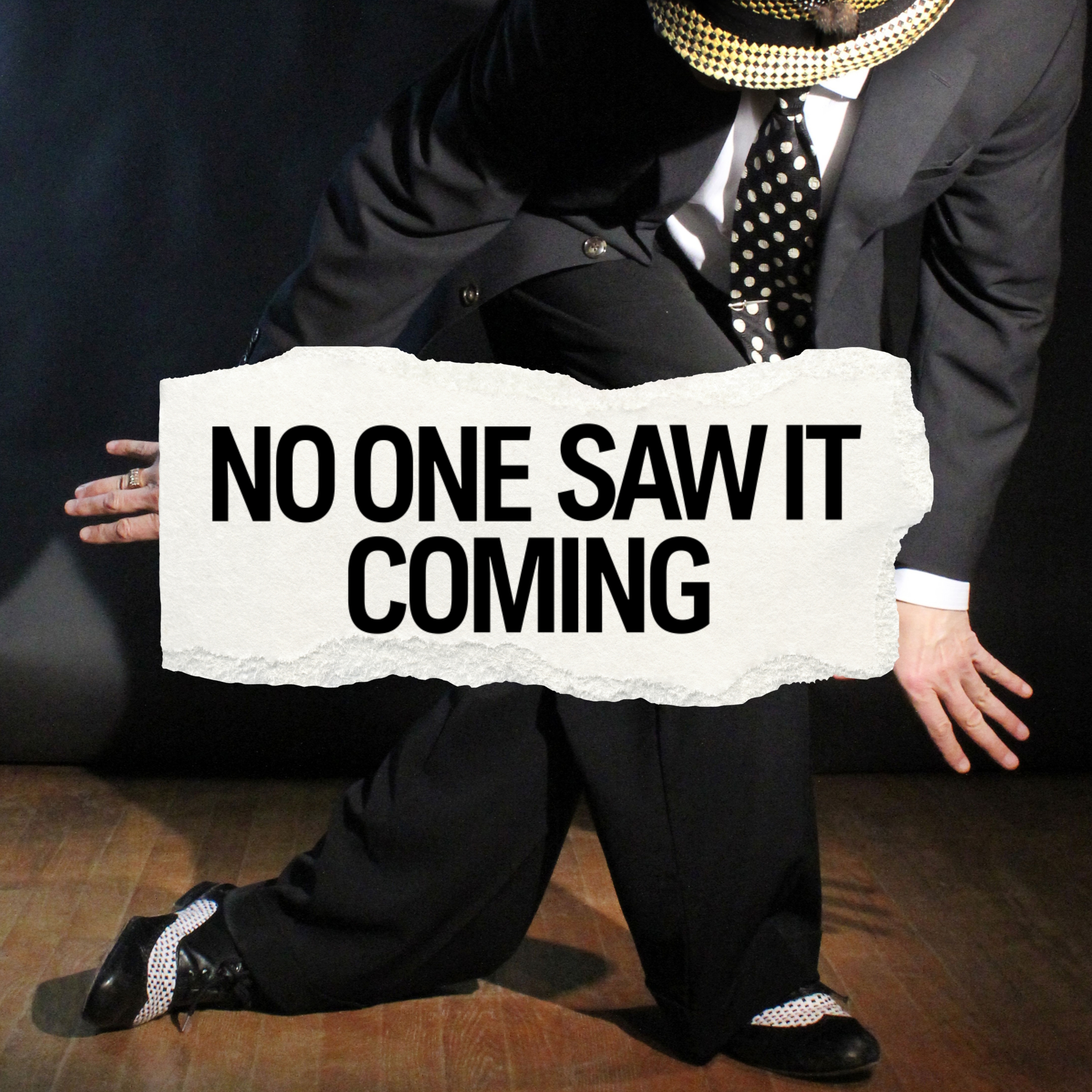
The suit that sparked a riot
What do you get when you combine fashion, race and a world war? From the jazz clubs and dance halls of the 1940s to an infamous city riot in Los Angeles, the zoot suit was made to draw attention. But sometimes, that wasn't such a good thing.Monica L. Miller (Chair and Professor of Africana Studies at Barnard College, Columbia University) tells Marc Fennell (Stuff The British Stol
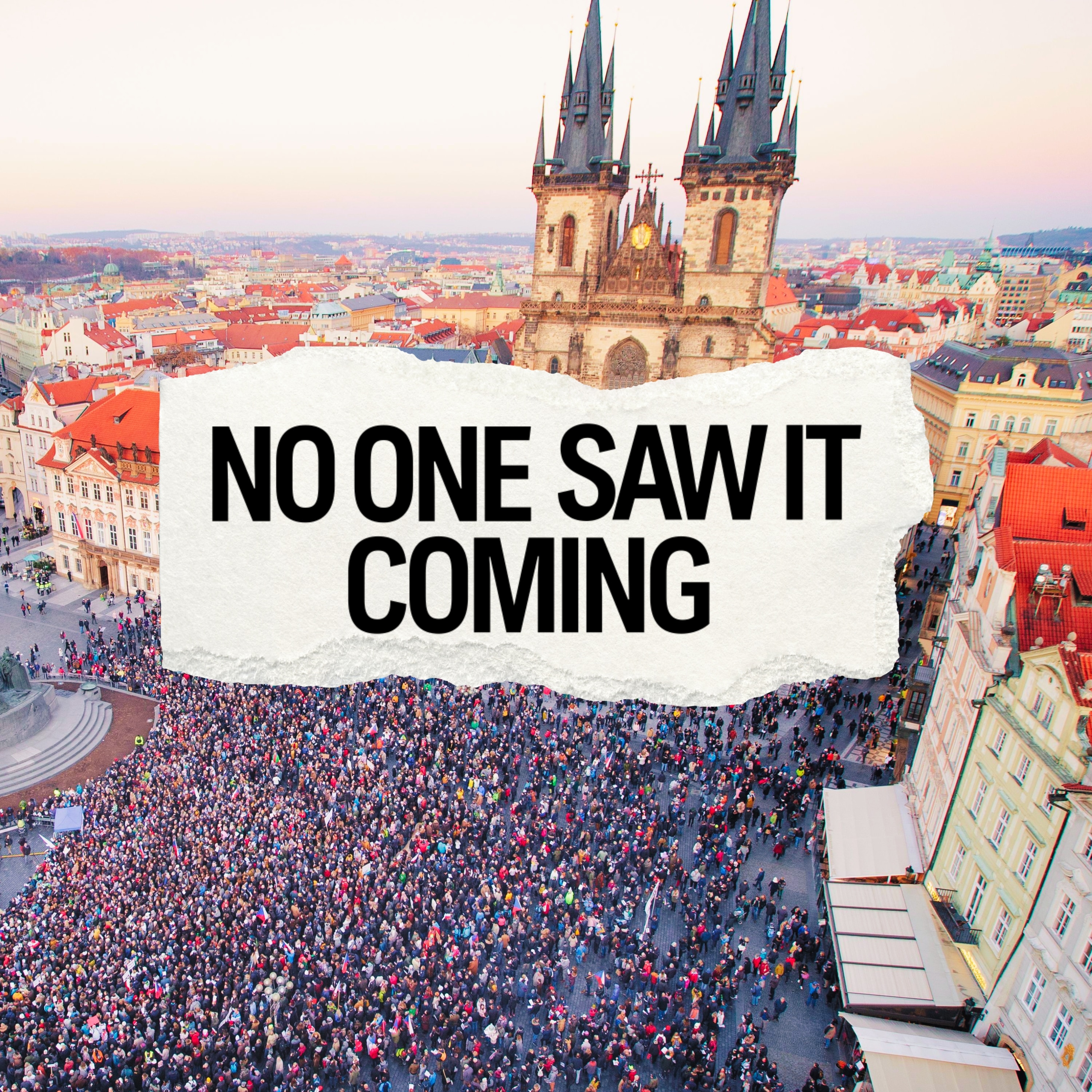
Richard Fidler: The lie that toppled a regime
A well-placed lie can bring down a whole government. Hard to believe, but in Prague in 1989 that’s exactly what happened.In amongst a heaving student protest, a body was carried away. That body became a flashpoint for Czechoslovakians to say enough is enough, and call for the end of the communist regime. But who was that dead person, really? Richard Fidler (Host, Conversations, A
Escaped the Nazis and lost by Australia
She stands tall with her head tilted towards you. She’s wearing an incredible gown made of the most beautiful fabric. This is a society woman living in Vienna at the turn of the 20th century. But she will see things that will shock and disturb her. Her world will be turned upside down, and she’ll travel to the other side of the world to keep her family safe, only to be rejected b
The queen behind the witch hunts
In the late 1500s a man sails across the North Sea. He’s battered by wind and wave. The sea seems angry, almost furious at him. He thinks it must be more than just a bad storm. It must be supernatural. This man is James VI, the King of Scotland and son of Queen Mary of Scots. The tempest instils in him a paranoia and hatred that sparks one of the earliest witch trials in British
An 11-year-old sent us on a mission...
Getting a letter these days is pretty special, especially when it’s from an 11-year-old listener. Ellie wrote us a letter asking about the nursery rhyme Ring a Ring o' Roses, wondering if it really is about the plague. Amelia Huw Morgan, Senior lecturer in illustration in Cardiff School of Art and Design, sits down with Marc Fennell (Stuff The British Stole) to explain the deeper
The secret Aussie plant that saved D-Day
D-Day was the biggest land and water invasion in history and would go on to be a huge turning point in WWII. And it all depended on a plant.Specifically a leaf from a tree that grows on the east coast of Australia, that would treat seasick soldiers and allow them to fight.Dr Chris Kavelin joins Marc Fennell (Stuff The British Stole) to tell the incredible, and little known, story
Grapefruits vs Apartheid
In a Dublin supermarket in 1984, a young woman makes a split-second decision. She refuses to sell two grapefruits. Her job is on the line, and there’s a recession raging across the country. But she’s doing it for the human rights of people thousands of kilometres away, that she’s never even met. Marc Fennell (Stuff The British Stole) is joined by Mary Manning to hear the story of
History’s favourite sex toys
*CONTENT WARNING* This episode explores mature themes such as sex and masturbation.When the wooden object was unearthed, the archaeologists were stumped. What was this thing? It looked like a club and was found among bits of cloth so they thought it was a darning tool.But it was another kind of tool. One that would raise eyebrows and cause some people to blush.Sex historian Dr Ka
The houseplant that changed the British Empire
On the face of it, it’s just a box. It has wooden slats, a peaked roof and glass panels. But inside this box is something that will breathe, grow, and impact lives around the world, for better or worse. Dr Luke Keogh (author, The Wardian Case: How a Simple Box Moved Plants and Changed the World) tells Marc Fennell (Stuff The British Stole) the story of how a box designed to grow
Stop blaming rats for the plague
If you were asked where the plague came from you’d probably say rats. Or fleas. And you’d say it swept across Europe killing up to half of the population.But where exactly did it start and how did it get to Europe in the first place?Medieval historian Dr Eleanor Janega sits down with Marc Fennell (Stuff The British Stole) and debunks the biggest myths about the black death and te
A teenager’s party created Hip-Hop
It started with two turntables and a microphone and became a worldwide movement. Today, Hip hop is one of the biggest music genres in the world - and it all started at a teenager’s back to school party in the Bronx.Jeff Chang (hip hop journalist and author) tells Marc Fennell (Stuff The British Stole) the story of how one girl’s party to raise money for new clothes led to a music
The vote that shocked the world
In the week before Christmas 1894, a man in the South Australian parliament rolls the dice.He makes a gamble that he thinks will pay off. It’s incredibly risky because if his gamble goes wrong, he gives half the population something he really doesn’t want to give them.Professor Clare Wright OAM (Historian and author of the best-selling Democracy Trilogy) tells Marc Fennell (Stuff
Beware gifts from Soviet spies
After the Second World War, relations between America, Britain and the Soviets were frosty and as the Cold War rivalry intensified, they were watching each other with intense side-eye. And it turns out, listening as well.Matt Bevan (If You’re Listening) tells Marc Fennell (Stuff The British Stole) the story of how a gift from the Soviets to the Americans was used as a trojan hors
The Met Gala began in a dead woman’s closet
The Met Gala’s 2026 theme is Costume Art. But rewind almost 100 years ago, and the fight was to get costumes to be called art at all. And if a handful of very determined women hadn’t pushed to change that, the Met Gala probably doesn’t exist.Dr. Elizabeth Lundén is a Kluge Research Fellow at the Library of Congress and she sits down with host Marc Fennell (Stuff The British Stole
The telegram that caught a killer
When he got on the train to London, he thought he got away with it. He thought he got away with murder. But little did he know that something was racing alongside the train, pulsing deep underground, that would change his life forever. Writer and cultural historian Kassia St Clair tells Marc Fennell (Stuff The British Stole) how a horrific crime changed the way people living in t
Clogged sink doomed a space mission
It’s 1926 and two men are working in a lab trying to create antifreeze. Instead, they make a thick, black goo that stinks out the lab and blocks the sink. ABC Science reporter Fiona Pepper tells Marc Fennell (Stuff The British Stole) about how this black gunk would go on to be used in cars, rockets and spaceships. And ultimately, would be responsible for one of the deadliest spac
Ancient Greek built a steam engine for dinner parties
Long before steam trains, before factories, before the Industrial Revolution, someone figured out how to turn steam into motion. And he did it almost two thousand years ago in Ancient Alexandria, and the device he built wasn’t meant to power anything. It was a toy. A party trick.Dr Tatiana Bur, Lecturer in Classics at the Australian National University, tells Marc Fennell (Stuff
She gave her son smallpox. Her bet paid off.
It was one of the deadliest diseases known to humankind. And just 50 years ago it was officially eradicated. But there’s someone missing from the story of smallpox.A woman whose work was mocked. Who was branded a bad mother. And who helped bring inoculation to the West.Author Jo Willett tells Marc Fennell (Stuff The British Stole) about how an 18th-century noblewoman ignited a mo
Cocaine wine: The Pope’s energy drink
If you looked at it, you wouldn’t bat an eyelid, but this red wine had something in it that today could land you in jail.It was drunk and endorsed by presidents, royalty and even popes and made its maker a millionaire. Dr Tim Madge tells Marc Fennell (Stuff The British Stole) the story of Vin Mariani, the cocaine-infused wine that was endorsed by royalty, presidents and popes and
A horse race and a murderer invented cinema
Before cinema, before Hollywood, before we even understood how to make pictures move, there was a man constantly reinventing himself. He was a bookseller, a photographer, an alleged fraud and eventually, a killer.But in between scandals and aliases, he conducted a strange experiment that would change the way we see the world. Marta Braun is a renowned expert in 19th century stop-
Starving for freedom: The prison death that changed Ireland
As the Irish Revolution raged year after year, there was a space that the British didn’t expect to become places of revolution - prisons.Jailed rebels became martyrs and Britain’s grip on Ireland began to weaken, pushing a revolution to boiling point. Dr William Murphy, Professor in Modern Irish History at Dublin City University, tells Marc Fennell (Stuff The British Stole) the s
Let slaves dance: The secret of New Orleans jazz
When you put on a jazz record, what do you hear? Beyond the trumpet and the sax of course... Well etched into that vinyl and living in that music is a long story that dates back 300 years to a dusty public square where slaves would sing and dance.The history of jazz is a long and winding evolution that goes from Congo Square to New Orleans to a Chicago recording studio and beyond
She faked insanity. Then became a star.
She was put into an insane asylum at the age of 20. Ten days later she was a celebrity and two years later she had cemented a legacy that would last centuries. But Nellie Bly was not insane. She faked it all. But why?Brooke Kroeger, journalist and emeritus professor at NYU, tells Marc Fennell (Stuff The British Stole) about Nellie Bly’s career-defining investigation, how it inspi
The mafia bar riot that sparked gay pride
28 June 1969 was a regular Saturday night at the Stonewall Inn. Until it wasn’t. “The bar lights blinked on and off. I'd never seen that happen before so I asked my friend what's going on, and my friend said, oh, just another raid. Well, it turned out not to be just the kind of raid that they were used to.”While Mark Segal had spent many nights at the unlicensed gay bar, none wer
The royal roots of French fries
‘Would you like fries with that?’ It’s a question you’ve likely been asked countless times. But what if the only reason French fries are so popular throughout the West today is because of a Queen who lost her head during the French Revolution? Dr Lauren Samuelsson is an Associate Lecturer at the University of Wollongong where she investigates the history of food, drink, popular c
Three words brought down the Berlin Wall
The fall of the Berlin Wall on 9 November 1989 is one of the most famous events of modern history. And with it came a wave of momentous events - the reunification of East and West Germany, the collapse of the Soviet Union, and the end of the Cold War. But the way it came about is stranger than fiction. The images of people swarming the wall and chipping away at it all came down t
The art heist that made the Mona Lisa famous
It’s arguably the most famous painting in the world. But back in 1911, the Mona Lisa wasn’t an international icon. So what made the painting so famous it would attract millions of visitors to The Louvre every year? This is the unbelievable true story of an art heist - one of the 20th century's most audacious art thefts that would turn a masterpiece into a legend.Art historian Mar
The colony that broke Scotland (and made Great Britain)
It was meant to be Scotland’s saving grace - a bold plan to build a colony and dominate global trade. But disease, starvation, and frankly just bad planning was their undoing... and the failed outpost paved the way for a union with their biggest rival.Archaeologist Mark Horton tells Marc Fennell (Stuff The British Stole) about the story of the Darien Scheme and how the failed ven
The Hollywood femme fatale who invented wi-fi
She was called the most beautiful woman in the world and was seen as an exotic Hollywood star in the 1930s. But Hedy Lamarr was more than that. She was also an inventor. During WWII she patented a technology to sink German U-boats. It was ignored and shelved, only to be picked up decades later to and be used every day on our phones and computers.Ruth Barton, Emeritus Professor of
The ballet that caused a riot and changed music
When you combine Russian ballet, French aristocracy, and a little bit of Walt Disney you get a recipe for a riot and one of the most important musical moments in history.Host of Radio National’s The Music Show, Andrew Ford, sits down at the piano and tells Marc Fennell (Stuff the British Stole) about why Stravinsky’s The Rite of Spring was so confronting that it caused a riot in
The Forgotten Female Codebreakers of WWII
As the Second World War raged in the Pacific, there was a team of codebreakers in Australia working around the clock intercepting and deciphering Japanese messages. It was Australia’s own Bletchley Park, but the team were young, female and worked in a shed. And they called themselves The Garage Girls.Author Alli Sinclair tells Marc Fennell (Stuff the British Stole) the story of t
Time is Chaos. The Calendar Tries (And Fails) to Fix That.
From moons to mind bending maths and revolutions, the story of how we got the modern calendar is messy. Matthew Champion, Associate Professor in History at the University of Melbourne, takes Marc Fennell (Stuff the British Stole) through time to understand the many iterations of calendars and why the one we use today can still be improved.Binge all the episodes of No One Saw It C
The Nativity Scene You Know—And The One You Don’t
You see it on Christmas cards, in shop windows and at your local church. The nativity scene is everywhere at this time of year. But the scene you know of Mary, Joseph, baby Jesus in the manger, with some animals around is actually thanks to some mistranslations and a popular saint in the Middle Ages who wanted to imprint the story of the birth of Christ into people’s memory. Art
An 1843 Lifehack Became a Christmas Tradition
There’s one man you can thank - or curse - for your hand cramp after writing all your Christmas cards. Sir Henry Cole was a ‘dumpy’ Englishman who had too many jobs and not enough time to write back to his friends and family so he created the first Christmas card in 1843. It caused quite the stir, and not exactly in the way he expected. Author and all-things-Christmas expert Ace
Poison to Beauty: The Story of Botox
It started as a deadly toxin and became a billion-dollar beauty secret. So how exactly did a poison become the world’s most popular cosmetic fix? It’s all to do with one man who took a plunge and used it to treat eye spasms, and another who saw its potential in the pursuit of perfection. Author and former ophthalmologist Dr Eugene Helveston tells Marc Fennell (Stuff the British S
The First Computer Was Greek (And Shipwrecked)
Over a hundred years ago, some divers jumped into the Mediterranean to look for sponges. Instead, they found ancient treasures. Artefacts, statues, jewellery. And a corroded piece of bronze. Little did they know that lump of metal would be the most valuable of the lot. Ancient Greek cultural historian Dr Tatiana Bur from the Australian National University tells Marc Fennell (Stuf
William Dalrymple: China’s Game of Thrones
She entered the royal palace as a concubine and became the first and only female emperor of China. She was power hungry, a total operator and if you asked her enemies, a blood thirsty murderer. And her secret weapon to legitimise her rule wasn't just an unwavering belief in herself, but in Buddha. Historian and author William Dalrymple (Empire, The Golden Road) tells Marc Fennell
Purple Reign: The Teen Who Bottled Royalty
It was a colour once reserved for emperors and the elite. But a lab mishap soon changed purple forever. Cultural historian and author of the book The Secret Lives of Colour, Kassia St Clair tells Marc Fennell (Stuff The British Stole) the story of how a London teenager’s failed experiment transformed how fabric dyes were made, how we dressed and how power was perceived.Binge all
The Secret Photos That Shamed America
There’s that phrase a picture says a thousand words... but what does a picture of child labour say? Curator, educator, and photo-historian Beth Saunders (University of Maryland, Baltimore County) sits down with Marc Fennell (Stuff The British Stole) to tell the story of photographer Lewis Hine and his photographs of children working in places like factories, coal mines and cotton
Hairspray, Cigarettes and the Wild History of the Asthma Puffer
It’s small enough to fit in your pocket and it’s saved countless lives.The asthma puffer has had a long journey, stretching back thousands of years to various treatments including asthma cigarettes. But the asthma puffer as we know it today is all thanks to a young girl’s throwaway comment over breakfast in the 1950s. Dr Daniel Duke from Monash University tells Marc Fennell (Stuf
Beer vs Cholera: The Map That Changed Medicine
London, 1854. A mysterious and deadly illness is sweeping through Soho, and people are dropping like flies. The leading theory? “Bad air.” But one doctor isn’t convinced. John Snow begins to trace the outbreak — not through symptoms, but through streets. Journalist and author Sandra Hempel tells Marc Fennell (Stuff The British Stole) the story of how a hand-drawn map, a pub, and
POW Turned Pioneer: The Aussie Who Changed Bipolar Treatment
A Changi prisoner of war. A fridge full of urine. A handful of dead guinea pigs. And one of the most important medical breakthroughs of the 20th century.Greg de Moore, Associate Professor of Psychiatry based at Sydney's Westmead Hospital, tells Marc Fennell (Stuff The British Stole) about the story of Australian doctor John Cade and his pioneering work in bipolar treatment. From
The Untold History of Henrietta Lacks and Her Miracle Cells
One of the most important scientific discoveries of the last century was the first immortal human cell line, known as “HeLa”. It enabled significant medical breakthroughs, including the development of the polio vaccine, genetic mapping and even COVID-19 vaccines.But for decades no one knew that the name 'HeLa' stood for Henrietta Lacks, an African American mother who died of an a
From Showman to Balloon Spy: The Man Who Changed How Wars Were Fought
He soared into the sky in a balloon to prove a scientific theory and landed in the world of espionage. This is a story about a man with a fabulous moustache who called himself Professor, who was accused of being the devil in the American Civil War and ended up becoming a spy in a big balloon, triggering the creation of the US Air Force. Yes, really. Matt Bevan from ABC's If You’r
The Butterfly Thief: The Great Museum Heist Still Being Felt Today
It’s one of the greatest museum heists in Australian history - a theft whose repercussions are still being felt today. And yet, no one really knows about it.Journalist and author Walter Marsh sits down with Marc Fennell (Stuff The British Stole) and shares the story of a mysterious British gentleman who duped Australian museums and stole thousands of butterflies right under their
Norman Ohler: Hitler's Secret Drug Addiction and How It Changed WW2
Yes, Adolf Hitler - the guy who was apparently so 'pure' that he never even drank coffee - was secretly a drug addict. Norman Ohler, author of the bestselling book Blitzed, tells Marc Fennell (Stuff the British Stole) how a strange celebrity wellness doctor named Theodor Morell became Hitler's personal physician and used Hitler as a guinea pig for his experimental drugs. By the e
What Survives the Crash: The Man Who Gave Planes Memory
This is the story of a gadget lover from Australia who wanted to pirate music and instead created one of the greatest life saving devices in the history of air travel. Janice Witham, journalist and author, tells Marc Fennell (Stuff The British Stole) about the creation of the black box. It’s now ubiquitous in aviation but at the time, its creator David Warren fought against scept
The Mafia Bar Riot That Sparked Gay Pride and the LGBTQ+ Movement
28 June 1969 was a regular Saturday night at the Stonewall Inn. Until it wasn’t. “The bar lights blinked on and off. I'd never seen that happen before so I asked my friend what's going on, and my friend said, oh, just another raid. Well, it turned out not to be just the kind of raid that they were used to.”While Mark Segal had spent many nights at the unlicensed gay bar, none wer
Coney Island’s Miracle Babies and the Fake Doctor That Saved Them
If you had a premature baby in America in the 1900s, chances were they would not survive. That is, until Martin Couney came along...In a bizarre attraction in Coney Island, 'Dr Couney' took the children that medicine deemed 'not worth saving' and displayed them to the public in rows of cutting-edge incubators. Over the years, he saved thousands of babies' lives. But the strangest
The Wrong Turn That Started a World War
It's the event that's seen as the trigger for World War One, but it didn't happen quite the way the history books let on... Australian author Paul Ham tells Marc Fennell (Stuff the British Stole, Mastermind) what really happened on the 28th of June 1914, when the heir to the Austro-Hungarian throne Archduke Franz Ferdinand visited the capital of Bosnia and Herzegovina, Sarajevo.
From War to Wardrobe: The Epic Saga of the High Heel
When you picture someone wearing high heels, what do you imagine? I'm guessing it's not horseriding archers on a Persian battlefield... But it turns out the high heel was indeed invented for men, as a brutally effective tool of war. And it was only because of colonialism, and later capitalism, that this iconic footwear made it to Europe and became embedded in women's fashion. Sho
Radium Girls: The Glow in the Dark Women Who Changed Everything
It was the most glamorous job girls could get during WW1... until it turned fatal. In an emotional episode of No One Saw It Coming, author Kate Moore tells Marc Fennell (Stuff the British Stole, Mastermind) the harrowing true story of the Radium Girls, a group of dial painters who had no idea the job they loved was slowly killing them. When the world turned their back on the Radi
Workers. Wages. Revolution: The True Story of the Tolpuddle Martyrs
Today trade unions are an integral part of the political landscape, at least in countries like Australia, the United Kingdom and Canada. But this hasn’t always been the case… In the 19th century, during the Industrial Revolution, there was a real fear that the social and political upheaval of the French Revolution might be replicated in England and as a result trade unions or ‘fr
Creepy Guy Meets Recording Device: The True Origins of Reality TV
If you thought reality TV began in the ‘90s or early 2000s with MTV’s The Real World or Big Brother, think again… According to Pulitzer-Prize winning critic and New Yorker staff writer Emily Nussbaum, the genre actually pre-dates television altogether, beginning with audience participation shows on radio in the 1940’s. But she tells host Marc Fennell (Stuff The British Stole, Mas
Richard Fidler: The Volcano That Toppled Two Empires
What does a volcano in Iceland have to do with the religious and political struggles going on across the world today? Well it turns out, a LOT… Back in 536AD, the skies turned dark and the world cooled. It was all thanks to a massive volcanic eruption in Iceland, that no one even knew had happened. It led to a mysterious plague, which swept through the Roman and Persian Empires.
Treadmills Were Made for Torture
What if the reason being on a treadmill feels like such a punishment is actually by design!?Back in the 1800’s the British Empire started installing ‘tread-mills’ in prisons as a way to both punish criminals and make them more productive. In fact, it was so soul-crushing that the poet Oscar Wilde wrote about its horrors from prison and is thought to have died as a result of the h
The Lingerie Makers who put Neil Armstrong on the Moon
You can probably picture that iconic moment, when Neil Armstrong first walked on the moon. But what if his ‘one small step for man’ was actually thanks to a group of unlikely women? In the 1960’s when President JFK accelerated the space race, NASA needed someone to design a spacesuit capable of putting man on the moon. When the big defense contractors failed to meet the challenge
A Gossip Writer Invented the Renaissance!?
What if Leonardo Da Vinci and Michelangelo weren’t really the best artists of the Renaissance, they were just the subject of some really good PR? In this episode of No One Saw it Coming, TikToker and Art Historian Mary McGillivray tells host Marc Fennell (Stuff the British Stole, Mastermind) the story of a salty Italian gossip writer called Giorgio Vasari, whose writing still inf
The Nazi siege and the secret seeds
Try to stop famine, or save your own life? This was the impossible choice facing the Russian scientists behind the world's first seed bank during World War 2, when the Soviet city of Leningrad came under siege by the Nazis. Food was so scarce at the time that throughout the city people were forced to eat wallpaper, boiled leather, even their own pets, to stay alive. But this set
Where Freestyle Swimming REALLY Comes From
You probably know the names of famous freestyle swimmers - whether it’s Michael Phelps, Katie Ledecky, Ian Thorpe or Dawn Fraser. But do you know where the ‘freestyle’ swimming stroke actually comes from? It turns out it all started at a swimming carnival at Sydney’s Bronte Beach back in 1901…In this episode of No One Saw It Coming, Marc Fennell (Stuff the British Stole, Mastermi
Cecil Rhodes and his Secret Plan for World Domination
Bob Hawke, Bill Clinton, Malcolm Turnbull – all were recipients of the Rhodes Scholarship, one of the oldest and most prestigious academic scholarships in the world. It was started posthumously by a man named Cecil Rhodes; a man whose legacy has recently been the subject of heated debates and a protest movement to decolonise education known as #RhodesMustFall. The reckoning with
When X-Rays Were an Amusement Park Attraction
Before selfies, before CT scans, before social media filters and front-facing cameras… there was the X-Ray. Discovered by accident in a 19th-century lab, it went on to become a craze. Displayed as a sideshow attraction, people would x-ray their hands, their bags, their feet, even cuddling their loved one! Suzie Sheehy is an Accelerator Physicist by day and on the side, she writes
Absinthe isn’t Dangerous. It was Framed for Murder
Have you ever tried absinthe - that fluorescent green spirit that people used to set on fire in the 90’s? It’s had a pretty bad reputation over the years. In fact, it was illegal in a lot of countries for almost a century! But back in France during the period known as the Belle Époque, it was the drink associated with great artists and writers like Oscar Wilde, Pablo Picasso, Vi
The Hidden Origins of Chemotherapy
These days chemotherapy or ‘chemo’ is a common treatment for cancer. But did you know that part of the reason it exists today is because of a terrible accident that happened in Italy during World War 2?The Bari bombing was known as the ‘Little Pearl Harbour’ and it saw hundreds of American and British soldiers killed by mustard gas that was being secretly transported to Europe in
America’s Secret Pact with the Mafia
After the attack on Pearl Harbour in December 1941, the United States was on edge. So when it seemed like spies for the Nazis and Mussolini were operating along the harbour in New York, the government decided that something had to be done. So they turned to an unlikely wartime ally: the Italian Mafia. As Podcast host Marc Fennell (Stuff the British Stole, Mastermind) discovers, t
The Blunder that Broke the Berlin Wall
The fall of the Berlin Wall on the 9th of November, 1989, is one of the most famous events of modern history. Not only did it lead to the reunification of East and West Germany, it contributed to the collapse of the Soviet Union, the end of the Cold War, and the formation of the global political and economic landscape that we know today. But did you know that this momentous event
This Tragic Accident Changed How We Think About the Brain
In schools, universities and colleges around the world, a story gets told about a man named Phineas Gage. He was an American railroad foreman, until one day when an iron rod shot through his head and nearly killed him. After that, he was never the same. In fact, he was something of a monster, a man with limited inhibitions or impulse control, a social outcast.It’s a story that ha
Marie Antoinette, mother of French fries?
‘Would you like fries with that?’ It’s the question you’re likely to be asked at McDonalds, Burger King, KFC or Chick-fil-A, no matter where in the world you visit. But what if the only reason French fries are so popular throughout the West today is because of a Queen who lost her head during the French Revolution? Dr Lauren Samuelsson is an Associate Lecturer at the University o
The Secret Weapon that Changed War
Submarine warfare was considered ‘ungentlemanly’ in terms of the rules of engagement of war until relatively recently… or so we thought! Dr James Hunter hunts shipwrecks for a living, as part of his job as Curator of Naval Heritage and Archaeology at the Australian National Maritime Museum. This job has allowed him to research a question that could change how we view some histori
Stealing the Mona Lisa: The Crime that Created a Legend
These days people line up for hours to see Leonardo Da Vinci's Mona Lisa. But at one stage there were so few people wanting to see this Renaissance painting that she was remarkably easy to steal from the Louvre Museum in Paris. In fact, for a while following the theft, no one even noticed she was gone... Tiktoker and Art Historian Mary McGillivray tells podcast host Marc Fennell