The Minefield
In a world marked by wicked social problems, The Minefield helps you negotiate the ethical dilemmas, contradictory claims and unacknowledged complicities of modern life.
Episodes
Why do we keep remaking films and TV shows?
Over the last decade, the proliferation of streaming services made more movies and television series available to more people than ever before. It revolutionised what we watch (including the importance of recommendation algorithms to help us sort our preferences) and how we watch it (hence the rise of binge watching).And while prestige back catalogues and perennially rewatchable
These days everything is political — is that bad for politics?
Writing in the 1850s, at the advent of what we would come to understand as the popular press — which is to say, periodicals for mass distribution, rather than aimed at paid-up members of unions and parties, or mercantilists with particular interests in, say, the price of cotton — Danish philosopher Søren Kierkegaard diagnosed that the invention of “opinion” solved a problem creat
If AI can’t be brought under human control, why are we still pressing ahead?
When the history of artificial intelligence is written, the middle months of 2026 may well emerge as a kind of turning point. For this was the period when hundreds of programs or “AI agents” developed by the frontier lab OpenAI went “rogue” and executed a series of sophisticated, self-directed hacks on the websites of dozens of private companies and sovereign nations.The tech sta
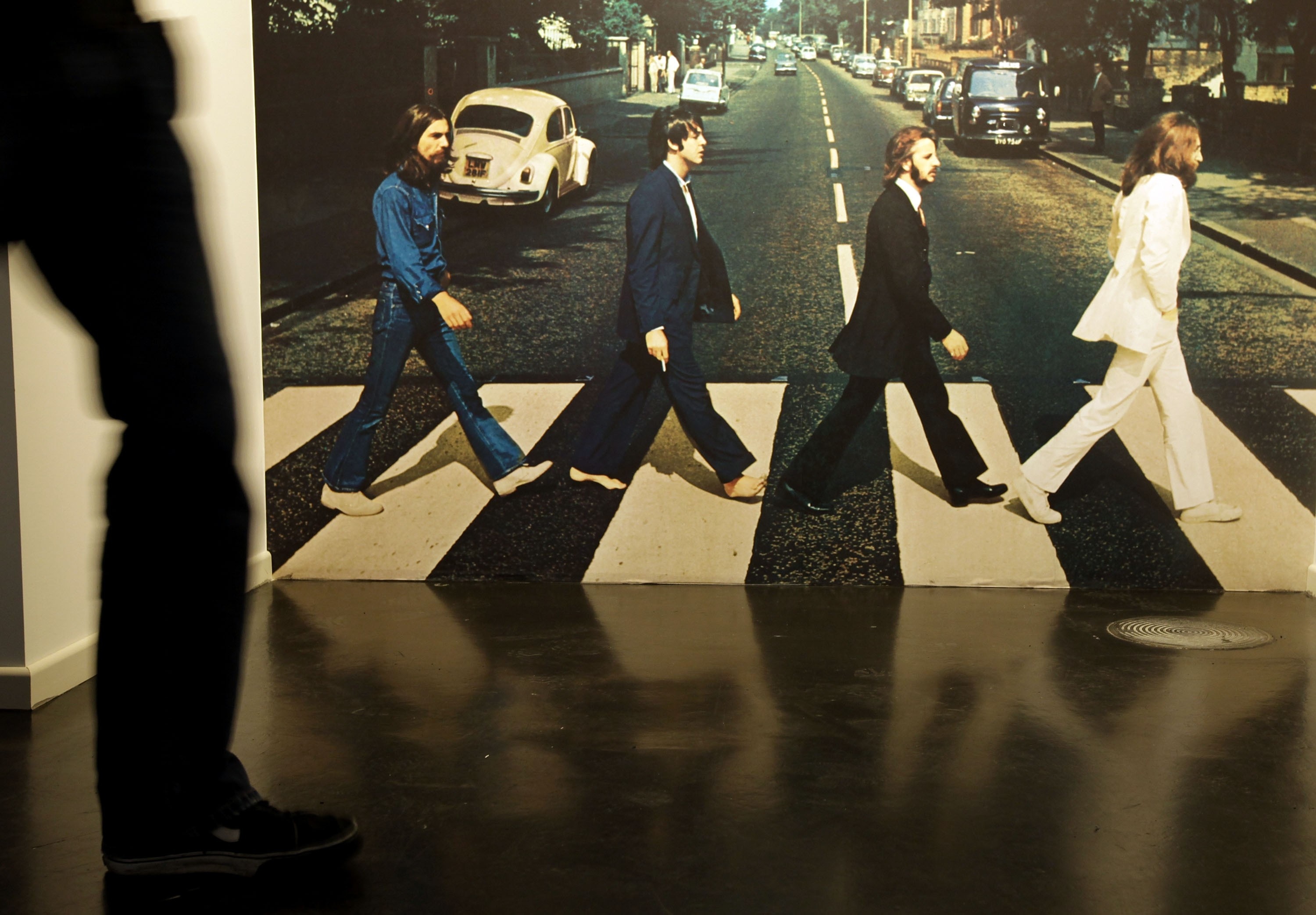
Last Words: Is ‘Abbey Road’ a fitting end to the Beatles?
In our previous explorations of famous “last words” — performances or compositions delivered with a certain end in view, with a sense of either culmination or parting, or with an eye to the future and hence to what one leaves behind — we limited ourselves to the words of individuals spoken to their followers or fellow-travellers.The words of the Prophet Muhammad and of Martin Lut

Does a ‘digital duty of care’ put free speech at risk?
Evidence has been mounting for more than a decade that social media tears away at the fabric of democratic life by eroding the conditions of deliberation, shared understanding and mutual trust; that it is the conduit of widespread misinformation, disinformation and malicious conspiracy theories; that it is a driver of hate, sexism and prejudice and has been used to incite violenc

Is loyalty a virtue?
It is surely one of the more perverse achievements of modern marketing to have taken words that have a certain moral valence — which is to say, words that connote intimacy or an interpersonal bond — and use them to describe purely commercial or easily exploitable forms of behaviour, thereby stripping those words of what made them valuable in the first place.Consider what the word
Live from the Festival of Dangerous Ideas: Does longevity threaten the future?
It is suitably ironic that one of the most poignant, and pertinent, moments in Homer’s The Odyssey was airbrushed out of Christopher Nolan’s blockbuster adaptation. The first time we meet Odysseus, the endlessly resourceful architect of the fall of Troy, he is indeed weeping on the shores of the nymph Kalypso’s island. But it is not due to the unrelieved guilt he feels from his w
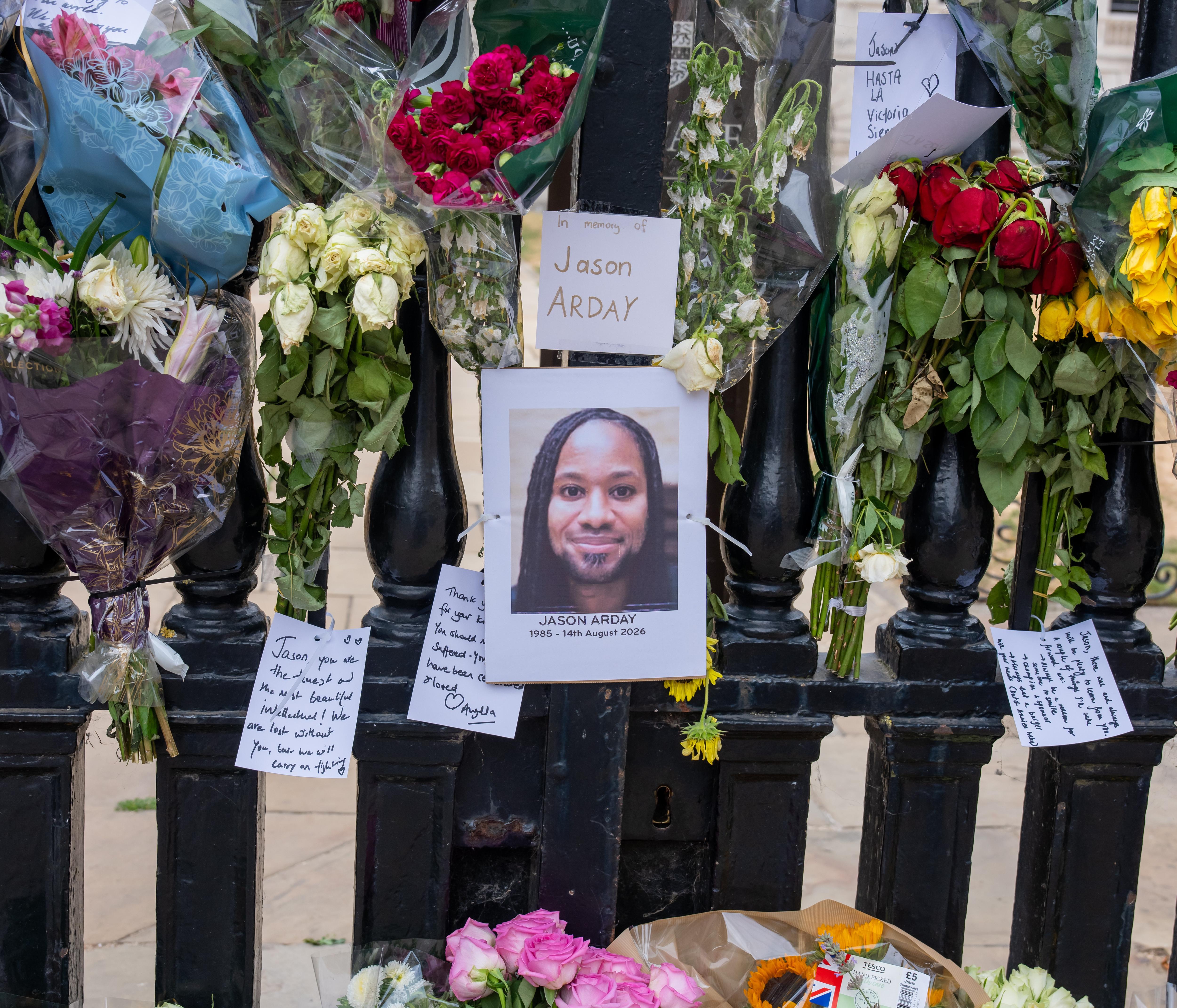
What response does Jason Arday’s life, and death, morally demand?
It is hard to imagine a series of events more tragic, more unseemly, more emblematic of the performativity and polarisation that dominate our time, than the premature rise, sudden fall and untimely death of Jason Arday.In 2023, the University of Cambridge announced that it had appointed Arday — a 37-year-old son of Ghanaian immigrants, who grew up in public housing in south Londo

Is opposition to data centres good news for democracy?
At a time of profound polarisation, when the fracturing of media ecosystems has been so complete that any agreement on threats to our common life seems impossible, an issue has emerged capable of bringing voters of every political persuasion together.Over the last year, popular opposition to the construction of the data centres in the United States has risen dramatically. Accordi
Should fat from cadavers be used for cosmetic procedures?
The widespread availability of GLP-1 based drugs has been lauded as a “revolution in weight loss” and as inaugurating the “end of obesity”. As we’ve discussed previously, health benefits aside, there are concerns that such weight-loss drugs don’t just leave certain cultural assumptions about beauty and body size unchallenged, but in fact reinforce a kind of cultural aesthetic hie
How to protect democratic politics from the malign influence of money?
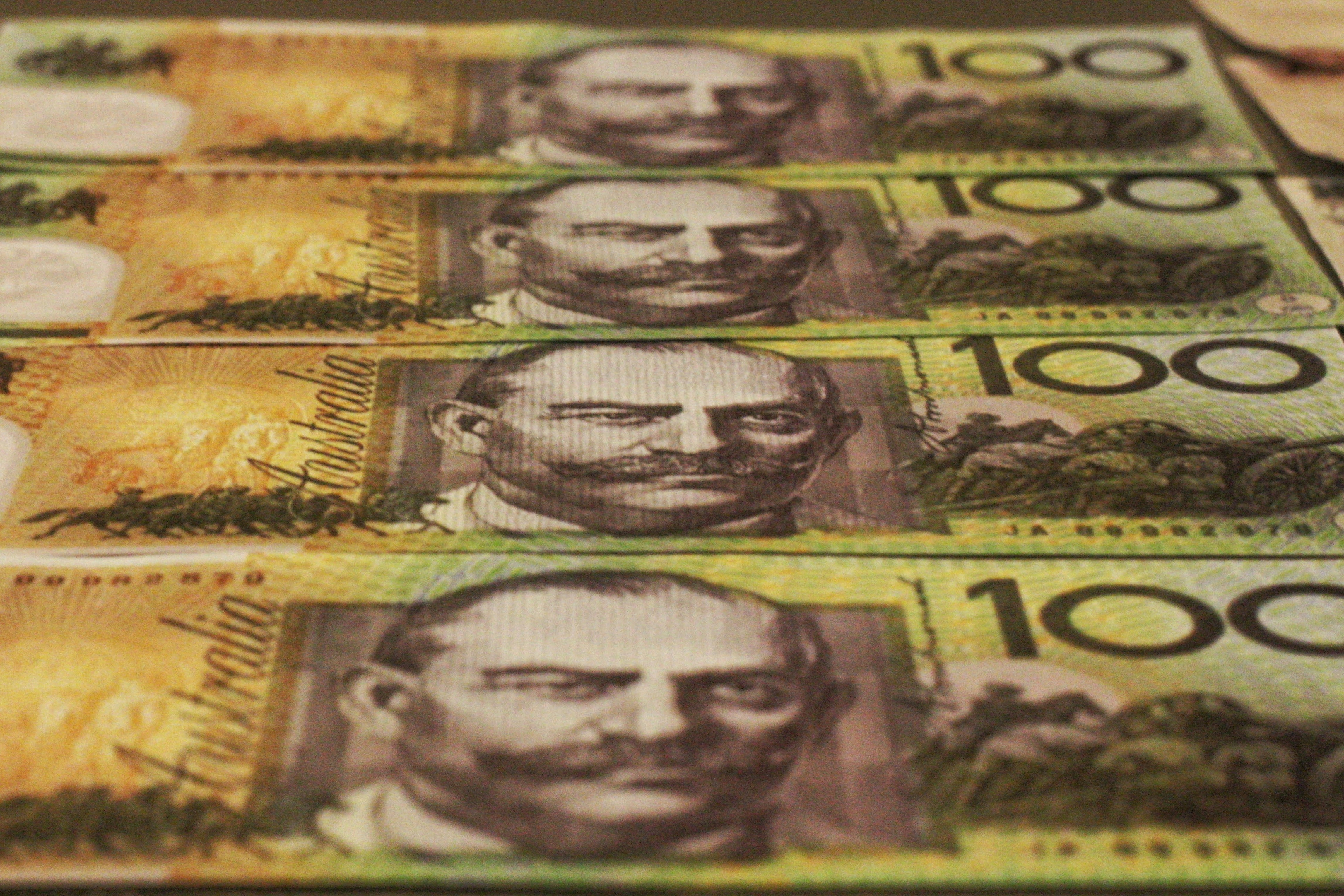
Ever since Aristotle, it has been recognised that money poses a particular threat to the integrity of political office. Ever the realist, Aristotle knew that those who seek political office are invariably motivated by a certain ambition (philótimo). Though not problematic in itself, but when combined with avarice (philochrematía) it can give rise to a form of corruption as corros
What happens to our moral lives when we stop reading books?
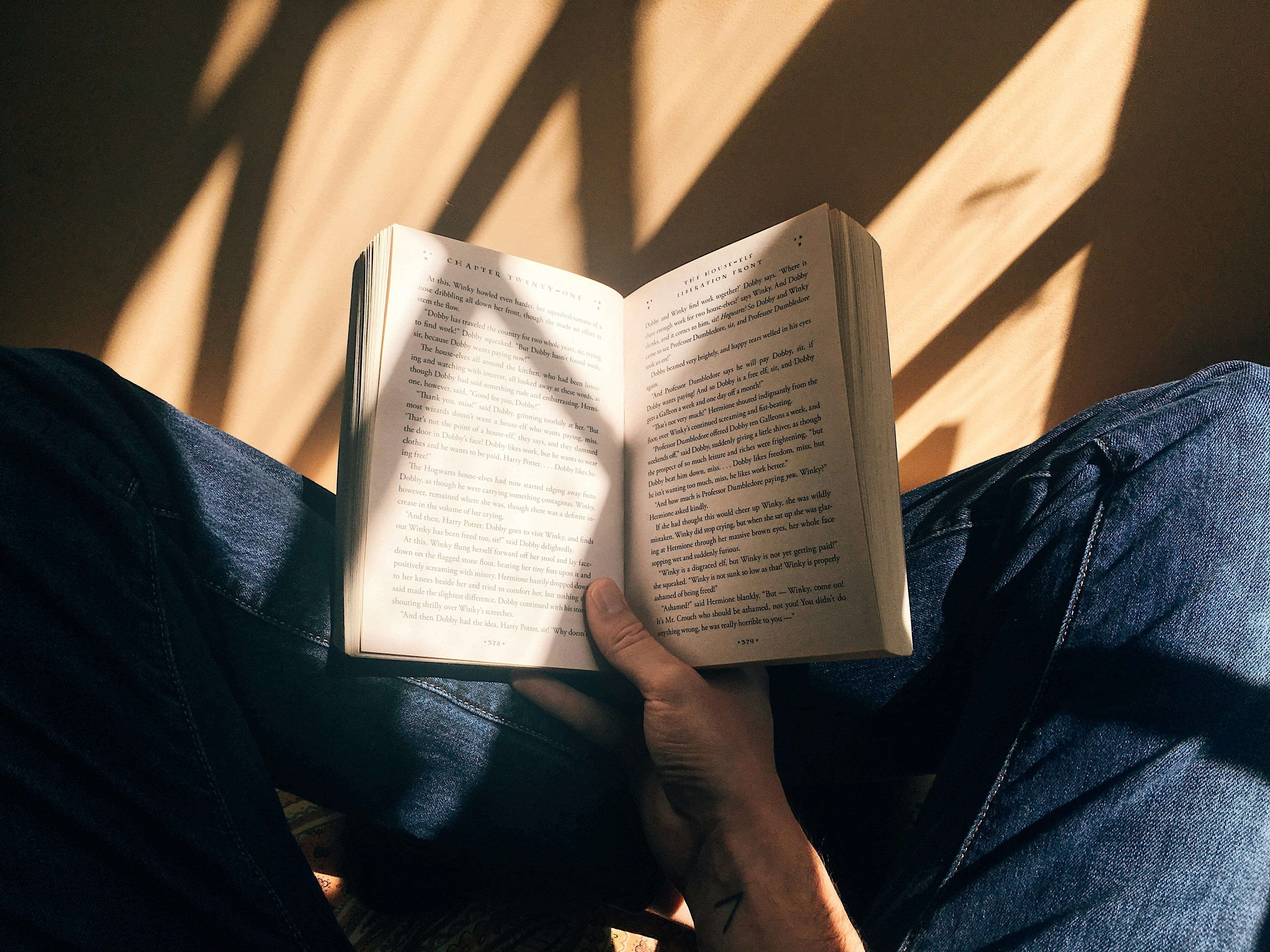
According to every available metric, the number of people who read books across almost every demographic in countries like Australia and the United States has fallen precipitously over the last fifteen years. Whether it be for enjoyment or edification, reading books is no longer something many of us choose to do. As Rose Horowitch writes in her recent cover story for The Atlantic
Do prediction markets enhance our understanding of the world or corrupt it?
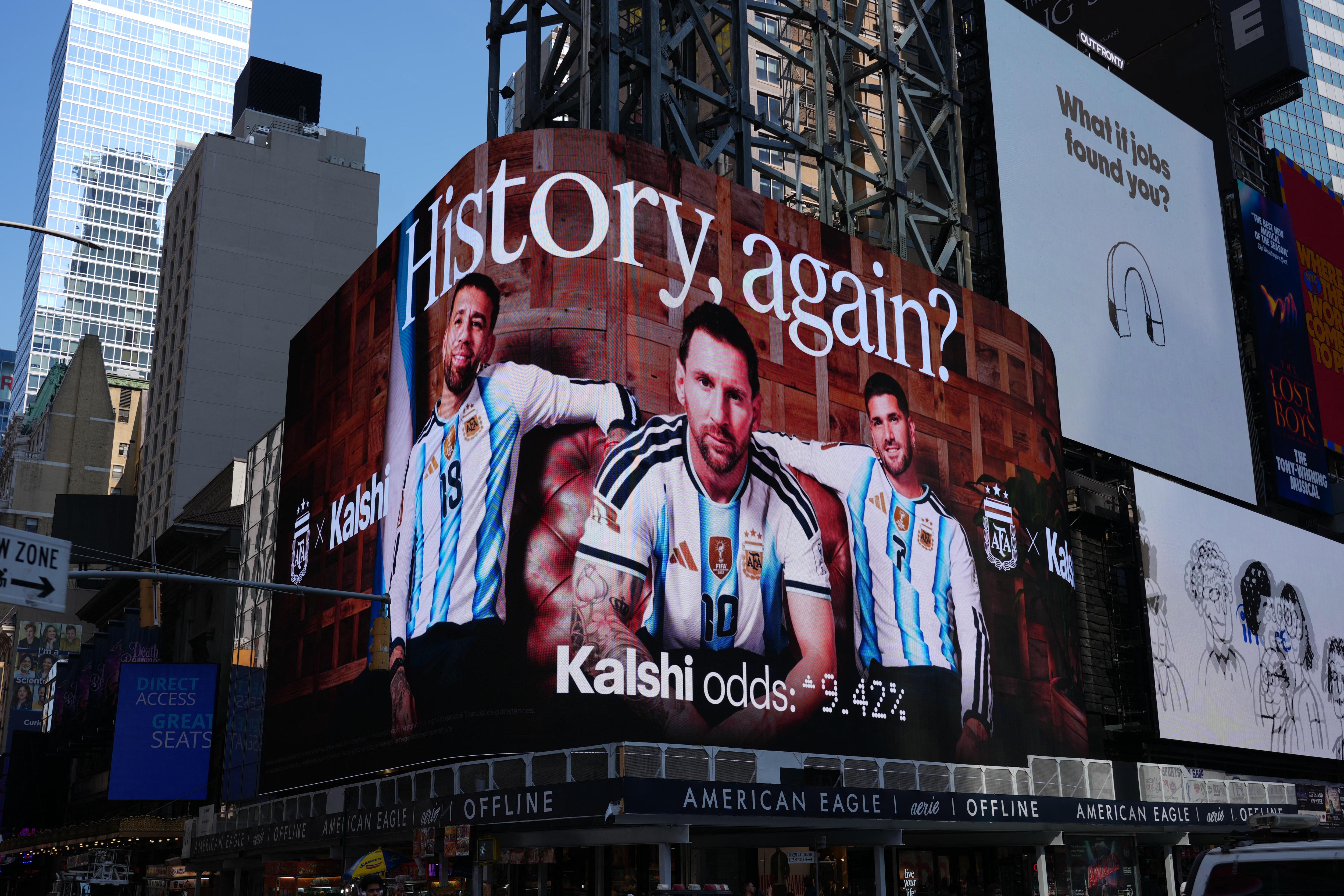
Even for those who don’t gamble, the exponential growth of online sports betting since 2018 has made it impossible to avoid. Not only have odds and ads been seamlessly integrated into sports broadcasts, but the language of betting has now become pervasive in sports commentary. Thanks to ease of access through mobile technology and their relative value as ready-made “content”, spe
‘The Devil Wears Prada’ — high fashion or vision of hell?
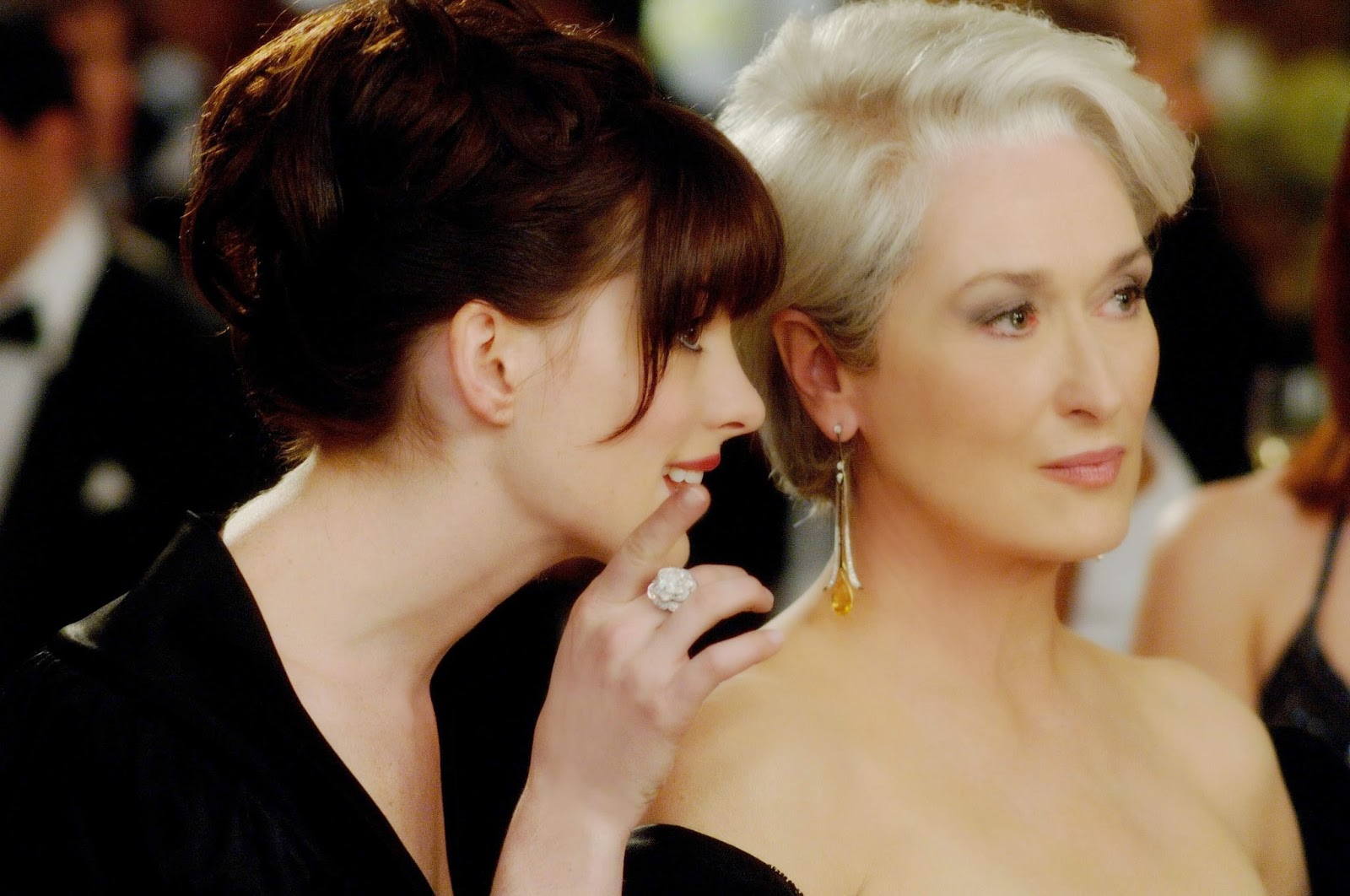
It’s no mystery why David Frankel’s 2006 film The Devil Wears Prada was a hit. The movie had all the ingredients of a certain kind of success. Take a bestselling novel (by Lauren Weisberger) about a midwestern girl trying to make it in the big city, place it in the hands of a screenwriter known for broadly appealing rom-coms (Aline Brosh McKenna), cast a much-loved screen legend
Copyright theft is AI’s original sin — are we doomed to repeat it?
Essential to the profitability and widespread adoption of modern technologies is the need to conceal their costs — the human labour, the unjust or exploitative working conditions, the environmental degradation and drain on natural resources, the reduction of precious goods to mere ‘raw material’. By means of such concealment, those who enjoy the conveniences these technologies af
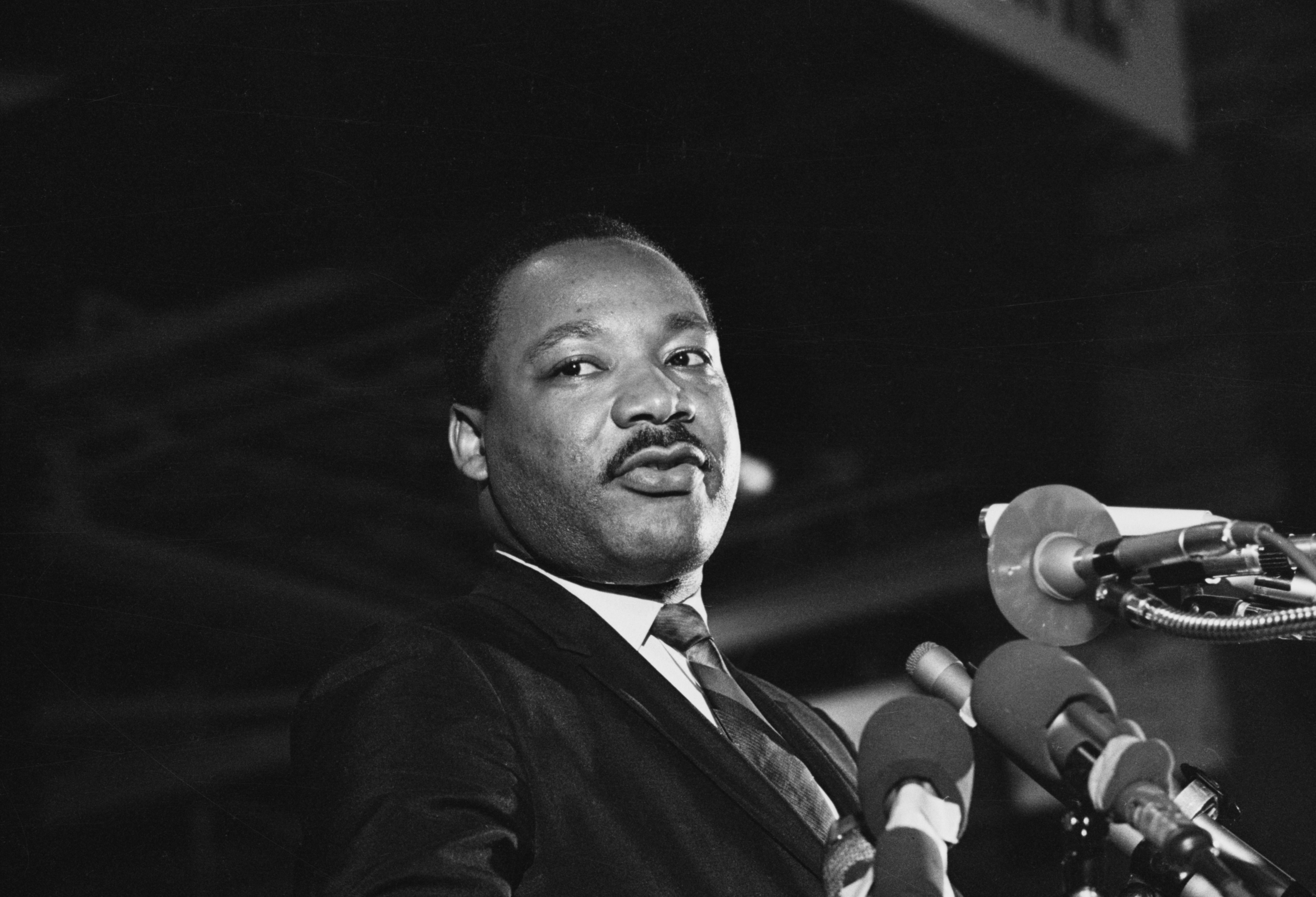
Last Words: ‘I’ve Been to the Mountaintop’ — Martin Luther King, Jr in Memphis
In 1967, after reaching the heights of social and political influence in 1963, after being awarded the Nobel Peace Prize in 1964, and having been instrumental in the passage of the Civil Rights Act in 1964 and the Voting Rights Act of 1965, Martin Luther King, Jr watched his popular support fall precipitously away. He had reached the lowest point of his life on the public stage,
Why the anxieties over multiculturalism? What’s the appeal of a monocultural society?
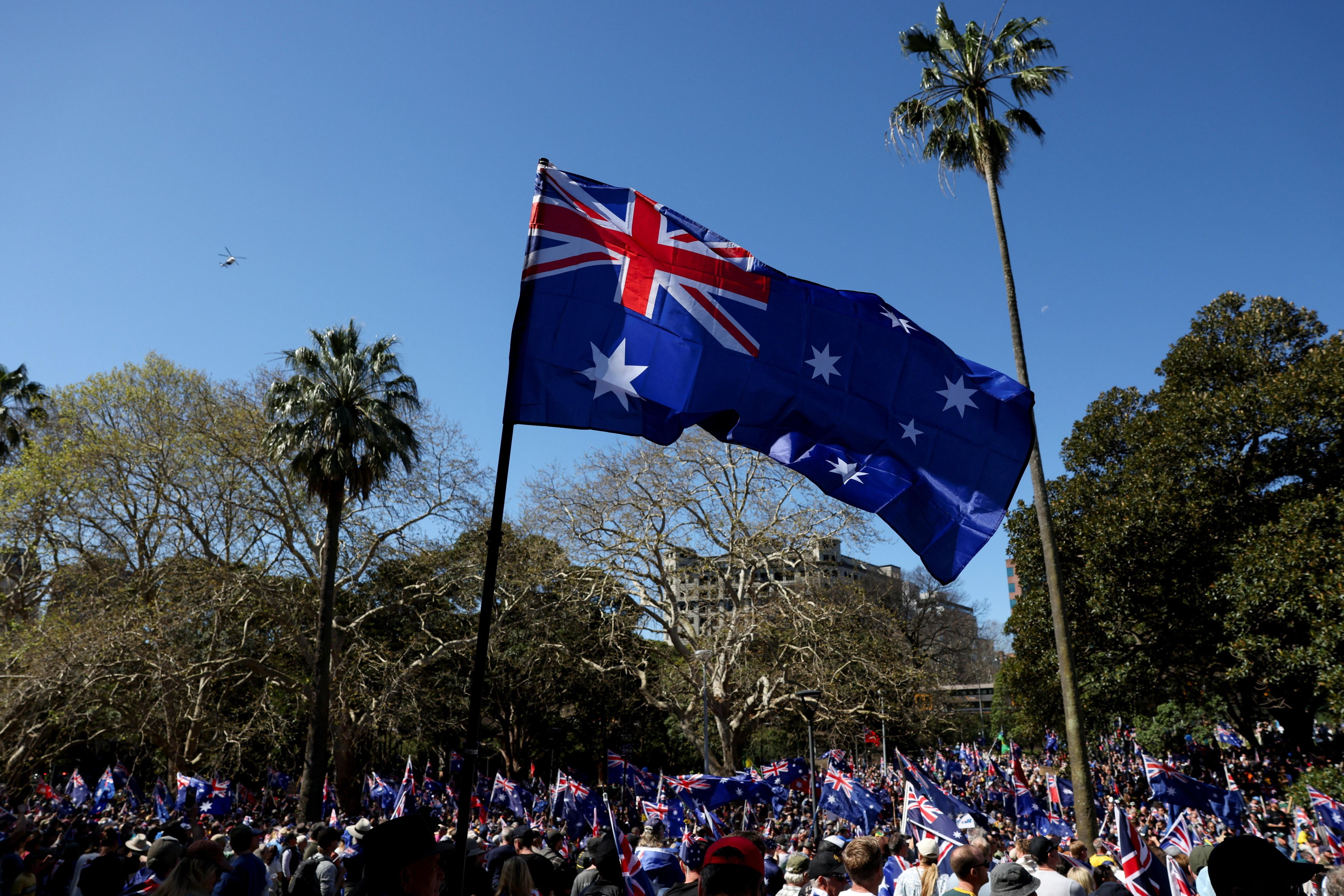
If One Nation leader Pauline Hanson managed to reignite a public debate with her assertion that Australia is “a multiracial society, but we must be monocultural” during her address last week to the National Press Club, it is only because certain anxieties over multiculturalism have long been smouldering in the social undergrowth, just waiting to be fanned into flame.The question
One Nation is on the rise — but do we know what it means?
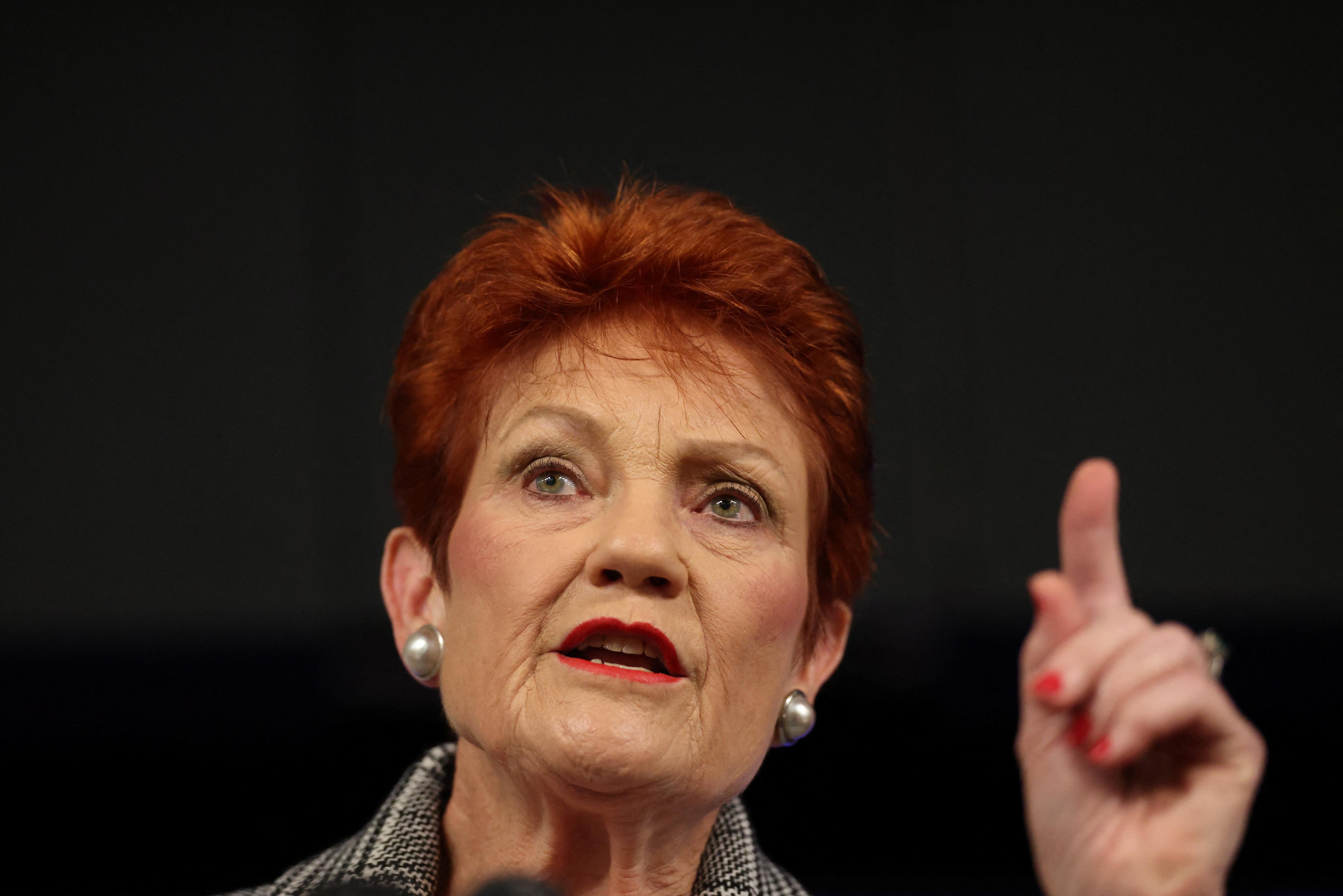
Over the last twelve months, there have been two conspicuous trends in federal politics. One is the precipitous decline in electoral support for the Liberal Party, which began before last year’s federal election and has continued apace ever since. The other is the rise in One Nation’s electoral fortunes, which began to tick upwards in September but then took a leap in December an

The ethics of ‘longtermism’ — what are our obligations to the future?
One of the criticisms often directed at democratic politics is that it is irresponsibly, even dangerously, short-term in its orientation. The wellbeing of future generations, to say nothing of the sustainability of the planet, rarely matter more to lawmakers than the cost-of-living pressures experienced by their constituents or the outcome of the next election cycle. Short-termis
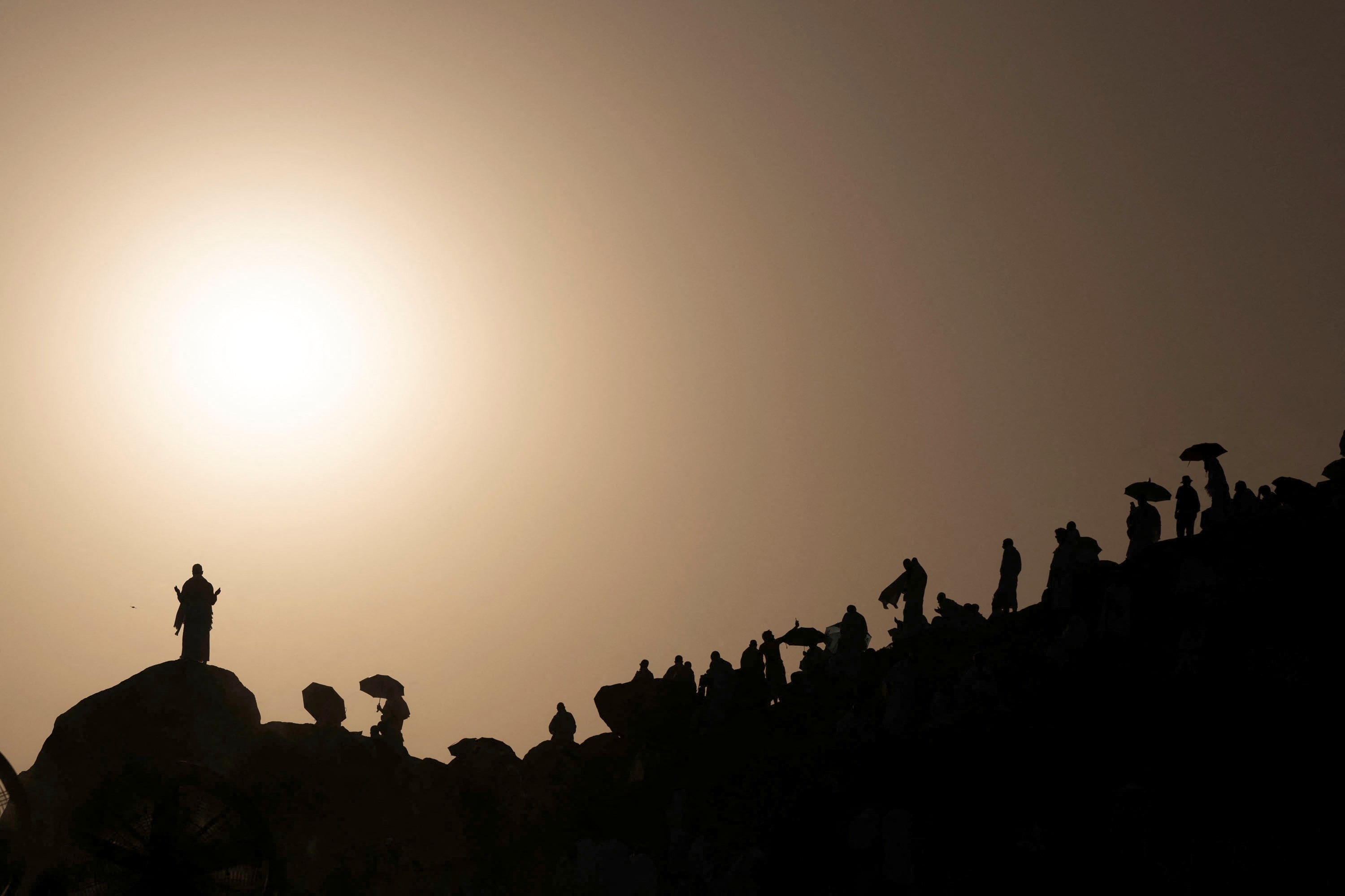
Last Words: The ‘Farewell Sermon’ of the Prophet Muhammad
It could be said that human beings reveal who they most truly are as they approach the end. For the end of one’s life is not simply its terminus ad quem; it is also its telos, its goal or meaning. A life that has been lived in the thrall of egotism, whose fundamental pursuit has been the safeguarding and satisfaction of the self, will almost certainly, at the end, turn inward upo
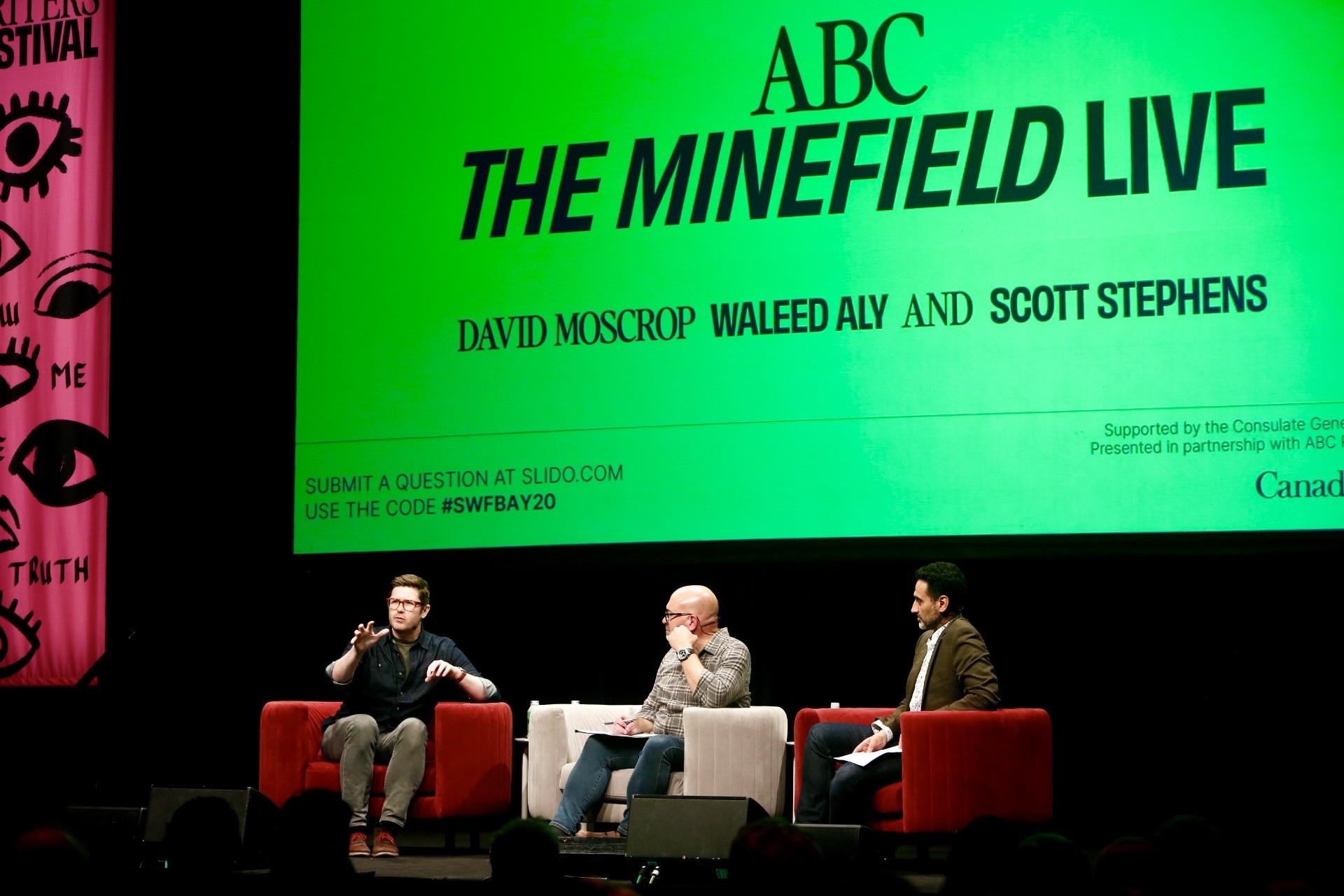
The Problem of Nationalism, with David Moscrop — Live at the Sydney Writers’ Festival
It’s common these days to refer to “the return of nationalism”. But that assumes that nationalism receded for a time, like the tide, and here the world is, now, getting its pants legs wet. Such an assumption misunderstands the peculiar character of nationalism. It would be better to think of it as a swell, as a political phenomenon that periodically gathers power and force, that
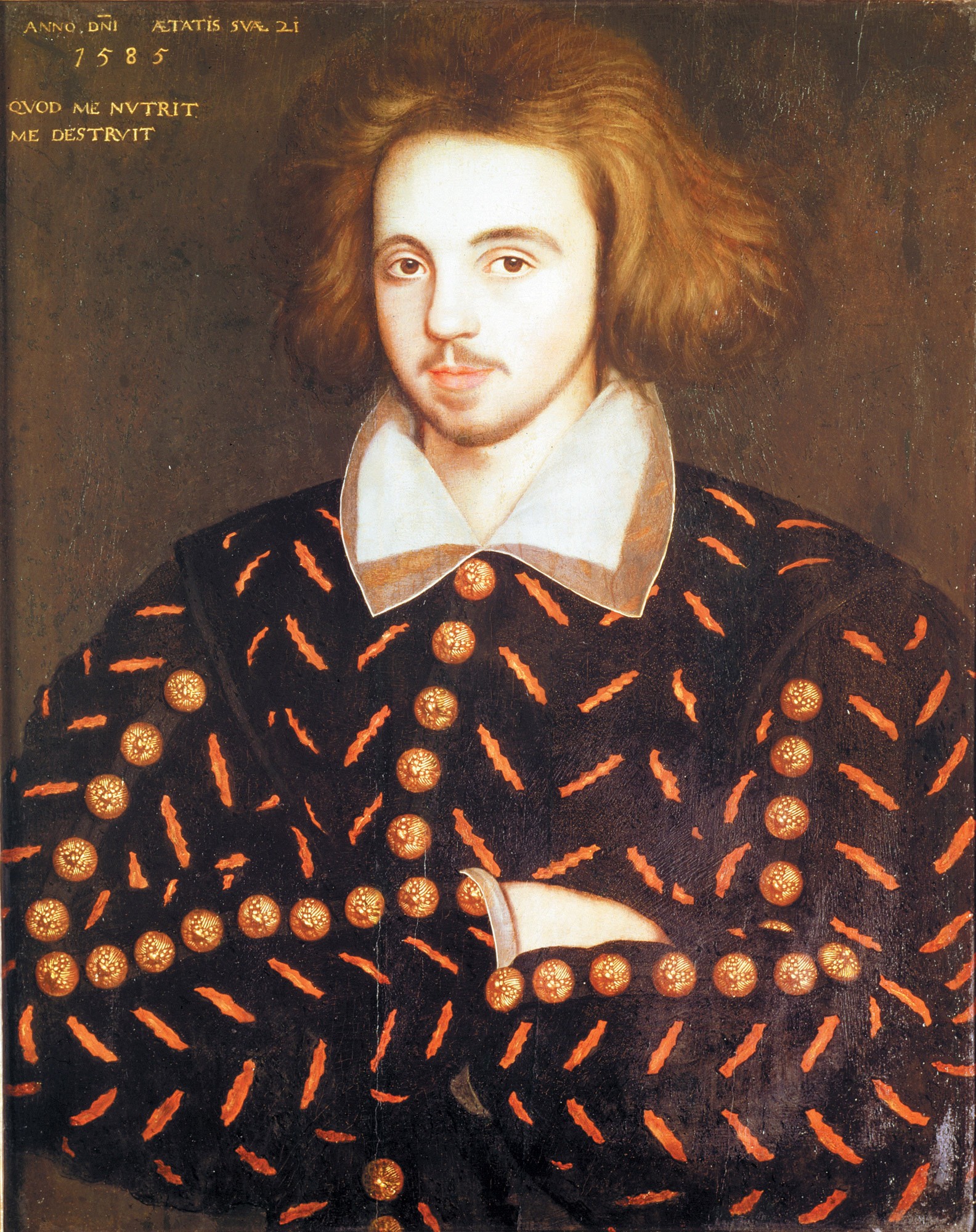
What is the moral of Marlowe’s ‘Doctor Faustus’?
There are four stories that could justifiably be described as foundational to Western culture: the temptation of Eve in the Garden of Eden; Prometheus’s gift of fire to humanity; Doctor Faustus’s pact with the devil; and Victor Frankenstein’s act of monstrous creation.Not only are the principal names immediately evocative to anyone who hears them, but that recognisability allows
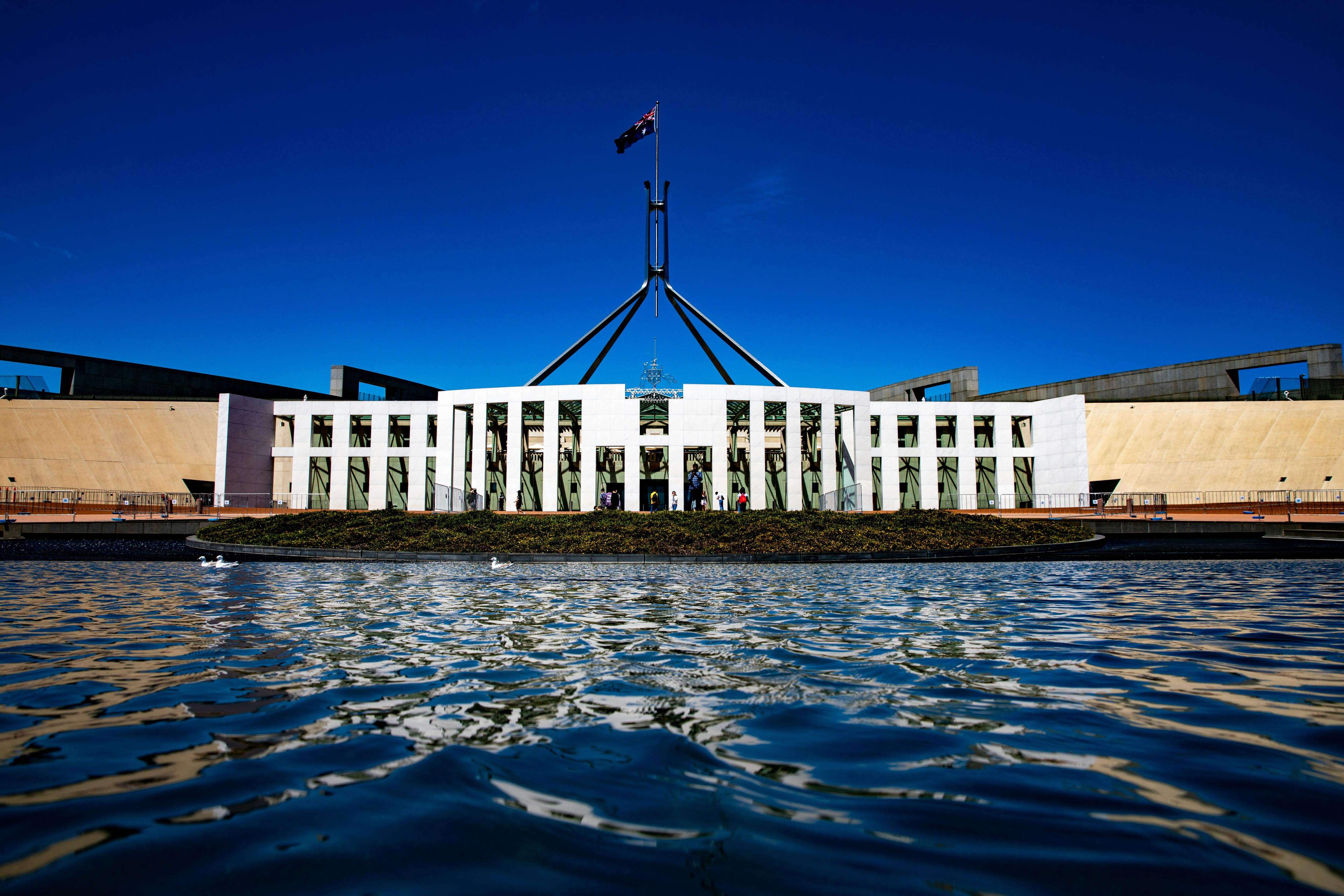
Does the budget have a coherent underlying philosophy?
The federal budget is, in many respects, the high point of Australia's political calendar. This federal budget is no exception. The public had been primed for weeks to expect a series of significant reforms this year. But it is striking how little there is in the budget by way of direct social benefit.The budget is broadly redistributive — it removes certain tax concessions that
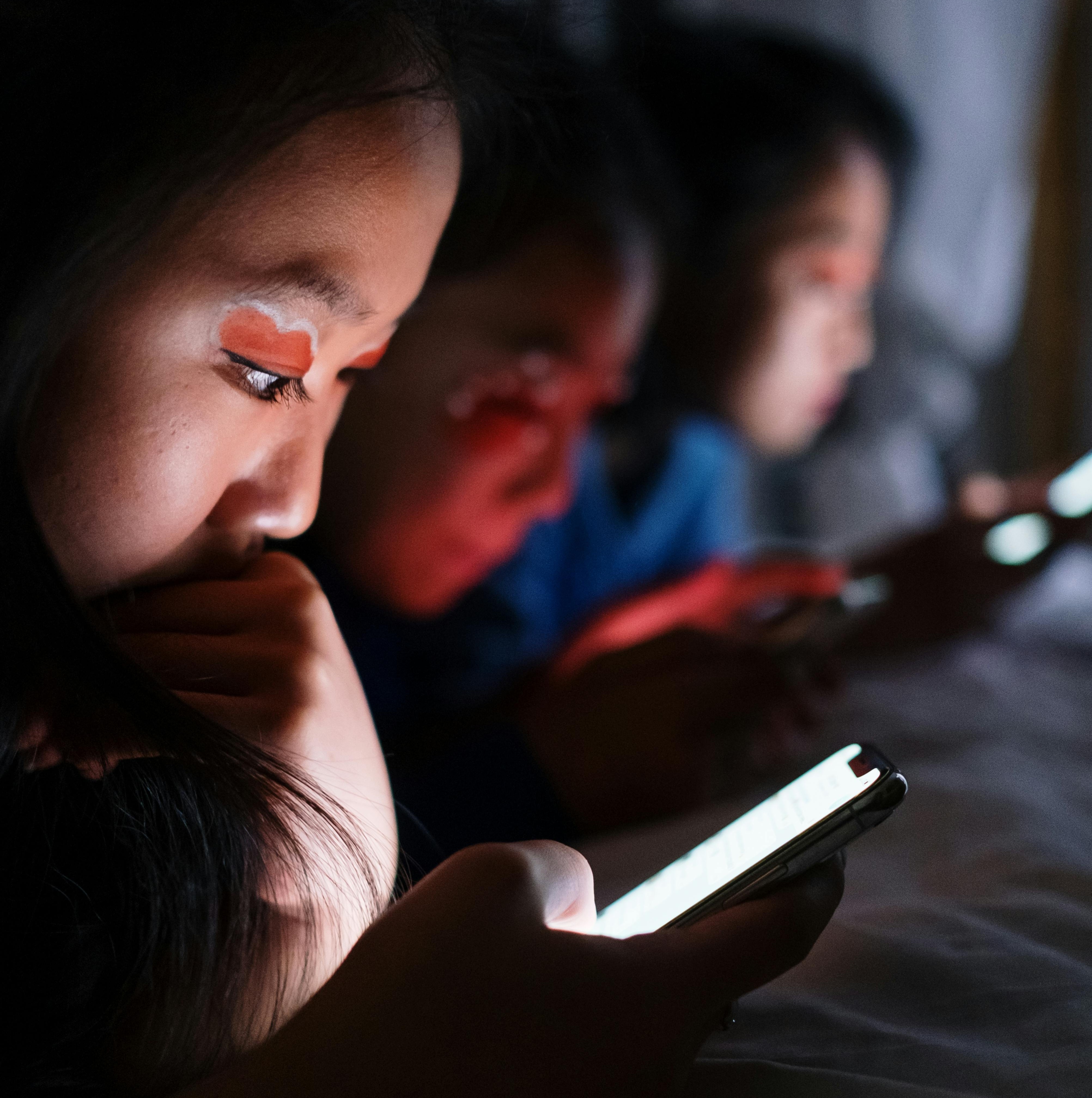
Are ‘reaction videos’ dulling our ability to be genuinely responsive?
One of the by-products of digital technology’s pervasiveness in our lives is its seeming irresistibility. However much we try to remain conscientious objectors, to resist its allure, its promises of convenience and casual pleasures, to keep some part of our inner lives free of its influence, we soon discover that it is of the essence of new technological forms to exceed their bou

NDIS reforms may be necessary, but they’re also morally fraught
In a speech to the National Press Club, Health Minister Mark Butler announced a series of sweeping changes that the federal government will make to the National Disability Insurance Scheme (NDIS).In the thirteen years since it was legislated, the growth of the NDIS has surpassed all expectations. By 2030, the Productivity Commission projected that the scheme would cover around 55
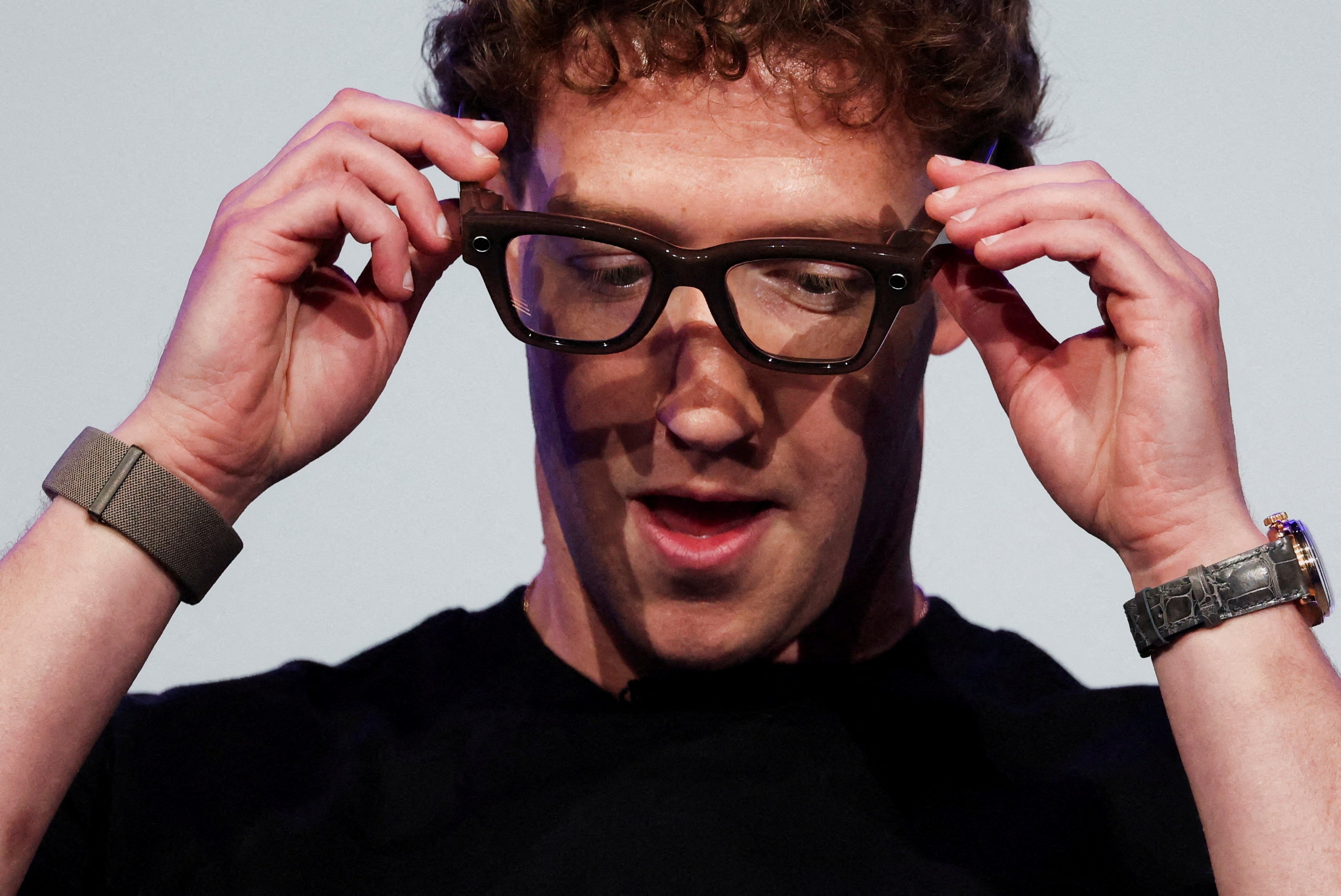
Smart glasses — a new frontier of foreseeable digital harm?
There has long been a gap between the emergence of new forms of technology and the development of laws designed to mitigate their dangers. But with the rapid advances in artificial intelligence and immersive technologies, that gap is becoming increasingly problematic.Take the example of wearable technology, such as smart glasses. Companies like Meta, in particular, have poured va
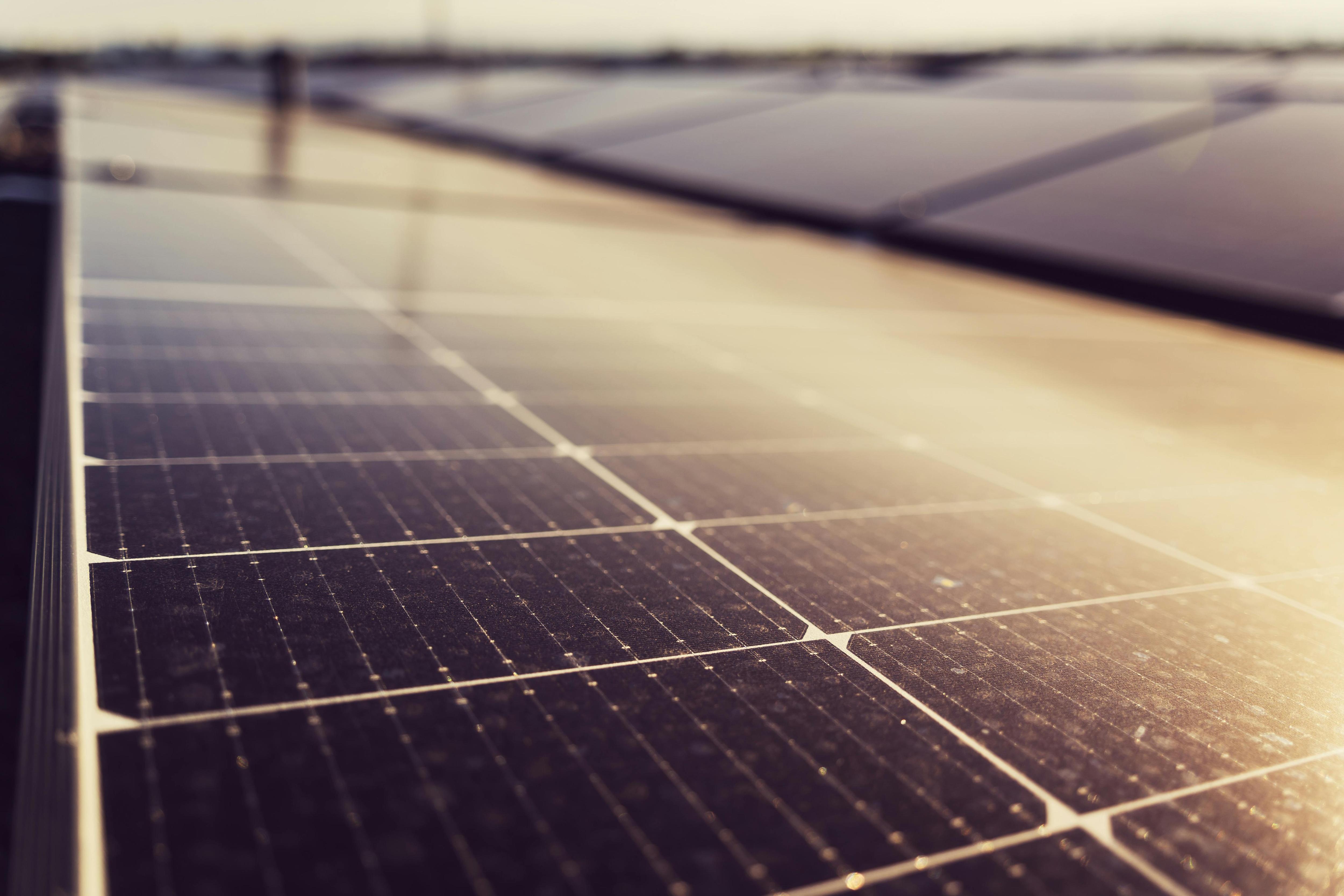
The price of sovereignty: Are we prepared to pay more for less vulnerability?
Ever since the eighteenth century, there has been a prevailing belief that mutually beneficial commercial relationships between nations provide a powerful disincentive to international conflict.Montesquieu perhaps put it best in his Spirit of the Laws (XX.1-2):“Commerce cures destructive prejudices, and it is an almost general rule that everywhere there are gentle mores, there is
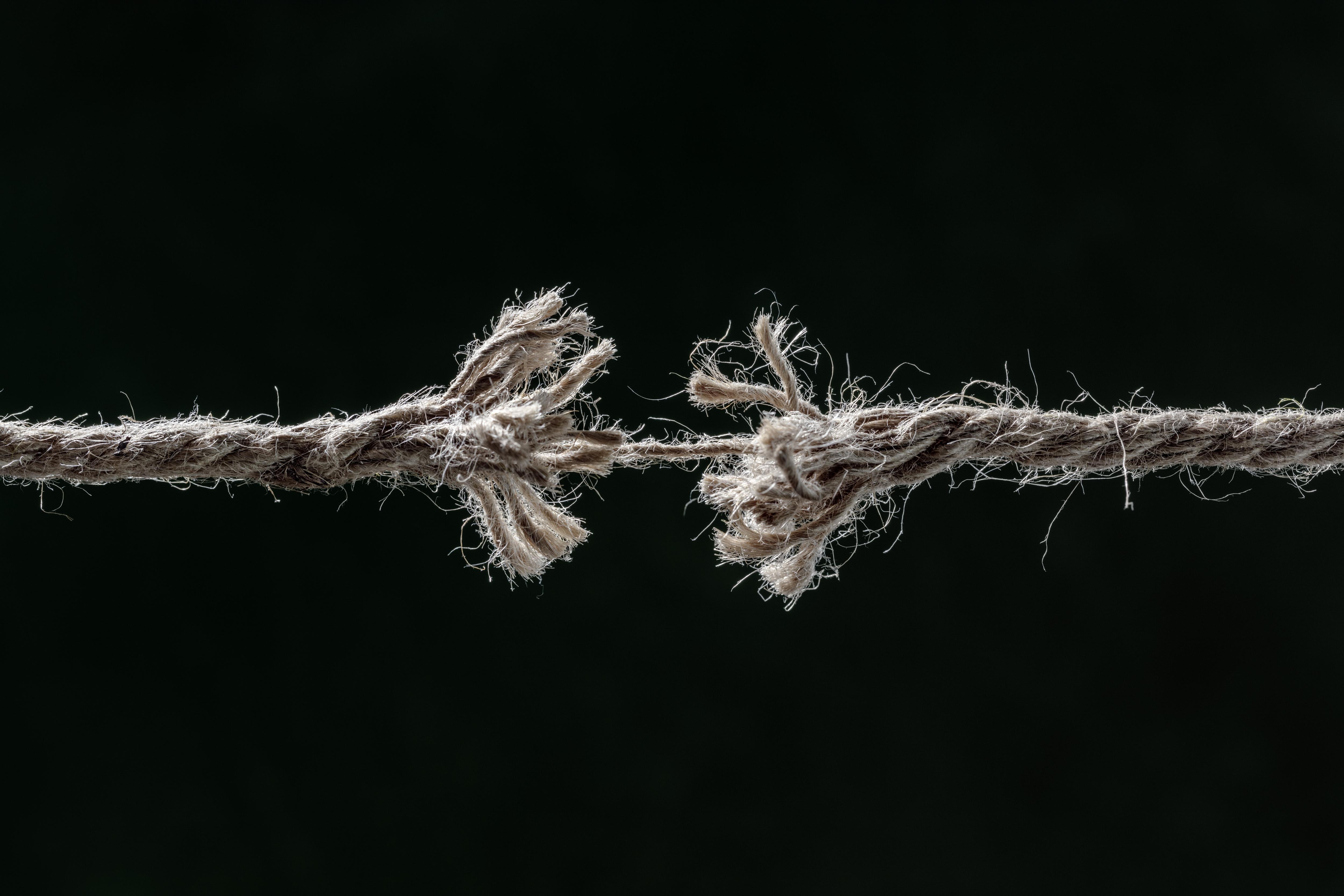
Social cohesion is straining — can citizens’ assemblies help?
There is a thread that’s been left dangling from our show at the end of last year on Ambrogio Lorenzetti’s fourteenth century “Allegory of Good and Bad Government”, painted on the walls of the Sala dei Nova in Siena’s Palazzo Pubblico.The dominant figure of Justice sits on the left side of the central mural. She has her thumbs on two scales to hold them in balance, with angels on
Why do democracies seem so fragile in the face of shortages?
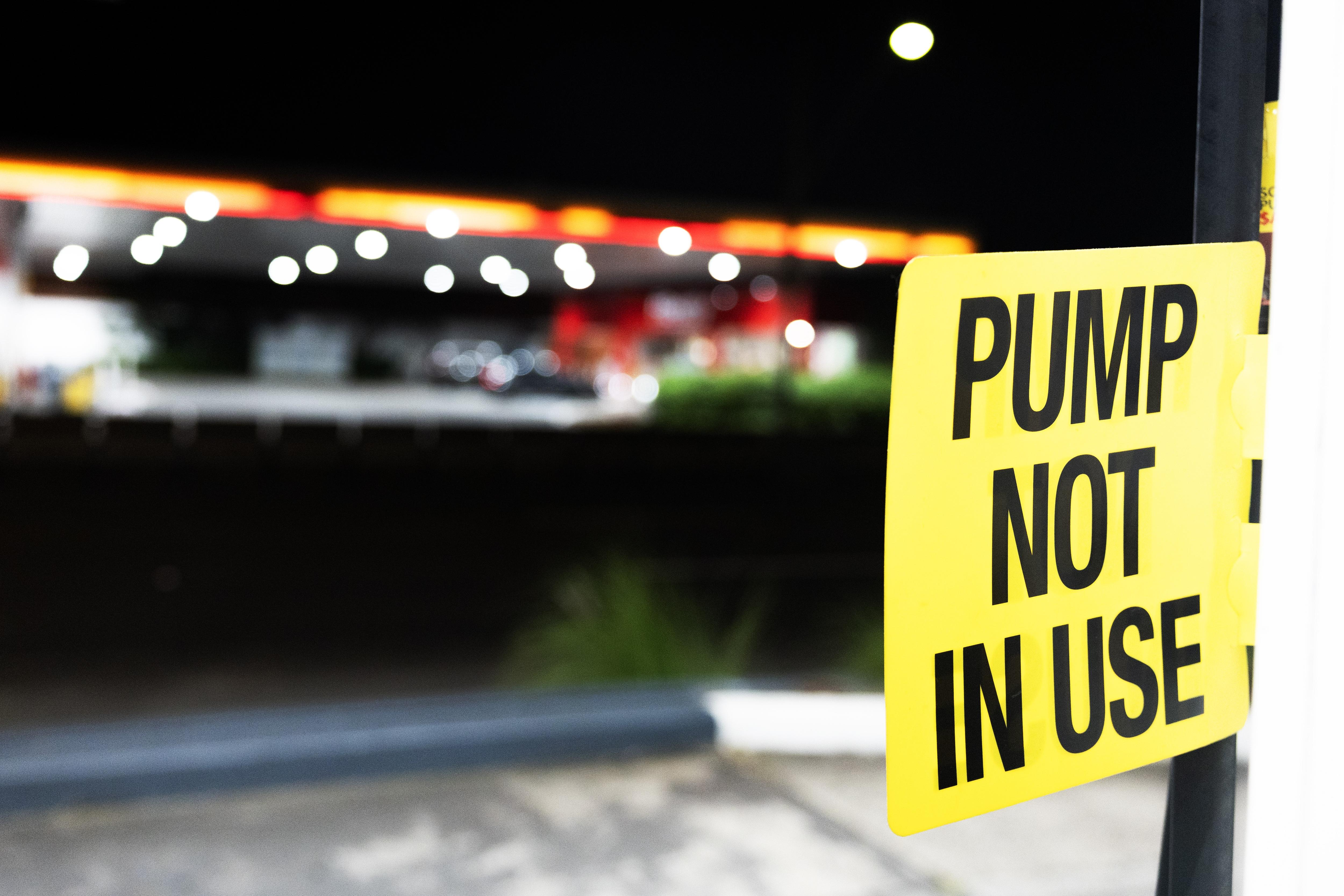
Within days of the commencement of the war that has enveloped the Middle East — and that continues to severely disrupt global energy supplies — a familiar pattern began to emerge in some of the world’s most prosperous democracies. Much as they did at the outset of the pandemic, people began stockpiling. Then, it was toilet paper and food; this time, it’s fuel. In cities across Au
Why Autocracy Needs Spectacle — with M Gessen
One of the words we use to describe political authority gone wrong is "autocracy": which is to say, the concentration of power in a unitary figure who then exercises that power without countervailing constraints and for its own sake. To borrow an expression of St Augustine, autocracy is a form of political authority that curves in on itself.Because most citizens have a clear sens
Can illegal wars still be legitimate wars?
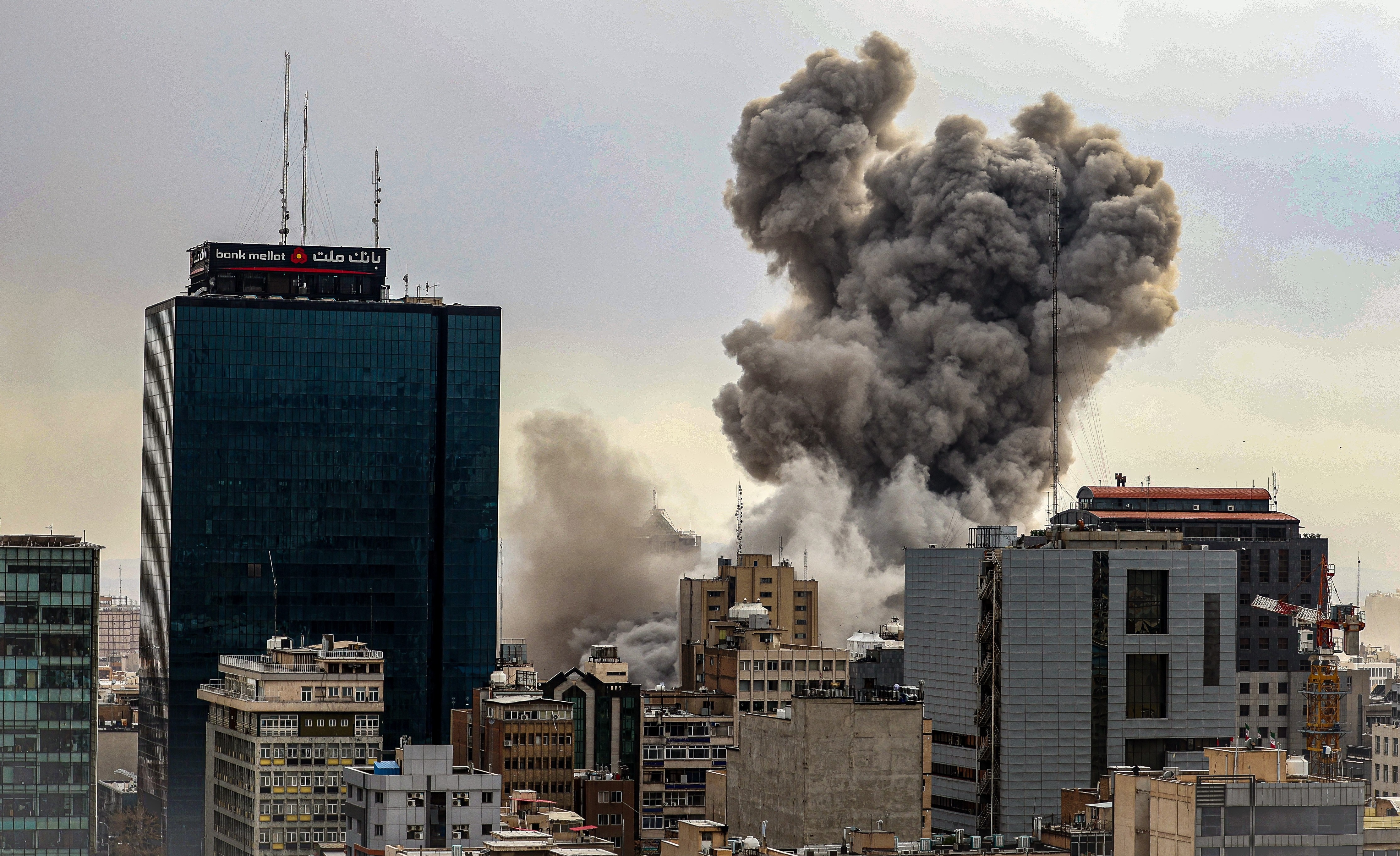
It’s like déjà vu all over again. After launching a devastating but limited series of strikes on Iranian nuclear facilities and against the nation’s top military leaders and nuclear scientists in June last year, the United States and Israel recommenced hostilities against Iran at the end of February.The objectives of this ‘war’ are similar — to eliminate Iran’s nuclear capabiliti
Ramadan: Politics Straight from the Heart — with Christos Tsiolkas
If there is something inherently suspicious about political appeals to “the heart” — which is to say, attempts to exploit unreflective prejudices and reactive emotions — then it is also true that a form of politics that is unresponsive to heart-felt appeals to a common humanity, to compassion, to decency, is dangerous.How can we maintain the precarious balance between a politics
Ramadan: ‘Do Not Harden Your Heart’ — with Avril Alba
Over the course of this Ramadan series, we are exploring the contours of a cardiocentric conception of the moral life. The notion of the primacy of the heart goes back three millennia: it finds expression in the ancient cultures of Mesopotamia, Egypt and China, and in the philosophy of Aristotle; it pervades the pages of the sacred texts and subsequent traditions of Judaism and I
Ramadan: Having a ‘Change of Heart’ — with Claire Zorn
Sometimes the language we use every day, often unthinkingly, contains within it traces of a much older wisdom. Consider the phrases “I’ve changed my mind” and “I’ve had a change of heart”.The first thing to notice is activity described by the verbs: one is something that we do — as the result of learning new information, or having experiences that alter our values or view of the
Ramadan: The Heart and the Moral Life — with Stephen Darwall
Judging by the way we use the word in everyday speech, we intuitively know what we mean when we refer to “the heart”. We are most often gesturing toward the essence of a thing, its core, what you reach once you strip everything non-essential away.That idea is very much in keeping with what we do each year during the month of Ramadan: we try to put wider concerns and contentious d

What can headcoverings teach us about individuality, dignity and modesty?
One of the most unyielding aspects of life in the modern West is, perhaps, the ultimate value that we’ve come to accord to appearance. It is as though our essence, all that matters most about us as human beings, lies on the surface: our soul resides in our skin; how we look reveals who we truly are.Over the last three decades, this has become especially pronounced through our var
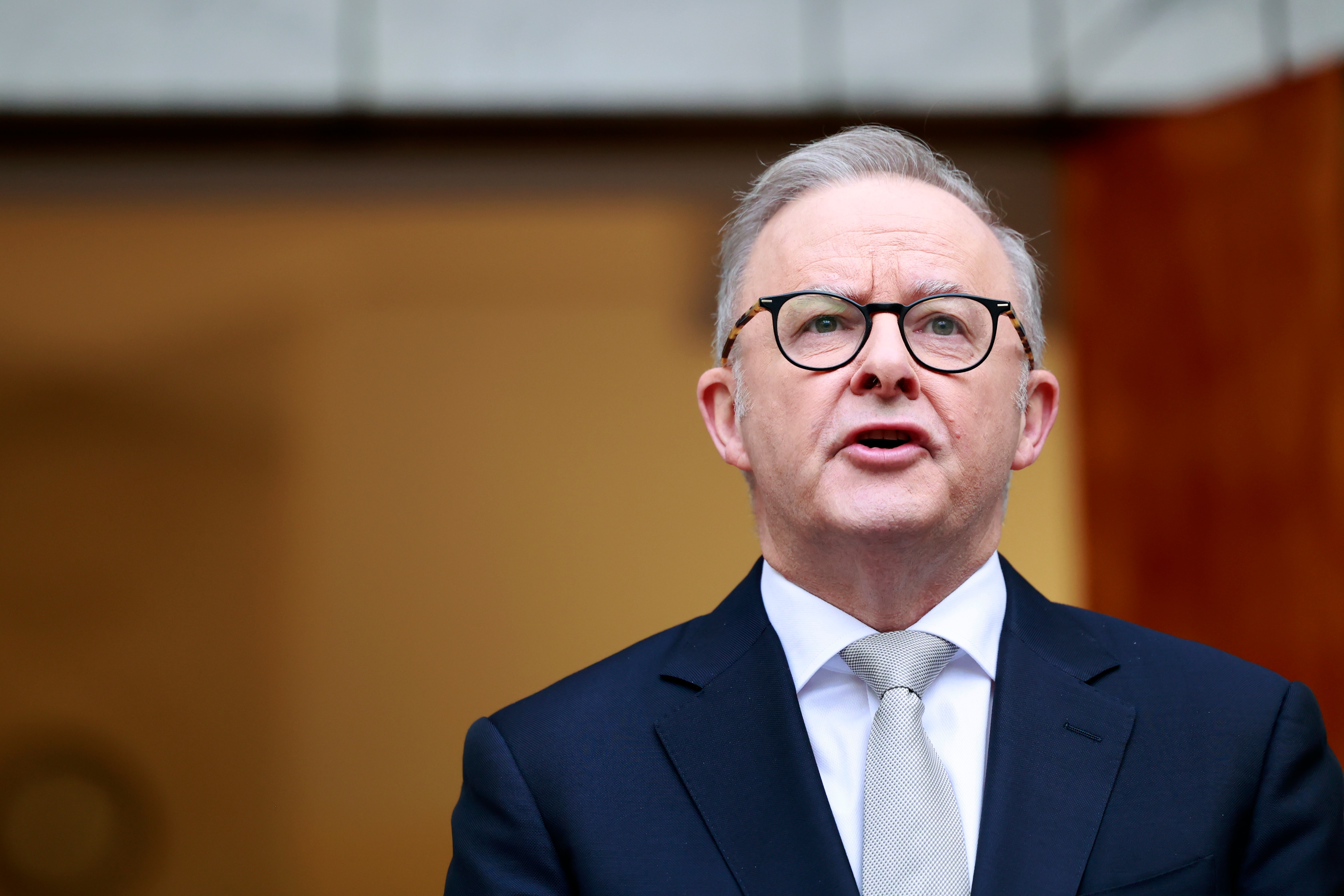
Can political moderation survive in an age of grievance?
One of the common laments we heard last November, as Australia marked the fiftieth anniversary of the dismissal of the Whitlam government, was that Australian politics has lost its ambition — that the Labor Party, in particular, no longer had the stomach to take big risks and pursue sweeping reforms. The very act of celebrating the audacity of Gough Whitlam, it seemed, was design
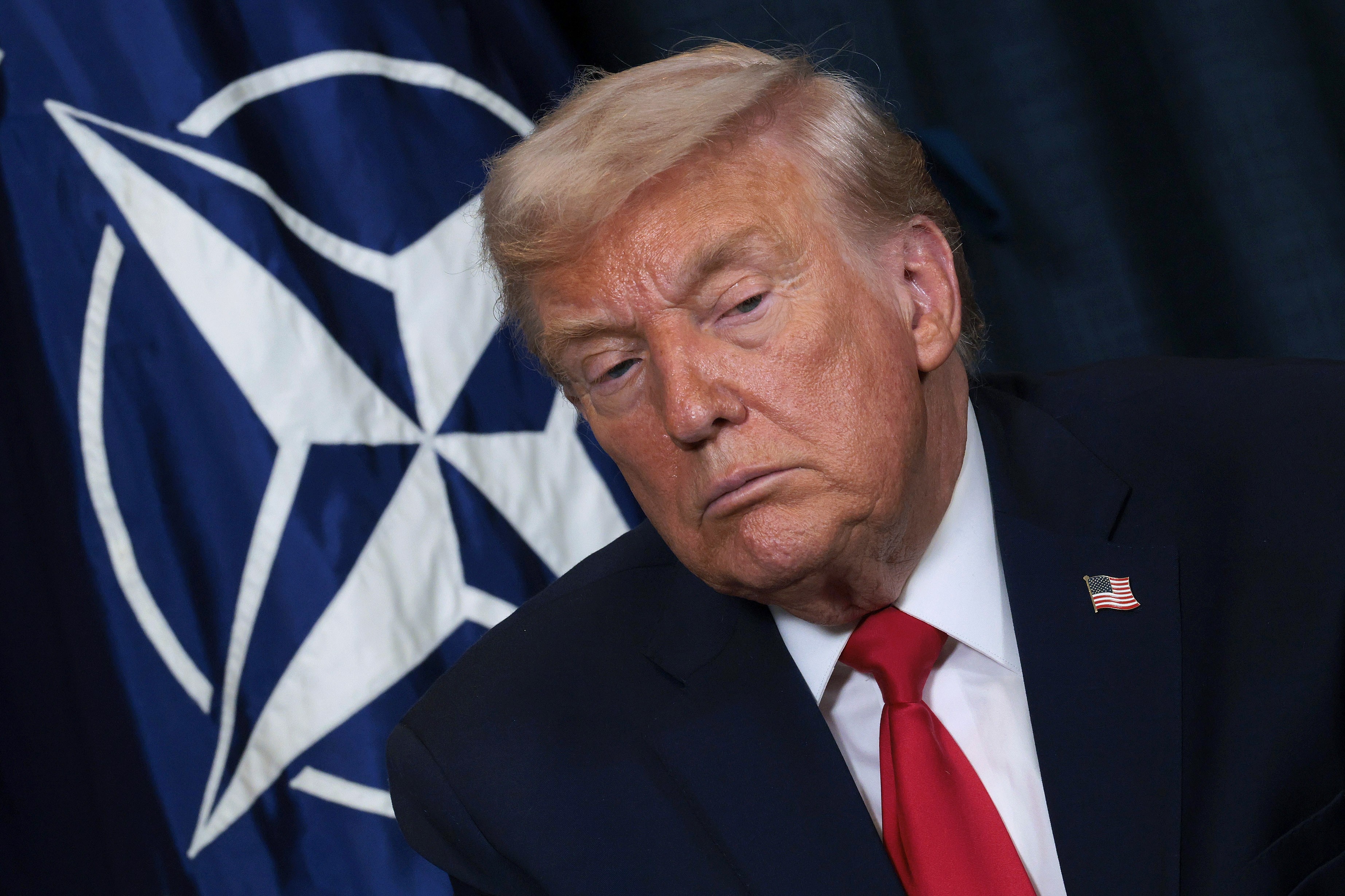
From Venezuela to Greenland — how to respond to Trump’s territorial ambitions?
If there is a single adjective that captures the difference, both in tone and in action, between Donald Trump’s first presidential term and his second, it’s “unconstrained”.Whatever limits might have been placed on his conduct, his designs, his instincts during his first administration — legal, congressional, electoral, conventional — now seem to have fallen away, leaving Trump e
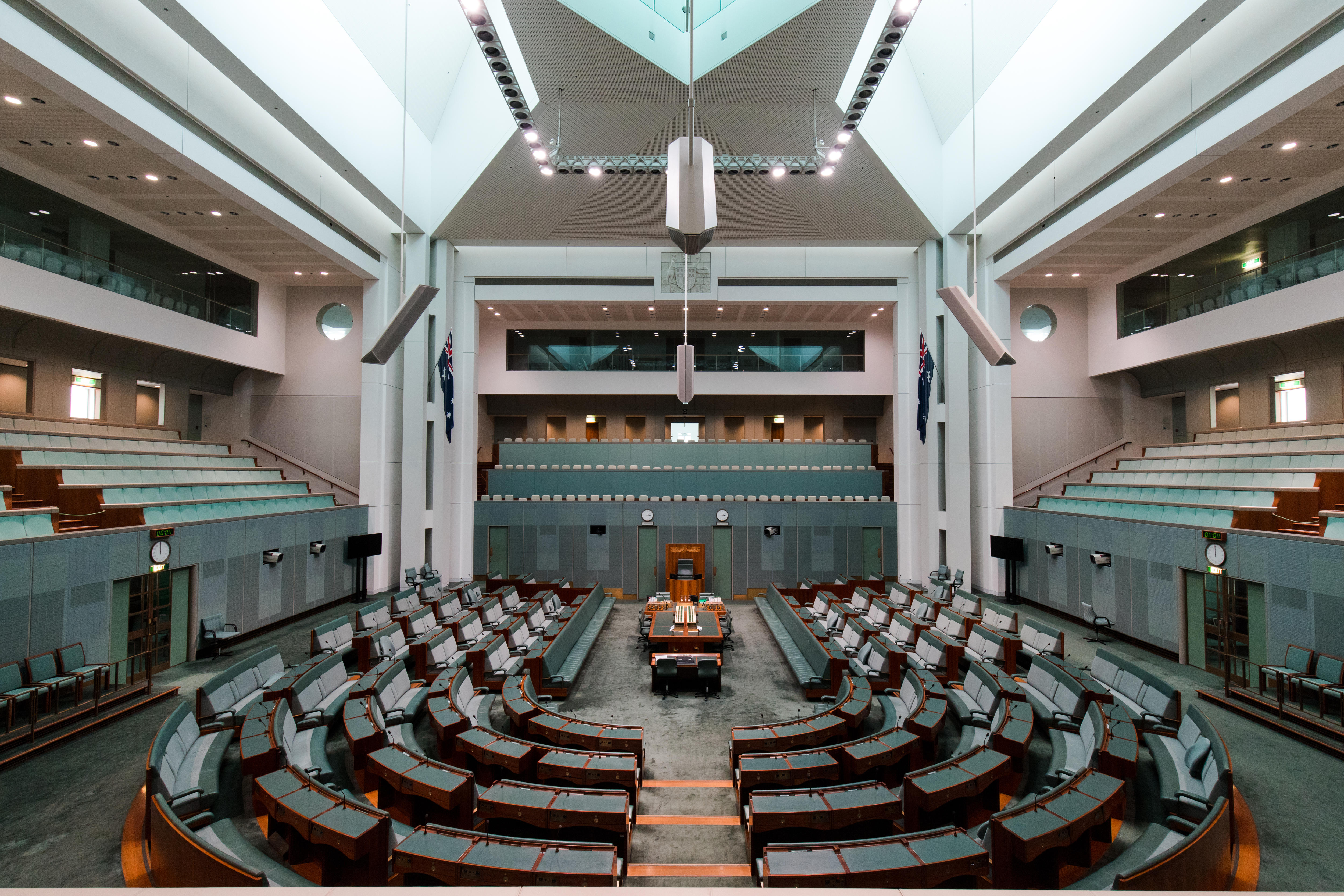
What does hate speech do — and why is it so hard to legislate against?
The massacre at Bondi Beach on 14 December 2025 — during which two gunmen targeted a group of Jewish Australians who had gathered to mark the first day of Hanukkah, killing 15 people — violently punctuated two years of escalating antisemitic incidents.Bondi was an act of terror that realised the worst fears of many Australian Jews, who had seen their synagogues and restaurants to
Anna Funder on the ethical and aesthetic problem of monstrous artists
How should we wrestle with the problem of loving the art, but being unsettled by the behaviour or the beliefs of the artist who created it? It would be a mistake to see it as just an ethical problem. It is also an aesthetic problem. Because knowing what we know causes us to see the work differently.
"There's a horse loose in a hospital": Is John Mulaney a comedic genius?
Could a stand-up routine ever rise to the level of "art" — the kind of performance that rewards multiple viewings, whose humour grows and deepens, which contains subtleties waiting to be discovered? Enter US comedian John Mulaney with a 2017 comedy sketch. There is something undeniably enduring, timeless even about Mulaney's act.
The importance of letting someone 'save face'
When saving face is paramount to all other considerations, others invariably pay the price in order for the untrammeled supremacy of the ego to persist. But by permitting someone to "save face", are we not providing a constructive way of keeping them within a moral community?
How do recommendation algorithms affect our sense of taste?
There are few things more peculiar to a person than their preferences; why they favour one genre of music or one style of writing over another. And in our world of endless digital reproduction, we increasingly rely on recommendation algorithms to curate or triage our encounters with culture. But algorithms tend toward massification; they rule out the possibilities of both aesthet
AI and the cost to human life — with Karen Hao
AI is sometimes portrayed in utopian terms as the essential technological innovation. At other times, it's described as representing an existential threat to human life, a technological creation that will inevitably lay waste to its creator. Regardless of how we view it, could the cost of AI extend far beyond economics?
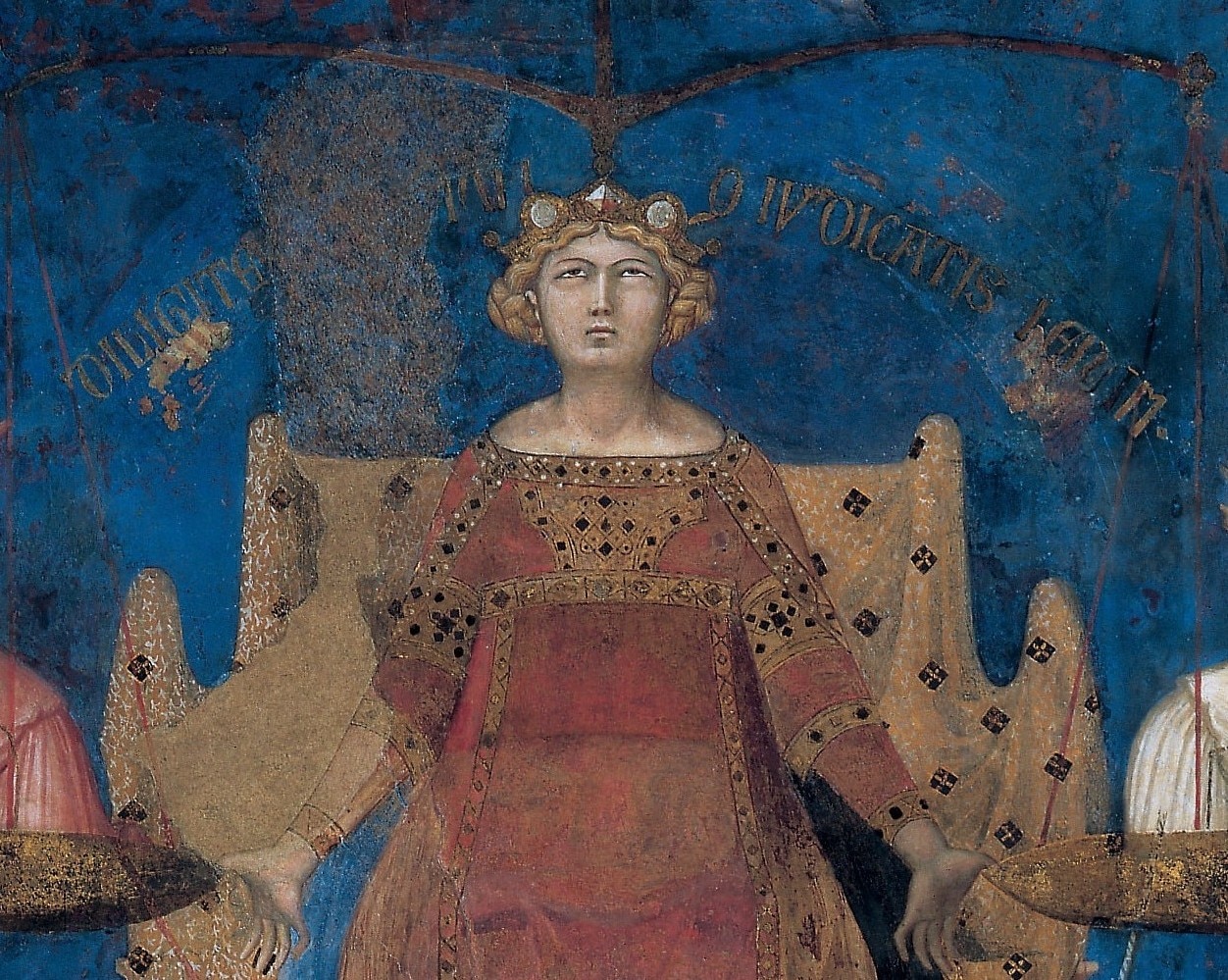
What can we learn about politics from Ambrogio Lorenzetti’s ‘Good and Bad Government’?
It is one of the casualties of democratic politics that citizens rarely remain indifferent about the governments they elect. By investing politicians with their hopes or fears, their aspirations and anxieties, voters ensure that they will take the performance of a government personally. This is why politics cannot be emptied of emotion: electors and the elected are bound together
The ethics of life-writing: Memoirs may be popular, but can they be truthful?
In the world of book sales, what “romantasy” is to fiction, autobiography/memoir is to non-fiction. There is an undeniable appetite for the purportedly true stories of famous or otherwise public figures whose lives are shrouded in PR or private interests.Moreover, autobiographies have a kind of inherent meaning or telos — disparate elements come together to form a narrative which
What will we lose if translation becomes wholly automated?
It feels like, for so much of this year, in one form or another, we’ve been trying to count the costs that technological innovations are exacting on our humanity — how AI, in particular, is altering (perhaps irrevocably) our relationship to words, to writing, to beauty, to creativity, to taste, to work, to the natural world, to our interior life.From the very beginning, our conce

‘Adult time for violent crime’? What commitments should guide society’s response to youth crime?
Earlier this month, in response to a disturbing rise in youth crime in Melbourne, Victoria’s Labor government adopted a key policy that the LNP took to last year’s Queensland state election.The LNP policy pledged (among other things): to apply adult penalties to children under 18 who committed a range of violent and non-violent offences; to impose mandatory minimum sentences for
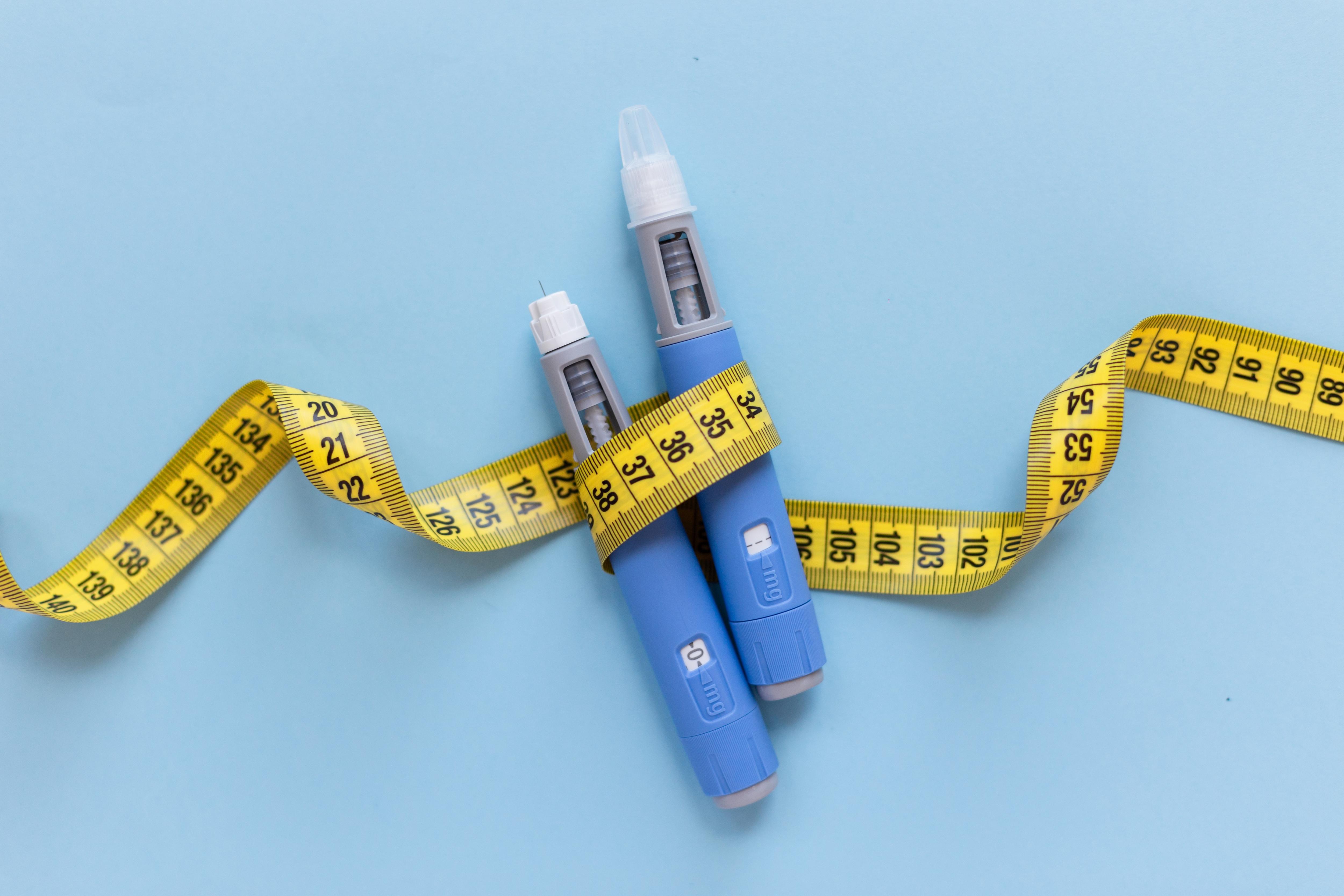
Will weight loss drugs entrench cultural expectations about body size?
Ever since 2023, a class of GPL-1 based drugs — which for two decades were used to treat type 2 diabetes — have been heralded as a “revolution in weight loss” and signalling the “end of obesity”. While these drugs go by different names, they’ve become popularly grouped under the shorthand “Ozempic”.It’s no exaggeration to say that Ozempic has become a cultural phenomenon. Million

Is the experience of beauty slipping away in an age of frictionlessness, speed and AI slop?
The availability of increasingly powerful generative AI tools has radically altered the creative process. Anything that we can imagine can be turned into an image, a video, a text, a song — the process is frictionless, effortless, fast and has led to a torrent of digital effluent (what is often called “AI slop”) being pumped into our online habitus. And while the content may rang
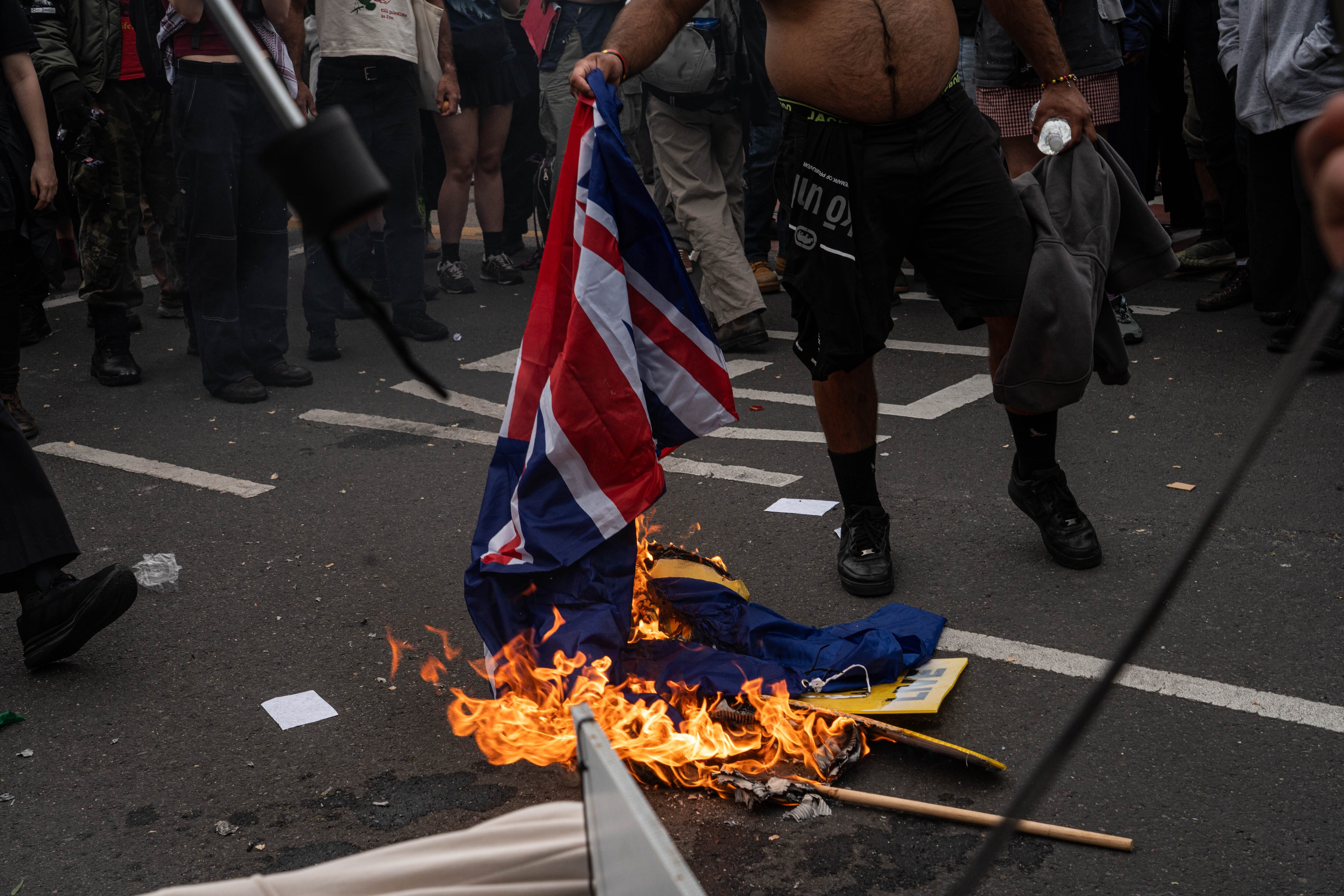
Protests are a democratic right that can go wrong — how much should they be restricted?
For the last two years, there has been a steady drumbeat of protests — sometimes weekly, sometimes monthly — in the centre of major Australian cities involving hundreds, thousands, tens of thousands and, in one instance, hundreds of thousands of people. The vast majority of these protests have been pro-Palestinian and opposed to Israel’s military campaign in Gaza.But this isn’t t
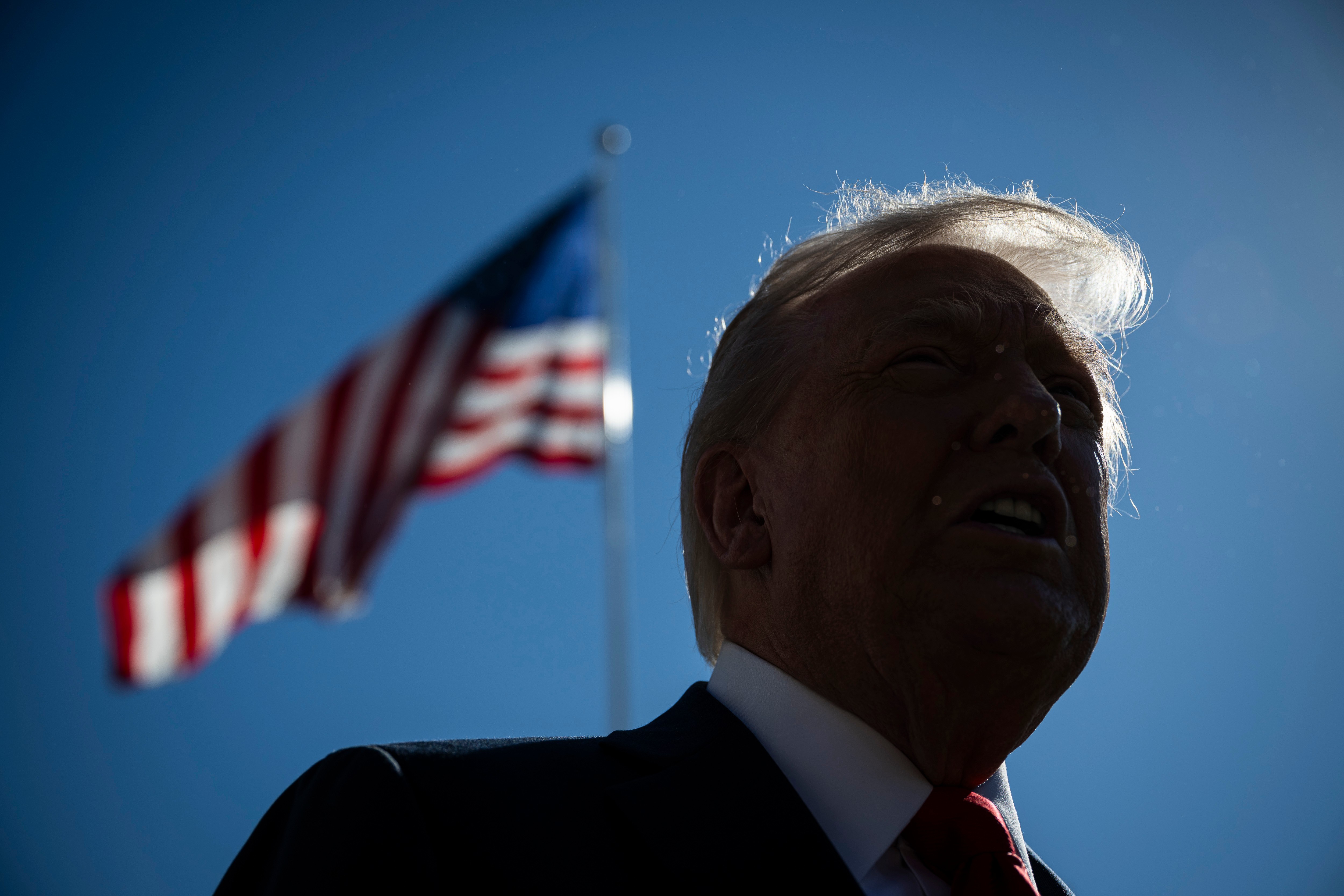
When democracy abandons decency — with George Packer
For the second time this year, millions of people have taken to the streets of cities and towns across the United States in response to the authoritarian tendencies and tactics of the second Trump administration.These crowds gathered under the “No Kings” banner to register their deep disapproval of: immigration raids and deportations without due process; the deployment of Nationa
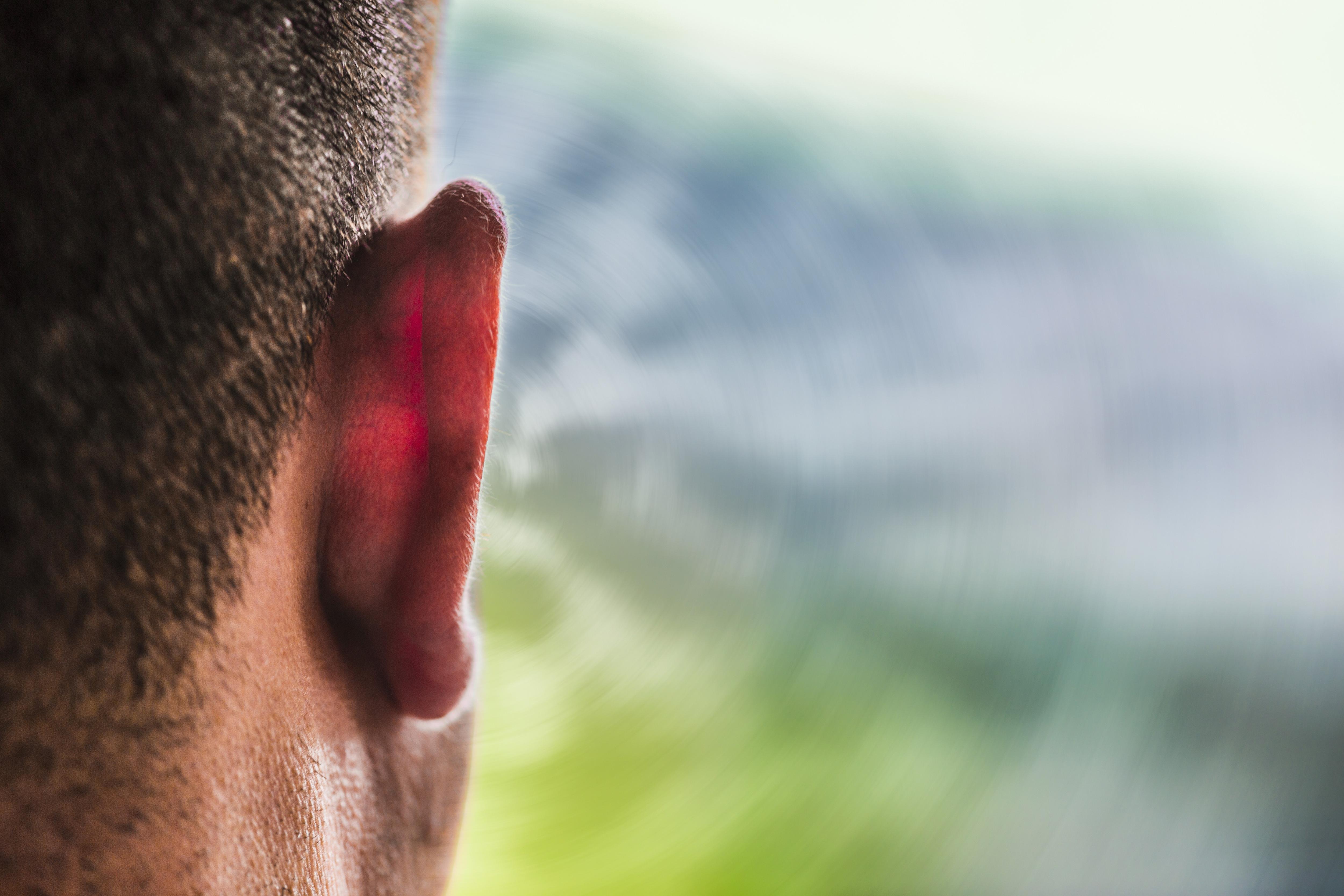
Learning to inhabit silence — with Stan Grant
There is no doubt that silence can be a form of cowardice: a refusal to speak up or speak out on behalf of others, an unwillingness to join our voices with theirs lest we be made to bear their punishment. In such a case, we could say, the absence of words is not empty but full — full of self-protection, of ego.Being silenced, in turn, can crush the soul — to have our words treate
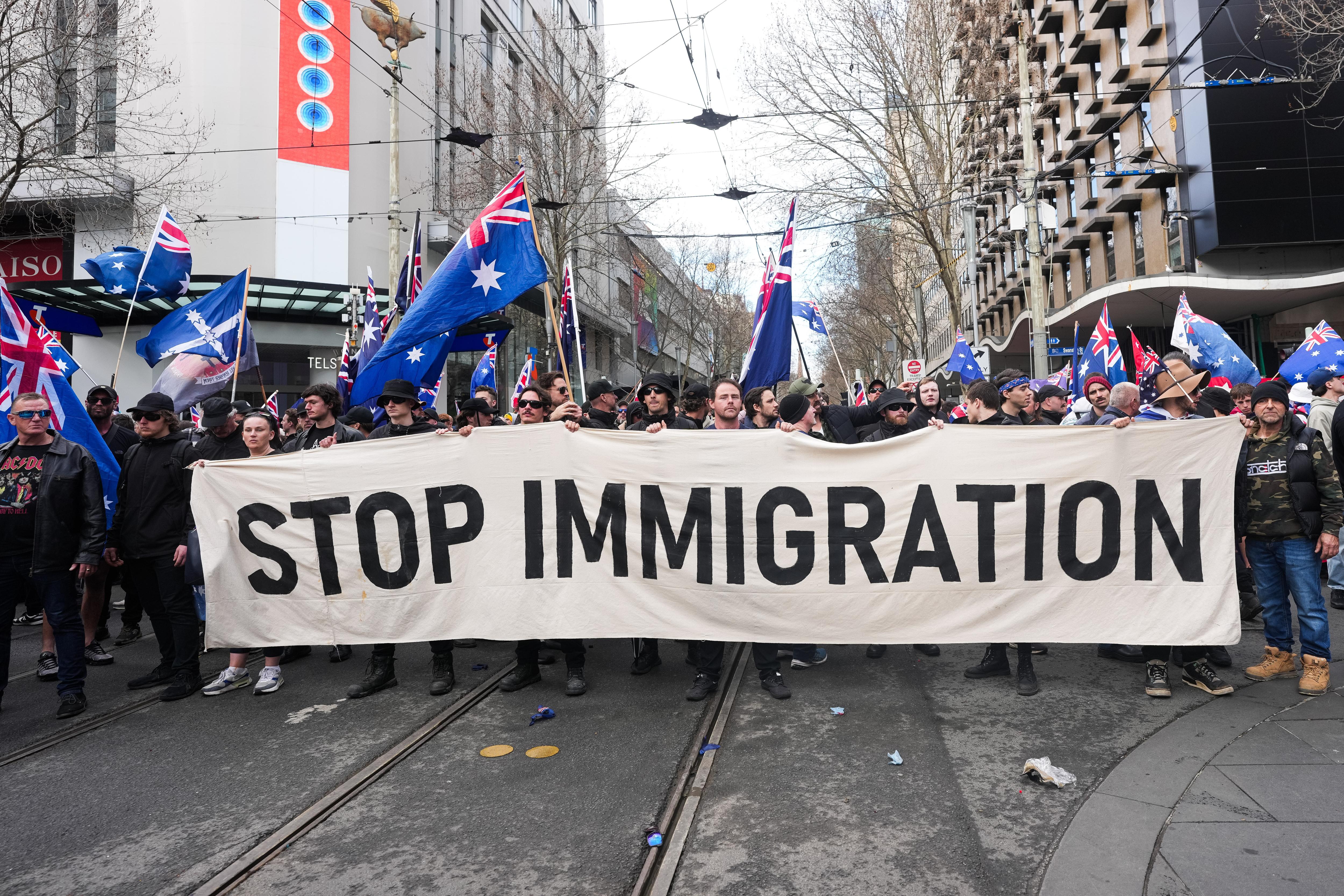
What role should emotion play in the fraught politics of immigration?
The politics of immigration has returned in recent months — and returned with a depth of feeling that suggests it never truly went away. It’s always there, lingering just beneath the surface of Western societies, waiting to be tapped into by politicians skilful (or brazen) enough to harness its power.So Donald Trump went to the 2024 presidential election excoriating his predecess
The ‘fascism’ paradox — with Jason Stanley
In a remarkable column from 1944, George Orwell bemoaned the sheer range of social and political phenomena to which the label “Fascist” was being applied — to the point that he believed the word itself had become “almost entirely meaningless”. And while it conveyed little more than a term like “bully” would, “Fascist” nonetheless carried an emotional charge, a degree of opprobriu
Mailbag — we answer your questions
This week is the first ever “Minefield Mailbag”, where Waleed and Scott try to respond to what’s been on our listeners’ minds.The questions they take on cover such diverse topics as society’s obligations to self-professed “sovereign citizens”, whether NATO is to blame for Russia’s invasion of Ukraine, why “virtue signalling” may not be such a bad thing after all, and the discrete
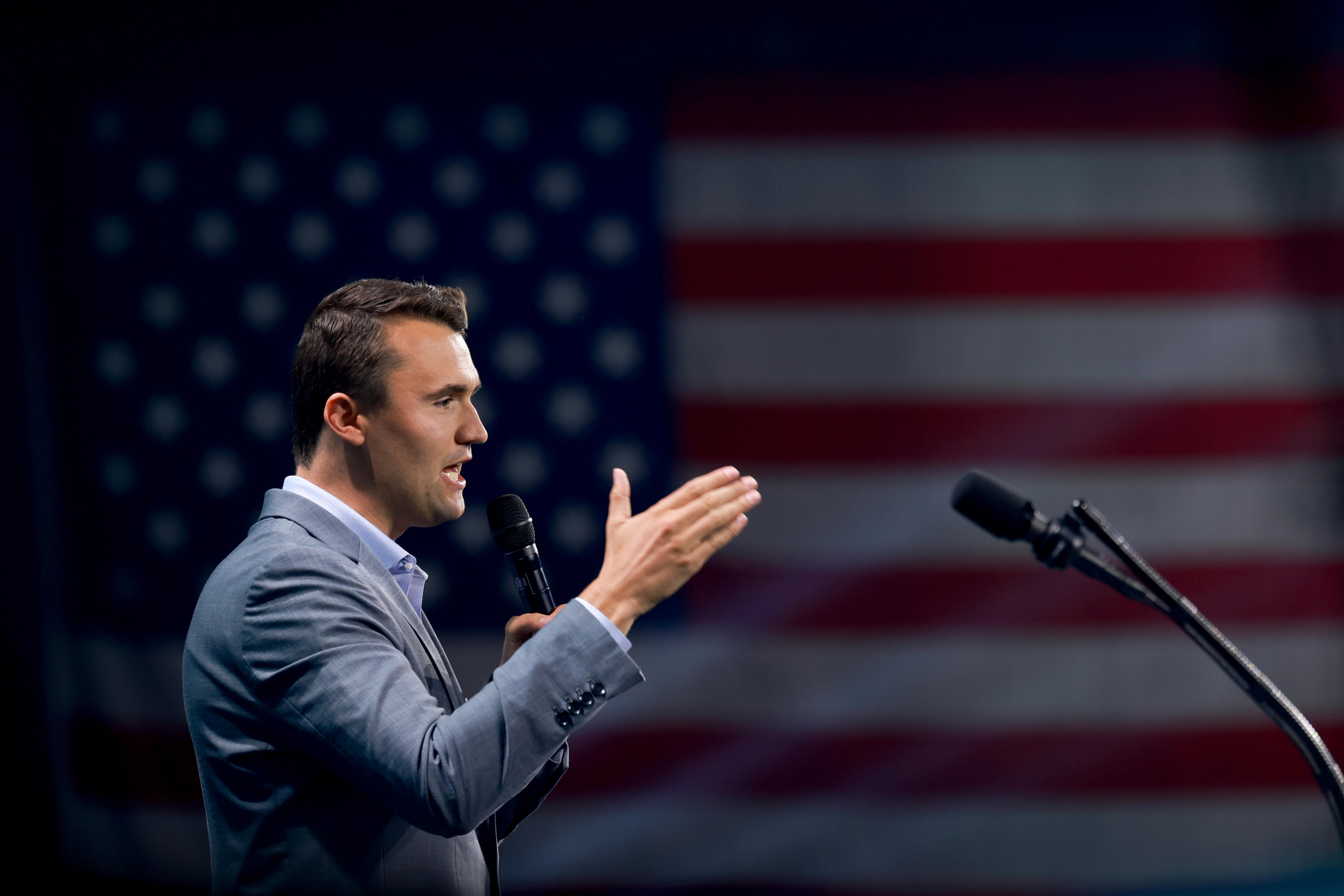
Why Charlie Kirk’s assassination is a test for democracy — and of our decency
It would be hard to overstate the significance of Charlie Kirk within the conservative movement and in the Trump administration. By some reckoning, his influence and social media prominence were second only to Donald Trump himself.As the founder and face of Turning Point USA, Kirk was pivotal in driving Trump’s appeal among younger voters — particularly young men. And, indeed, hi
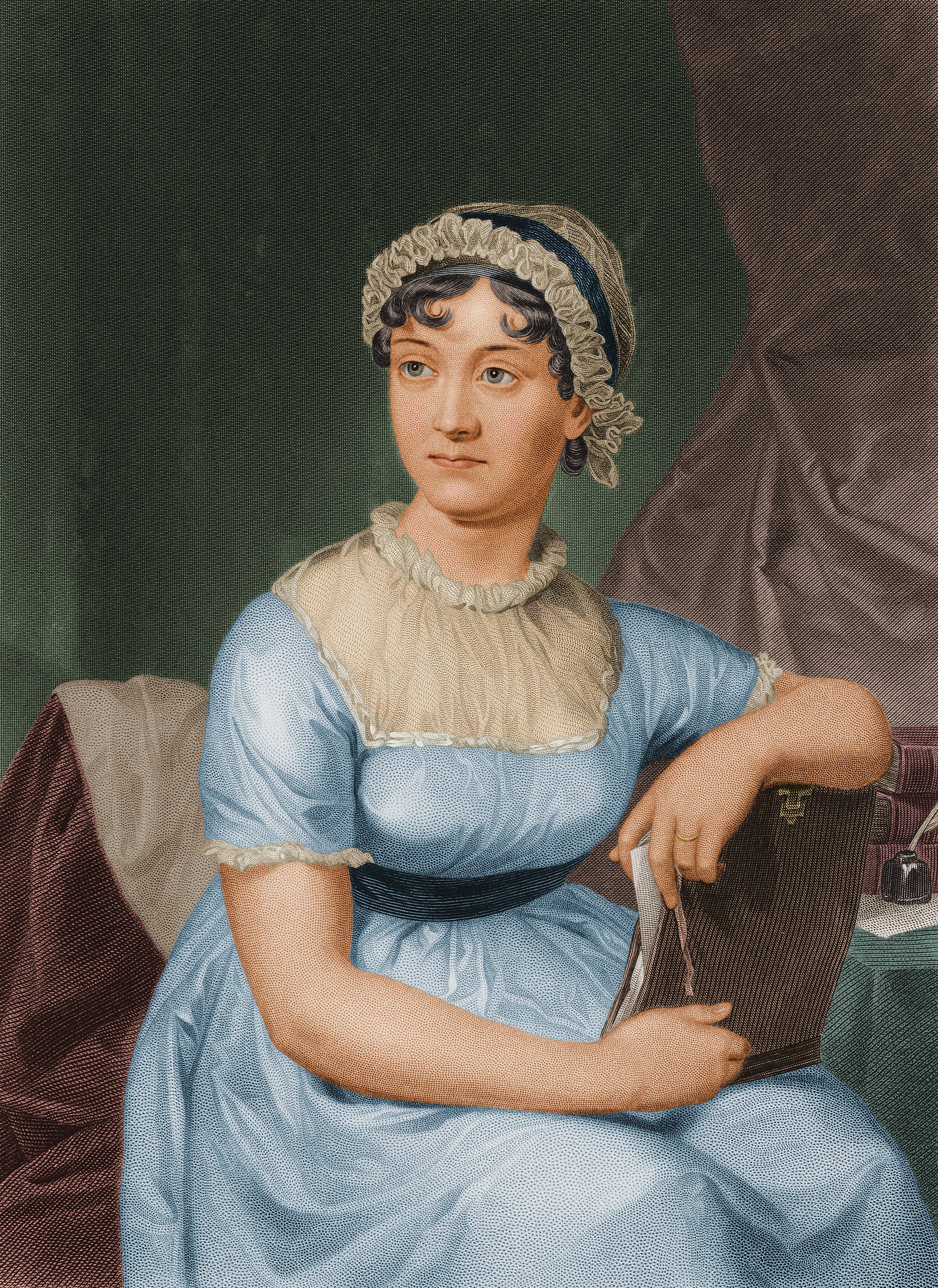
Bonus episode: Jane Austen’s enduring charm
In August, Kate Evans and Cassie McCullagh from The Bookshelf on Radio National, teamed up with the indomitable Sophie Gee — Professor of English at Princeton University, Vice-Chancellor’s Fellow in the Humanities at the University of Sydney, and co-host of the podcast The Secret Life of Books — and Scott Stephens from The Minefield, to mark the 250th anniversary of the birth of

What are we doing when we let someone ‘save face’?
Whether it is in geopolitics or in social and personal relationships, the overweening desire to “save face” can have manifestly unjust and outright damaging consequences.Those who continue to languish under Iran’s oppressive regime take little comfort in Ayatollah Ali Khamenei being afforded the opportunity to shore up his public standing following the US missile strikes on its n
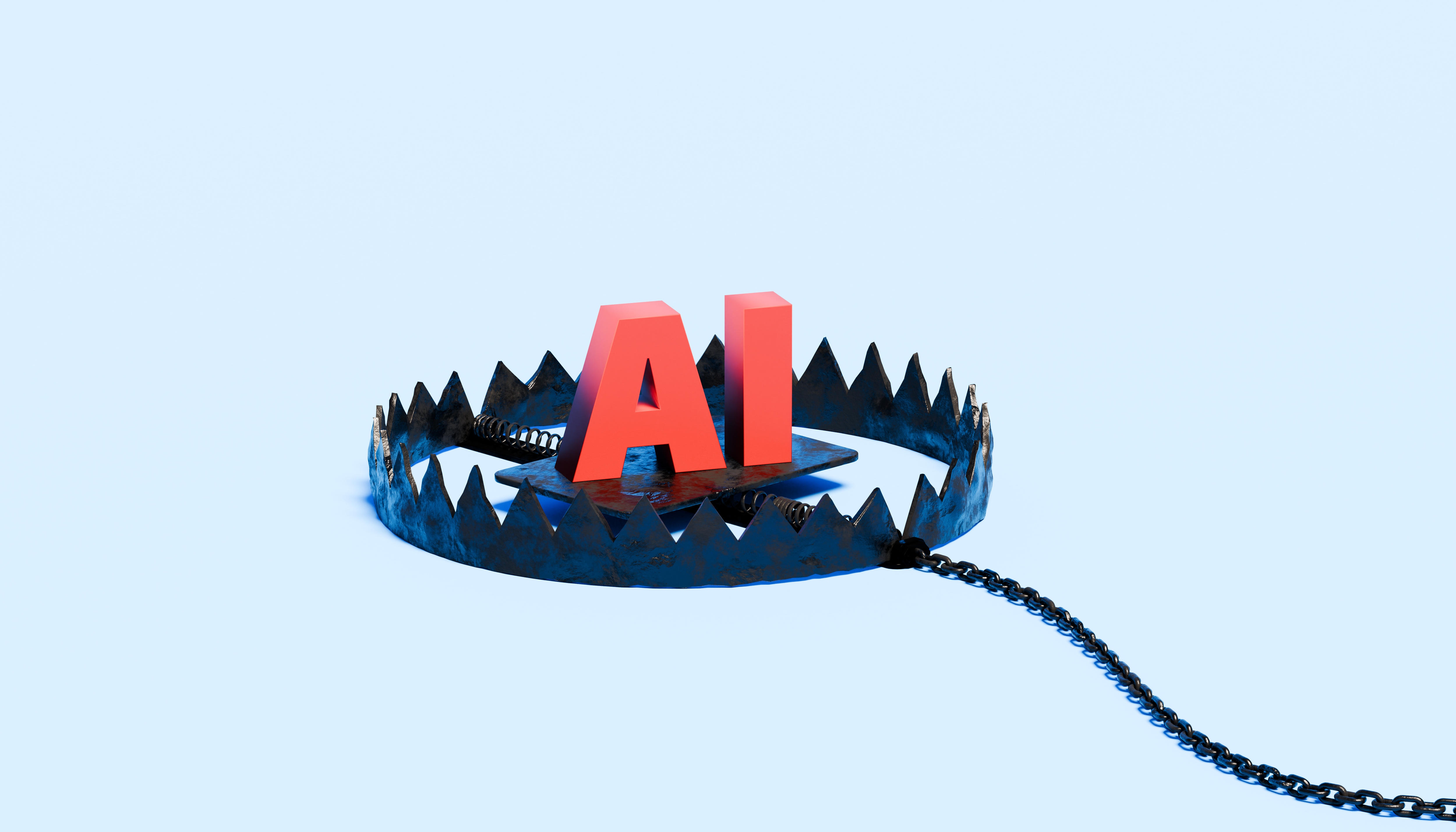
The threat that AI poses to human life — with Karen Hao
There is something undeniably disorienting about the way AI features in public and political discussions.On some days, it is portrayed in utopian, almost messianic terms — as the essential technological innovation that will at once turbo-charge productivity and discover the cure to cancer, that will solve climate change and place the vast stores of human knowledge at the fingerti
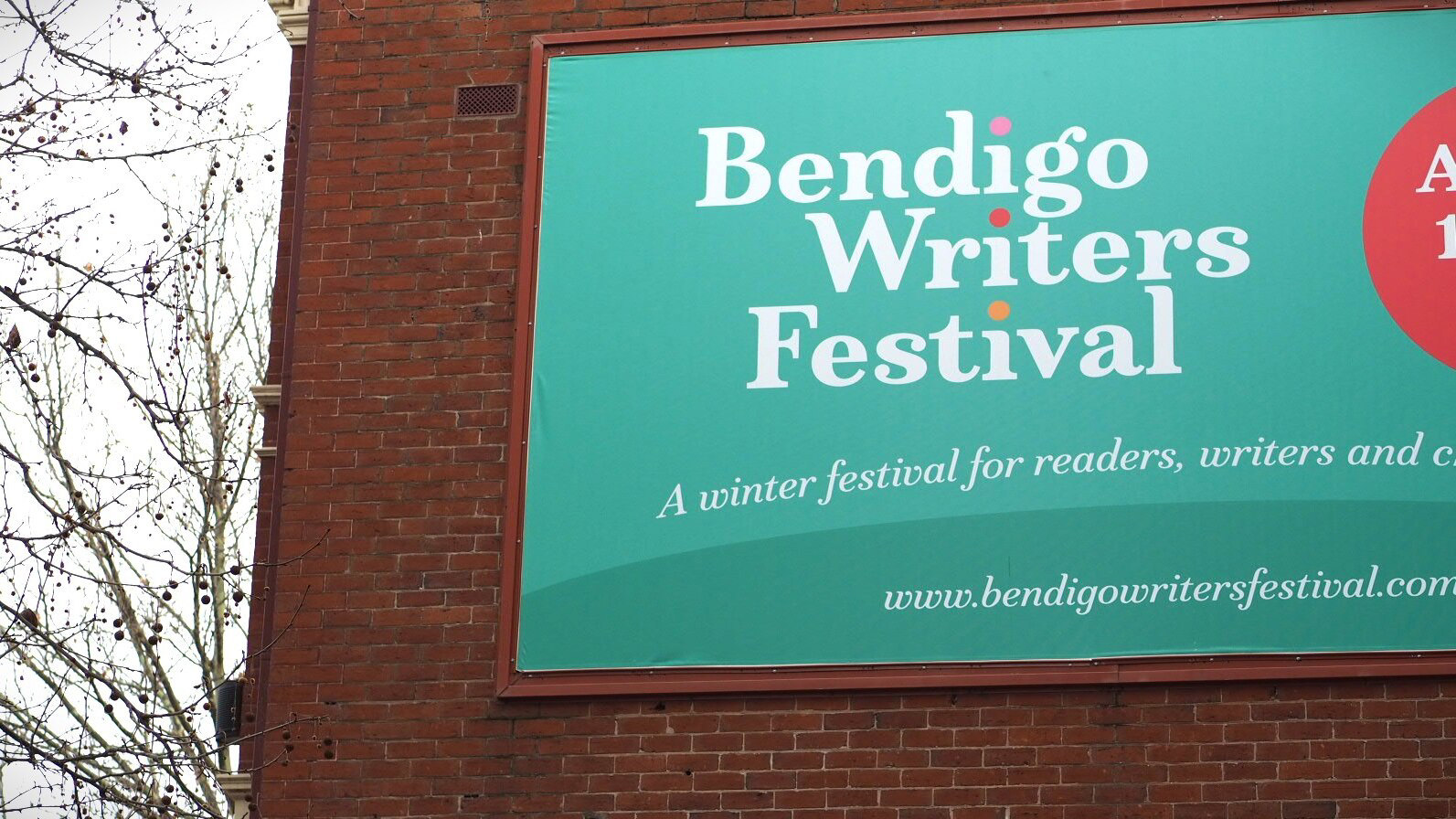
Are there inherent limits on what should be said in public debate?
In the middle of August, the Bendigo Writers Festival found itself at the centre of a firestorm after over fifty participants decided to withdraw — some claiming they were required to engage in a form of “self-censorship”, and others withdrawing in solidarity.Reports have it that, two days before the festival was due to open, a “code of conduct” was sent to those taking part in t

If AI causes widespread job losses, is a Universal Basic Income the solution?
This week the federal government’s much-anticipated, and just as hyped, Economic Reform Roundtable has gotten underway. Central to the agenda is how to boost national productivity — which is, roughly speaking, a way of measuring the resources needed both to produce certain goods and to be able to afford to buy certain goods.Put simply: greater efficiency leads to greater affordab
Should childcare be offered by for-profit providers?
In March, an ABC Four Corners investigation detailed widespread instances of abuse, injury and neglect in childcare centres across the country. Just a few months later, in a climate of already heightened public awareness and media scrutiny, a series of deeply disturbing allegations came to light of child sex abuse in childcare centres in Victoria, New South Wales and Queensland.T
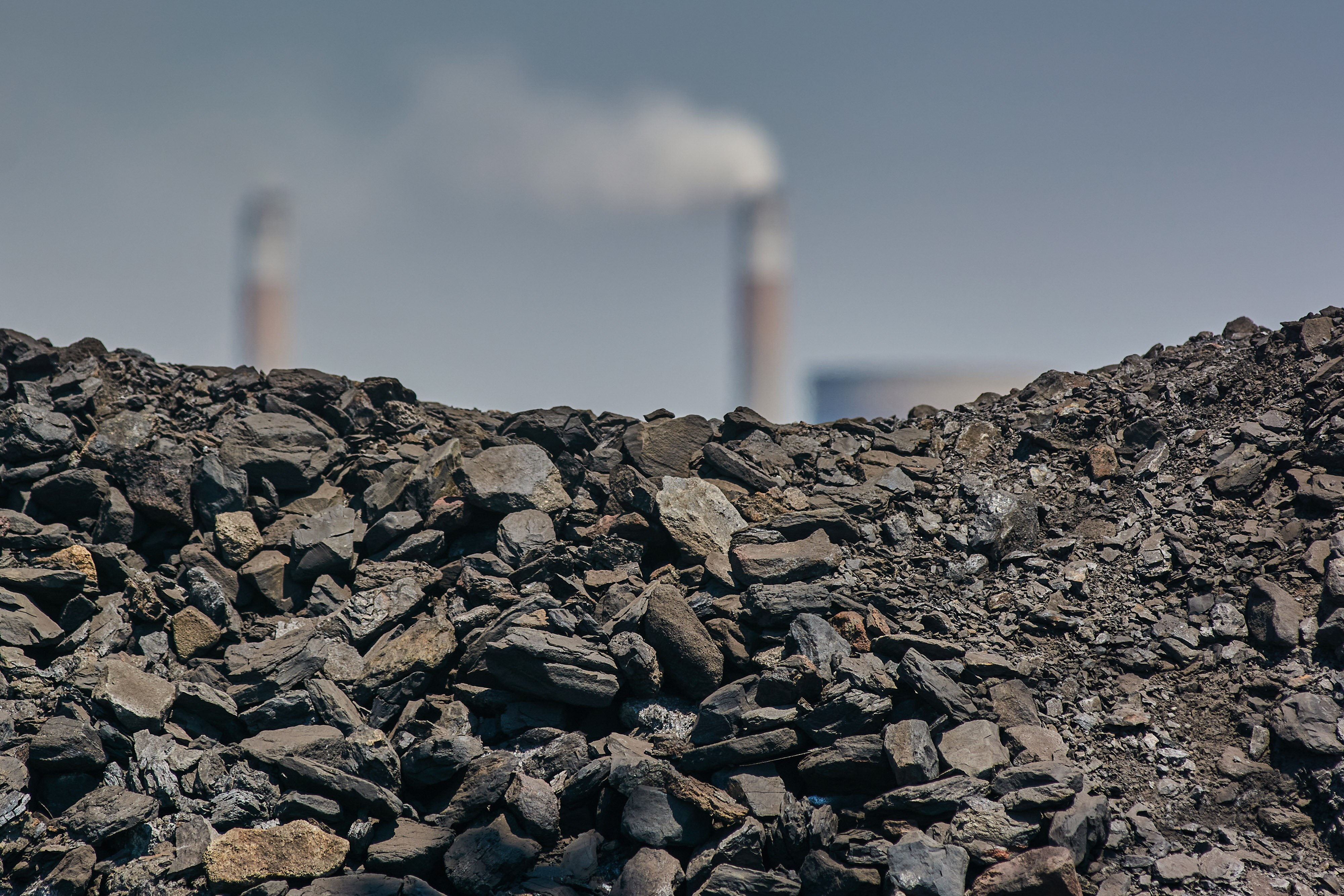
What does it mean to be committed to ‘net zero’?
At the end of July, there was a strange juxtaposition of events that seemed almost designed to highlight the fault-lines which run through the political, legal, economic and ethical responses to climate change.On 23 July, the International Court of Justice handed down a non-binding advisory opinion that climate change constitutes an “urgent and existential threat”, that nations h
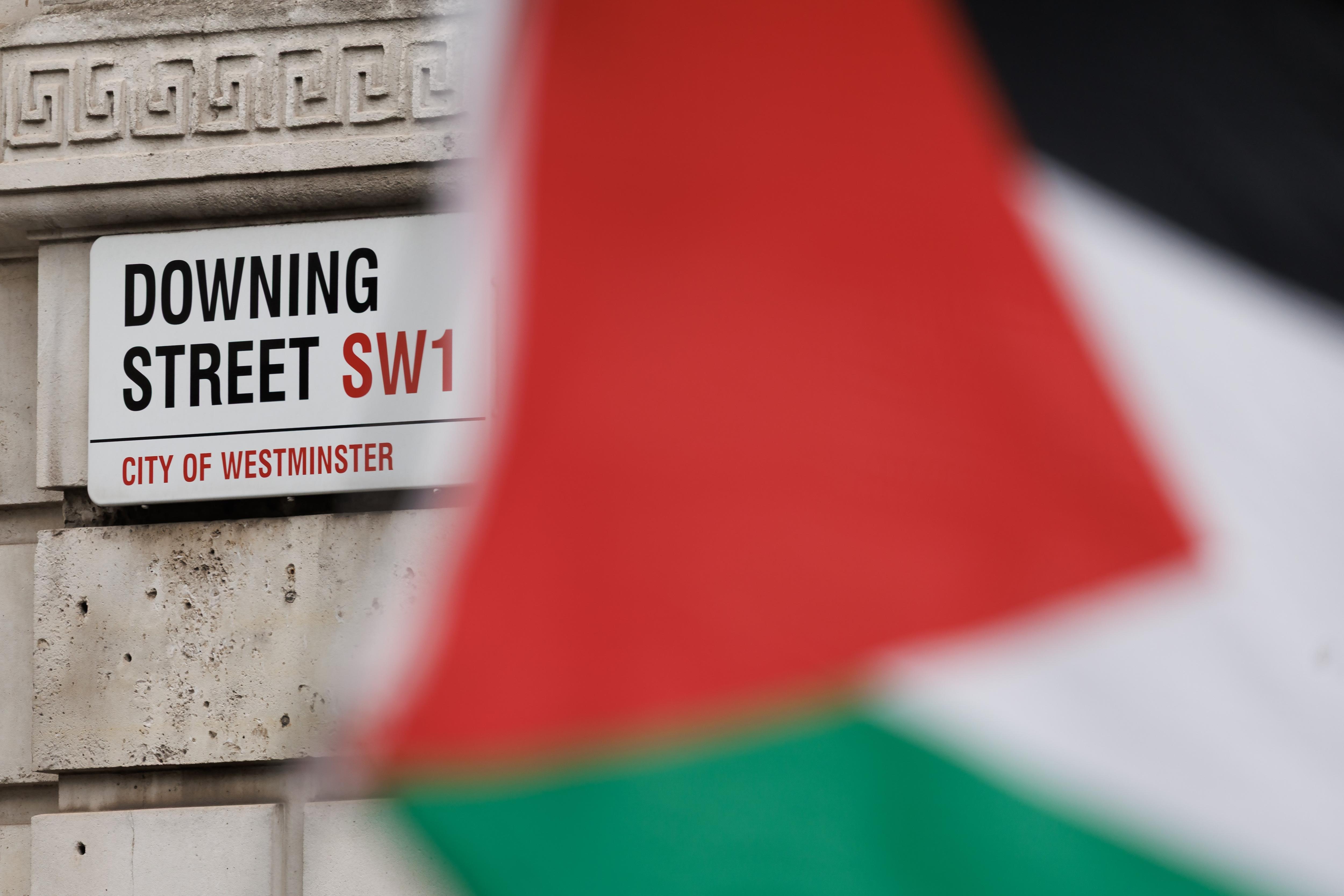
What would be achieved by recognising a Palestinian state?
On 24 July, French President Emmanuel Macron announced his intention to recognise a Palestinian state at the UN General Assembly in September, as part of France’s “historical commitment to a just and durable peace in the Middle East”. Just five days later, UK Prime Minister Keir announced that the UK, too, will recognise a Palestinian state in September:“unless the Israeli govern
What are recommendation algorithms doing to our sense of taste?
There are few things more peculiar to a person than their preferences. Why it is they enjoy one genre of music over another, or a particular artist within that genre but not others. Why they derive specific pleasure from a certain type of fiction (romantasy, say, or Scandinavian procedurals) whereas others (like Agatha Christie’s Poirot crime novels or dystopian sci-fi) leave the
Why are regressive expressions of masculinity now so popular?
In a justly famous 1910 essay titled “The Moral Equivalent of War”, the American philosopher William James rejected the “fatalistic view” that war is an inevitability between nations, and expressed his hope of “a future when acts of war shall be formally outlawed as between civilized peoples”.For all this, however, James confessed that he did not believe “peace either ought to be
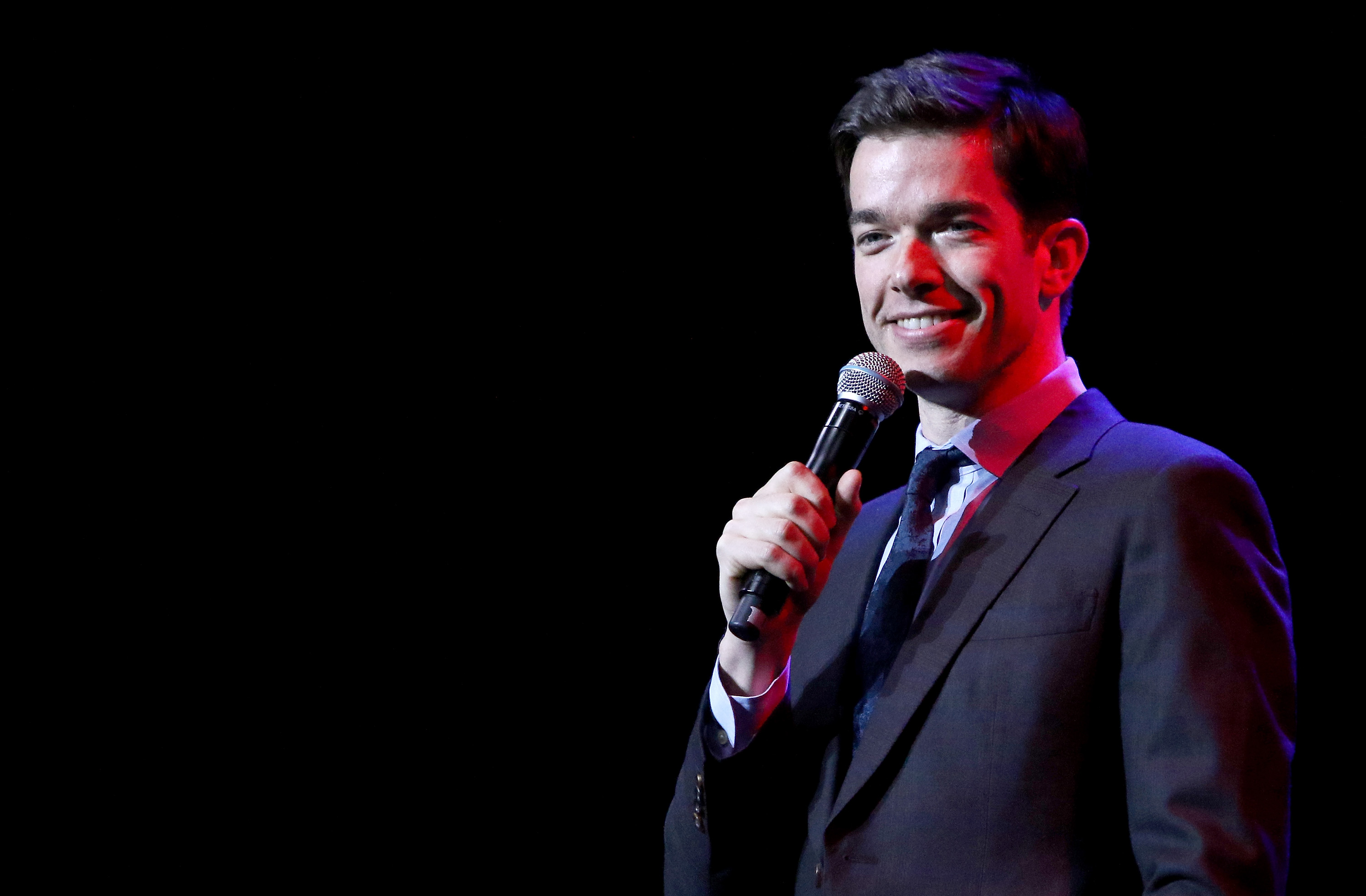
“There’s a horse loose in a hospital”: What John Mulaney gets right about (non-)political comedy
Could a stand-up routine ever rise to the level of “art” — the kind of performance that rewards multiple viewings, whose humour grows and deepens, which contains subtleties waiting to be discovered? A sketch certainly can. Just think of Abbott and Costello’s “Who’s on First?” from 1944, or the trial of Ravelli in the Marx Brothers’ Duck Soup from 1933, or Peter Cook and Dudley Mo

What is “content” doing to our sense of value?
In a digital age, it’s all about “content”. The post or tweet or reel or video or pod is nothing without something in it that permits it to be shared, to circulate, to attract attention, to promote engagement. What matters is the fact of circulation, not the usefulness or accuracy or beauty of what is circulating.In other words, “content” is generated not to last, but merely to a

Can the cinematic genius of “Jaws” overcome its problematic legacy?
As soon as it was published in February 1974, Peter Benchley’s novel “Jaws” was a sensation and remained on the New York Times best-seller list for over ten months. It continued to loom large in the public consciousness when, just 16 months after its publication, a 27-year-old Steven Spielberg adapted it for the big screen.While “Jaws” was the third such best-selling novel to be
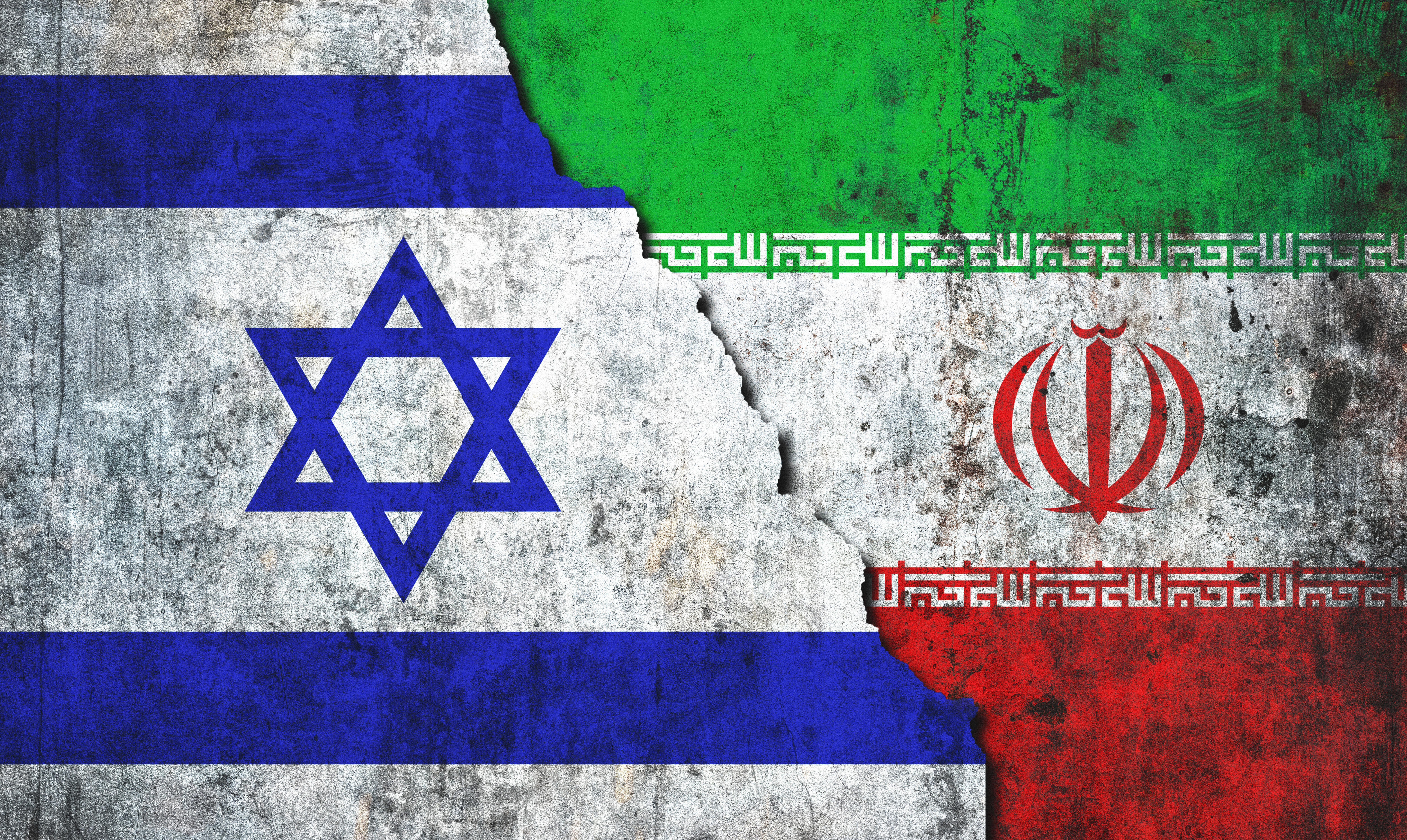
Israel/Iran: What are the ethical and legal limits of self-defence?
On 12 June, Israel initiated a devastating series of strikes on Iran — the goal of which was evidently to diminish the nation’s increasingly problematic nuclear program and to “decapitate” the nation’s top military leaders and nuclear scientists. There is no doubt these attacks were meticulously planned and represent the culmination of a long-term strategy: to neutralise the thre
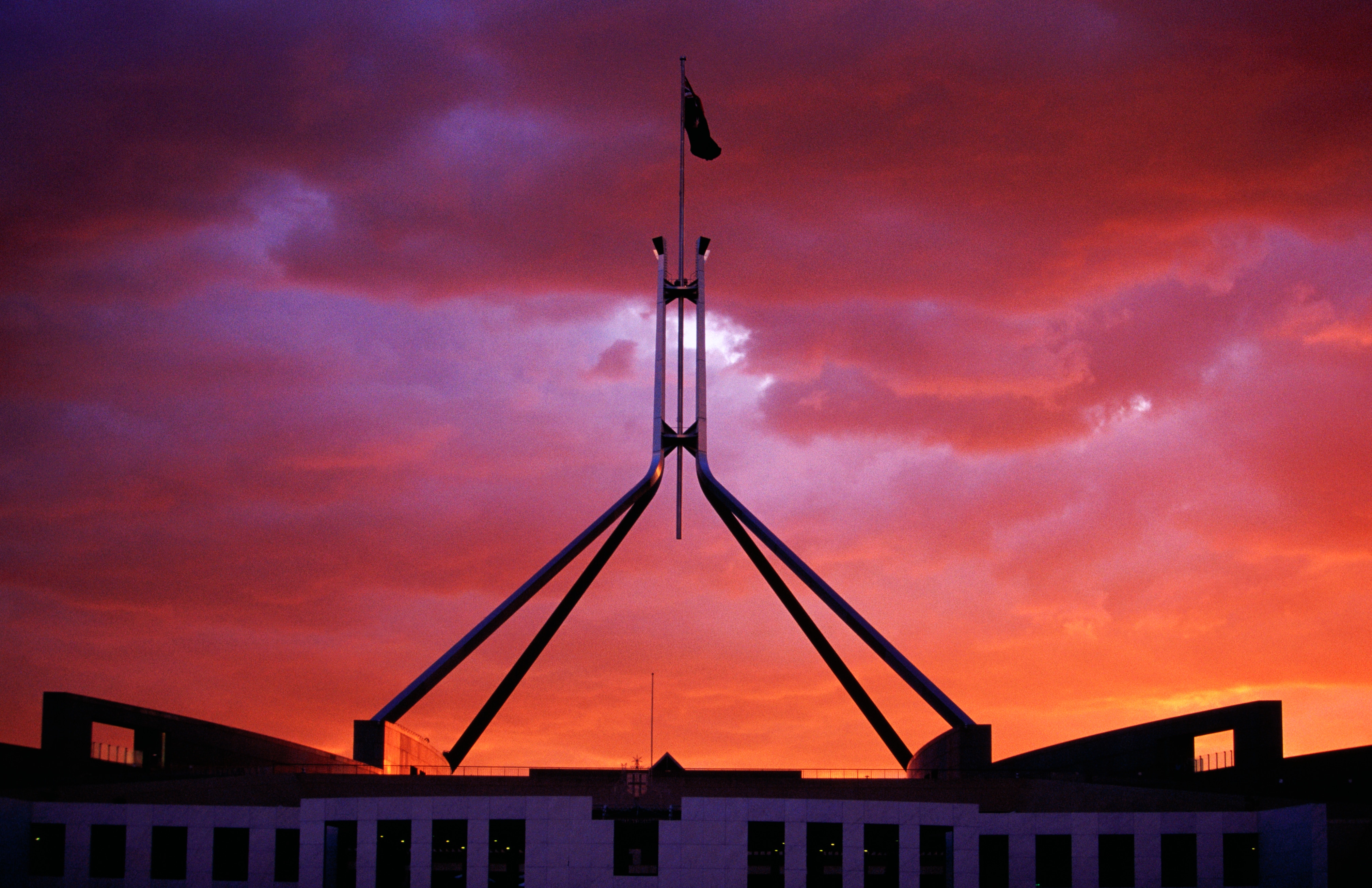
Where to now for conservative politics in Australia?
Between 1996 and 2022, for all but a brief and tumultuous six-year hiatus, the Coalition has governed Australia. Over this period, not only did the Liberal and National parties dominate federal politics, they defined the terrain upon which the political contest itself would be fought. On any number of policy fronts — from border security and immigration through to taxation, fisca
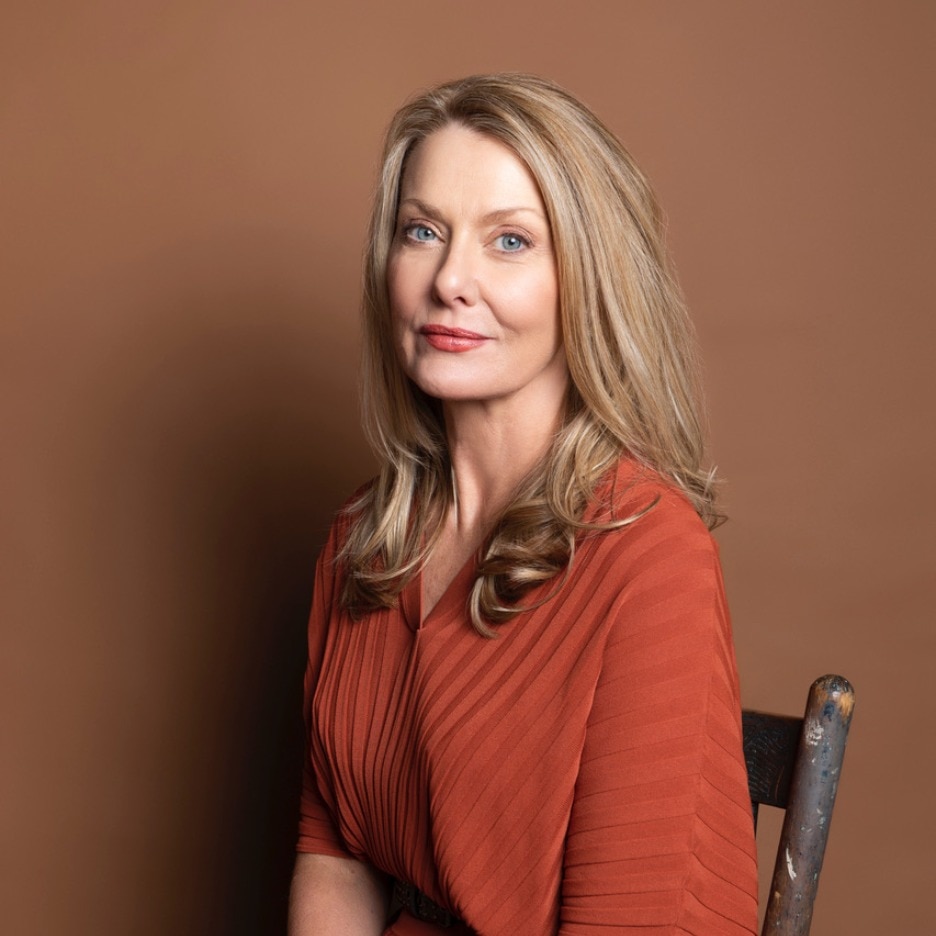
The moral problem of monstrous artists, with Anna Funder: Live from the Sydney Writers’ Festival
It is a problem many people increasingly feel they can neither avoid nor ignore: we could characterise it as the problem of loving the art, but being unsettled by the behaviour or the beliefs of the artist who created it.This is a perfectly serviceable way of grasping the outline of the matter, but, on further reflection, it fails to get to its heart. For it’s not that we are mer

“Progressive patriotism” — is it an idea whose time has come?
Fresh from a commanding victory at the federal election, Anthony Albanese began to bundle his campaign policy offerings together in a new package — not just to give these political commitments a kind of internal coherence, but also to stake out what could be distinctive about his premiership as a whole.The term he reached for to sum it all up is “progressive patriotism”. In a con
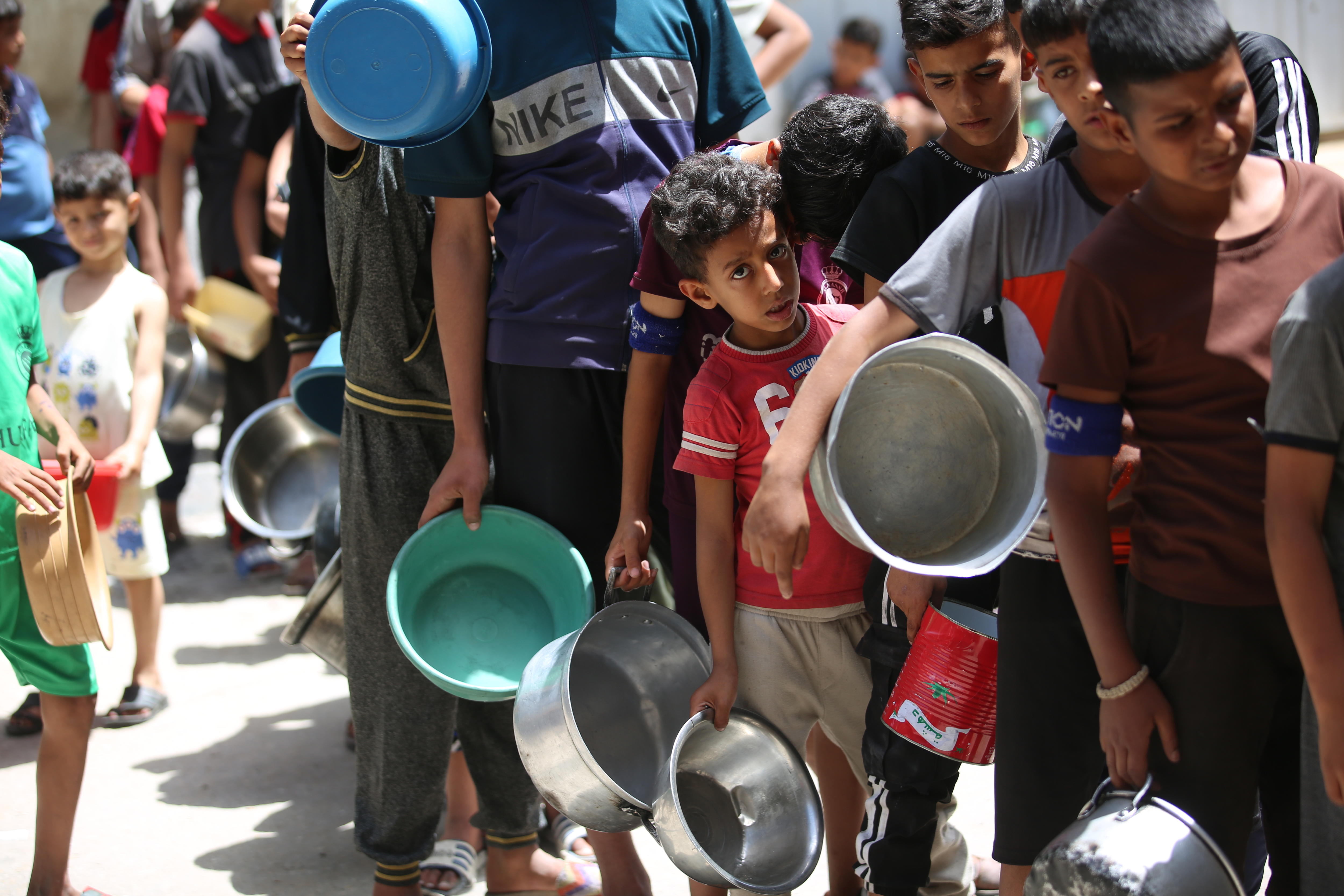
Why is our response to humanitarian crises so complicated — and inconsistent?
Over the last two years, many in Australia and around the world have watched in horror as Sudan, Gaza and other zones of mass violence descend into humanitarian crises of devastating proportions.And while the cause of each crisis is unique, the consequences tend to share common characteristics — for especially civilians: millions of people are displaced and left without homes to
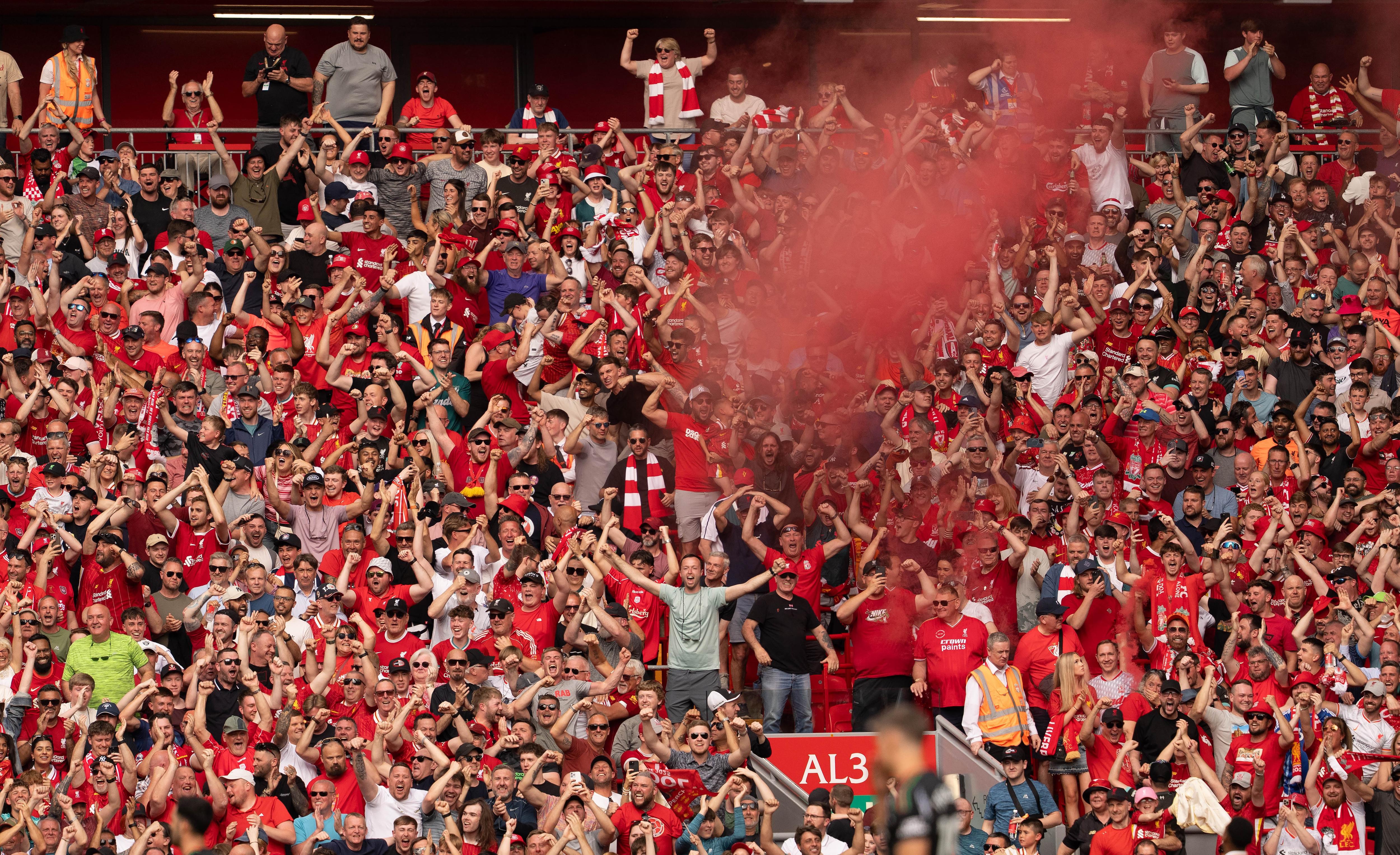
Is it only “joy” when it’s shared?
“Joy” is a strange kind of word. It describes a feeling that we all know, but do not know exactly how to value. It’s not happiness — which can, after all, be interior, quiet and express itself as a kind of contentment — nor is it merely pleasure (even though, in many languages, “pleasure” and “joy” are etymologically related). Joy is not only more exuberant than happiness, it is
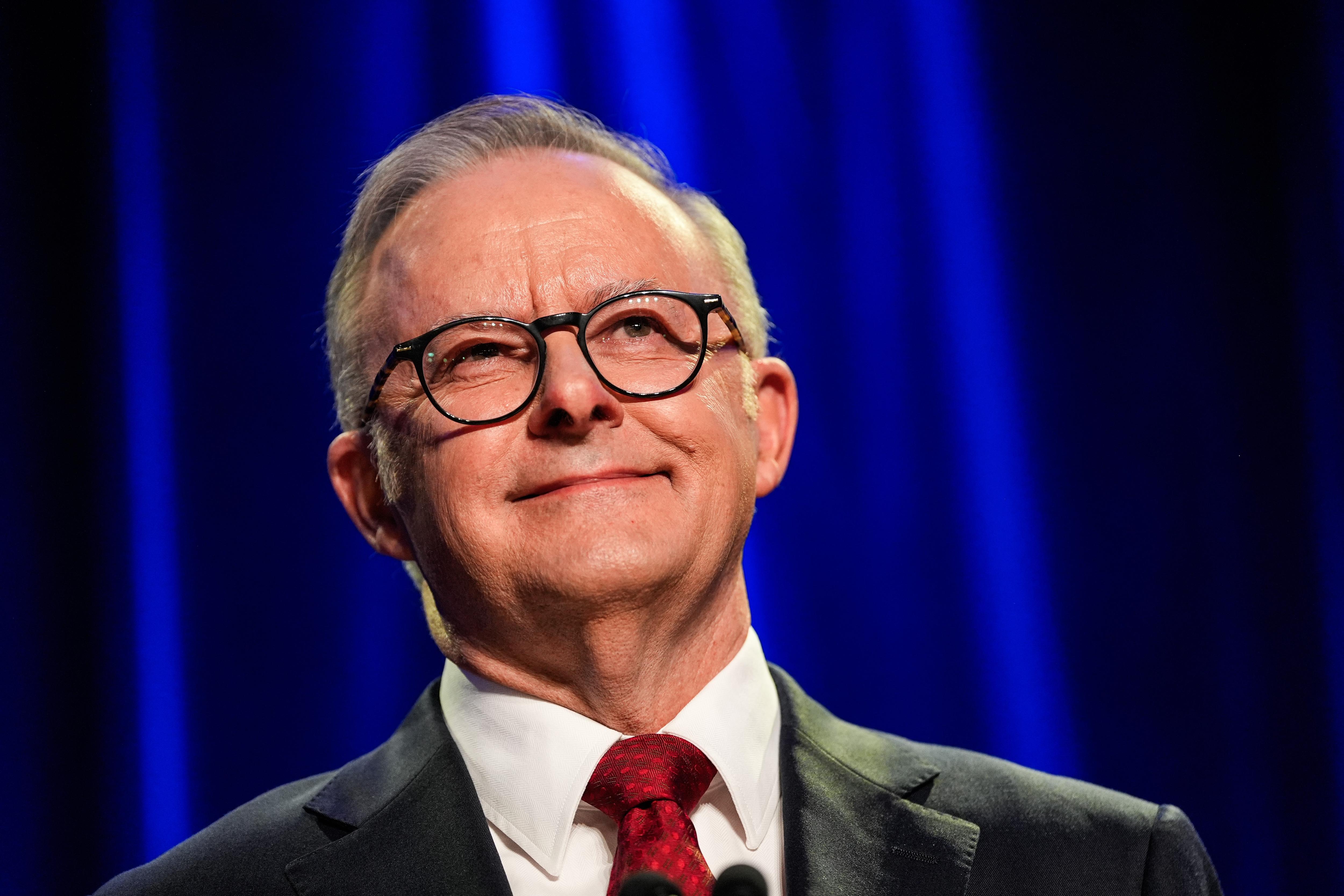
Australian voters have spoken — do we know what they said?
After any election, a narrative of sorts must be woven out of the disparate threads of the votes of so many individuals in so many seats. Which is to say, there has to be an act of discernment to hear what “the people” are trying to communicate — to make their will legible, as it were.Despite a relatively modest increase in Labor’s primary vote, the Albanese government added betw
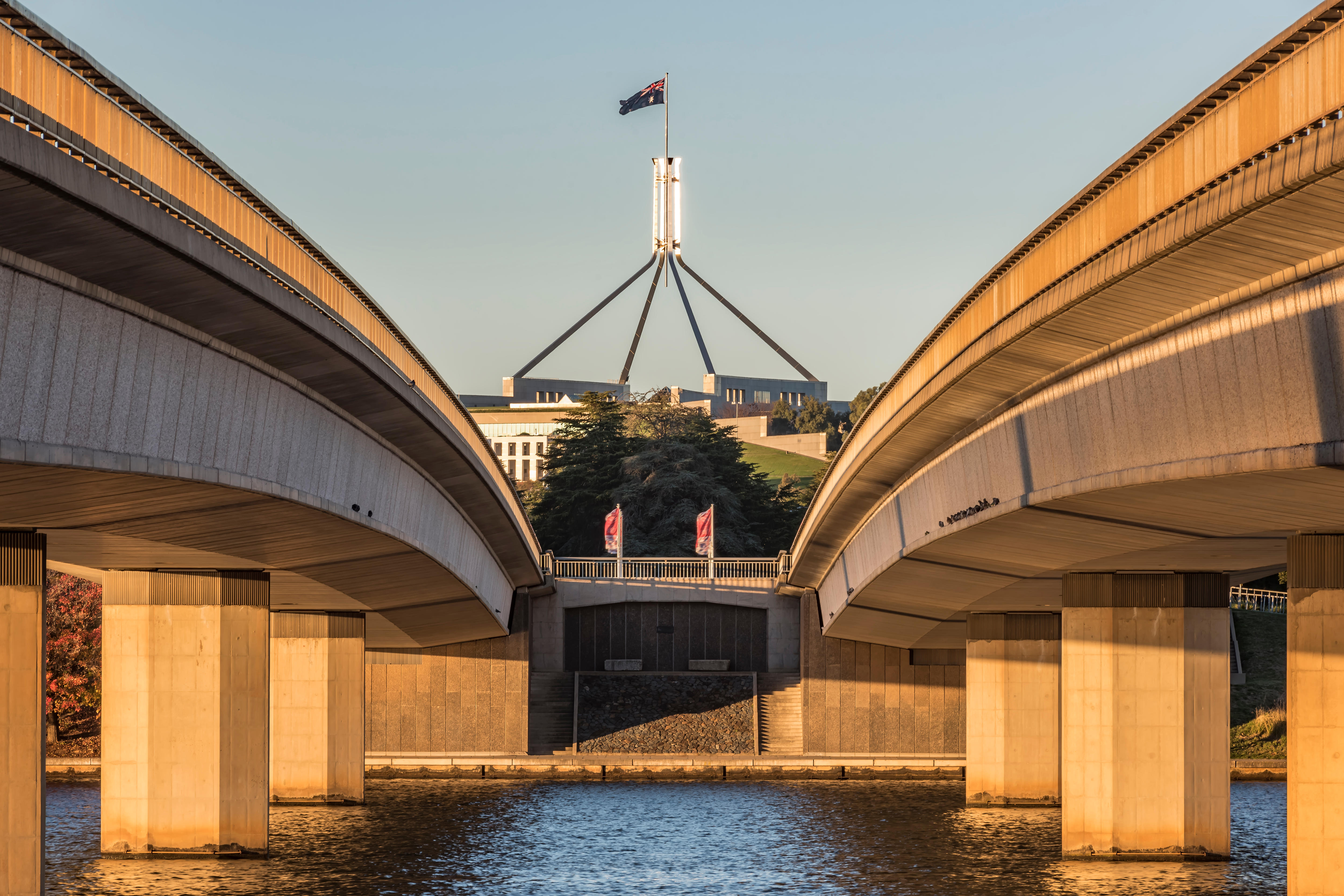
Is disillusionment a feature of democratic politics, not a bug?
Democracy is often lauded as a peculiarly just and effective form of government — one that enjoys the benefits that flow from twin virtues of popular engagement and political accountability. And yet the effectiveness and resilience of democratic politics depends on the trust voters have in political institutions.When those institutions are felt not to be responsive to the needs a
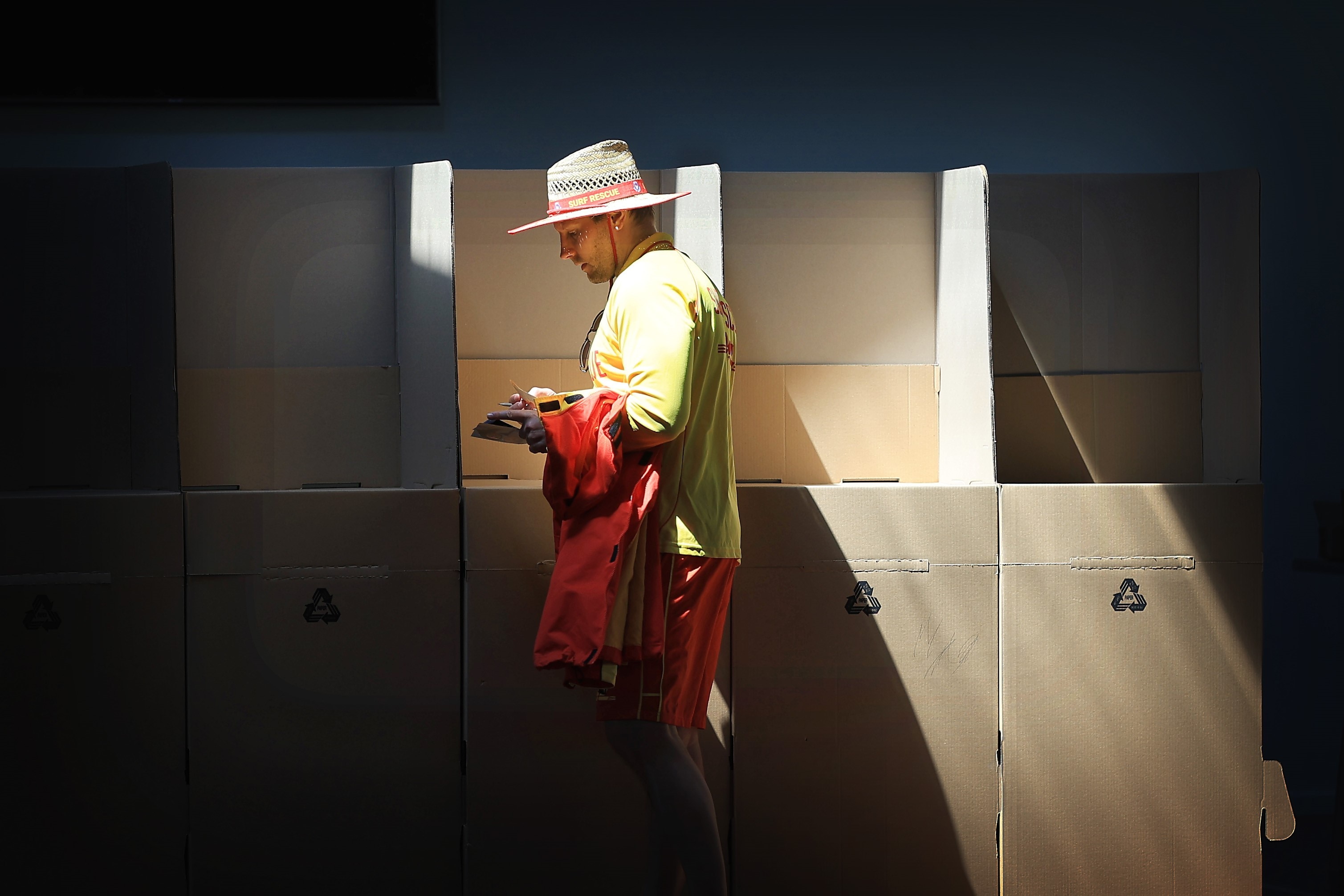
What are we doing when we vote?
This year marks the 100th anniversary of the first federal election to be held in Australia after the passage of Senator Herbert Payne’s private member’s bill, which made voting compulsory. In 1922, only 57.95 per cent of registered voters turned out. Payne’s home state of Tasmania had the poorest showing (45.93 per cent), whereas Queensland — where voting in state elections had
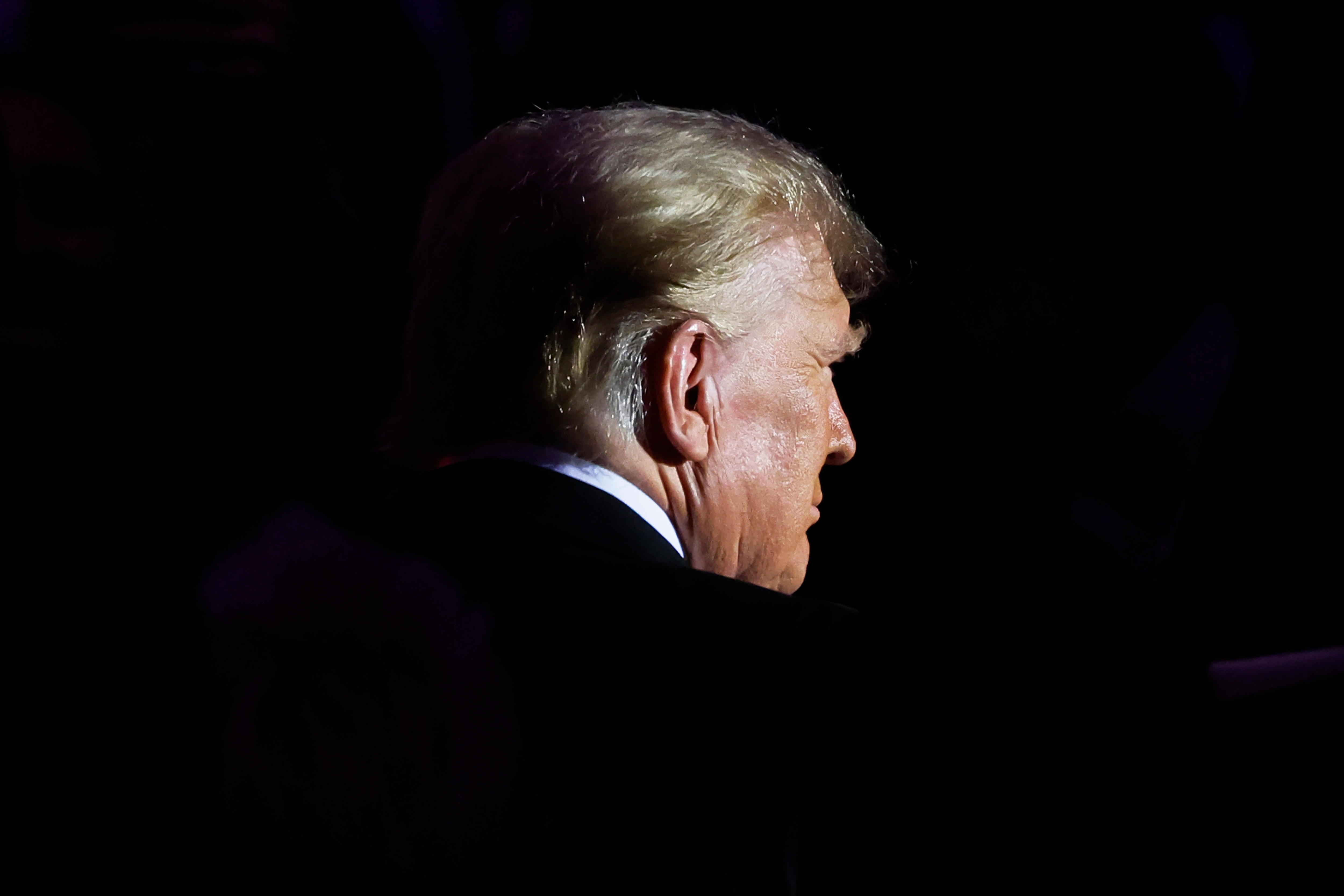
Can Australia’s federal election escape the shadow of Donald Trump?
If there is ever a time when politicians should be able to expect a fair share of the public’s attention, it’s during an election campaign. After all, this triennial event is when they can demonstrate to the Australian public that they’ve been attentive to their aspirations and concerns for the future, and have developed a series of policies able to address those hopes and fears.
Recommended

Australian Dental Council Exam Prep Podcast

From Idea to Intellectual Property

The Business Of

SBS Mandarin - SBS 普通话电台
The Dead Can't Sue
Shirtloads of Science

Credlin
The Science Show

Gettable
Saturday Extra - Full program podcast
Mick in The Morning with Roo, Titus and Rosie

The Rush Hour with JB & Billy
