Devpolicy Talks
Devpolicy Talks features interviews, event recordings, and documentary episodes on topics researched by the Development Policy Centre at the Australian National University. The podcast covers Australian aid, development in Papua New Guinea and the Pacific, and global development issues. It is associated with the Devpolicy Blog and public events like the PNG Update and Pacific Update.
Episodes
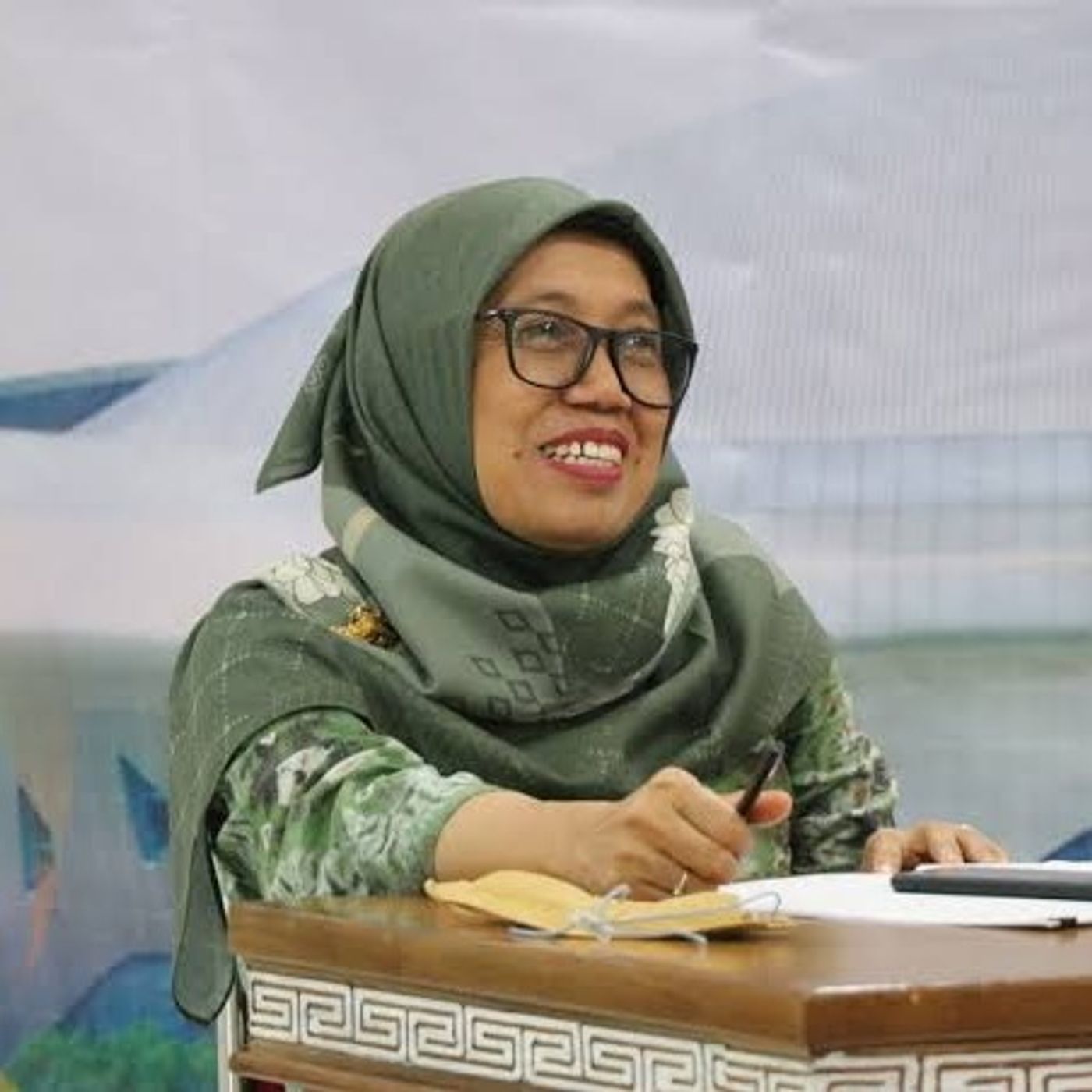
Women's empowerment at scale in Indonesia: an interview with Tri Hastuti Nur Rochimah
Robin Davies speaks with Dr Tri Hastuti Nur Rochimah, Secretary General of the Central Board of 'Aisyiyah and a lecturer in communication studies at Universitas Muhammadiyah Yogyakarta, about one of the world's largest women's organisations. Founded in 1917 as the women's wing of Muhammadiyah, 'Aisyiyah today counts around 25 million members and sympathisers across all 38 Indonesian provinces and

Murder in the Pacific: Matt Francis on aid and agency in Vanuatu
In this episode, Gordon Peake speaks with the pseudonymous crime writer Matt Francis about the Murder in the Pacific series, four novels set across the provinces of Vanuatu and featuring Sergeant George Long, a Ni-Vanuatu police officer of mixed Chinese and Ni-Vanuatu heritage, and his partner Constable Jaylene Olly. Francis explains that the idea took shape during a rainstorm outside the Australi

The Memorandum of Understanding podcast archive is now in this feed, filed under 2021
Gordon Peake's Memorandum of Understanding documentary podcast series, while produced by the Development Policy Centre, was formerly separate from Devpolicy Talks. Its back catalogue has now been added to this feed as a set of bonus episodes to ensure its continued availability.
Devpolicy Talks is the podcast of the Australian National University's Development Policy Centre. Read and subscribe to

Humanitarianism and public health: an interview with Rick Brennan
Rick Brennan, an Australian emergency physician appointed a Member of the Order of Australia in 2025, recounts the pivotal early decision that shaped his professional life — choosing public health and humanitarian work over clinical medicine after being offered a full-time role with the US Centers for Disease Control. He describes the emotional weight of that moment, knowing it meant the end of hi

2026 aid budget breakfast
Recorded the morning after the 2026–27 federal budget, this first episode of the 2026 season brings you the Development Policy Centre's fourteenth annual aid budget breakfast, hosted by Devpolicy Blog editor Amita Monterola with analysis from Cameron Hill and Robin Davies. The session was held live from the Pacific Security College studio at the Crawford School, with questions from an online audie

Navigating China and the Global South: a conversation with Eric Olander
Eric Olander, Editor-in-Chief of the China Global South Project, offers a nuanced perspective on China’s engagement with developing countries across Africa, Southeast Asia, Latin America and the Pacific. Drawing on 40 years of experience as a journalist covering China, including stints at the BBC, Associated Press and CNN, Olander challenges dominant Western narratives about Chinese development fi
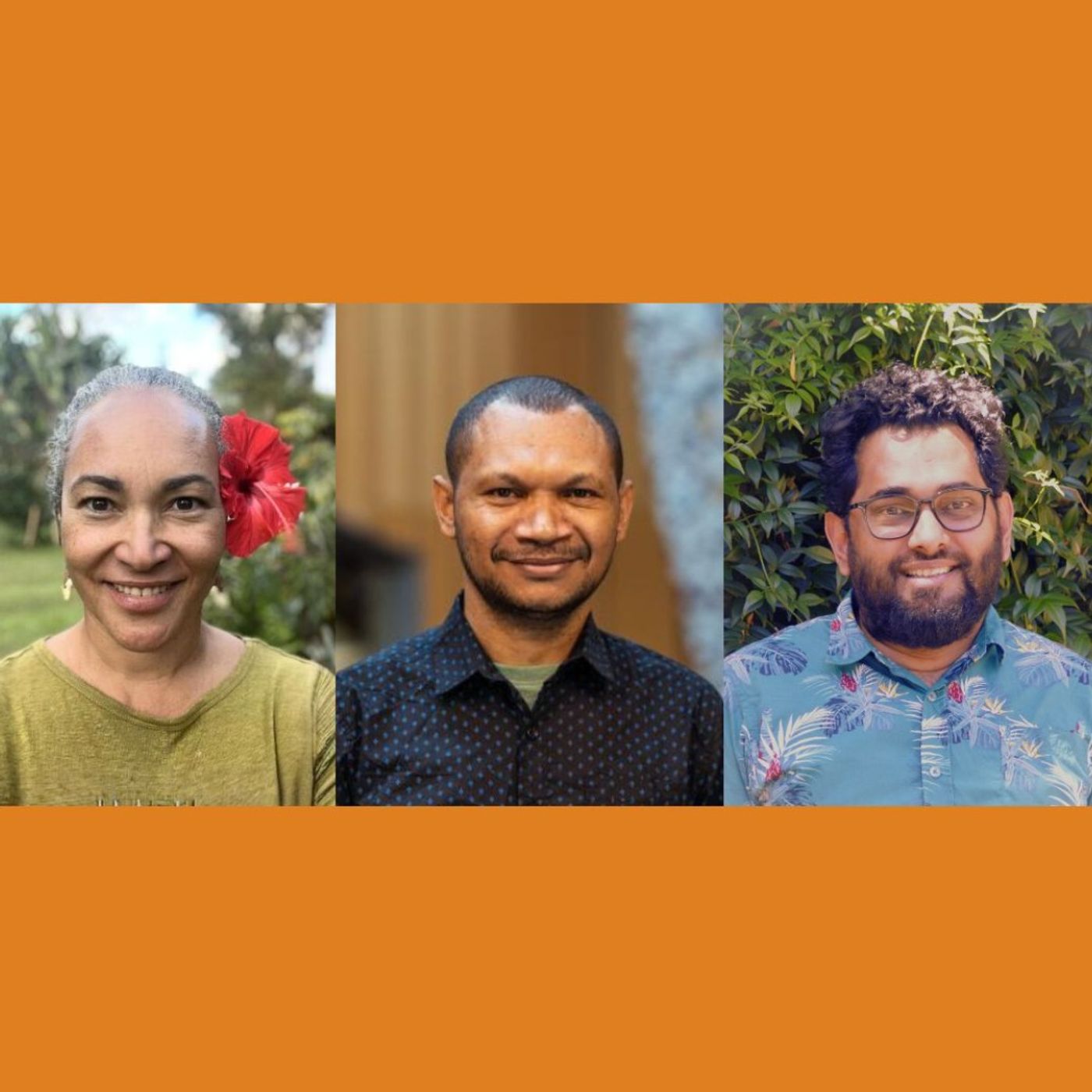
Pacific democracy: global indices and lived realities
This episode explores the state of democracy in the Pacific, focusing on a joint report by International IDEA and the Australia National University's Department of Pacific Affairs (DPA). The report, released in mid-2025, assesses data from Fiji, Papua New Guinea, Solomon Islands and Vanuatu. It then looks at all Pacific nations, covering the six themes of grassroots democracy, scale, localised pol

Global public goods and the architecture of cooperation: a conversation with Inge Kaul
Inge Kaul, pioneering development economist and architect of the global public goods framework, discusses her groundbreaking work on international cooperation and development financing in this 2015 interview recorded at her flat in Berlin. Economists define public goods — like street lighting — as things everyone benefits from that nobody can be excluded from using. The problem is that individuals

Water, climate and adaptation: a conversation with Dr Aditi Mukherji
Dr Aditi Mukherji, Principal Scientist at the International Livestock Research Institute and coordinating lead author of the Intergovernmental Panel on Climate Change's water chapter, discusses her career spanning groundwater management, climate adaptation and the urgent challenge of the 1.5-degree threshold. From her groundbreaking work challenging conventional wisdom about groundwater in eastern
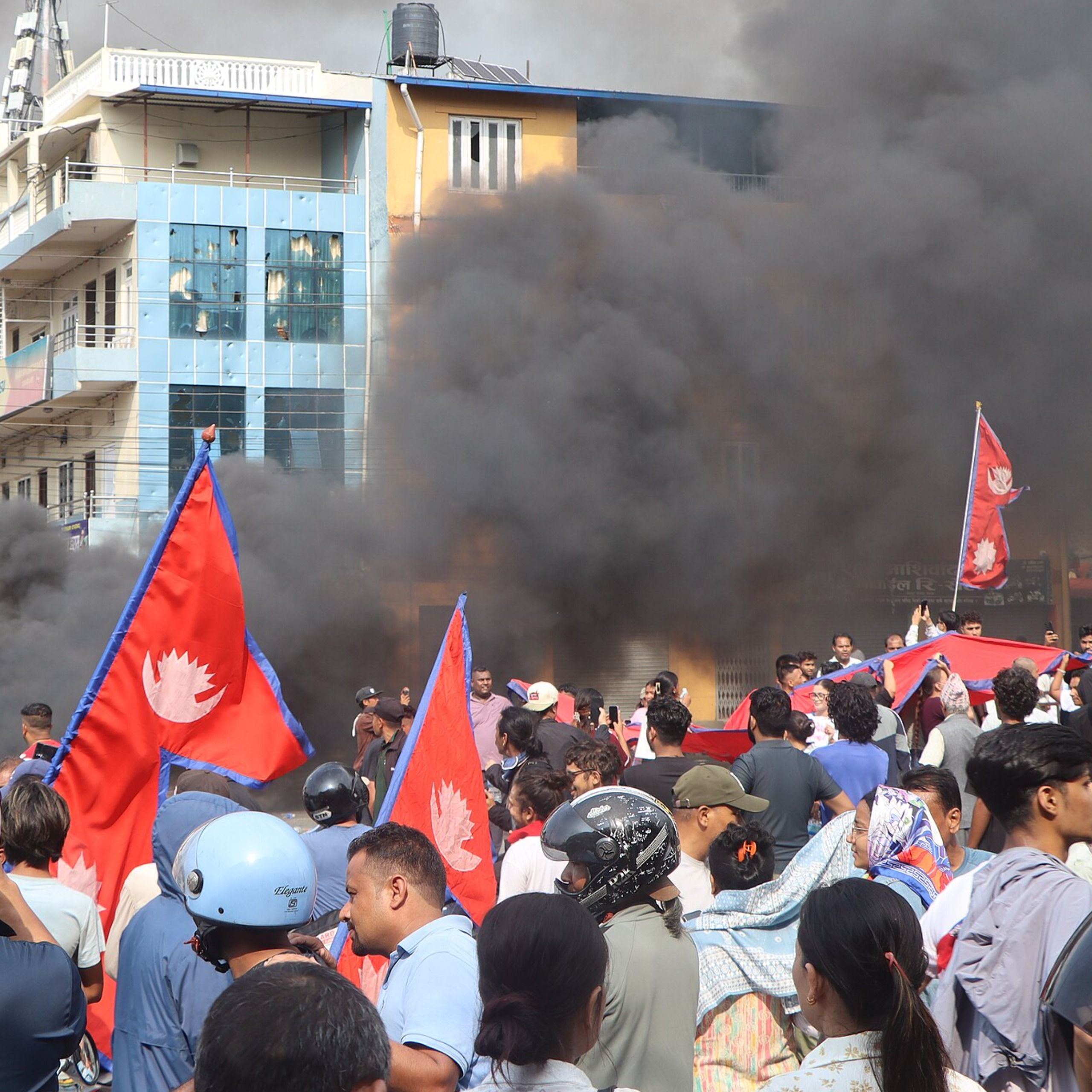
Youth uprisings: understanding the protests in Indonesia and Nepal
In August and September 2024, thousands of young people took to the streets across Southeast and South Asia in unprecedented displays of protest. This episode examines the youth-led demonstrations that erupted in Indonesia on 25 August and Nepal on 8 September, exploring the deeper frustrations driving Generation Z activism beyond the headlines of violence and regime change. Host Amita Monterola s
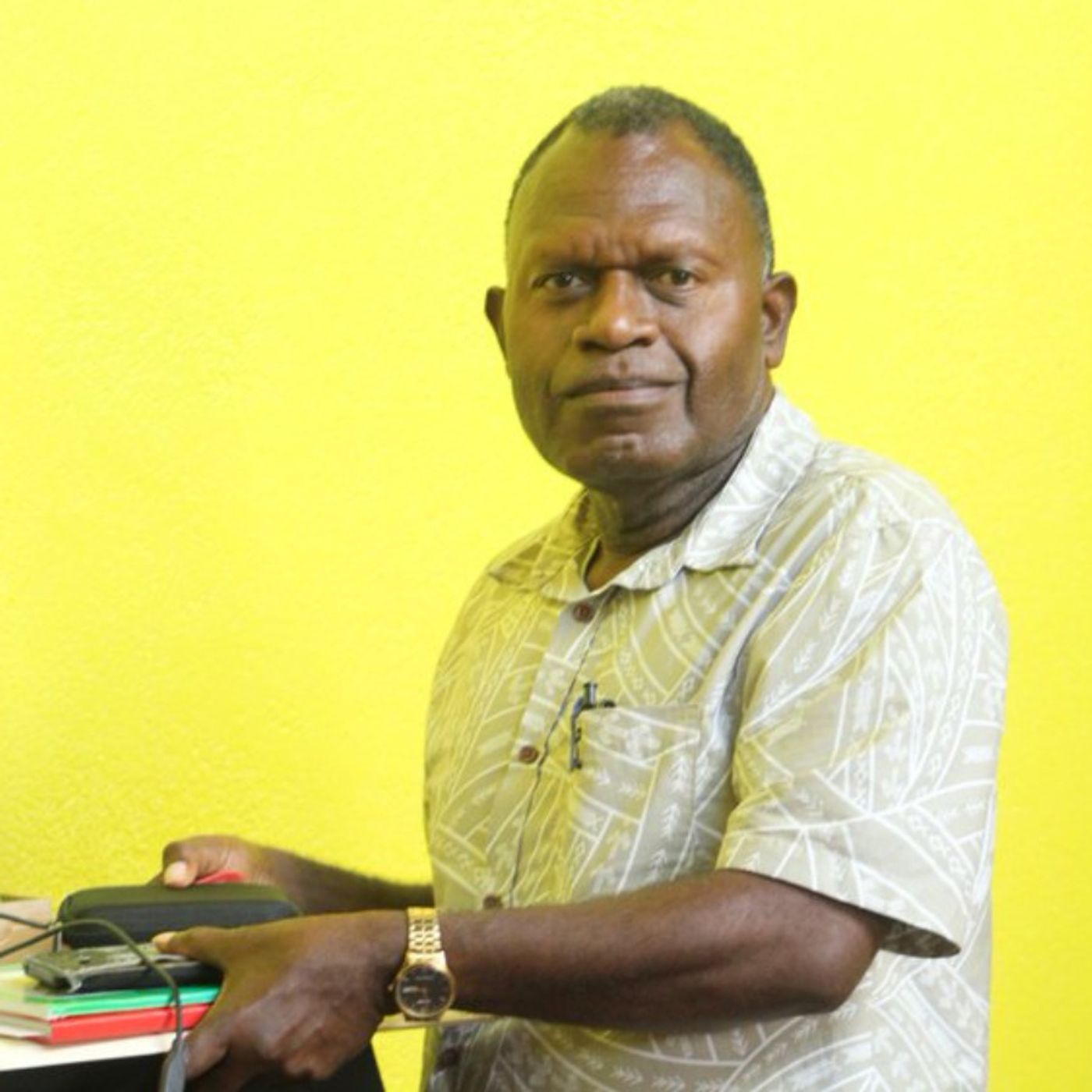
From Vanuatu's challenges to Melanesian cooperation: a conversation with Gregoire Nimbtik
The conversation begins with Nimbtik's background as head of Vanuatu's Prime Minister's Department and Deputy Director General of the Melanesian Spearhead Group Secretariat. He provides context for understanding Vanuatu's current challenges by tracing the country's history from its unique condominium colonial system — where British and French administrations operated in parallel — through independ

From serendipity to global impact: a conversation with Glenn Denning
Glenn Denning, Professor of Practice at Columbia University's School of International and Public Affairs and founding Director of the Master of Public Administration in Development Practice program, reflects on his remarkable 40-year career in international agricultural development. From his serendipitous start, Denning has become one of the world’s leading experts in food security and sustainable

The Pacific Engagement Visa: what you need to know about the 2025 ballot
The Pacific Engagement Visa offers a life-changing opportunity for up to 3,000 Pacific Islanders and Timorese citizens annually to gain permanent residency in Australia. In this episode, Development Policy Centre Research Officer Natasha Turia discusses the newly opened 2025-2026 ballot, sharing insights from her research tracking the program's rollout and surveying PEV winners from Papua New Guin
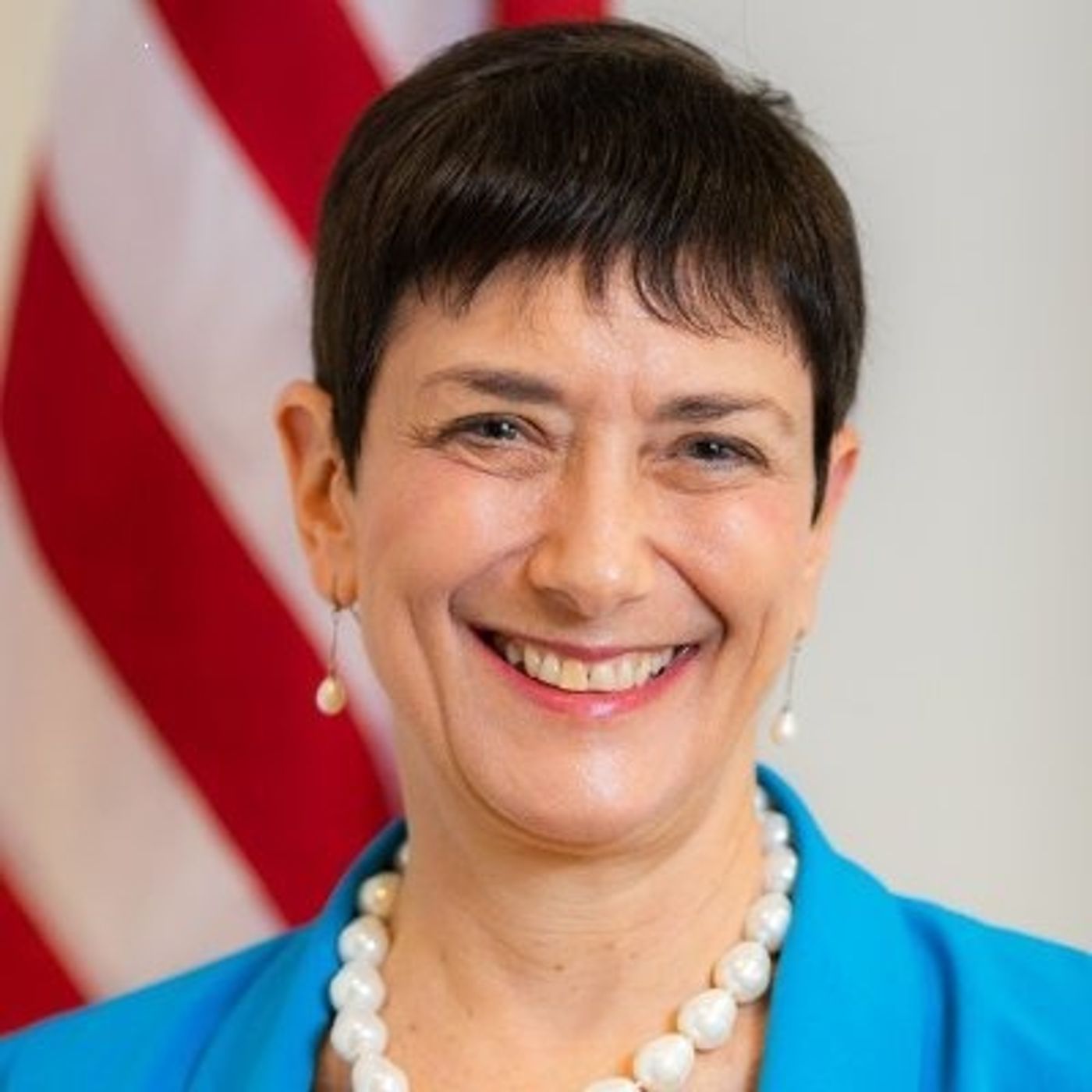
US-Pacific relations under Trump: a conversation with Judith Cefkin
Former US Ambassador Judith Cefkin provides a sobering assessment of how the Trump administration's foreign policy shifts are reshaping American engagement with Pacific Island nations. Drawing on her 35-year diplomatic career and experience as US Ambassador to Fiji, Kiribati, Nauru, Tonga and Tuvalu from 2015-2018, Cefkin warns that the administration's withdrawal from the Paris Agreement, dismant
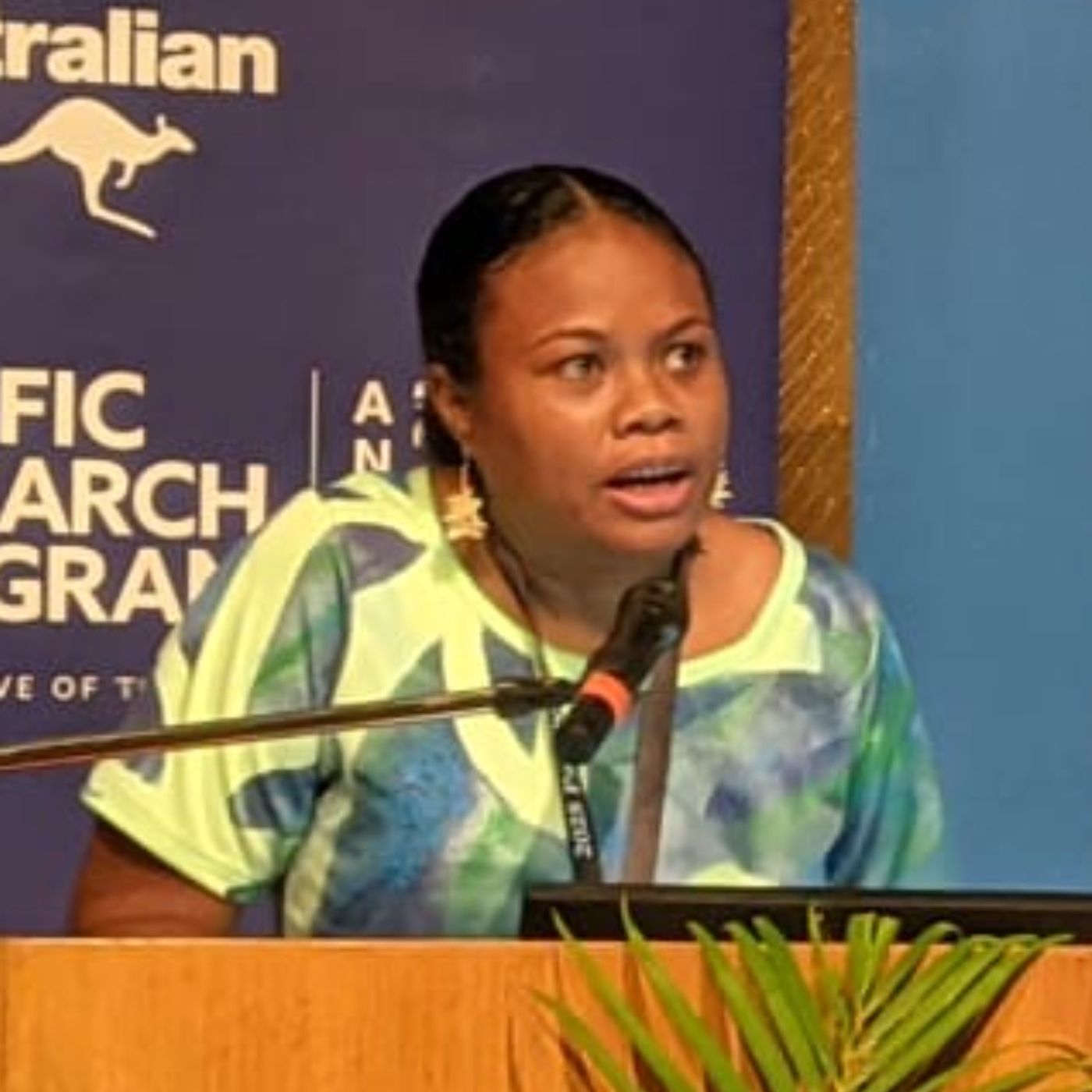
Managing labour mobility for Solomon Islands: a conversation with Christina Marau
Christina Marau, Director for Labour Mobility at the Solomon Islands Ministry of Foreign Affairs and External Trade, provides an insider's perspective on how Pacific labour mobility schemes operate in practice. Drawing on her experience managing a system that handles thousands of applications and maintains a database of 6,500 work-ready candidates, Marau explains how Solomon Islands has become one
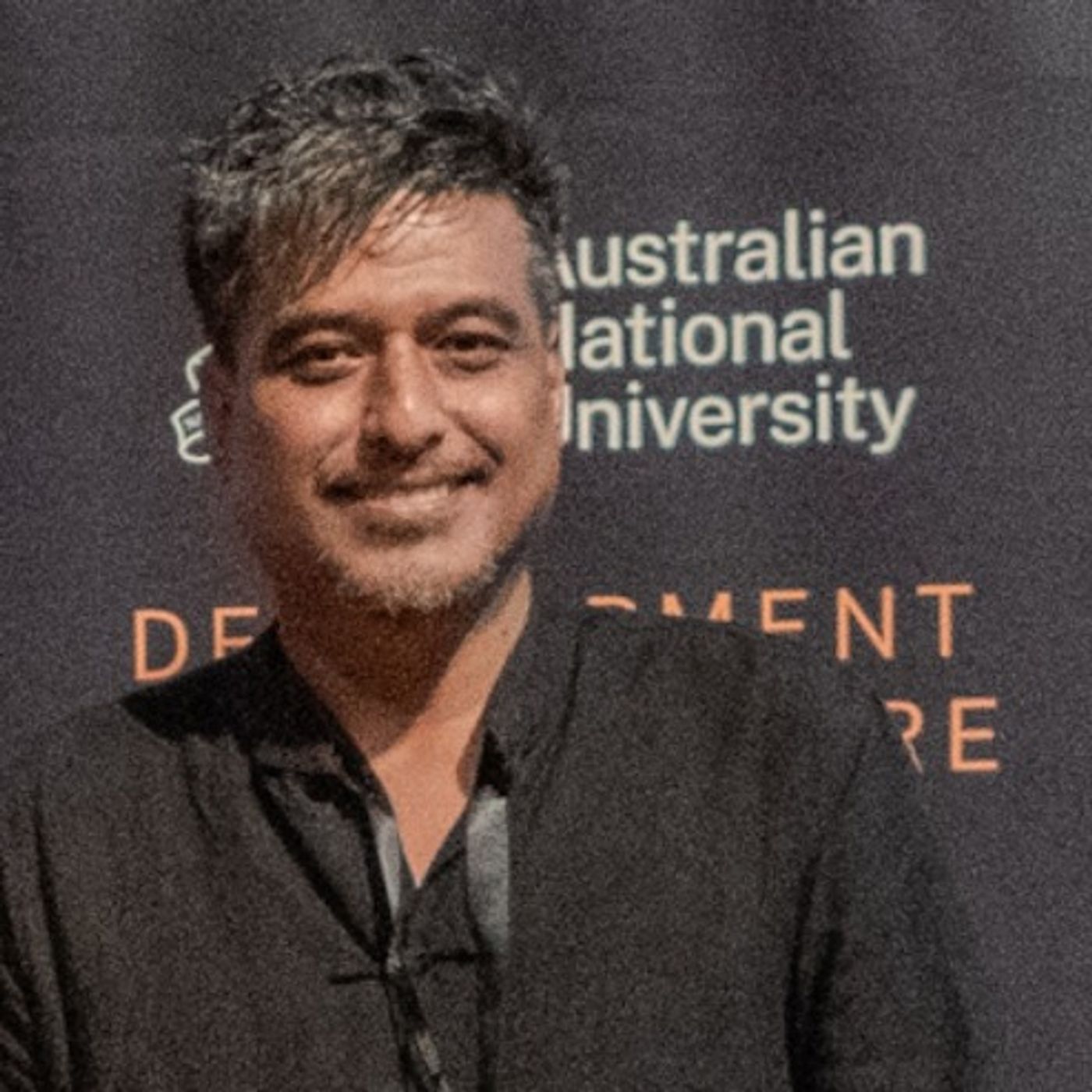
Uncovering Kiribati: Rimon Rimon on press freedom in the Pacific
In this episode, we delve into the life and work of Rimon Rimon, a dynamic i-Kiribati citizen who has shaped both the public narrative in his own country and the evolution of independent journalism in the Pacific. Rimon’s career began in education and government service, but it was his appointment as Lead Communications and Public Relations Adviser to President Anote Tong that placed him at the ce

Fiji's economic future: a conversation with Deputy Prime Minister Biman Prasad
The episode opens with Deputy Prime Minister Biman Prasad reflecting on his transition from academia to politics. Born in Dreketi, Vanua Levu, in a rice farming area that benefited from Australian aid programs in the 1970s, Prasad rose through the academic ranks to become Professor of Economics and Dean of the Faculty of Business and Economics at the University of the South Pacific. He left academ
Fighting for Every Breath: a conversation with Leith Greenslade
The episode opens with Leith Greensalde recounting her journey from rural Queensland to international global health work. After starting her career as a political adviser to senior Labor politicians including Brian Howe, she moved to the United States for graduate study at the Harvard Kennedy School prior to Labor's anticipated 1996 election loss. Following a brief and unsatisfying return to work

Solving wicked humanitarian problems: a conversation with Dr Helen Durham AO
The episode opens with Helen describing her unexpected route into humanitarian law, beginning as a labour lawyer before being drawn into international work through her involvement with women from the former Yugoslavia in the 1990s. Her early efforts to help establish rape as a war crime led her to gather evidence for war crimes tribunals and pursue a PhD on the laws of war, focusing on the prosecu
Intelligence for good: Jelle Postma on unveiling anti-rights actors
The interview opens with Postma reflecting on his career trajectory, from senior roles at the United Nations and the Dutch Ministry of Justice and Security to founding Justice for Prosperity. He explains how the organisation operates at the intersection of intelligence and advocacy, using advanced technologies — including AI-driven tools — to map and counter the tactics of anti-rights actors. Post
2025 federal election special
This special episode is a joint production of the Australian National University’s Development Policy Centre, the Australian Council for International Development, the International Development Contractors Community and the Safer World for All Campaign. The episode opens with Minister Pat Conroy outlining Labor’s record and vision for Australia’s international development program. He highlights th

Safeguarding crop diversity: a conversation with Stefan Schmitz
In this episode of Devpolicy Talks, Robin Davies interviews Stefan Schmitz, Executive Director of the Global Crop Diversity Trust.The conversation begins with a discussion of the Svalbard Global Seed Vault in Norway. Often called the "Doomsday Vault", it actually serves as a safety backup for the world's 800+ gene banks, protecting against localised mishaps like civil wars, fires, or natural disas
Stability amidst uncertainty: 2025 Australian aid budget analysis
In this episode of Devpolicy Talks, Amita Monterola speaks with Dr Cameron Hill and Honorary Professor Robin Davies about Australia's 2025-26 aid budget. The conversation reveals two competing narratives within the budget: Australia's repositioning in an uncertain global environment alongside its role as a stable and reliable partner during turbulent times.The analysis shows that despite rhetoric
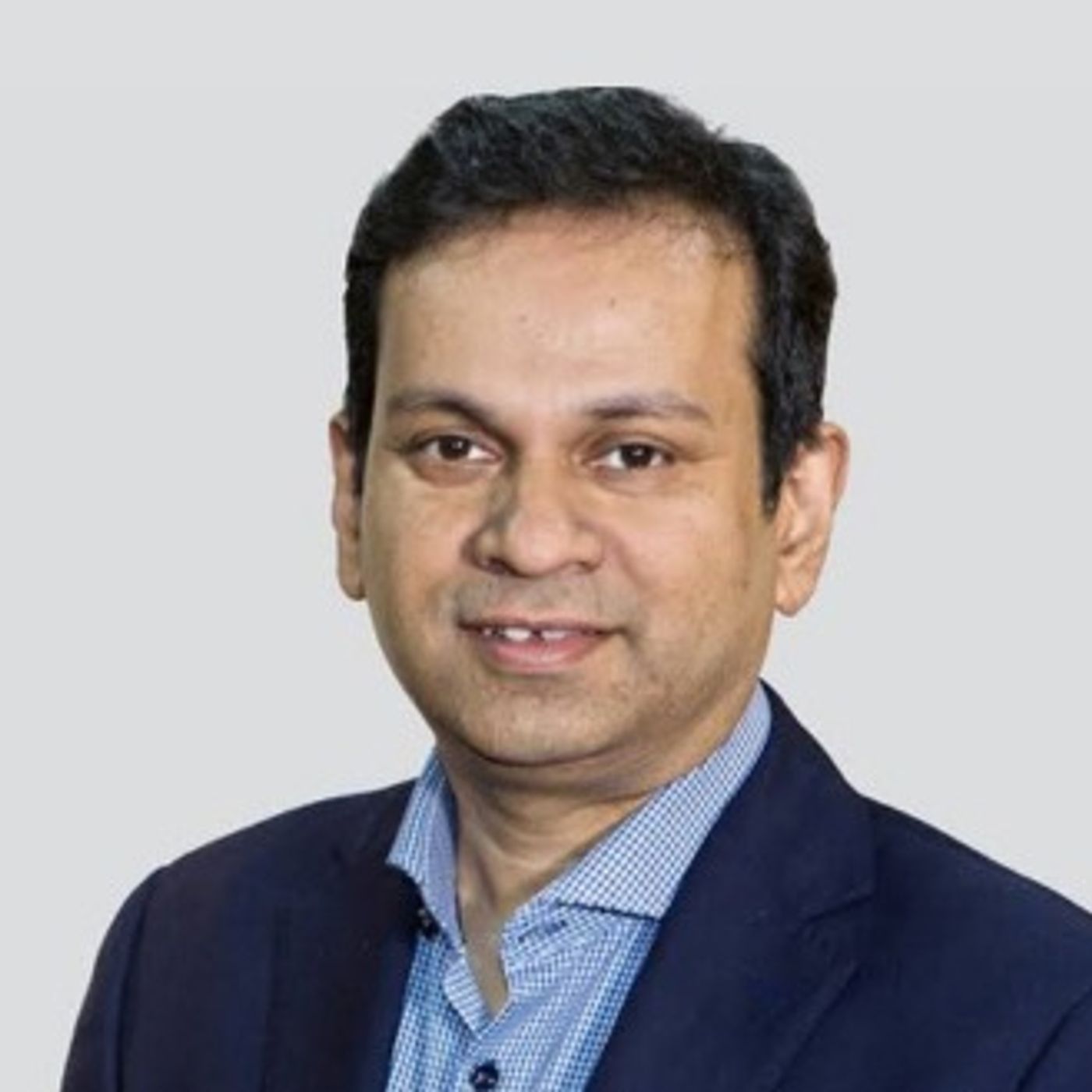
Asif Saleh on BRAC as an innovative social conglomerate
In this episode of Devpolicy Talks, Robin Davies interviews Asif Saleh, the Executive Director of BRAC, one of the world’s largest and most influential non-governmental organisations. Asif reflects on BRAC’s remarkable evolution from a post-war relief organisation in Bangladesh to a global leader in tackling poverty, health, education and social innovation. Under his leadership, BRAC has identifie

Global health in crisis: a conversation with Nina Schwalbe
In this episode of Devpolicy Talks, Robin Davies interviews Nina Schwalbe about the dramatic shifts in US global health policy under the Trump administration and their far-reaching consequences. As founder of Spark Street Advisors and a global health expert with extensive experience in multilateral organisations, Nina provides a sobering account of how these changes are reshaping international dev

Australasian AID Conference: looking forward to AAC2025
The Australasian AID Conference (AAC), held annually in partnership with The Asia Foundation, has become an integral part of the Australian and regional aid calendar.We are pleased to announce ACC2025 will be held from Wednesday 3 to Friday 5 December at the Australian National University in Canberra.The aim of the conference is to bring together researchers from across Australia, the Pacific, Asi
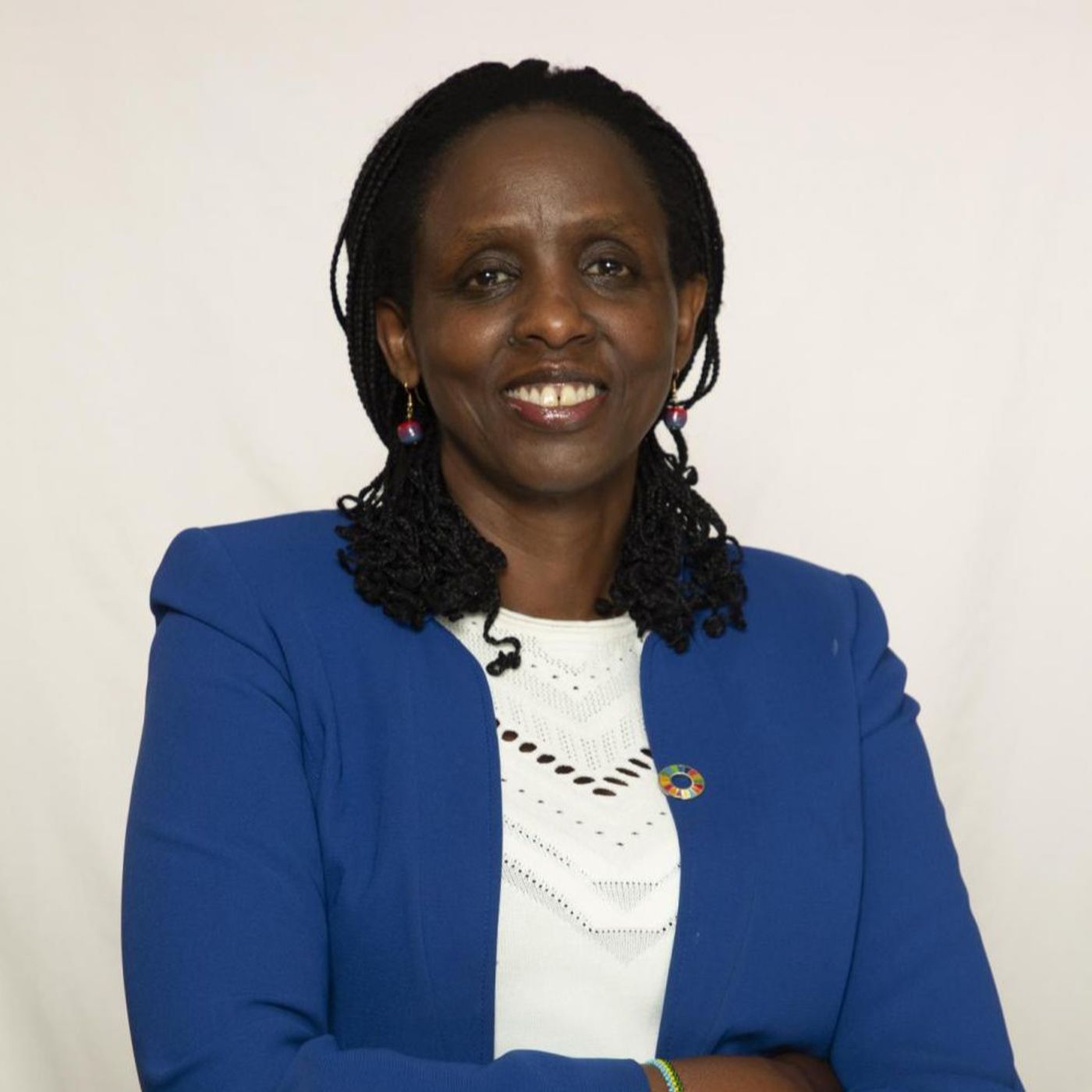
Agnes Kalibata on transforming African agriculture
Robin Davies speaks with Dr Agnes Kalibata, who has led the Alliance for a Green Revolution in Africa for the past decade and previously served as Rwanda's Minister of Agriculture, in which role she helped achieve remarkable reductions in poverty and malnutrition. In this discussion, Kalibata explains AGRA's evolution as a bridge between research organisations, funders and rural communities. She e

Masood Ahmed on development cooperation in a contested world
Robin Davies speaks with Sir Masood Ahmed, the distinguished international economist whose career spans over 35 years at the forefront of international development. Up to July 2024, Ahmed served as President of the US-based Center for Global Development for seven years, following influential roles at the International Monetary Fund, the World Bank and the UK's Department for International Developm

Vaccinating the next billion: Gavi’s CEO Dr Sania Nishtar
Gavi is a unique global health partnership that has revolutionised access to vaccines in lower-income countries since 2000. Working with governments, UN agencies, private sector partners and civil society, Gavi has helped immunise more than one billion children, averted 18 million deaths and generating over US$200 billion in economic benefits. The organisation is known for its efficiency, keeping

Climate justice and the World Court: Cynthia Houniuhi
It’s the eve of COP29, the global climate change conference in Baku, Azerbaijan. In this episode, with thanks to the Australian Museum, we rebroadcast the 2024 Talbot Oration, delivered by Cynthia Houniuhi. You'll hear how a small group of committed Pacific law students transformed their classroom project into a global movement for climate justice, demonstrating the power of determined advocacy to
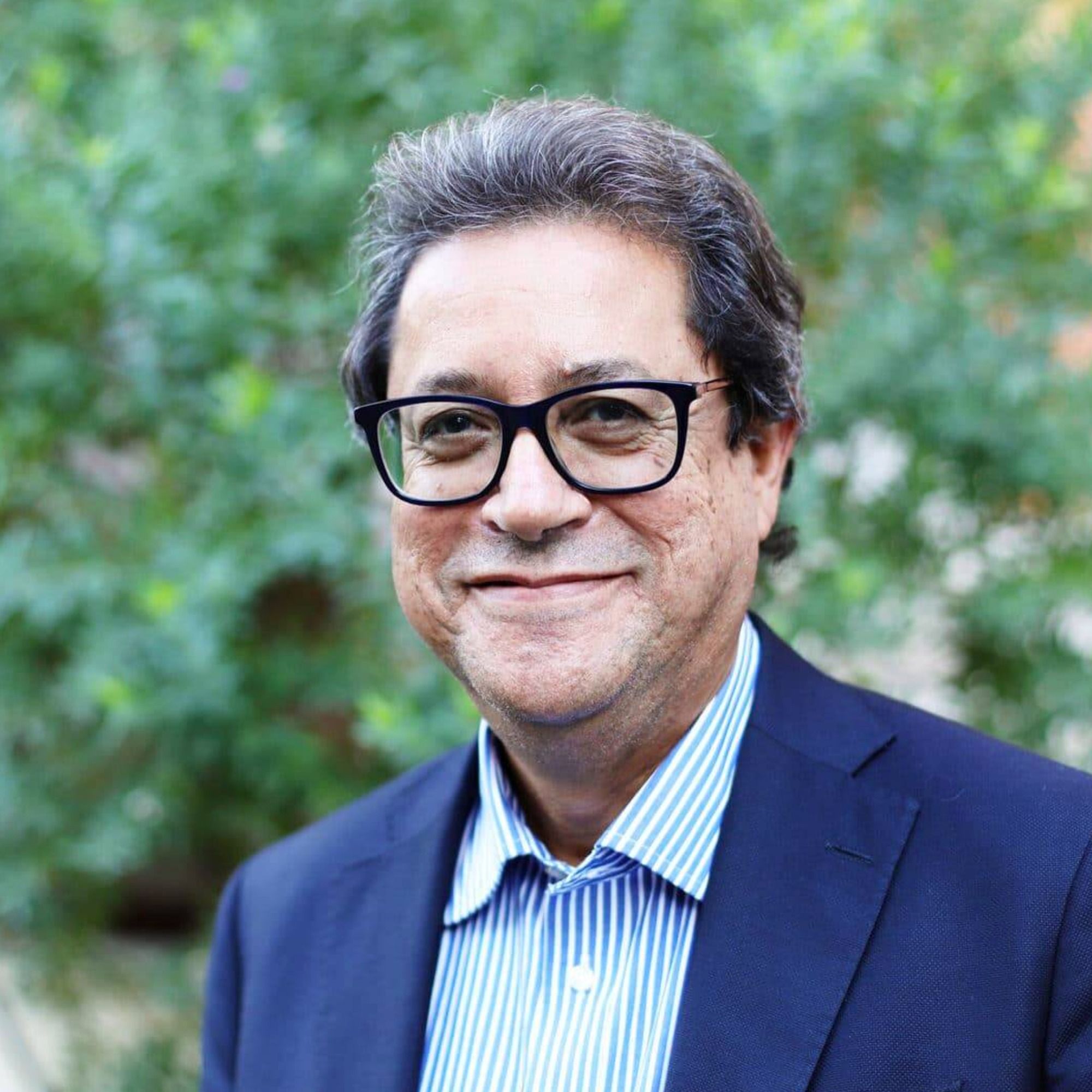
Cultivating resilience, part 3: ICARDA’s vision for dryland agriculture
In this episode, Robin Davies speaks with Dr Aly Abousabaa, the Director General of the International Centre for Agricultural Research in the Dry Areas (ICARDA). This is the final in a three-part series on the CGIAR network of agricultural research centres. You can hear Robin’s interview with the Executive Managing Director of CGIAR, Dr Esmahane Elouafi, in episode 320, and his interview with Dr B

Cultivating resilience - Part 2: CIMMYT's mission to transform global food systems
In this episode, Robin Davies speaks with Dr Bram Govaerts, the Director General of the International Maize and Wheat Improvement Center (CIMMYT). This is the second in a three-part series on the CGIAR network of agricultural research centres. You can hear Robin’s interview with the Executive Managing Director of CGIAR, Dr Esmahane Elouafi, in episode 320, and his interview with Dr Aly Abousabaa,

Cultivating resilience - Part 1: CGIAR’s vision for global food security
In this episode, Robin Davies speaks with Dr Ismahane Elouafi, the Executive Managing Director of CGIAR.CGIAR (formerly the Consultative Group for International Agricultural Research) is a global partnership that unites international organisations engaged in research about food security. CGIAR's mission is to deliver science and innovation that advance the transformation of food, land, and water s

Pacific gender equality: a regional perspective
In this episode, Robin Davies speaks with Dr Fiona Hukula, the Gender Specialist at the Pacific Islands Forum Secretariat. Dr Hukula is a social anthropologist with a Doctorate from the University of St Andrews. Over more than 20 years, she has dedicated her career to policy and social research, focusing on gender-based violence, urban issues, and socio-legal studies in the Pacific region. Prior t

What would an independent New Caledonia mean for Australia? A discussion with Nic Maclellan
In this episode, Robin Davies speaks with the distinguished Australian journalist and researcher Nic Maclellan. Over the years, Nic has extensively covered the political and social dynamics of New Caledonia, providing unique insights into its complex relationship with France and the ongoing independence movement.New Caledonia is going through a period of substantial unrest and tension, largely dri

The first ten years: Femili PNG’s work with survivors of family and sexual violence since 2014
Robin Davies speaks with Daisy Plana, CEO of Femili PNG, together with in-house lawyer Delwyn Dau and caseworker Elly Toimbo, on the occasion of the organisation’s tenth anniversary. Femili PNG is a pioneering organisation dedicated to supporting survivors of family and sexual violence in Papua New Guinea through its case management centres in Lae, Port Moresby, and Goroka, as well as a safe house

Better than cash: Ruth Goodwin-Groen on how digital payments promote safety, transparency and inclusiveness
Robin Davies speaks with Dr Ruth Goodwin-Groen, an Australian financial inclusion specialist who recently stepped down from her position as founding Managing Director of the Better than Cash Alliance, a position in which she served for over a decade. Ruth has devoted much of her working life to furthering the idea that digital payment systems, well managed, can be swifter, safer, more transparent
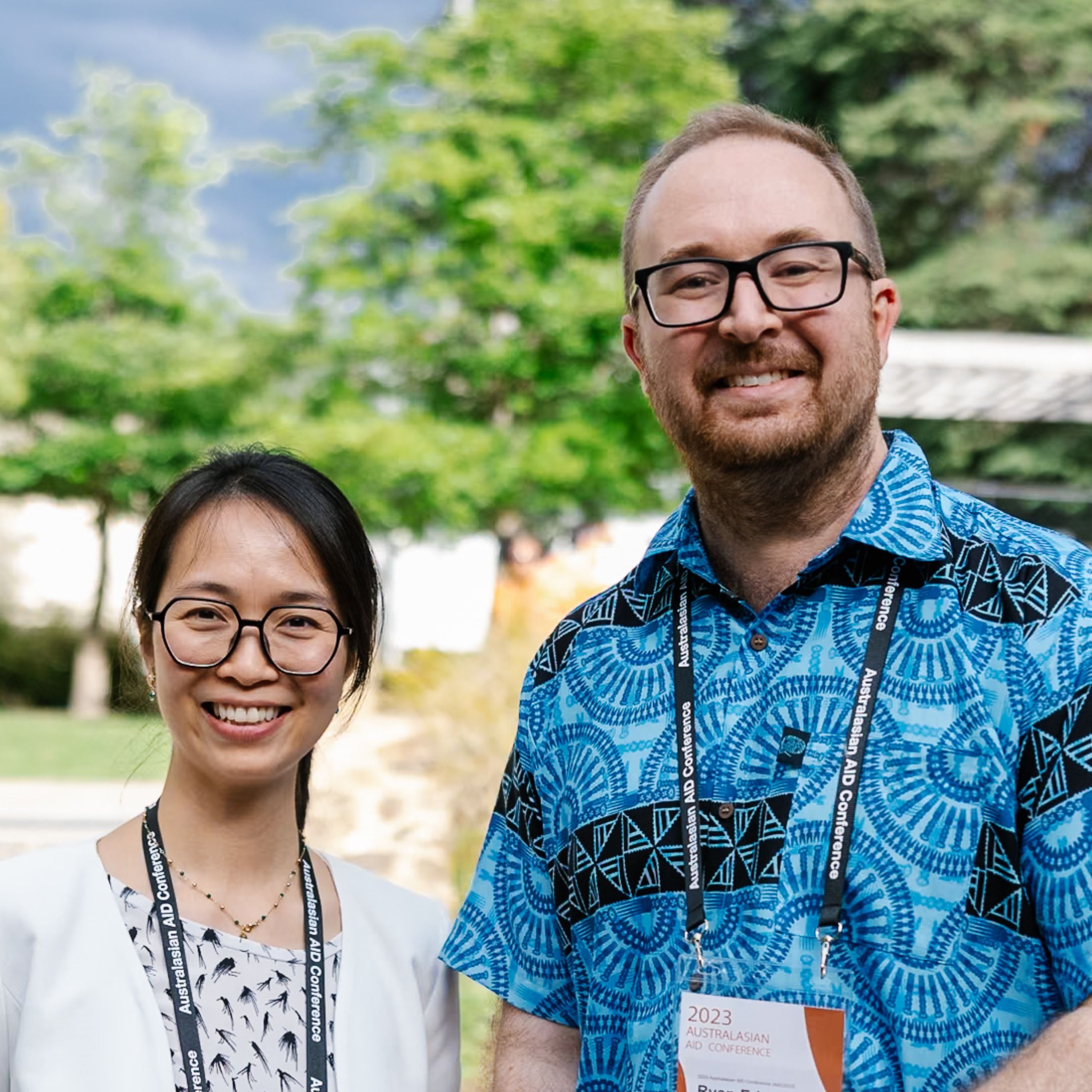
The gains and pains of working away from home
Development Policy Centre Deputy Director Ryan Edwards and Dung Doan, an Economist in the World Bank's Social Protection and Jobs team, discuss the Pacific Labour Mobility Survey, which was conducted between 2020 and 2023.Edwards and Doan explain how the joint research project between the Australian National University and the World Bank was a comprehensive study of Pacific migrants working in Aus
Helder Lopes on governing Timor-Leste’s financial sector
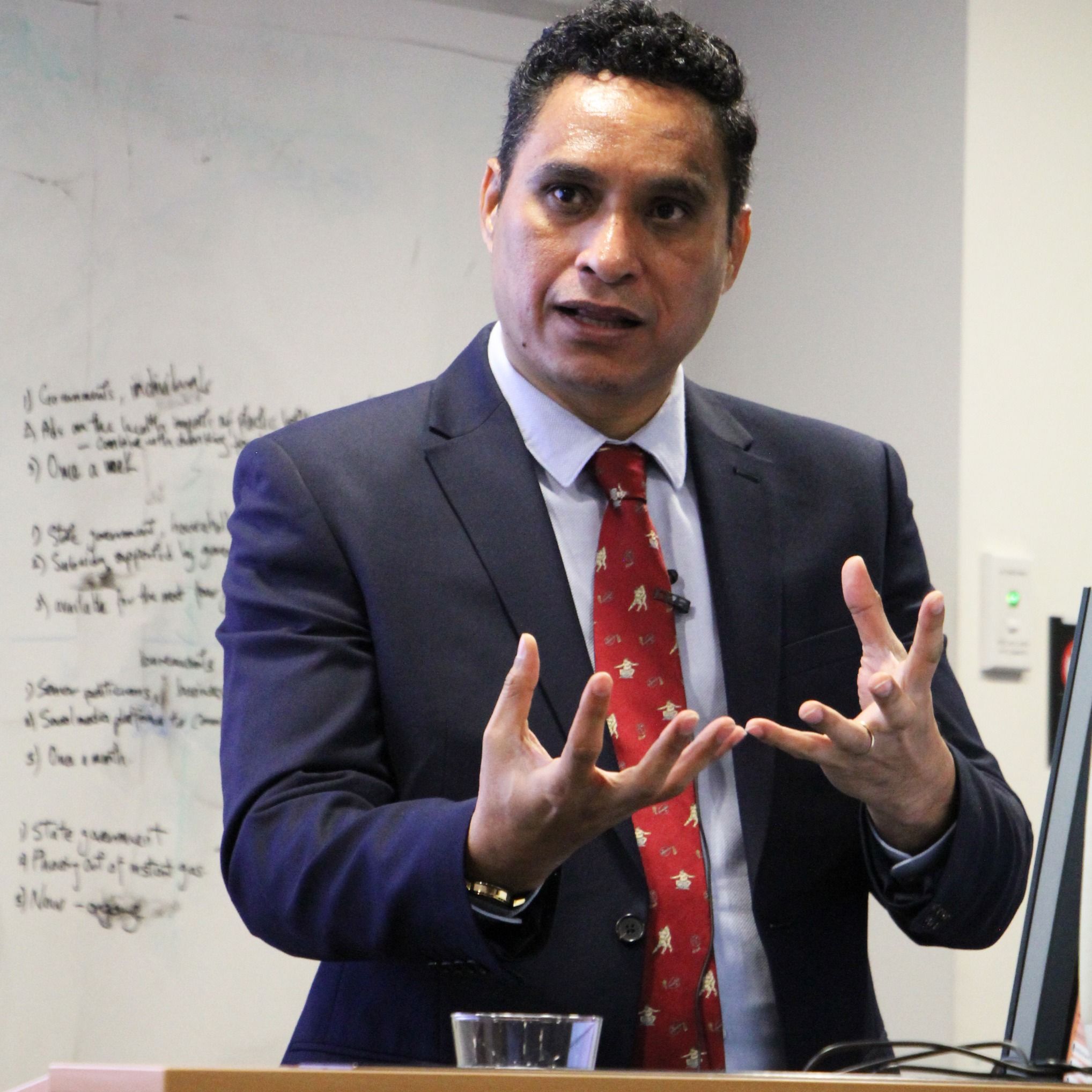
Helder Lopes, Governor of Timor-Leste’s Central Bank, spoke with Robin Davies when he visited Australia in May 2024 under the Special Visits Program of the Department of Foreign Affairs and Trade.The Central Bank of Timor-Leste is a young institution, established in 2011. It combines some of the responsibilities of our own reserve bank with those of the Australian Securities and Investments Commis

MSF’s Dr Christos Christou on the shrinking of the humanitarian space
Dr Christos Christou, International President of Médecins sans Frontières (MSF), spoke with Robin Davies when he visited Canberra to meet senior government figures and speak at both the National Press Club and the Development Policy Centre. Christos was appointed to his current role in mid-2019. He has been with MSF in many capacities since 2002, including as director of the organisation’s Greek c

2024 aid budget analysis
On 14 May 2024, the Australian government delivered its first budget since the release of the 2023 international development policy and DFAT’s review of development finance. Professor Stephen Howes and Dr Cameron Hill expand on Devpol's 2024 budget breakfast to give an update on recent developments in aid volume and performance, plus upcoming multilateral replenishments.You can find Devpol's full

IFAD and smallholder agriculture in the Asia-Pacific
Alvaro Lario, President of the International Fund for Agricultural Development, together with his colleague Ron Hartman, spoke with Robin Davies when they visited Australia in March 2024 to encourage the Australian Government to rejoin the Fund. Lario explains IFAD’s distinctive role in supporting small-scale farming to reduce rural poverty and boost economic growth in the Asia-Pacific region. Har

Can the world’s governments agree on a better framework for pandemic response?
Helen Clark sat down with Robin Davies on her March 2024 visit to the Australian National University to talk about whether governments and global institutions are ready to change the way they respond to pandemics.Clark has had a long career in public service as New Zealand’s Prime Minister, Administrator of the United Nations Development Programme and Co-Chair of the Independent Panel on Pandemic

Memorandum of Understanding – Steak-holders speak
The Memorandum of Understanding podcast documentary series was formerly separate from Devpolicy Talks. Its back catalogue has now been merged into Devpolicy Talks Season 10.
How does the Pacific Labour Scheme (PLS) challenge the conception of what aid is, who works on it, and who benefits from it?
In the first part of the PLS mini-series, we profiled the hard yakka that is the daily grind inside W

2021 aid budget breakfast
On the eve of the 2021–22 Federal Budget, Stephen Howes set out three tests for Australia’s aid budget: Will there be any further increases in aid next year? Will the government sustain any aid increases beyond this year and next? Will the Department of Foreign Affairs and Trade provide an estimate of this year’s and next year’s Official Development Assistance (ODA)? In this ninth edition of Devpo
Memorandum of Understanding - Migrant labour by no means cut and dried
The Memorandum of Understanding podcast documentary series was formerly separate from Devpolicy Talks. Its back catalogue has now been merged into Devpolicy Talks Season 10.
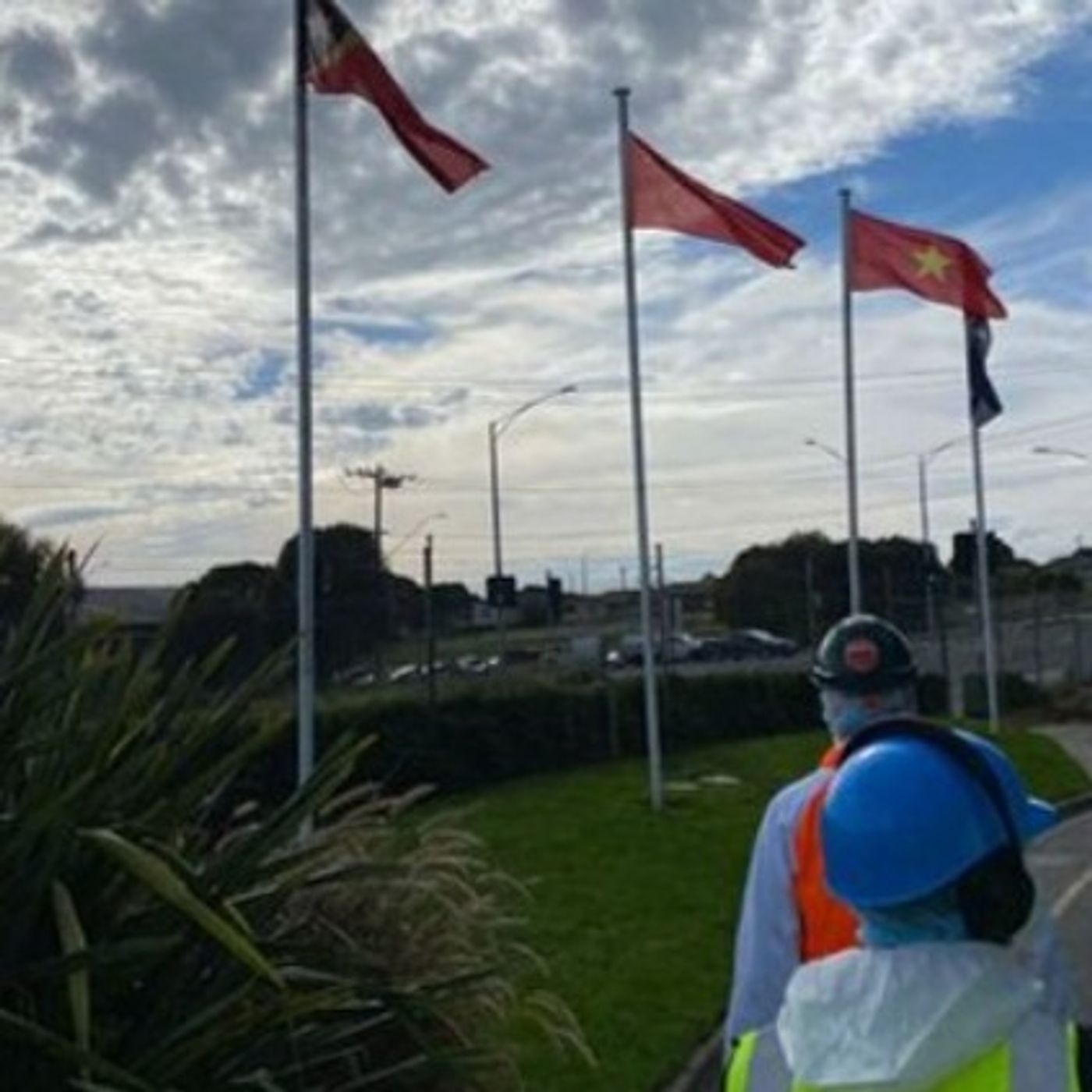
Foreign aid has traditionally occurred “over there”, so what happens when international development is delivered within our borders?
This episode we take to the road and head to Warrnambool, a large country town in Victoria’s
Memorandum of Understanding – Carbon: Money grows on trees
The Memorandum of Understanding podcast documentary series was formerly separate from Devpolicy Talks. Its back catalogue has now been merged into Devpolicy Talks Season 10.
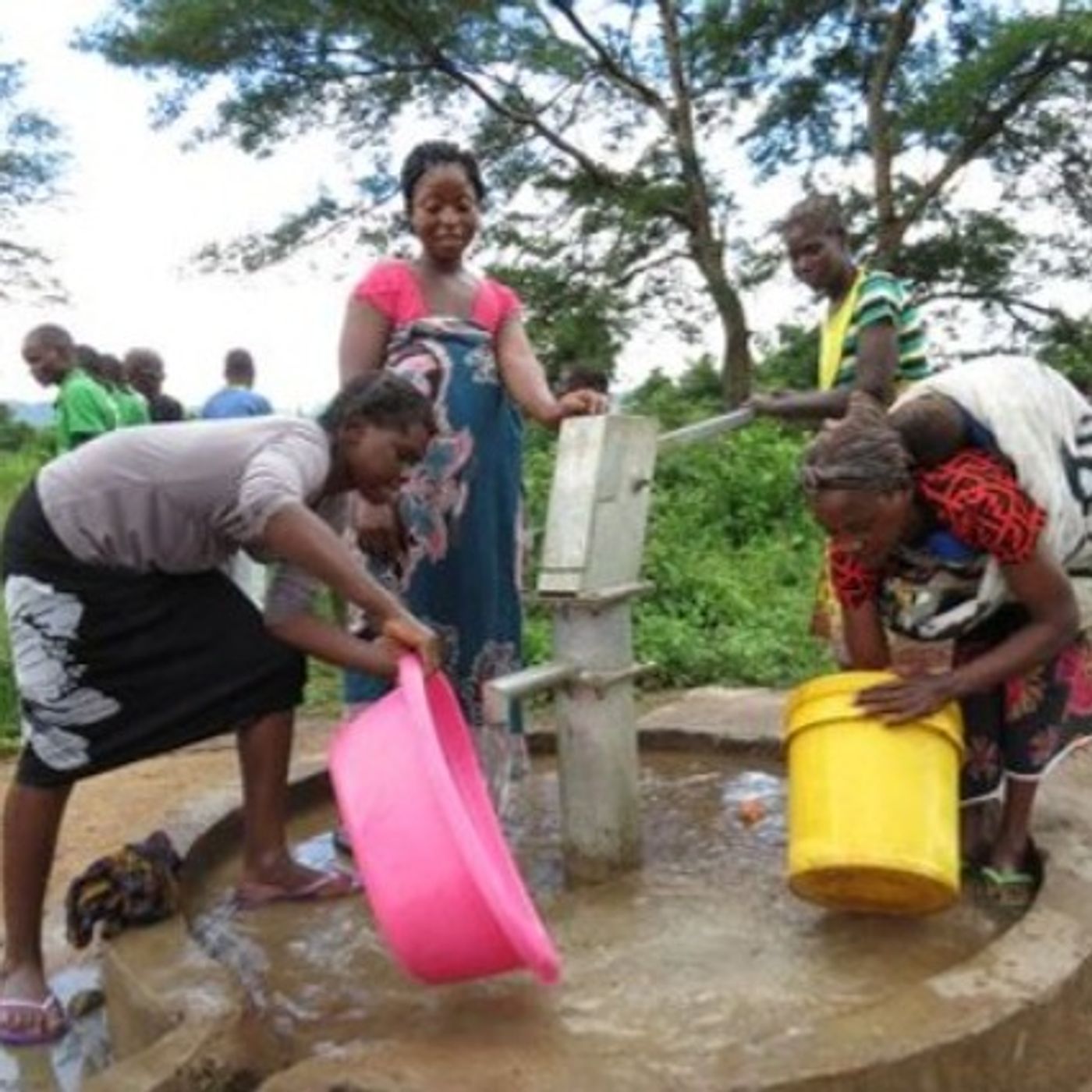
The forest is a resource traditionally deemed more valuable dead, chopped down or transported away in trucks and boats. For decades, development donors and NGOs have appealed to the moral high ground, attempting to persuade th
Memorandum of Understanding – Somaliland: State-ing the obvious
The Memorandum of Understanding podcast documentary series was formerly separate from Devpolicy Talks. Its back catalogue has now been merged into Devpolicy Talks Season 10.
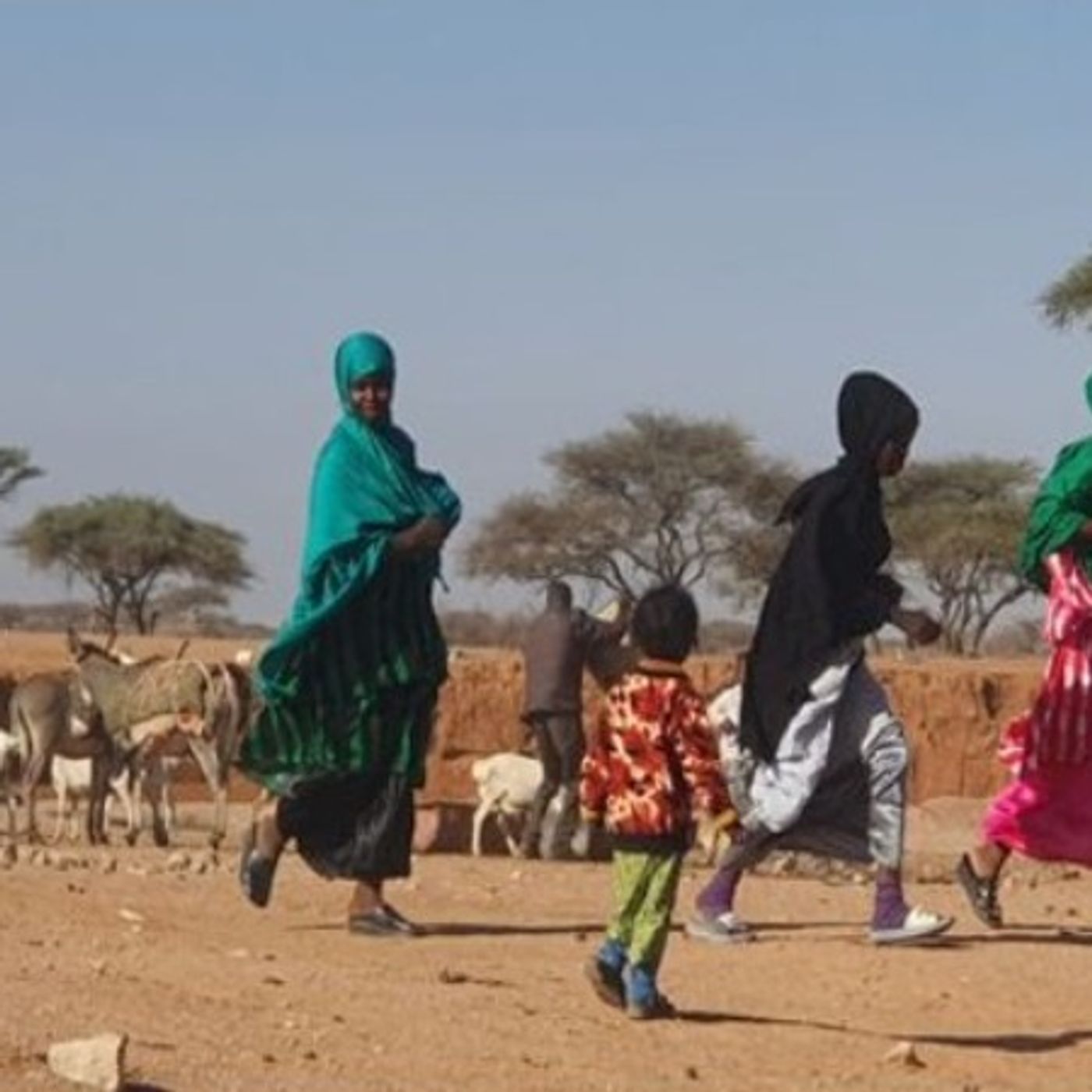
The international aid set-up struggles to know how to work in countries that do not exist. Sometimes resources are poured into these places, and sometimes they are ignored entirely. But is splendid isolation from aid such a ba
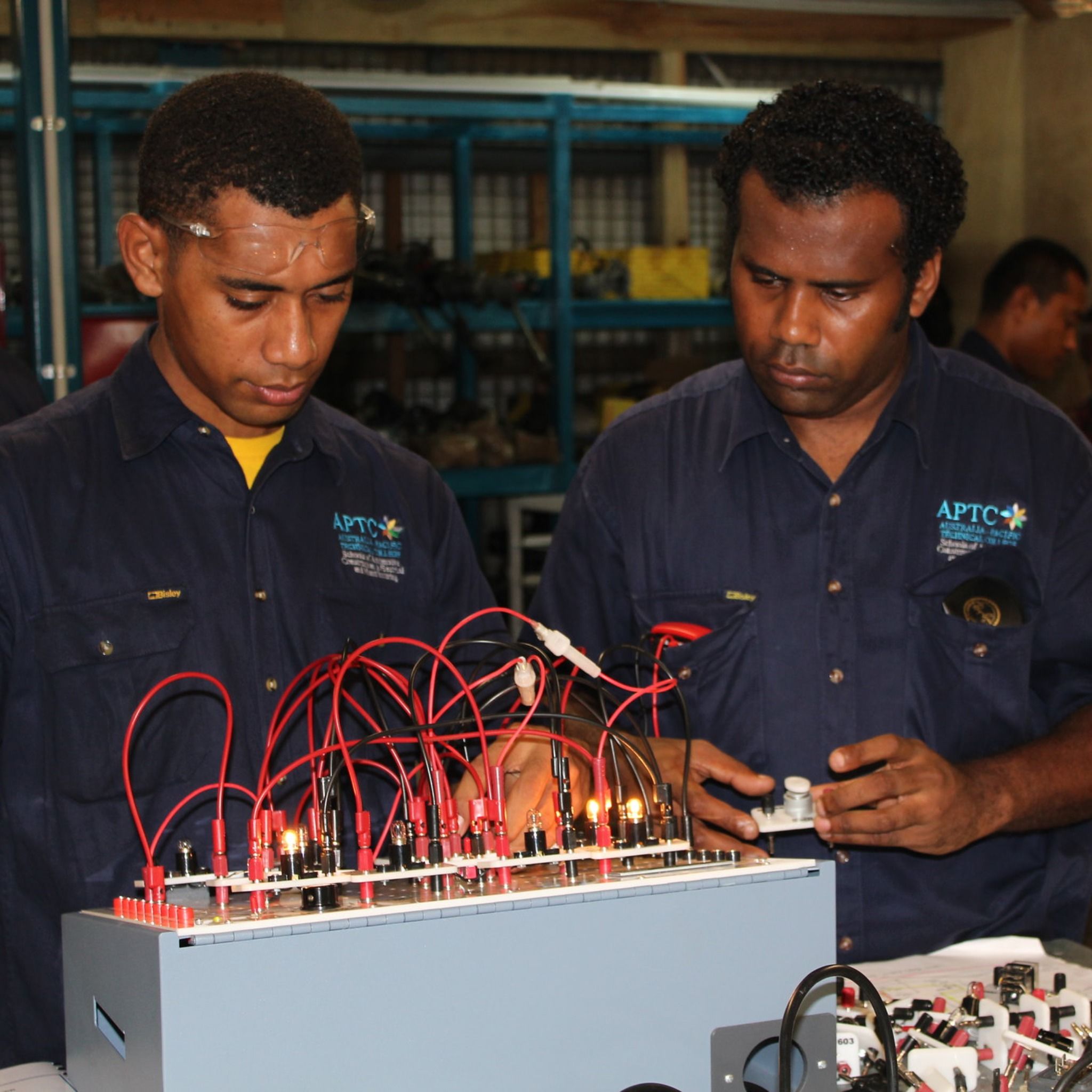
Worsening employment outcomes for Pacific technical graduate job-seekers, and one possible solution
The Australia Pacific Training Coalition (APTC) is a major Australian government foreign aid initiative that commenced in 2008, that has spent over $350 million, and that has turned out over 15,000 graduates with Australian qualifications. In a recent Devpolicy Discussion Paper, Richard Curtain and Stephen Howes analyse graduate tracer surveys and show that employment outcomes for APTC graduate jo
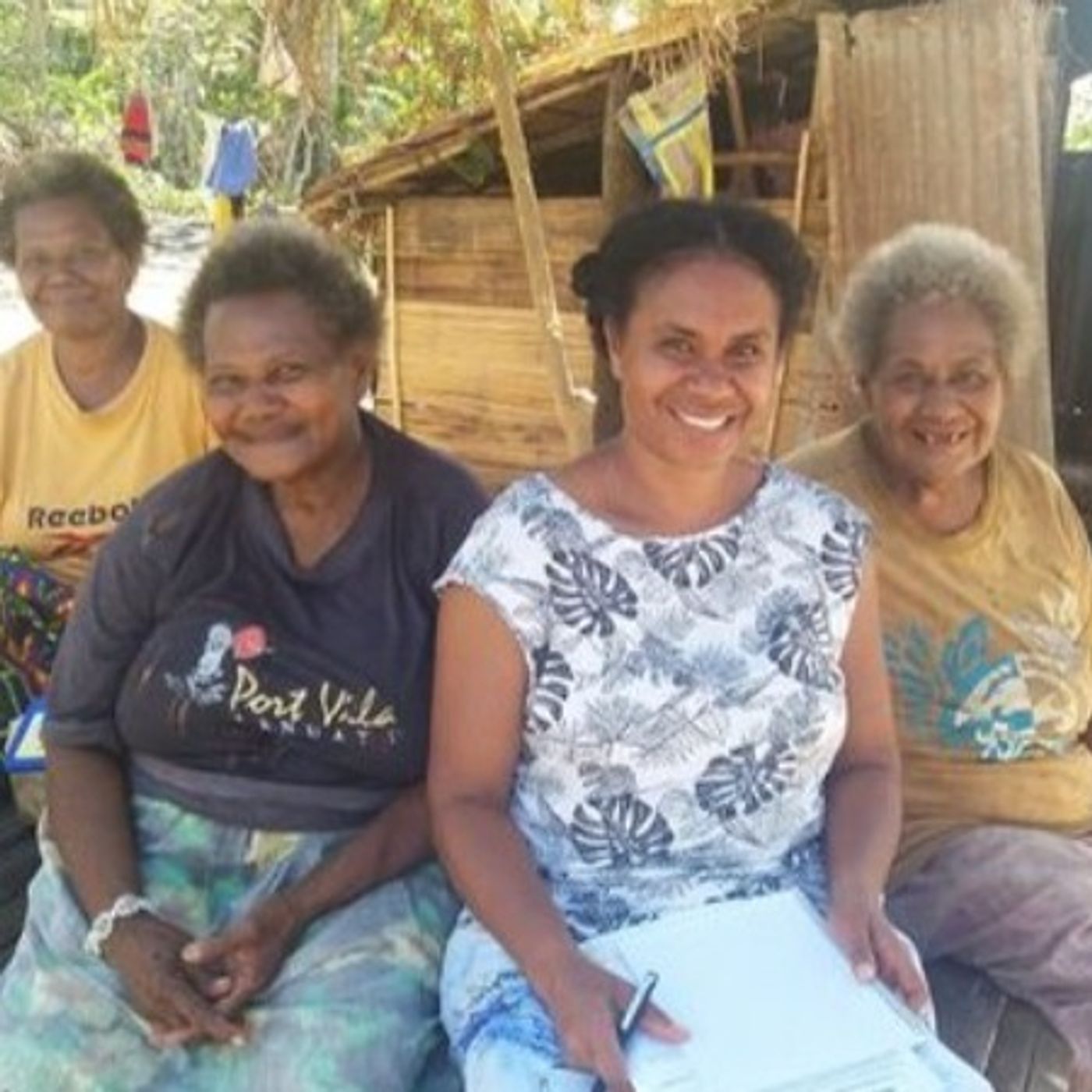
Memorandum of Understanding – Resilience: A climate for change
The Memorandum of Understanding podcast documentary series was formerly separate from Devpolicy Talks. Its back catalogue has now been merged into Devpolicy Talks Season 10.
Across the Pacific, communities are labelled as vulnerable because of the threats posed by climate change. And what do international development programs believe is needed to address this vulnerability? Resilience.
This is a
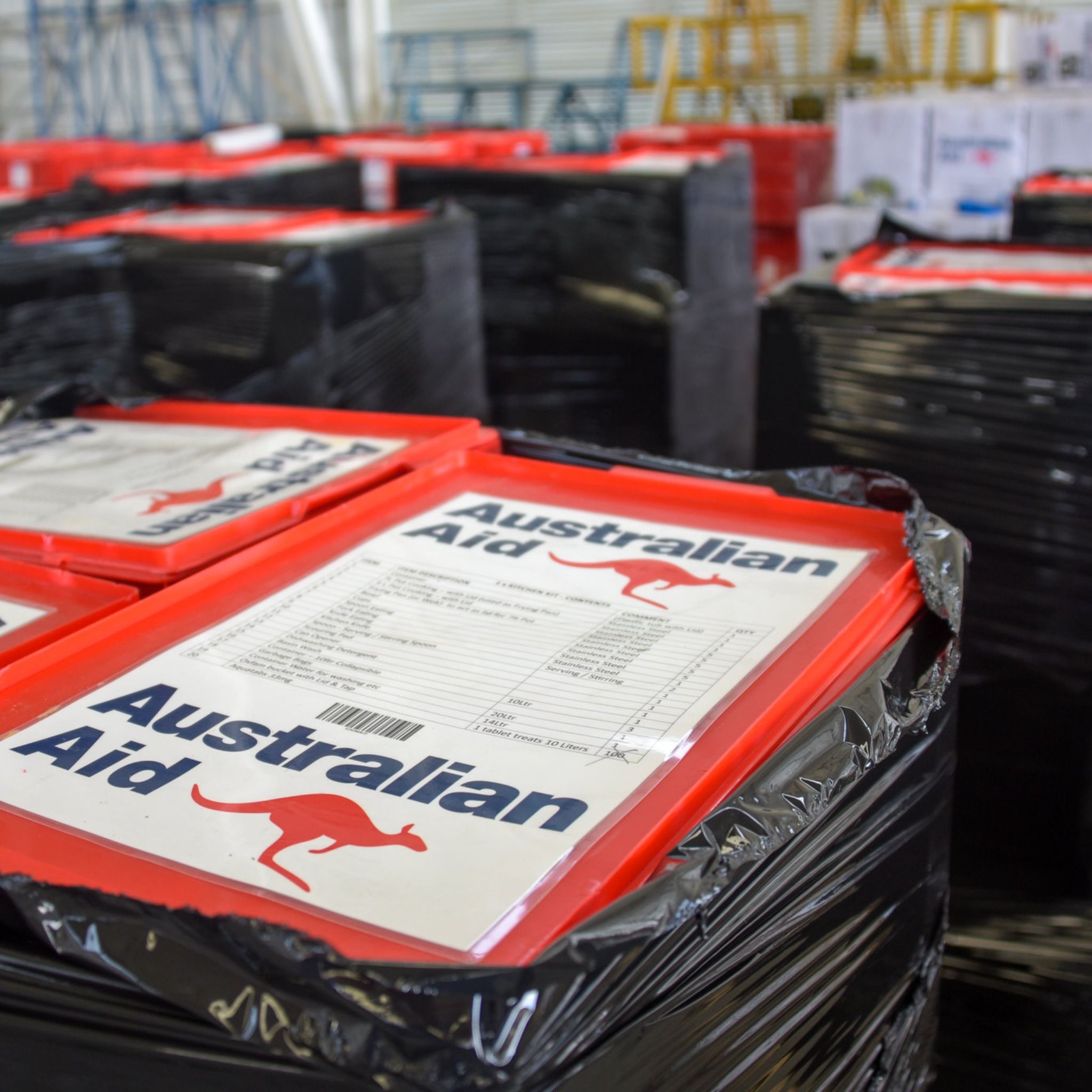
Change and continuity in Australian aid: what the aid flows show
Australian foreign aid has changed considerably in the last 20 years. Dr Terence Wood discusses the findings of a recently published report that examines the changing nature of Australian government aid through the lens of publicly available data on aid flows, which provide evidence of change and allow direct comparisons between Australia and other OECD Development Assistance Committee donors. The
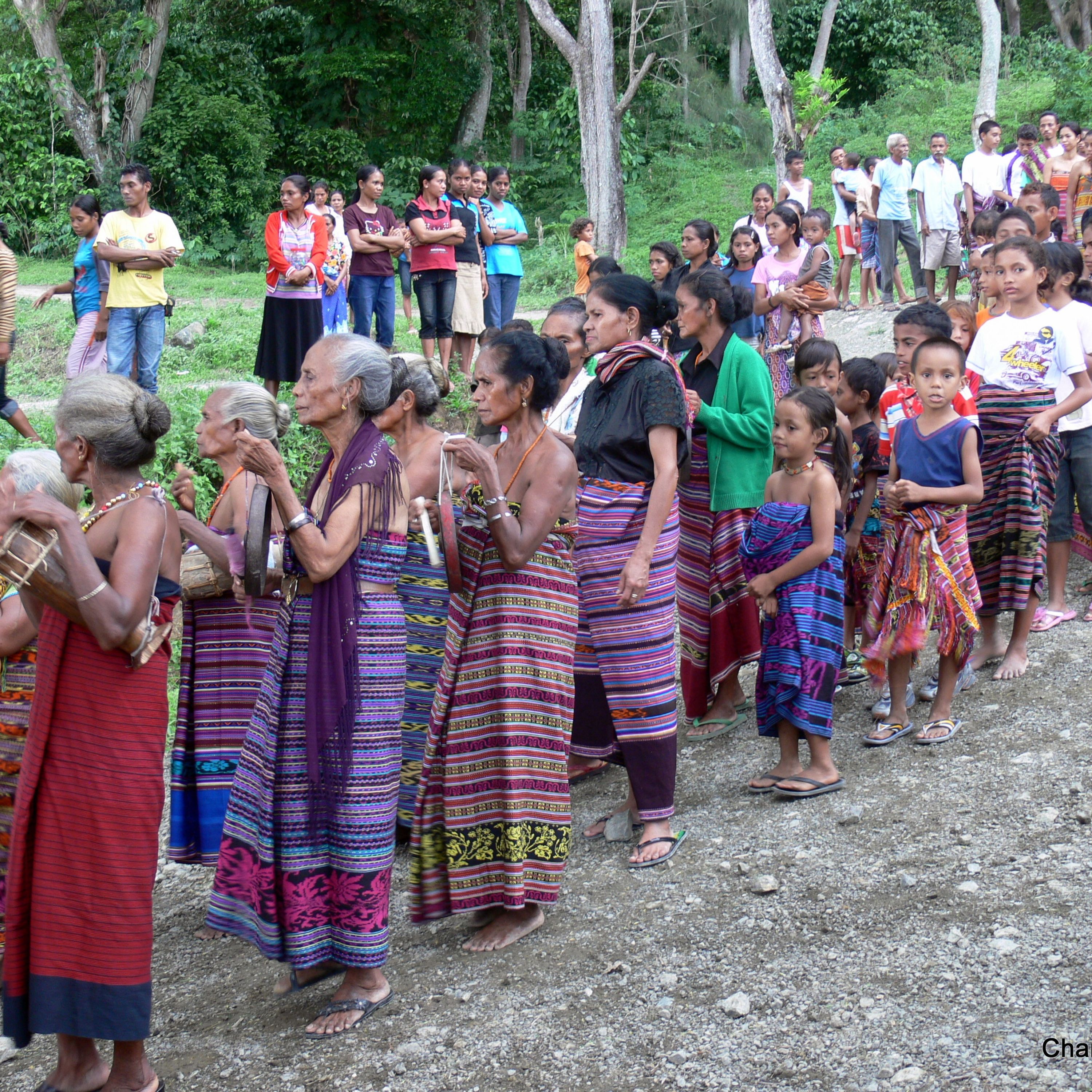
Timor-Leste: 2021 economic survey
Charles Scheiner presents the 2021 economic survey of Timor-Leste, outlining the current economic situation, particularly in relation to the state budget, and the dominance of the Petroleum Fund in state finances. He also looks at future oil and gas possibilities, including Greater Sunrise and the Tasi Mane petroleum infrastructure project, and argues regardless of the paths Timor-Leste chooses t
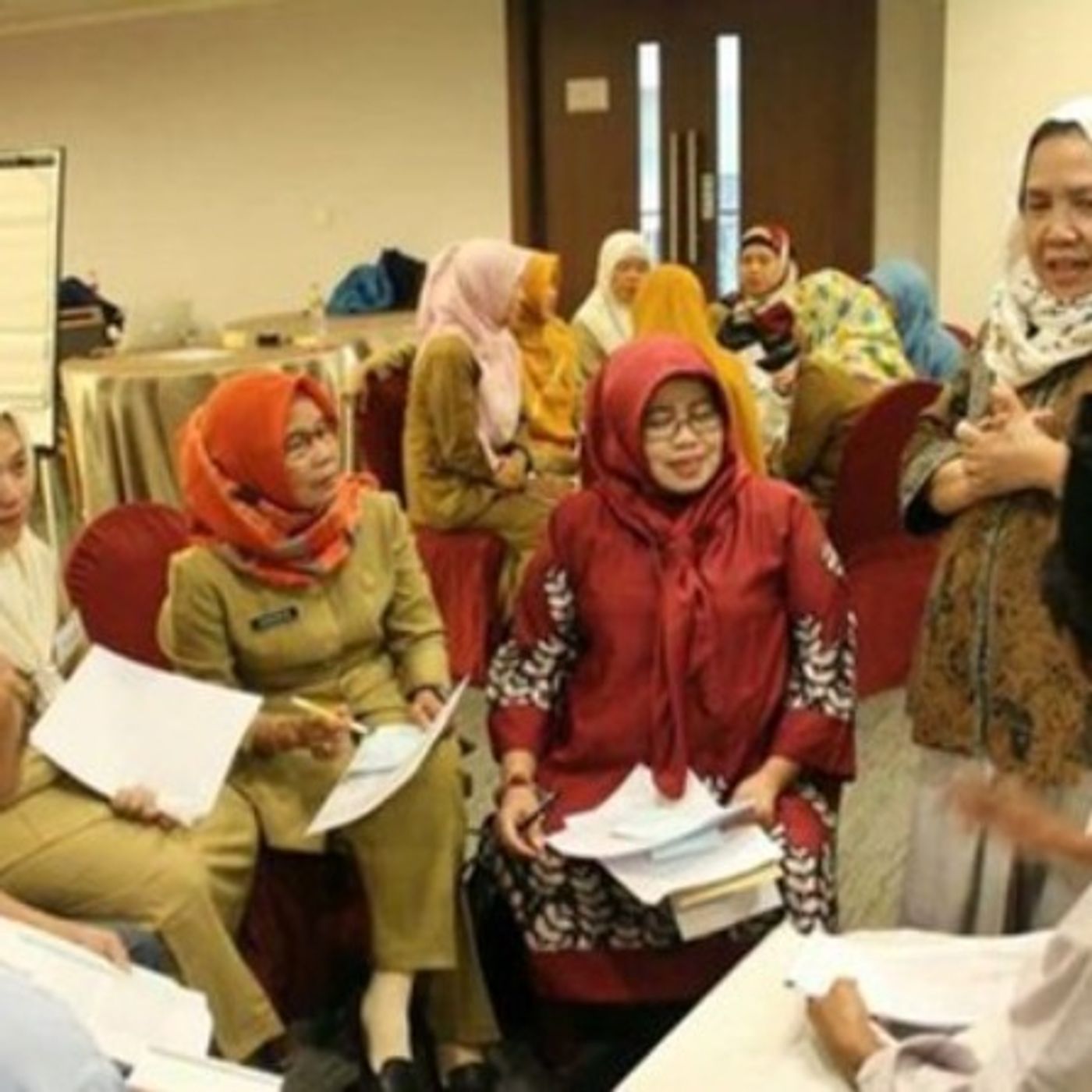
Memorandum of Understanding – Religion: Converting sacred texts
The Memorandum of Understanding podcast documentary series was formerly separate from Devpolicy Talks. Its back catalogue has now been merged into Devpolicy Talks Season 10.
The Quran and the Bible are not widely regarded as gender equality documents, but in Indonesia, Solomon Islands, and remote Indigenous communities in Australia, these religious texts are being used to combat the very problems
Memorandum of Understanding – Travelogues: Aid beyond the tarmac road
The Memorandum of Understanding podcast documentary series was formerly separate from Devpolicy Talks. Its back catalogue has now been merged into Devpolicy Talks Season 10.
Can travelogues reach recesses of the mind and prompt reflection in ways that extensively footnoted aid reports cannot? We speak to aid worker and author of The Rising Tide, Tom Bamforth, about what he learned from journeys on
Memorandum of Understanding – Food: An entrée to development
The Memorandum of Understanding podcast documentary series was formerly separate from Devpolicy Talks. Its back catalogue has now been merged into Devpolicy Talks Season 10.
Aid is a darned sight livelier than that that is described in the bloodless language of official records and reports. So what do chlorinated phrases in development like capacity building look like when done right? We begin in
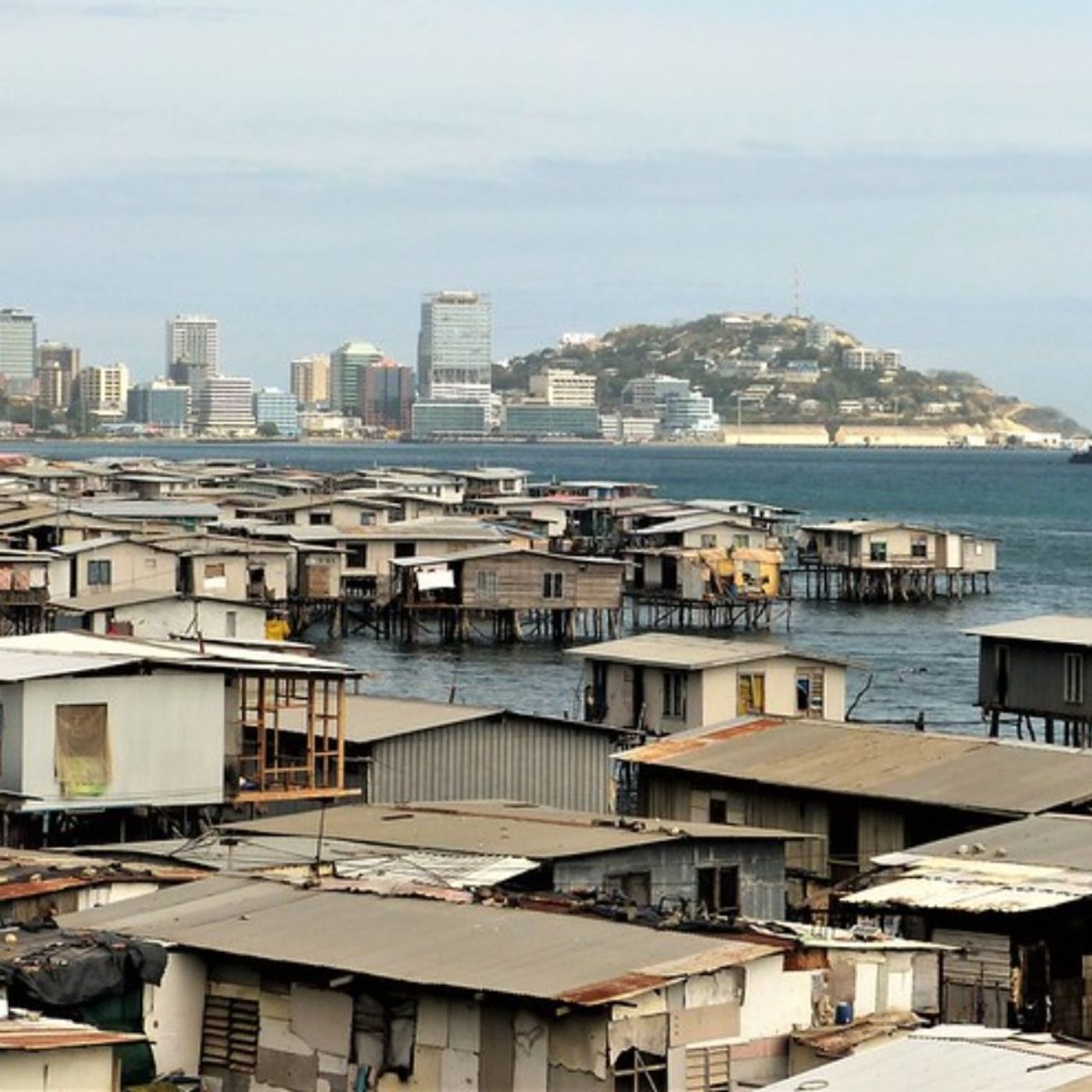
COVID-19: Economic costs and responses in the Pacific
The economic costs of COVID-19 continue to mount, globally and in the Pacific. But what is the damage in the Pacific, and how are Pacific governments responding? In this webinar, panellists explore the economic damage caused by COVID-19 and the responses Pacific governments are taking. Professor Stephen Howes presents an overview based on the Pacific Covid Economic Database compiled by the Develop
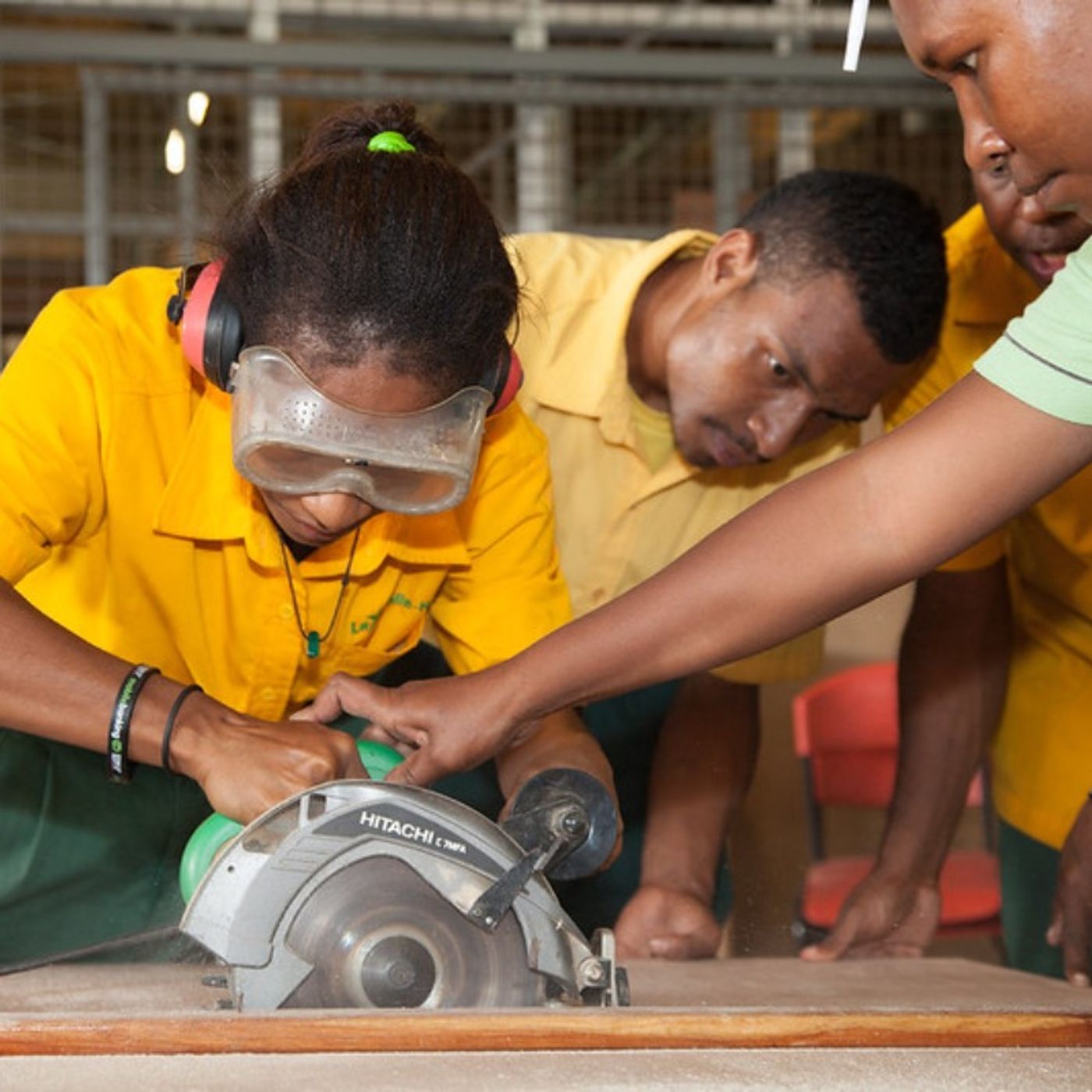
How to meet Australian demand for Pacific foreign vocational workers
Historically, Australia has lacked a coherent policy to attract immigrants with less extensive formal training and education, despite the needs of its ageing population and labour market. The Center for Global Development has recently concluded a project with the Australian Department of Foreign Affairs and Trade, which has produced two papers. Michael Clemens outlines the findings of the first pa
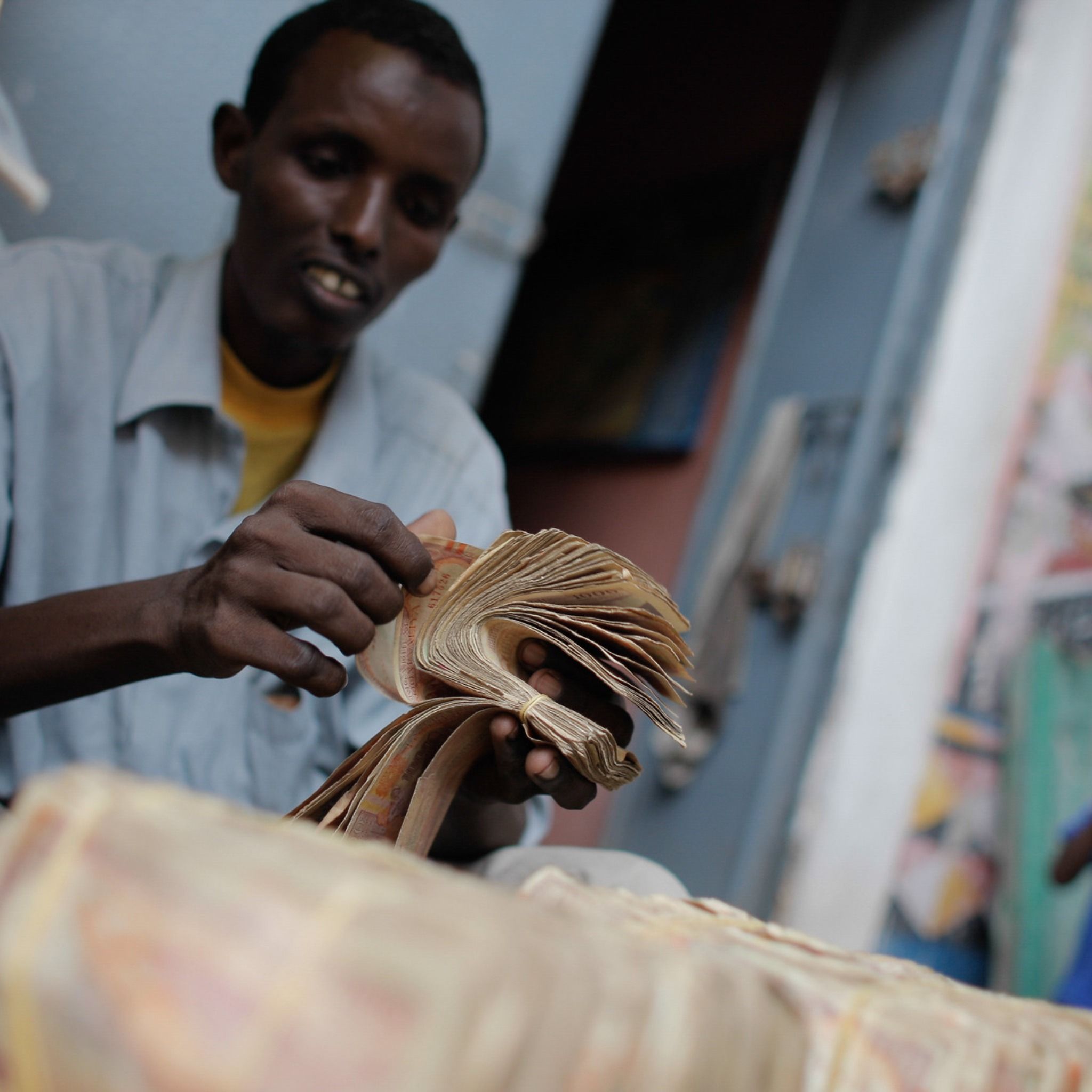
Migration and household finances: How a different framing can improve thinking about migration
It is time to fundamentally reframe the research agenda on migration, remittances, payments and development. Many policymakers in the developing world, and researchers, tend to view migrant remittances as windfall income, rather than as returns on investment, which is how families with migrants tend to see remittances. Migration is thus, among other things, a strategy for financial management in p
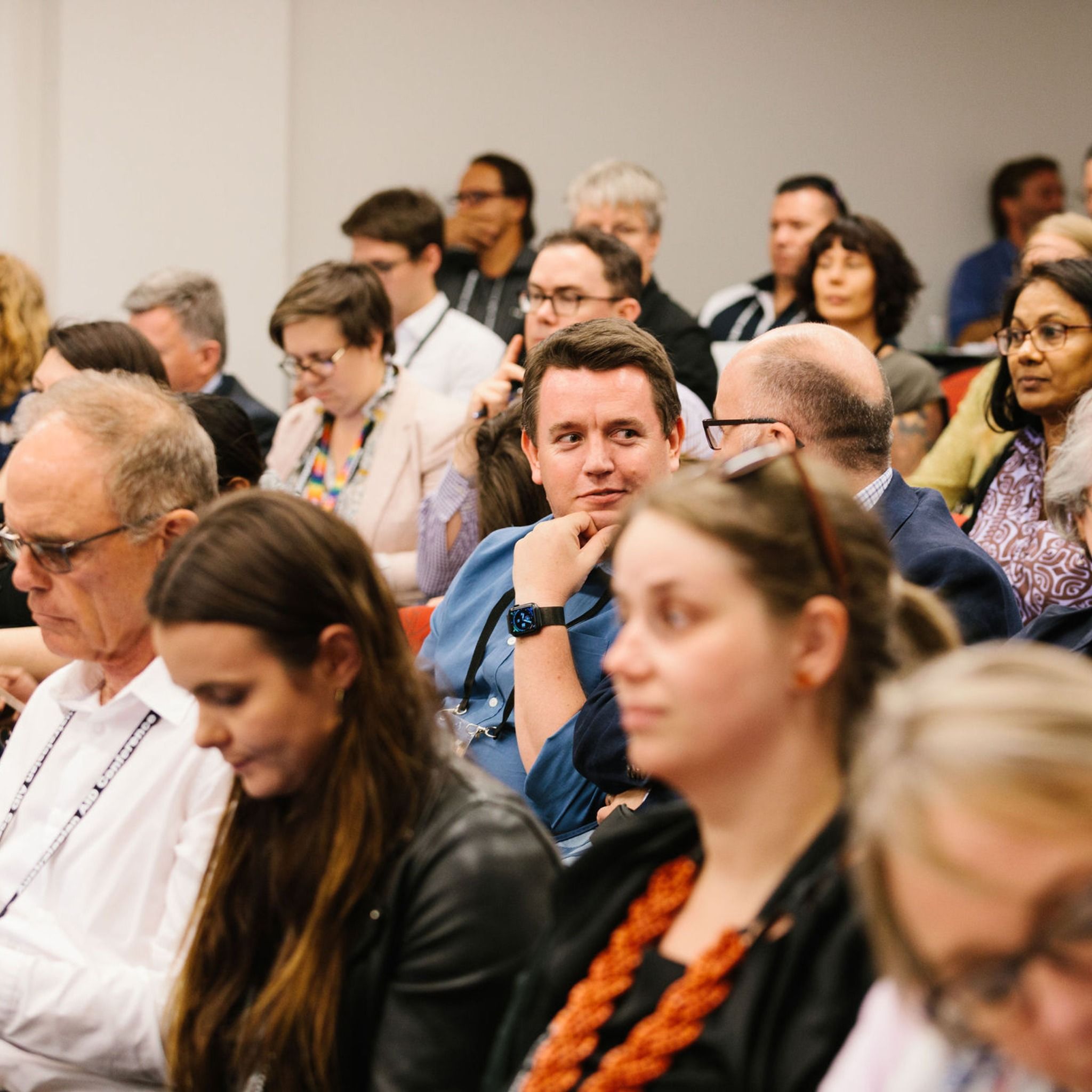
2020 Australasian AID Conference - Panel 5b: Australian aid and foreign policy
In this panel event at the 2020 Australasian AID conference, John Langmore makes the case for stronger government and civil society commitment to conflict prevention and peacebuilding. Joanna Pradela argues that Australia should adopt a feminist approach to foreign policy, one that is grounded in gender equality. Pierre van der Eng analyses the rapid expansion of Australia’s foreign aid to Indones
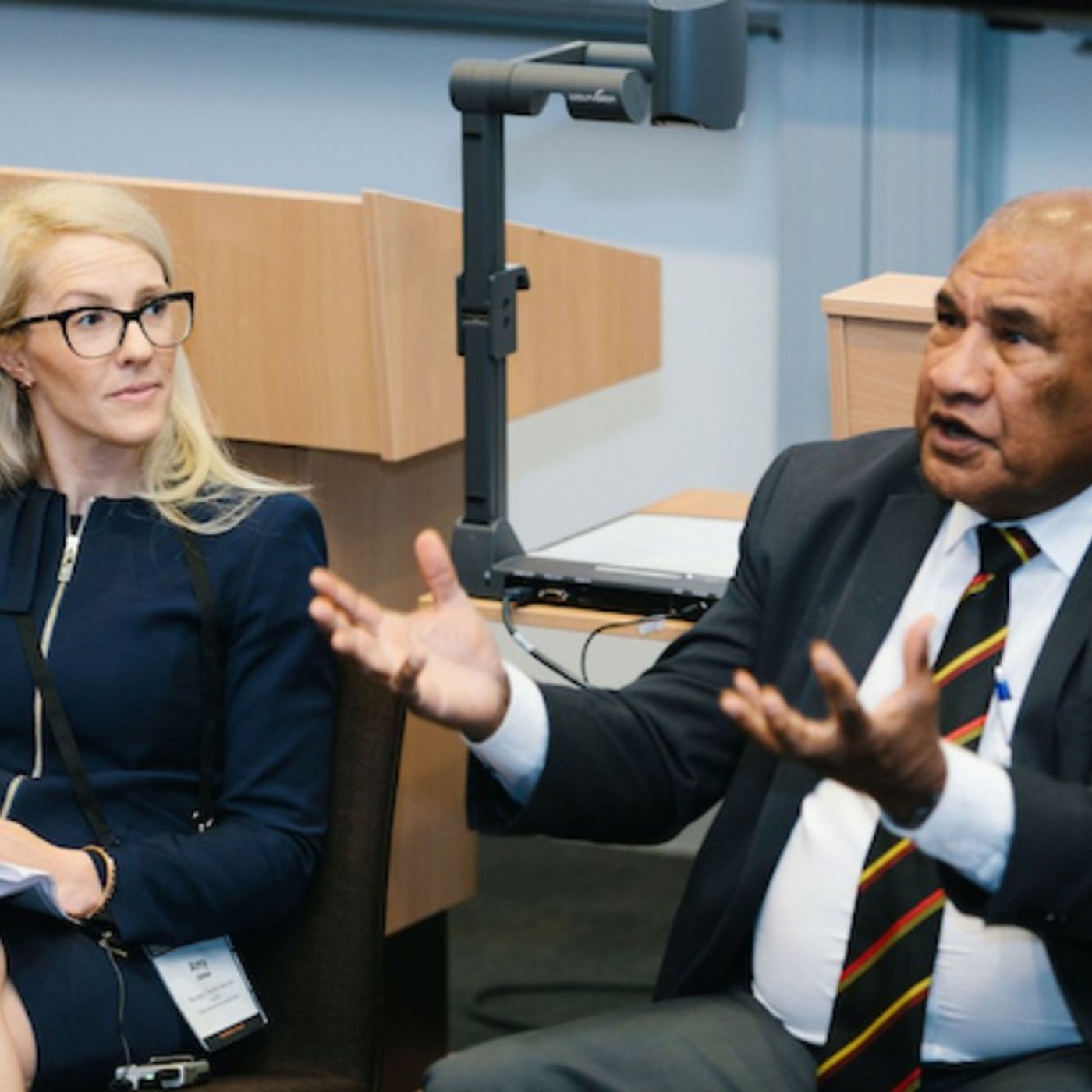
2020 Australasian AID Conference - Panel 5a: Working with men and boys to end violence against women
In the Pacific over the past three decades, women’s domestic violence services have led advocacy for policy for increased gender equality, women’s human rights and in engaging men and boys as allies and advocates in prevention of violence against women. In partnership with regional governments, development partners and Australia’s aid and development resources, this model has provided agency, lead

2020 Australasian AID Conference - Panel event - Pacific perspectives on the world
In November 2018, the Australian Government announced the Pacific step-up, taking its engagement with the Pacific to a new level. Despite this shift, new research finds that many people in the Pacific are concerned Australia does not know how to engage successfully as part of the Pacific community. This panel event at the 2020 Australasian Aid Conference outlines the key findings of research commi
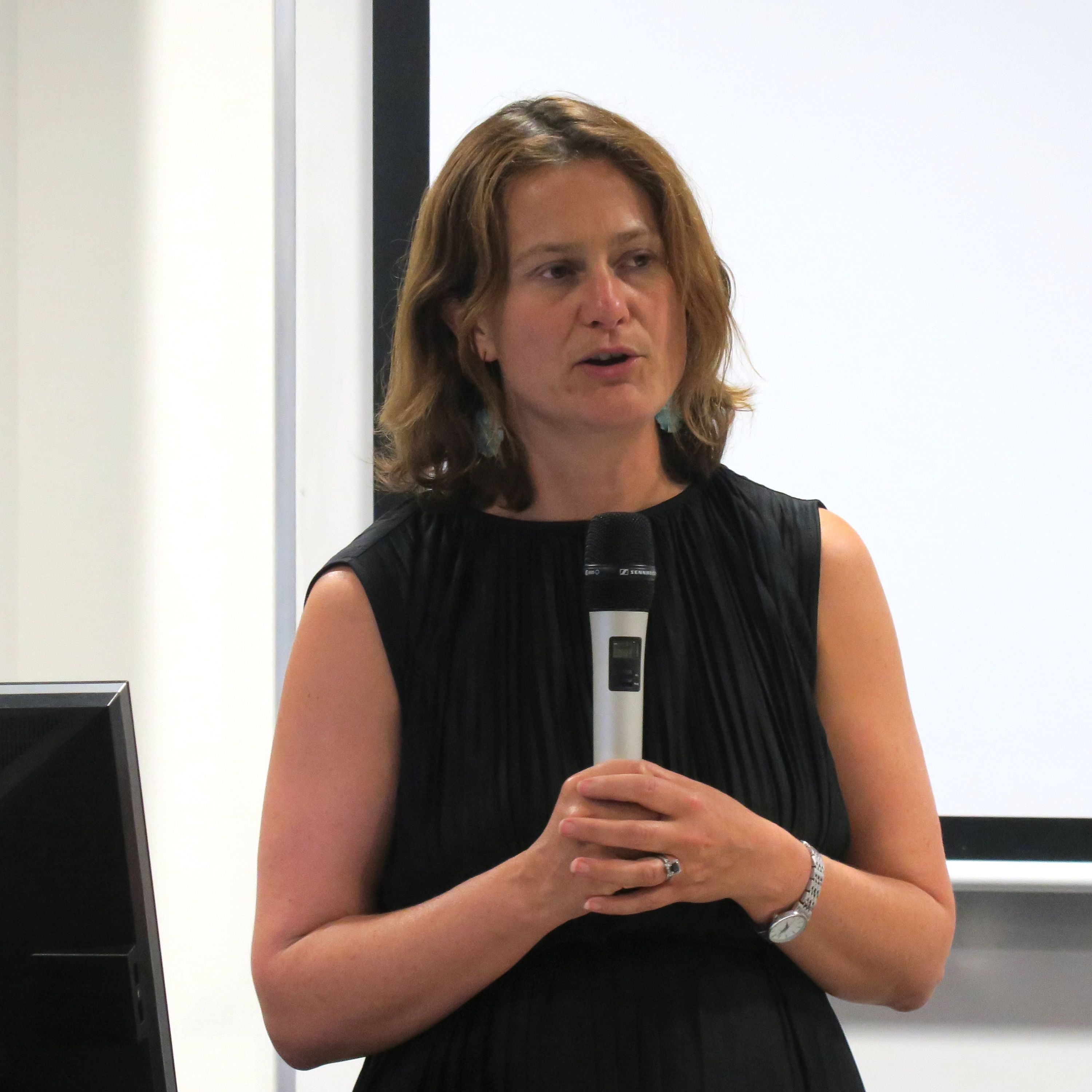
2020 Australasian AID Conference - Keynote panel: Labour mobility
The welfare gains from increasing cross-border labour mobility are likely to be several times larger than those from complete trade liberalisation, offering significant benefits to migrants, receiving, and sending countries. This panel outlines the case for international labour mobility, summarises the lessons learned from the first year of Australia’s new Pacific Labour Scheme, and provides an ov
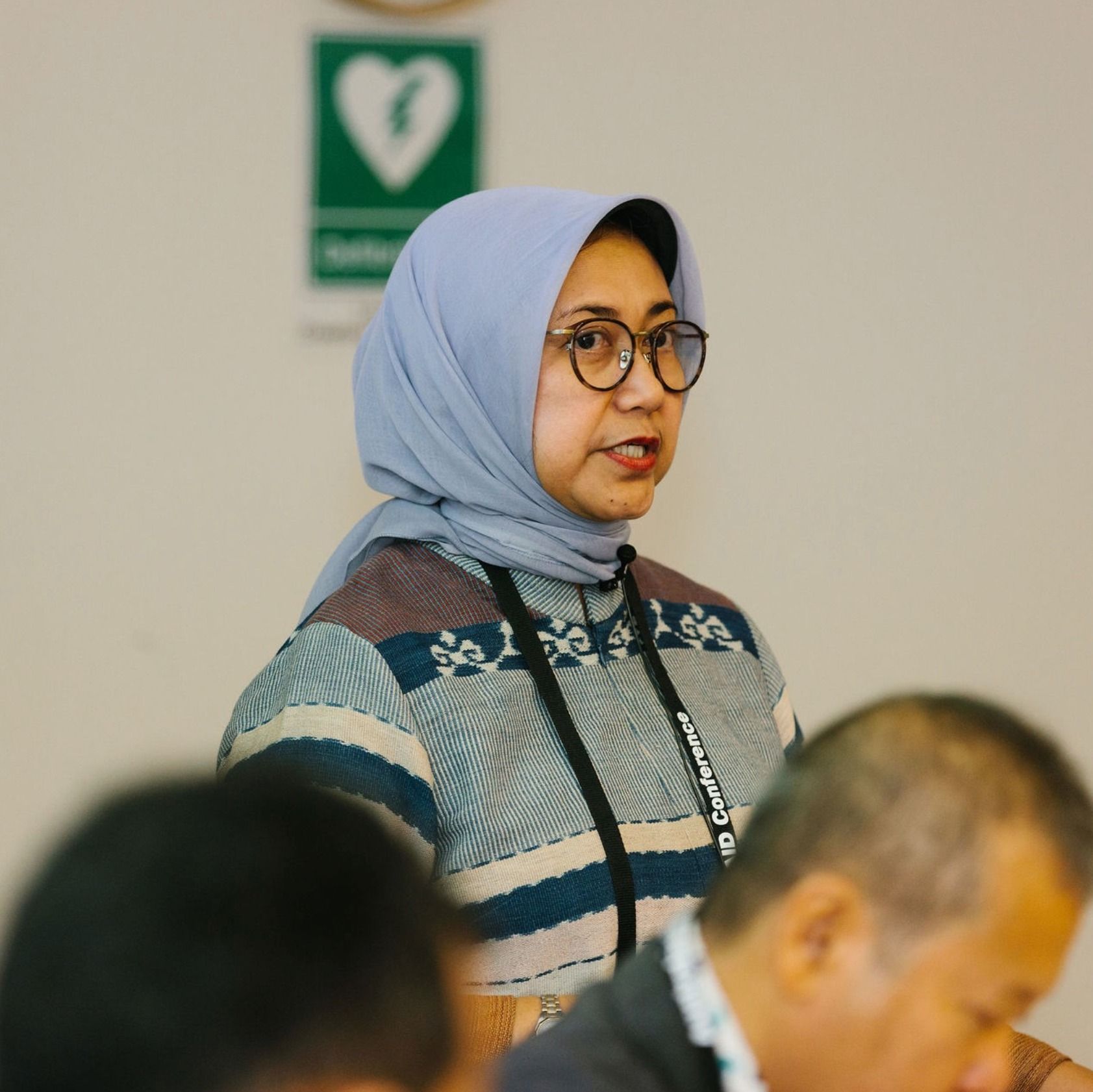
2020 Australasian AID Conference - Panel 1d: Global lessons from Indonesia’s anti-poverty programs
Offering social assistance programs has become an increasingly prominent strategy to alleviate poverty in many parts of the developing world, including in Indonesia. Drawing on Indonesia’s decades-long experience in developing social assistance programs, government officials and a leading evidence-based policy research institution, The Abdul Latif Jameel Poverty Action Lab Southeast Asia (J-PAL SE
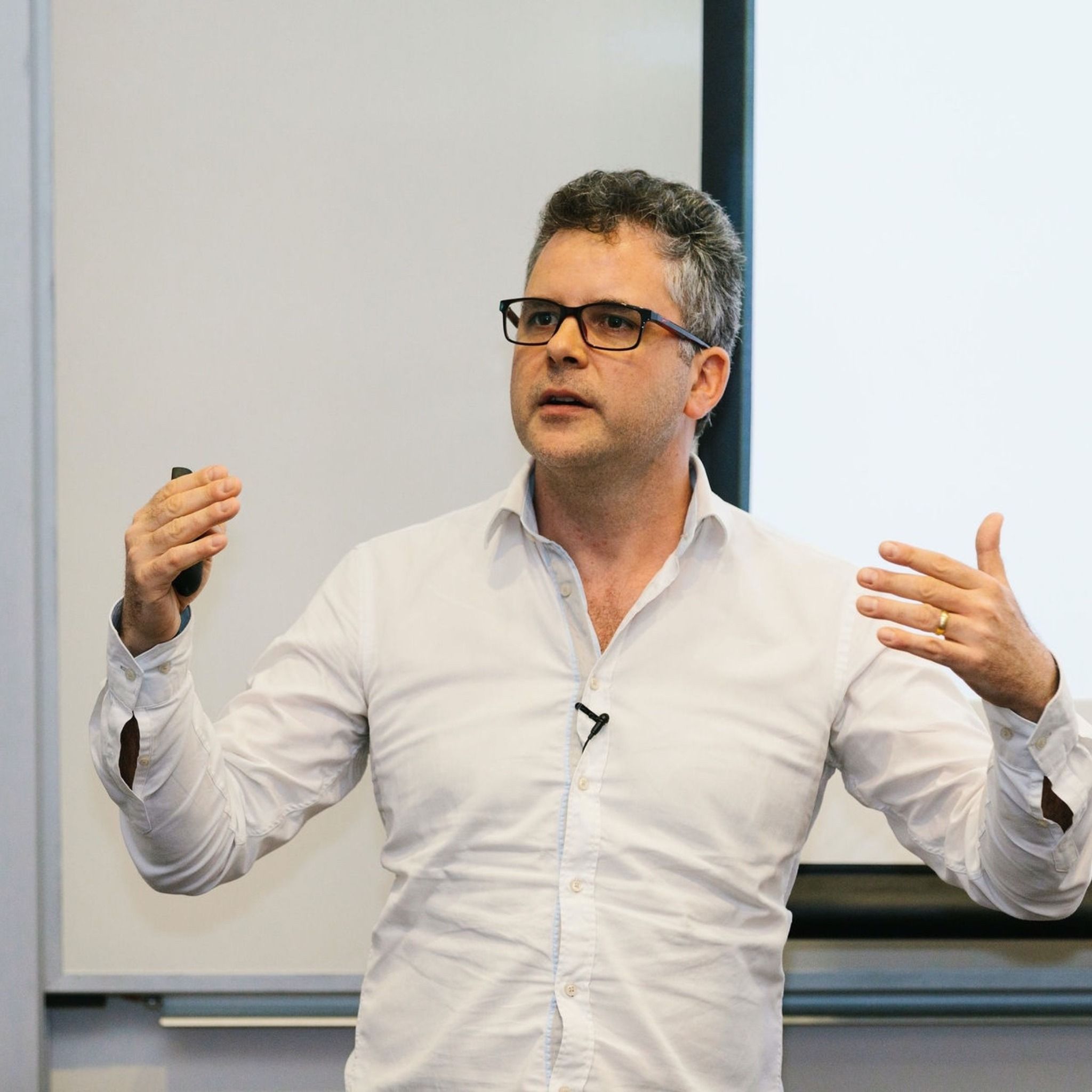
2020 Australasian AID Conference - Keynote address - The future of aid in the 21st century: five paradigm shifts
The language and theory of ‘aid’ is outdated. But something like it is still needed as the world faces huge common challenges, new and old. In this keynote address, Jonathan Glennie sets out a new approach for the 21st century: global public investment. He proposes five paradigm shifts for the future of concessional international public finance, as the world of international development moves on f
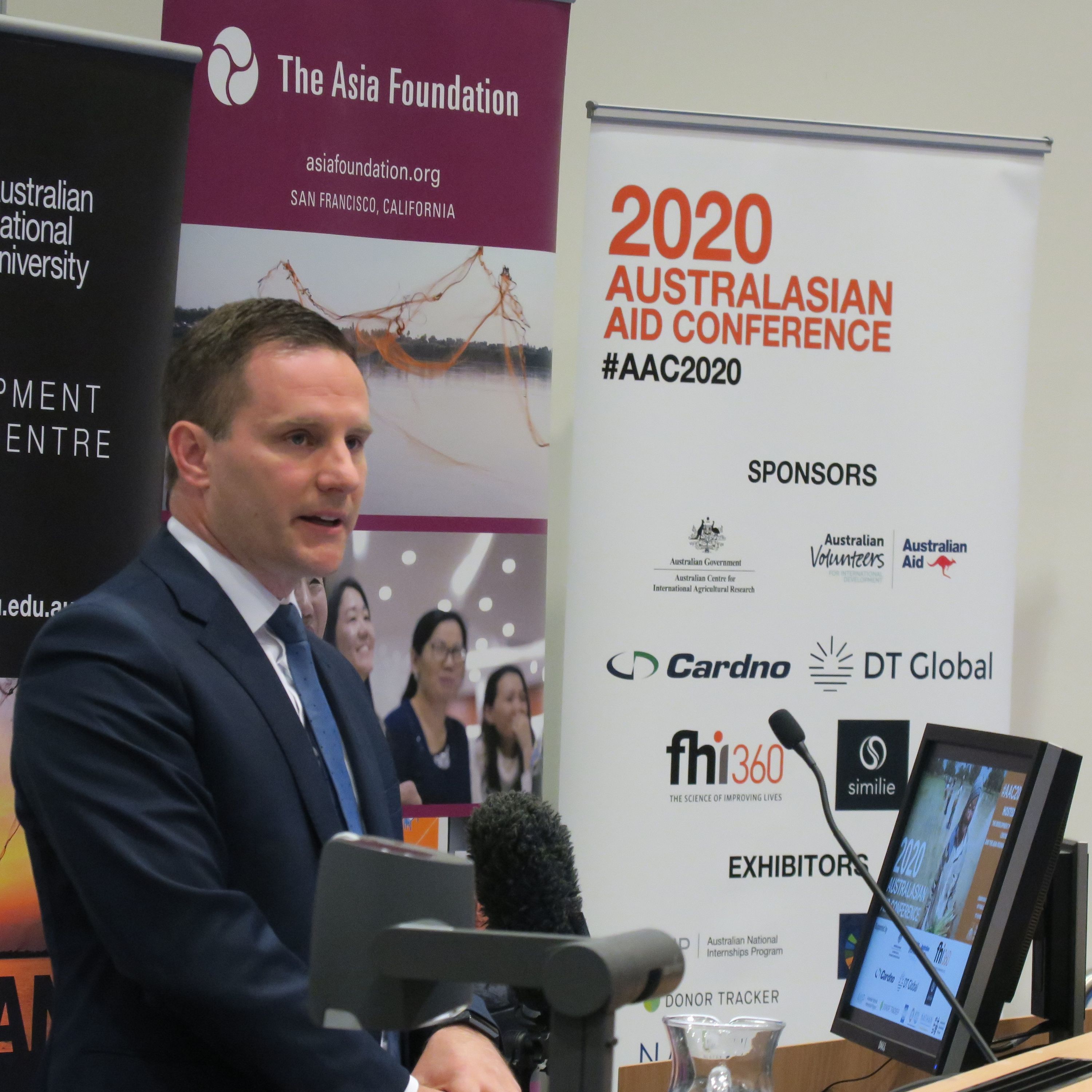
2020 Australasian AID Conference - Keynote address - Alex Hawke, Minister for International Development and the Pacific
In this keynote address delivered on 19 February at the 2020 Australasian AID Conference, Alex Hawke, Minister for International Development and the Pacific, outlines the key trends in the Indo-Pacific region affecting Australia’s development partners and shaping its new international development policy. He also discusses Australia’s longstanding commitment to the region and its Pacific step-up, a
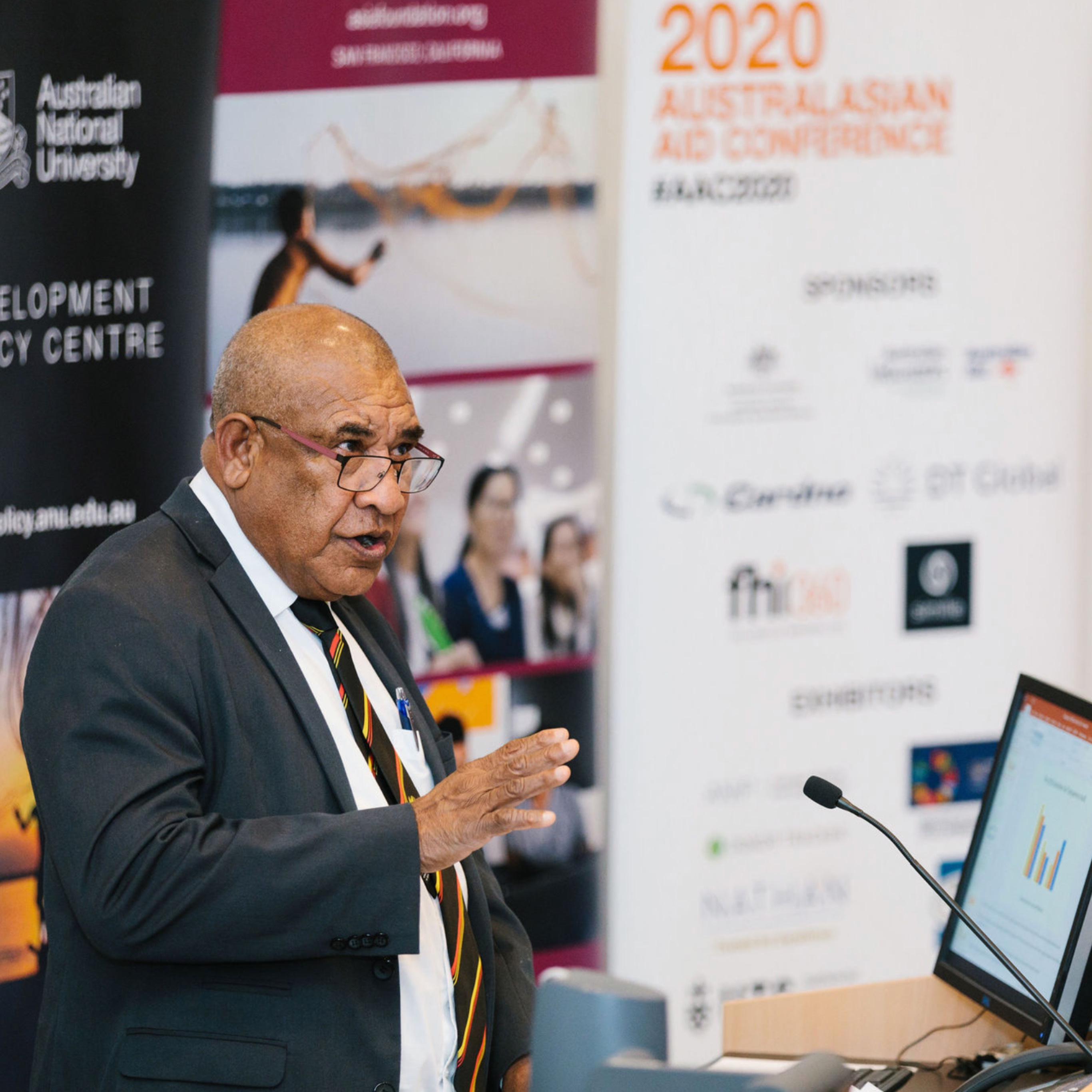
2020 Australasian AID Conference - Keynote panel - Australian aid: PNG and transparency
Australia’s aid program to PNG is its biggest, its highest profile and most controversial. In this insightful keynote panel at the 2020 Australasian AID conference, Jonathan Pryke outlines the findings of his research into Australia’s aid program to PNG, His Excellency John Kali CMG OBE discusses key changes in the way Australian assistance is being delivered, Terence Wood presents the findings of
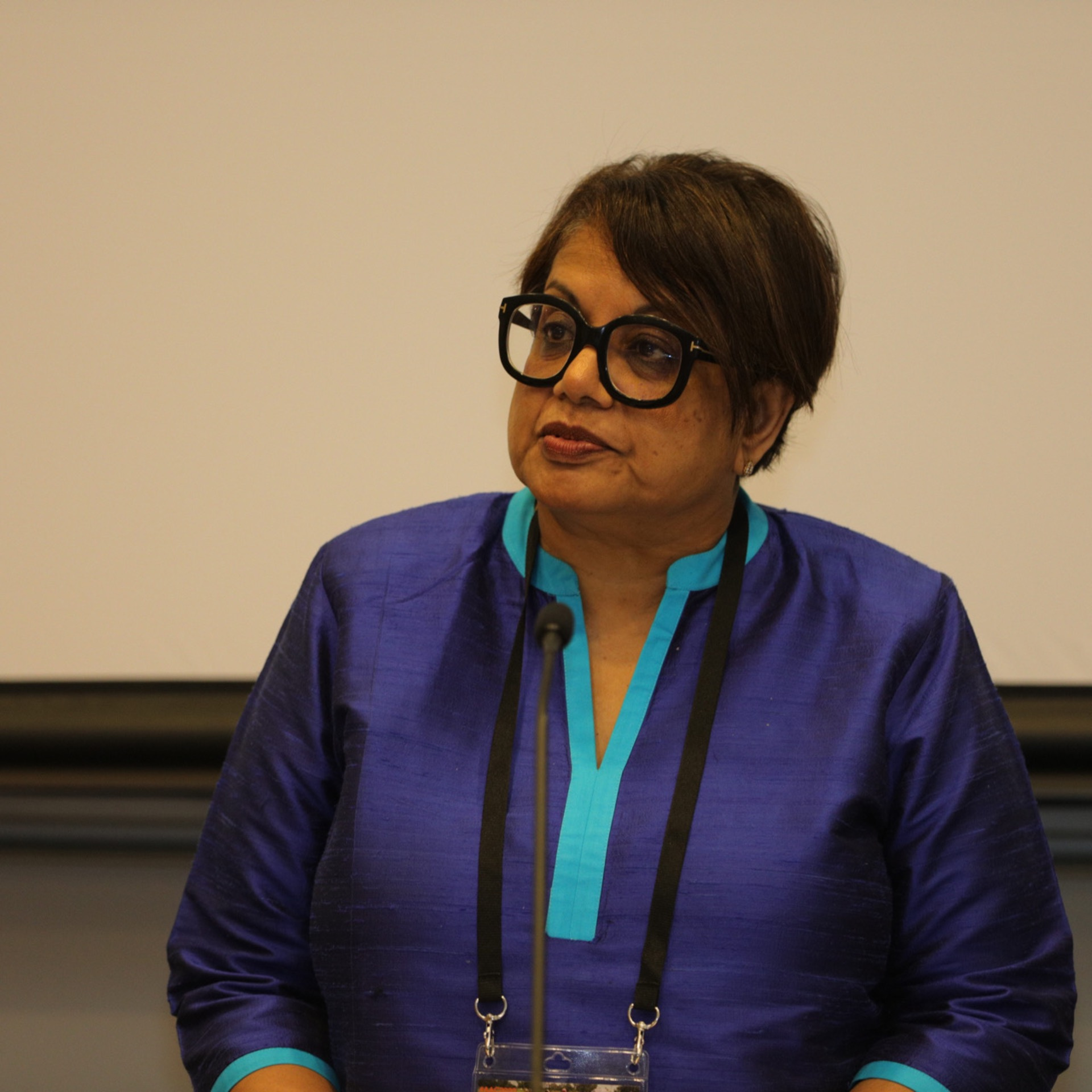
2020 Australasian AID Conference - Keynote address: Women, peace and security
In this keynote address, Dr Radhika Coomaraswamy discusses the evolution of the women, peace and security agenda, from representation and participation of women in peace processes, transformative justice and women combatants to livelihoods and empowerment of women in the post-conflict era and the role women play, and can play, in the prevention of conflict. Drawing on her personal experiences in t
2020 Australasian AID Conference - Keynote panel: Debating RCTs and impact evaluation
In 2019 the Nobel prize for economics went to three economists who have promoted the use and importance of Randomised Control Trials (RCTs) in development economics and interventions. But how useful are RCTs in the real world of development assistance? And what more generally needs to be done to improve the quality and impact of impact evaluations, and to promote learning in aid?Panellists:The Hon
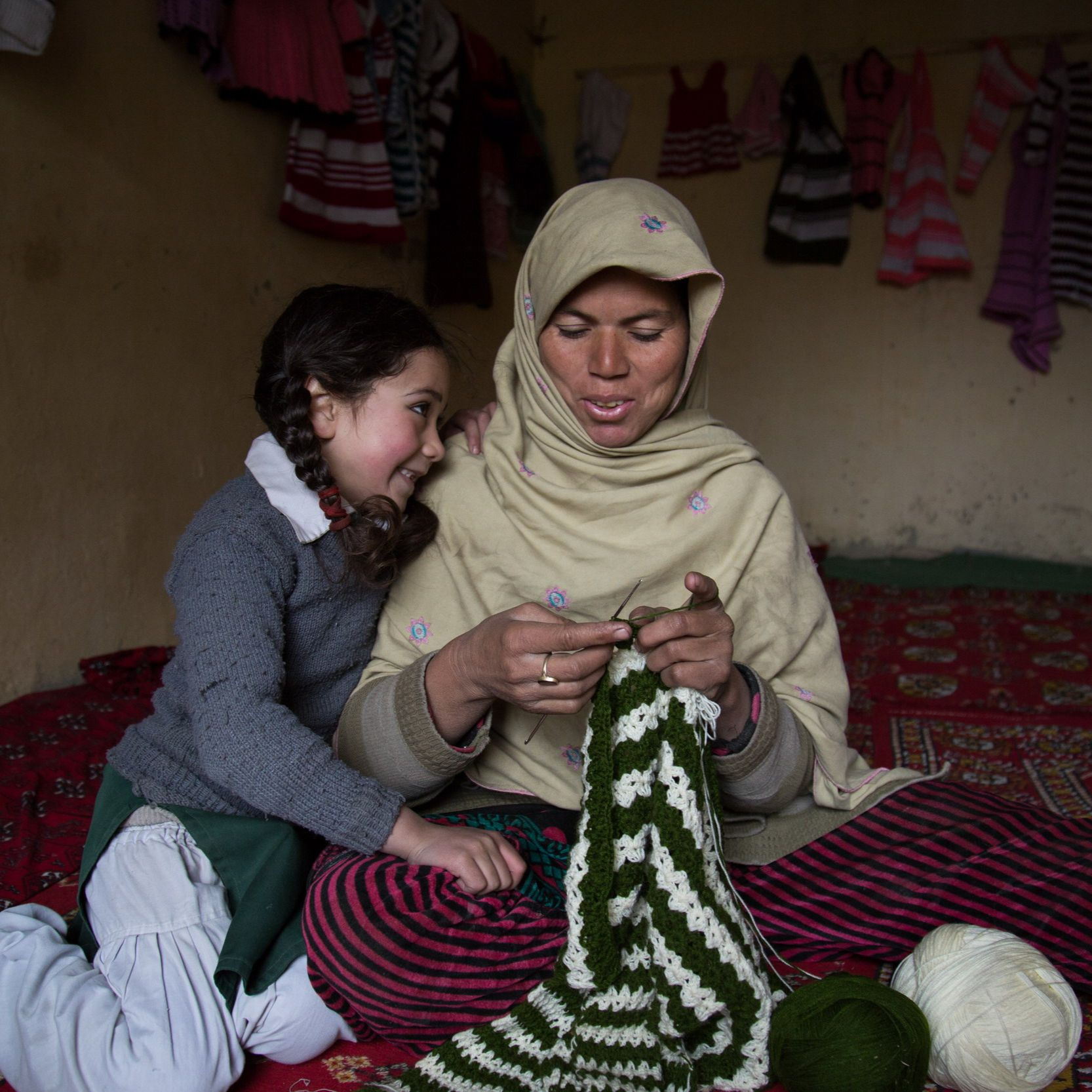
Development the Aga Khan way
In November 2019, Professor Stephen Howes sat down with Michael Kocher and Matt Reed of the Aga Khan Foundation to discuss the work of the Foundation, one of the ten development arms of the Aga Khan Development Network.
Professor Stephen Howes is the Director of the Development Policy Centre at the Crawford School of Public Policy, The Australian National University
Michael Kocher is the global Ge

Men’s perspectives on addressing family and sexual violence in Papua New Guinea
Family is the basic foundation for social and economic development across the world, and particularly in Papua New Guinea (PNG). However, this foundation is often challenged by family and sexual violence (FSV). In order to support policymaking that fosters healthy, safe and secure families, research was conducted in Lae in 2018 and 2019 to better understand men’s and women’s perspectives of FSV.Jo

Navigation by judgment: why and when top down management of foreign aid doesn’t work
Should aid programs micromanage their work? Or should they leave staff on the ground the space to decide for themselves? In this presentation Dan Honig will speak to the key findings of his book, Navigation by Judgment, an in-depth attempt at answering these questions. Dan’s book draws on a novel database of more than 14,000 discrete development projects across nine agencies, and eight qualitative
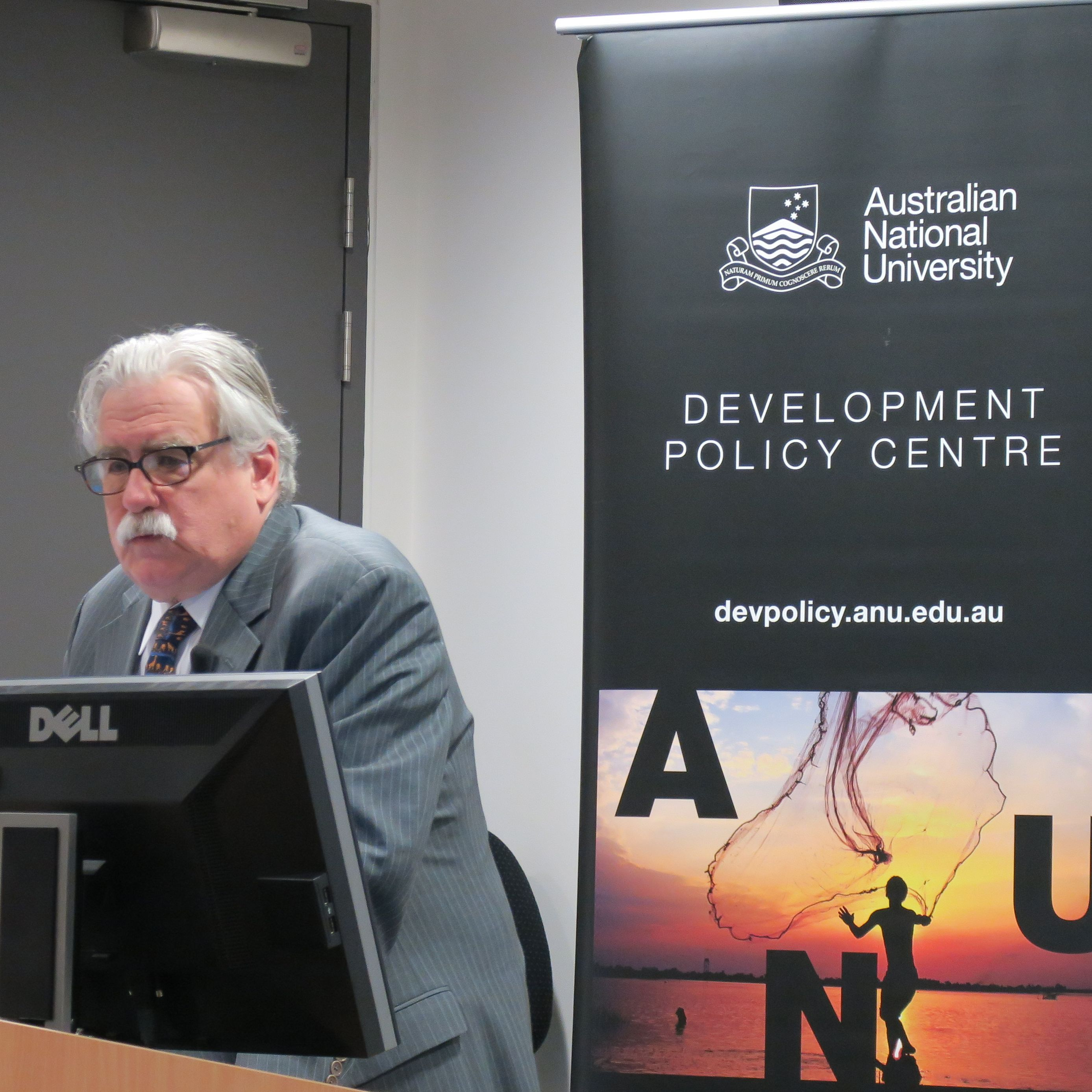
Australian aid: building a robust performance culture
On Wednesday 1 May, former World Bank Vice President Jim Adams presented his reflections on the performance of the Australian aid program. He is stepping down as Chair of DFAT's Independent Evaluation Committee after seven years in the role, and joined us at ANU to discuss how to build a robust performance culture based on accountability, transparency, learning and appropriate risk management.
Dev
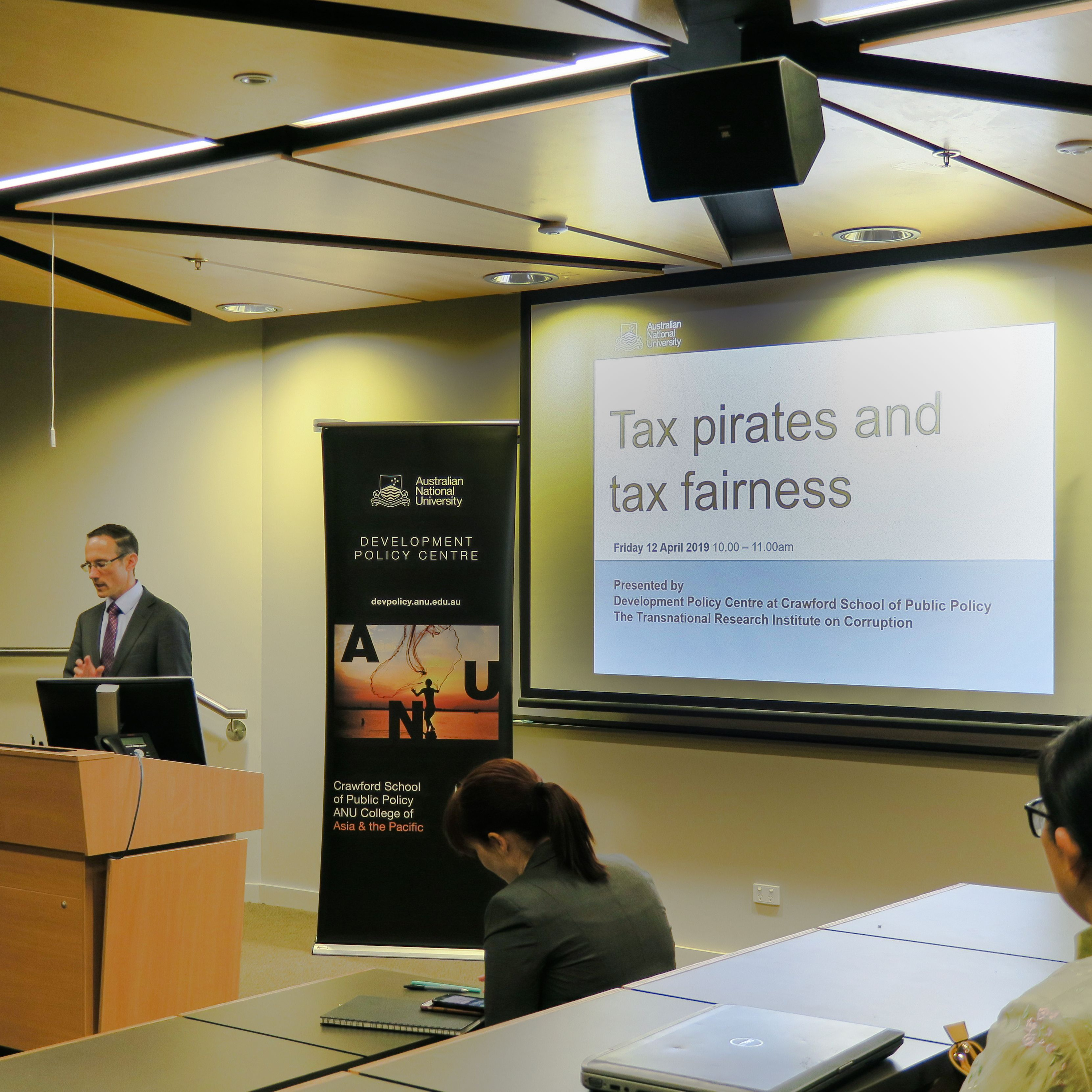
Tax pirates and tax fairness
In a talk at ANU on 12 April, Hon Dr Andrew Leigh MP discussed how a Labor government will tackle tax avoidance in Australia and our region, and announced a new policy initiative to help crack down on multinational tax avoidance and restore fairness into the system.
Devpolicy Talks is the podcast of the Australian National University's Development Policy Centre. Read and subscribe to our daily blo

2019 Australasian Aid Conference - Keynote panel: China's development cooperation in focus
Chinese development cooperation in Asia and the Pacific is growing rapidly. In this keynote panel at the 2019 Australasian Aid Conference, Chinese experts shared their insights on the rationale, aspirations and challenges of Chinese development cooperation, particularly in relation to the Belt and Road Initiative, responsible investment, the new development cooperation agency, and China's engageme
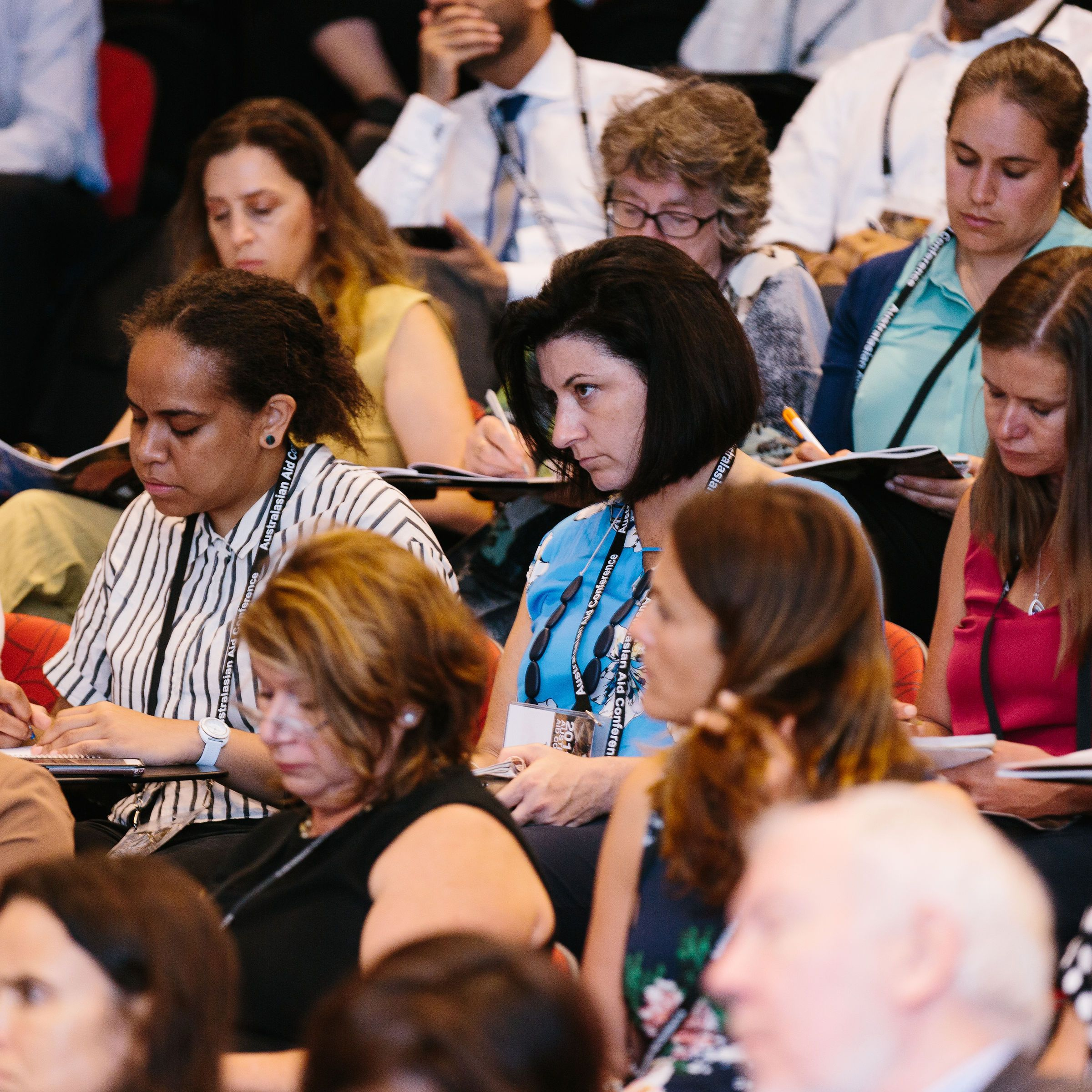
2019 Australasian Aid Conference - Keynote address: Contemporary challenges in development finance
Masood Ahmed, President of the Center for Global Development, gave a keynote address at the 2019 Australasian Aid Conference on 20 February. He discussed growing debt in low-income countries, and asked whether we are heading for another debt crisis. He also spoke about whether this is different from the debt crisis 20 years ago, what is driving debt growing in low-income countries, what can be don
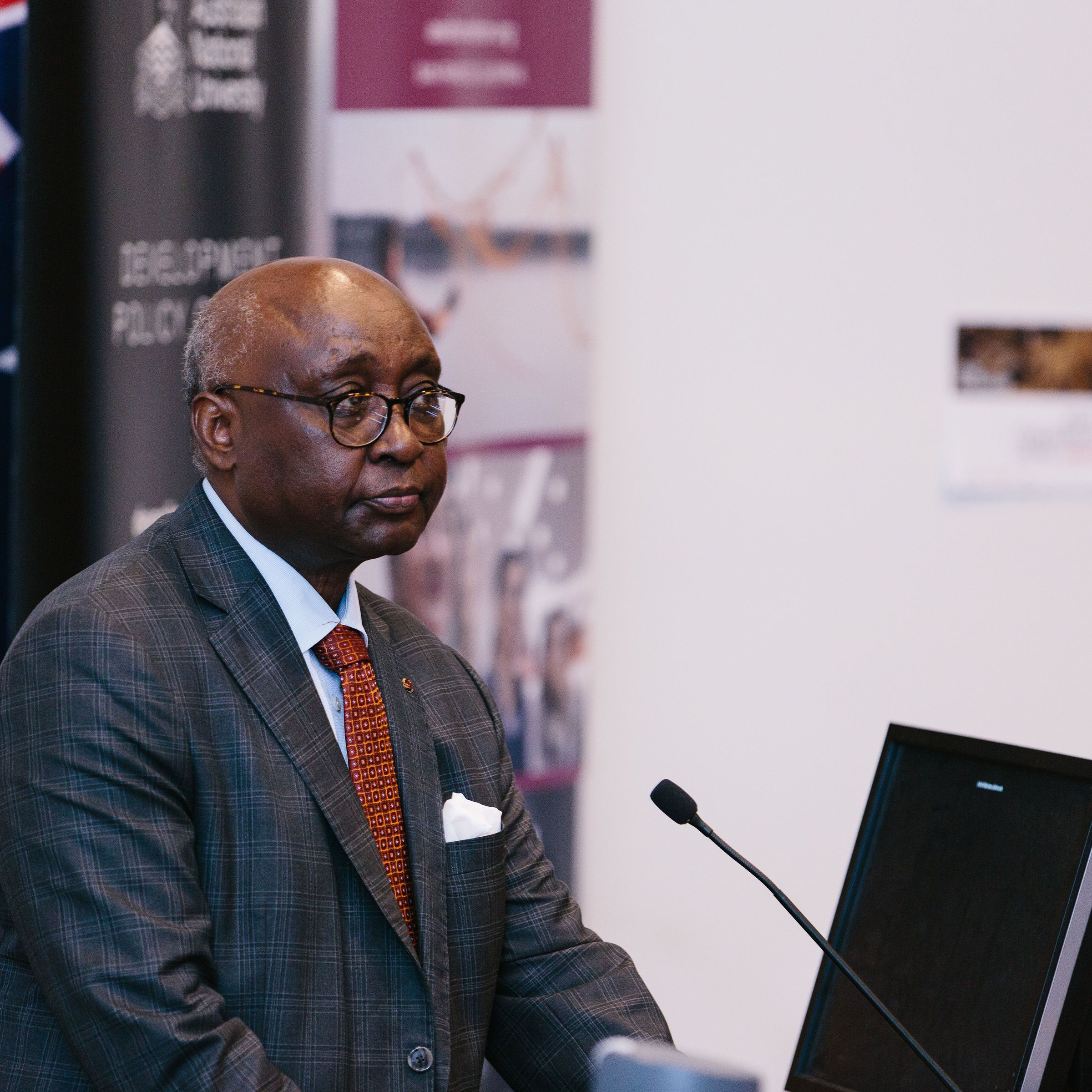
2019 Australasian Aid Conference - 2019 Mitchell Oration: Africa and the global landscape
Donald Kaberuka, former President of the African Development Bank and former Minister of Finance for Rwanda, presented the 2019 Mitchell Oration on 19 February at the 2019 Australasian Aid Conference. He spoke on the topic of 'Africa and the global landscape: emerging trends and the way forward'.The 2019 Australasian Aid Conference was held at Crawford School of Public Policy, ANU, on 19-20 Februa

2019 Australasian Aid Conference - Panel 2a: Using a gender lens to influence impact finance
This panel reviewed and reflected on the on-the-ground experience of using a gender lens in the impact investment ecosystem in Asia and the Pacific.
Panellists:
Amy Haddad, DFAT (Chair)
Joy Anderson, Criterion Institute
Amanda Jupp, Pacific RISE
Sally Moyle, CARE Australia
Will Scott-Kemmis, SecondMuse (Frontier Innovators and Incubators)
James Soukamneuth, Investing in Women
The 2019 Australasian
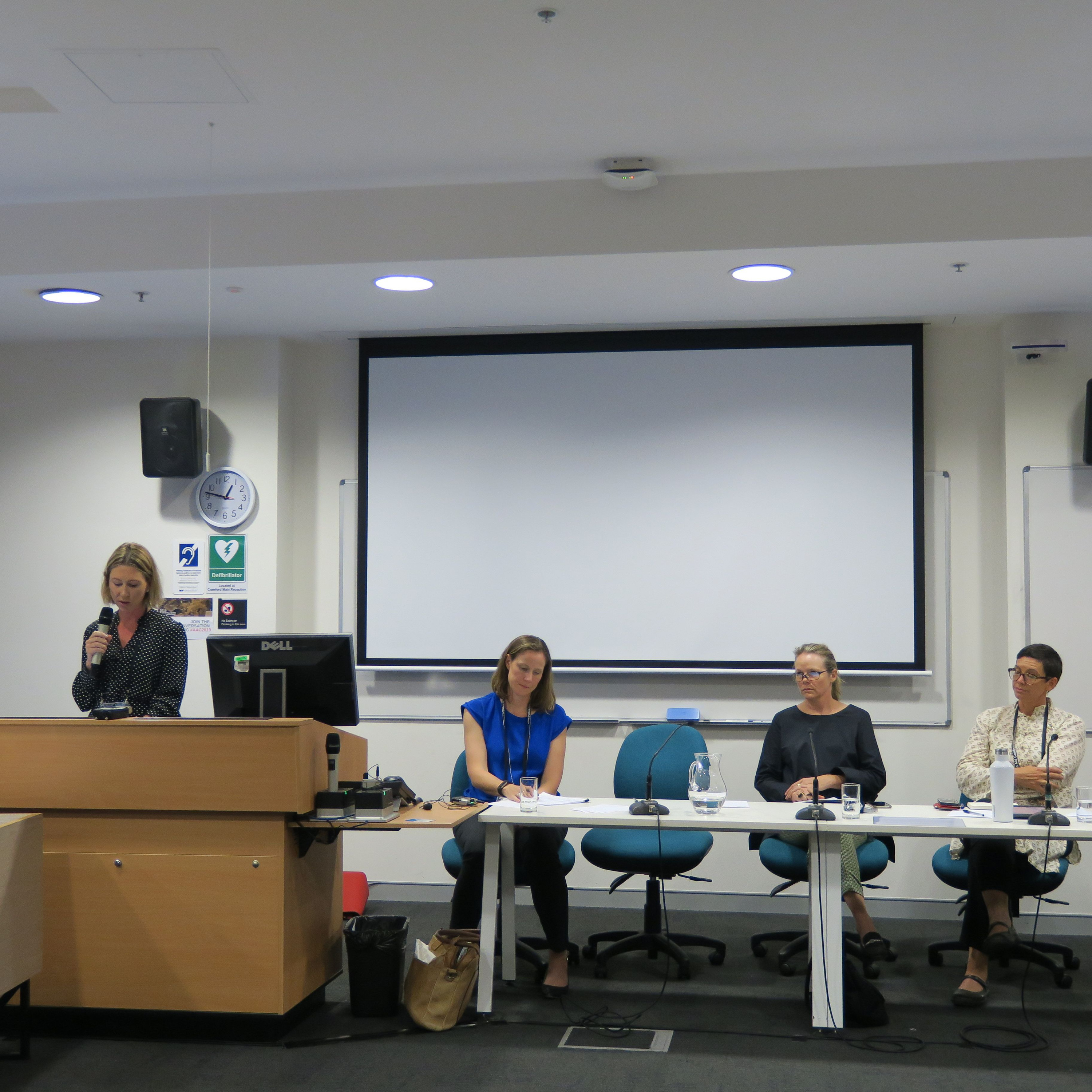
2019 Australasian Aid Conference - Panel 5c: Prevention of sexual exploitation in the aid sector
This panel brought together key players in the Australian aid sector to discuss best practice to approach the prevention of sexual exploitation and abuse in the aid sector, as well as safeguarding issues. It also provided a platform for organisations to learn from and share their approaches and experiences.Panellists:Kate Sutton, Humanitarian Advisory Group (Chair)Juliette Brassington, DFATSarah B
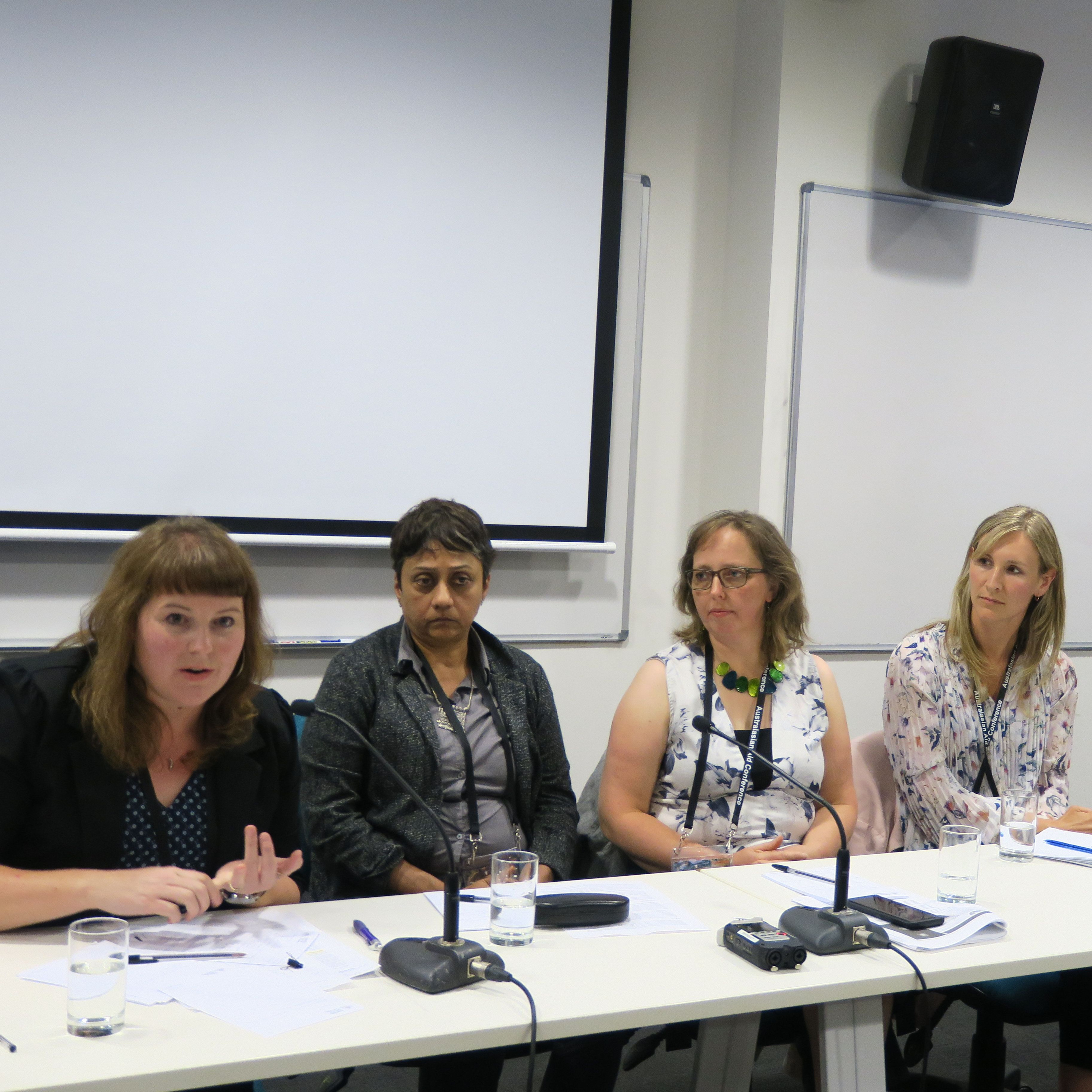
2019 Australasian Aid Conference - Keynote panel: Mental health and psychosocial disability
This panel highlighted the need for an increased focus on mental health and psychosocial disability within the disability-inclusive development agenda, and provided some best-practice examples and learnings for development practitioners.
Panellists:
Teresa Hall, University of Melbourne (Chair)
Becca Allchin, Monash University
Aleisha Carroll, CBM Australia
Bhargavi Davar, Transforming Communities
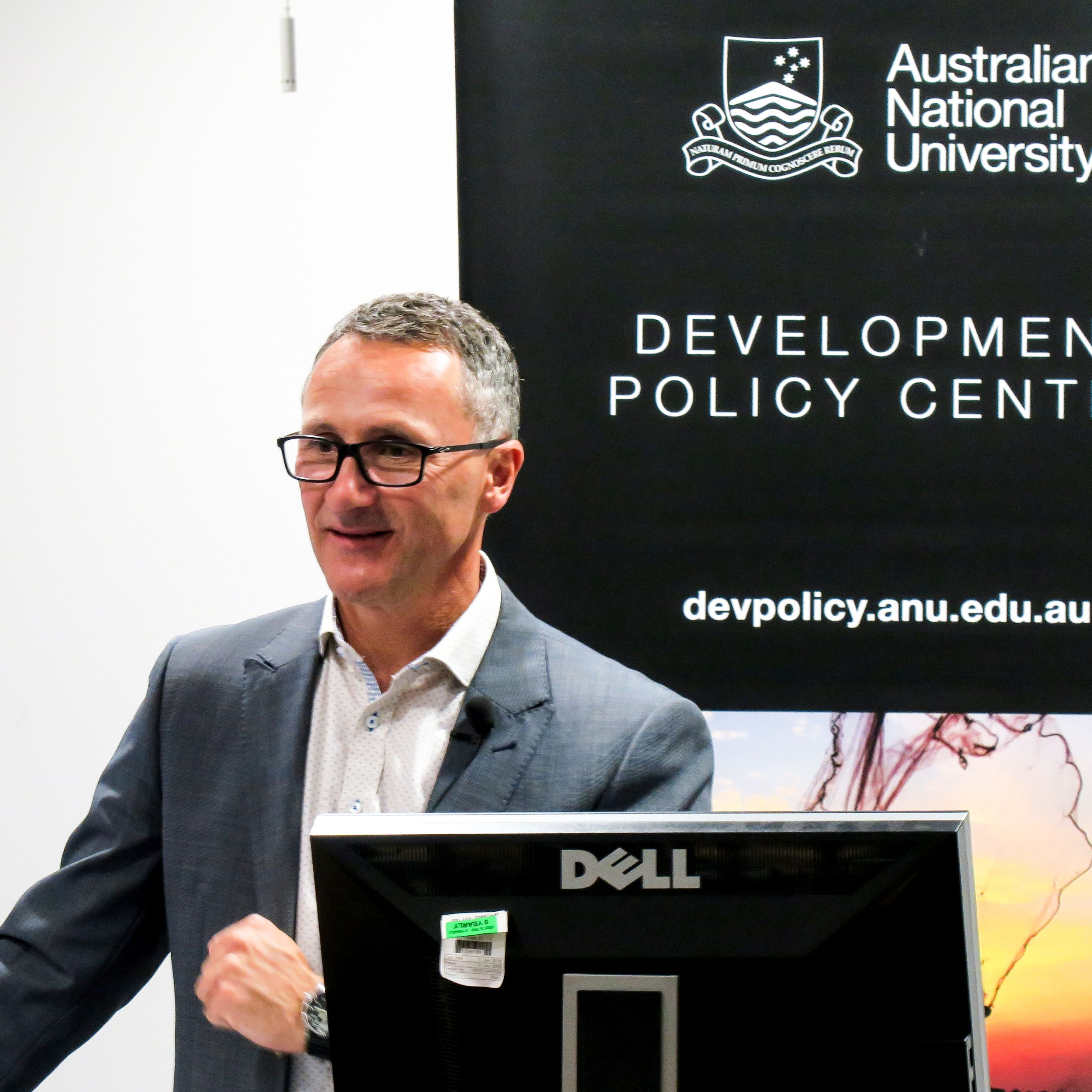
Australian Greens' aid and development policy: towards the 2019 election
On 29 March, Senator Richard Di Natale, Leader of the Australian Greens, launched the Australian Greens' full aid and development policy for the 2019 federal election at a public event at ANU.
Devpolicy Talks is the podcast of the Australian National University's Development Policy Centre. Read and subscribe to our daily blogs at devpolicy.org.Learn more about our research and join our public even