Sistas, Let's Talk
Sistas, Let’s Talk is a podcast for women across the Pacific region. Host Natasha Meten interviews inspirational women about the issues affecting them. The show discusses how to navigate modern life as a Pacific Island woman. It provides a platform for diverse voices and experiences.
Episodes
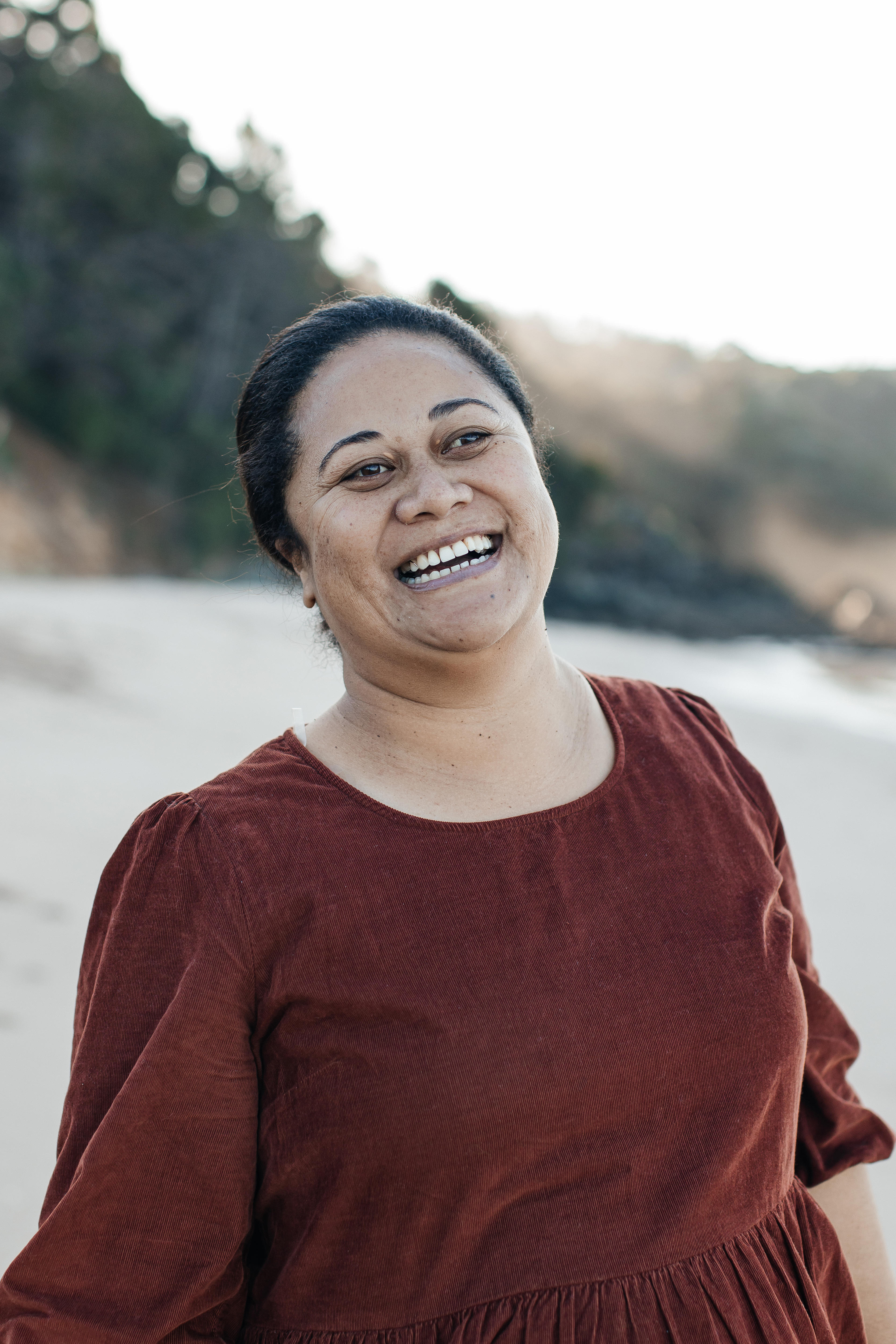
Finding the extraordinary in Ordinary Tongan Lives
What motivates a person to tell the stories of everyday people in their community? A passion for writing combined with the advice of her late father motivated Haitelenisia Afemui 'Uhila Angilau (Sia) to start the Facebook page Ordinary Tongan Lives. When he was alive her father had said when she feels self-pity or sadness she should go out and serve others. Instead of focusing
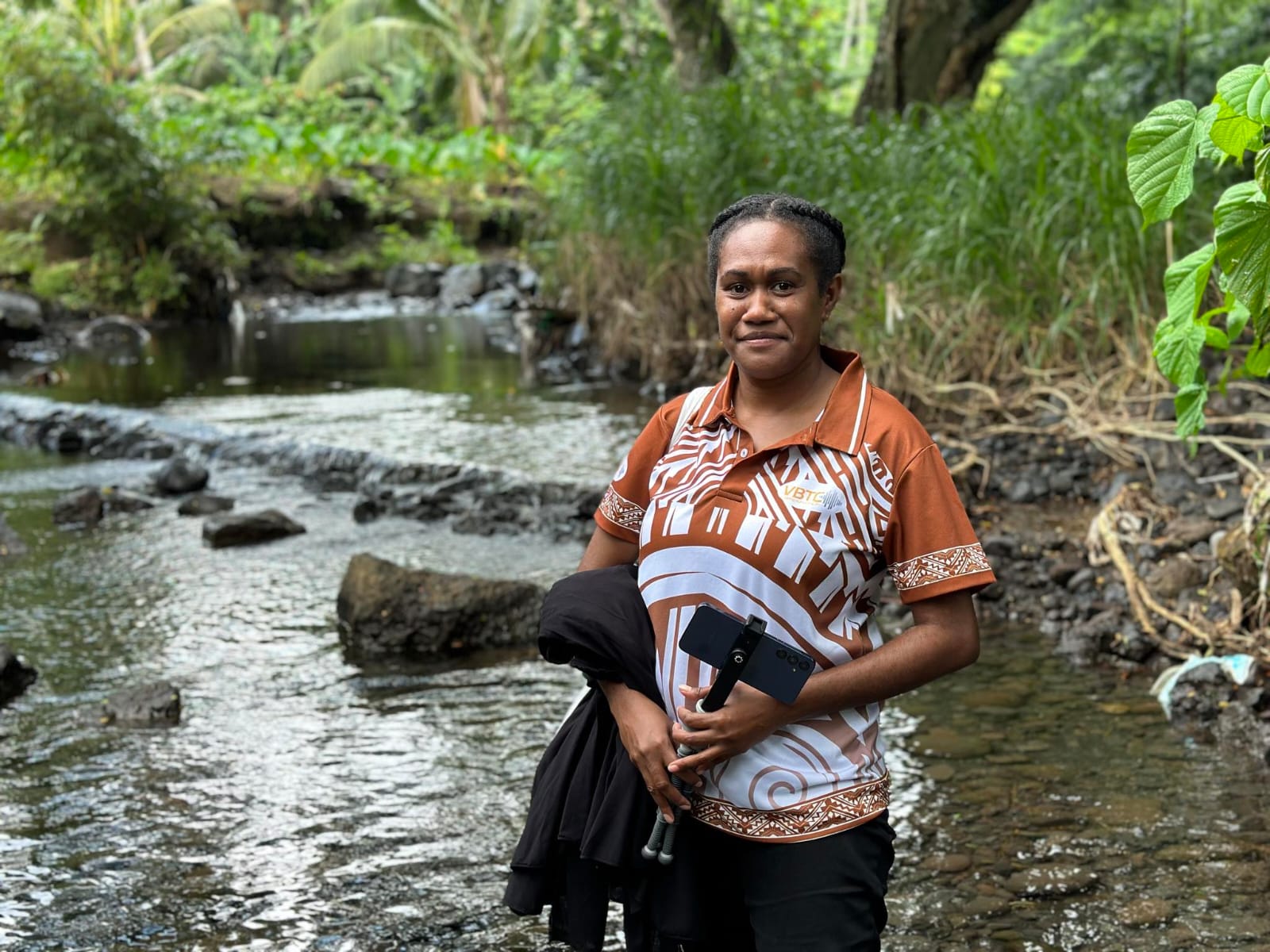
When disaster hits home: Telling Vanuatu’s climate change stories
When big environmental events happen in the Pacific, who tells the important stories? In Vanuatu, it’s Tiffany Baldwin. A climate change reporter for Vanuatu Broadcasting Television Corporation, Tiffany is passionate about environmental journalism. She's been telling these stories through El Niño and cyclones, even when her own family is dealing with the fallout from disaster.
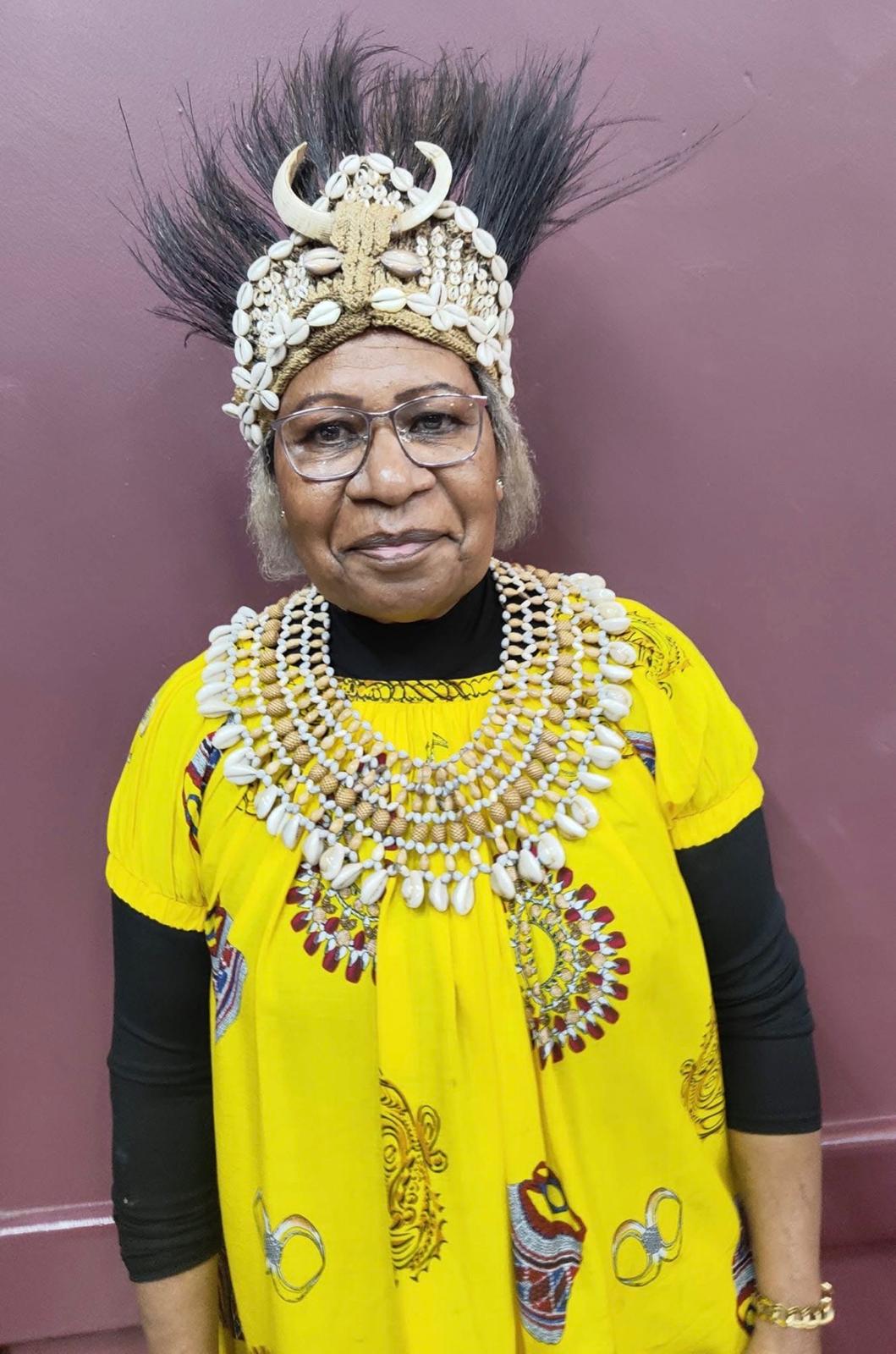
How a girl from Rabaul became a champion for Wantoks in Australia
For more than 40 years, Waso Mathews has been the person others turn to for support. From her childhood in Rabaul, Papua New Guinea, to her life as a respected chef and community leader in South Australia, she has spent decades helping families build new lives, creating connections across cultures, and championing the wellbeing of her fellow Wantoks. Waso has done everything fro
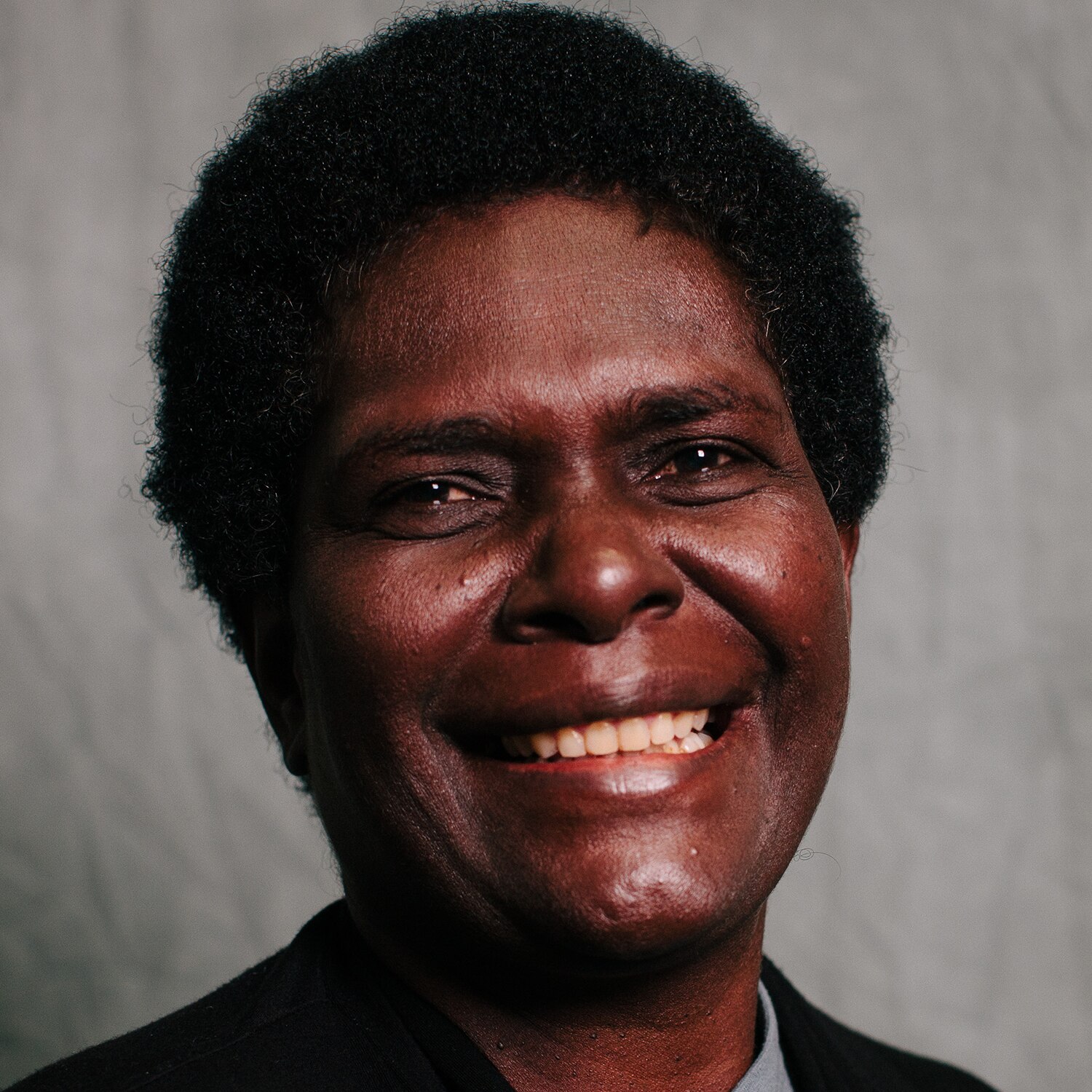
Rose Pihei never planned to become a politician, but the Bougainville Conflict changed everything
When the Bougainville conflict erupted in 1988, Rose Pihei was living away from her village on the south of the island.After the conflict – which led to killed 20000 people and saw many more displaced – Rose saw the crucial role women played in rebuilding their communities.Inspired to create lasting change, she co-founded the Bougainville Women's Federation, empowering women and
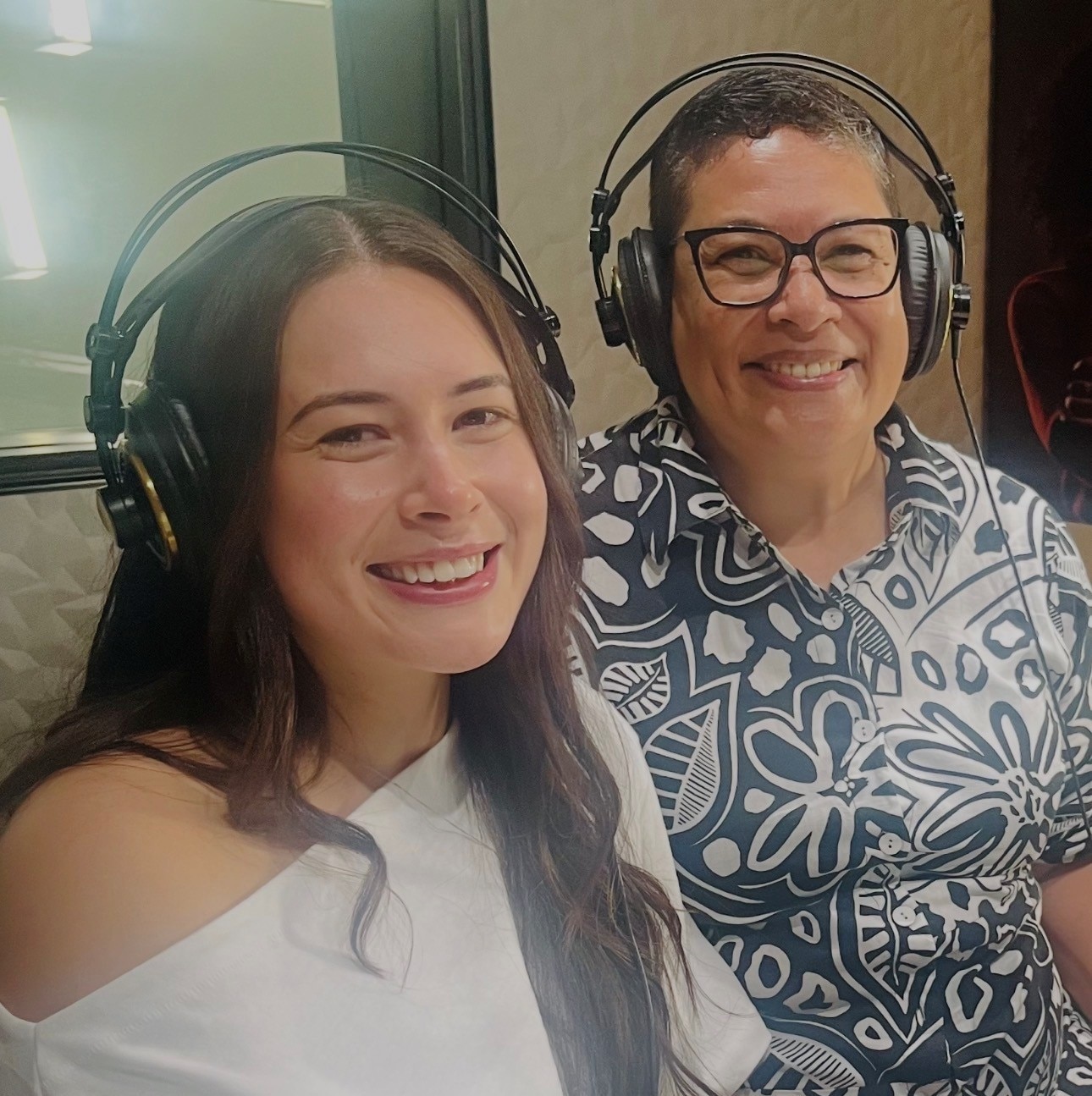
Breaking the silence: Tongan mother and daughter create tools to prevent domestic violence
How do you improve communication in Pacific families with the aim of preventing domestic violence? Carol Kuisma and her daughter Jessica are Tongan women living in Australia. They have developed a set of cards aimed at starting conversations and encouraging healthy, non-violent relationships. The idea was born out of what they saw in their social services jobs as an obvious nee
Veronica Koman: The exiled lawyer refusing to stay silent on West Papua
For Indonesian human rights lawyer and activist Veronica Koman, exile from her home country isn't enough to stop her from speaking out about Indonesia's rule over West Papua. Veronica received a humanitarian award for her activism and she's used it as another chance to continue advocating for West Papua. So what makes this remarkable woman tick? Veronica speaks to Natasha Meten f
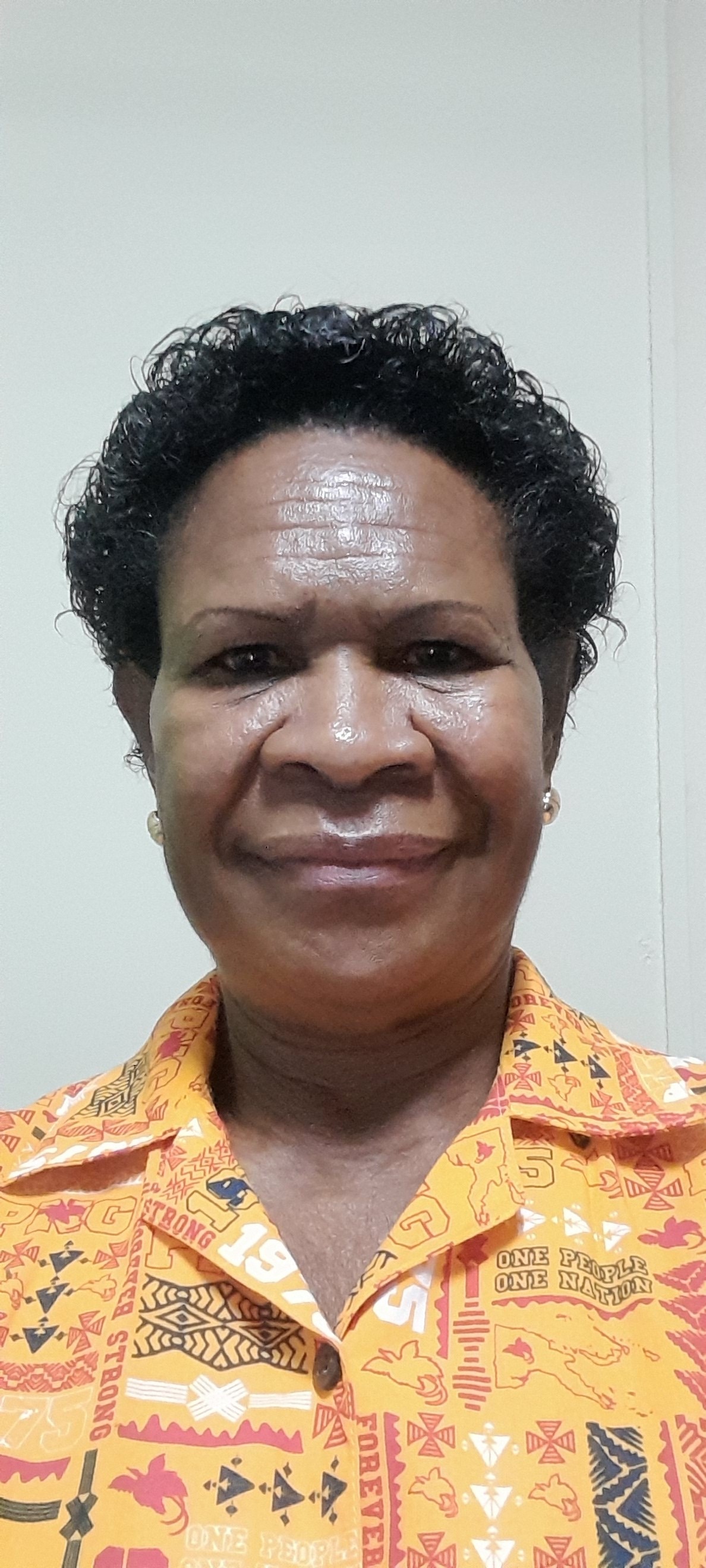
How education changed Matilda Sweman's life
Matilda Sweman thinks deeply about education. Particularly for girls in Papua New Guinea.That's because she went to school just after her country gained independence, at a time when very few girls were being educated.She went on to become a primary school teacher in the East Sepik region for almost two decades, and now she's an author and a lecturer in teaching at the Papua New G
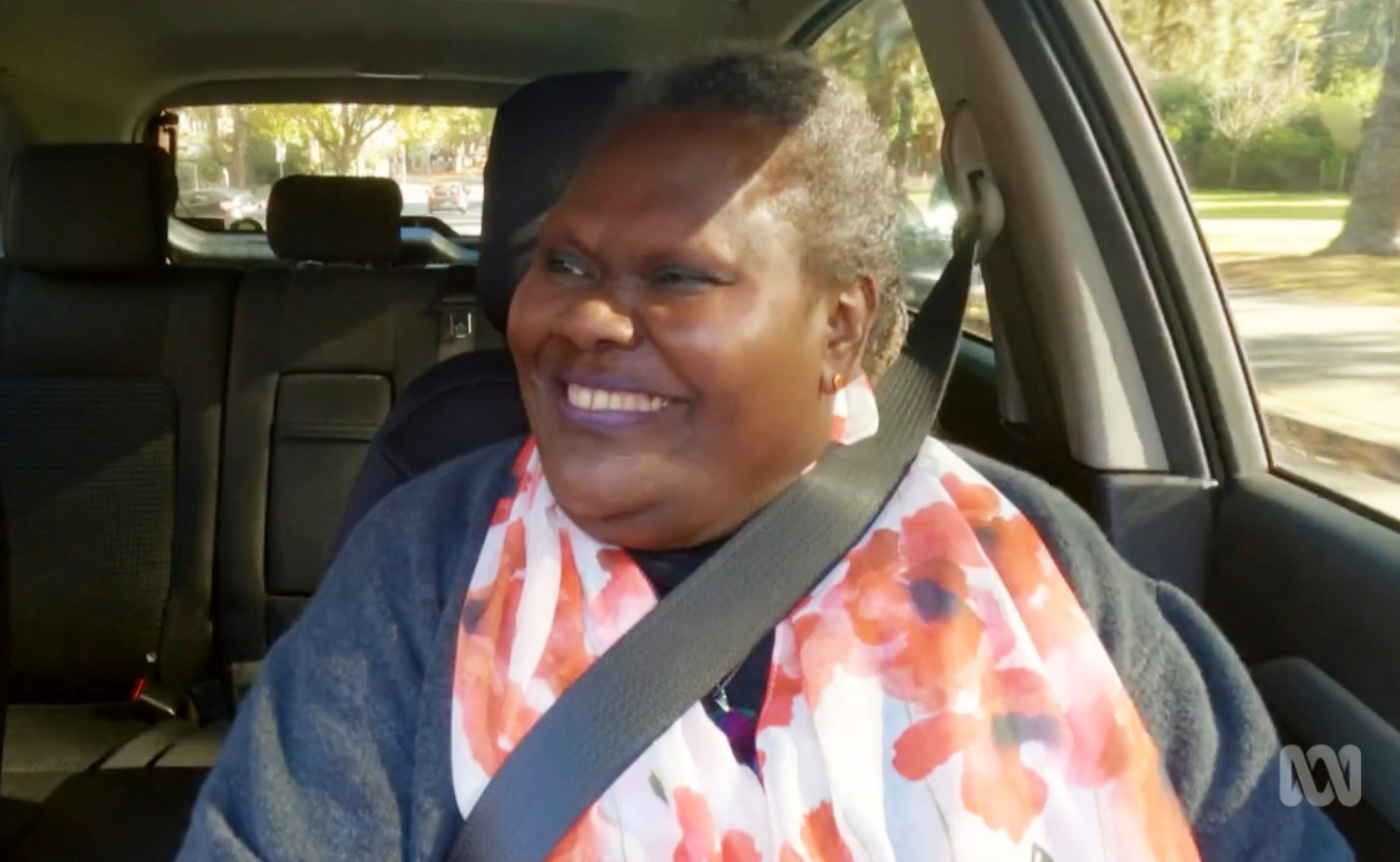
How living in the diaspora led this Elder to an Olympic icon
For arts scholar and curator, Aunty Sana Reana Balai, living as part of the Pacific Island diaspora in Australia offered her new opportunities – and challenges.Carving out a new life abroad where she rarely saw other Pacific Islanders, Aunty shares stories on how she kept herself grounded and connected to culture, whilst removed from her beloved homeland of Buka Island, in Bougai
The challenges of raising neurodivergent children in the Pacific
Understanding autism, ADHD and other neurodivergent conditions for kids in the Pacific can be a challenge for parents and their wider communities. These conditions are on a spectrum, meaning symptoms vary from mild to severe depending on the individual and the challenges they face. Children who can’t read social cues or become overwhelmed by their surroundings can be mistaken f
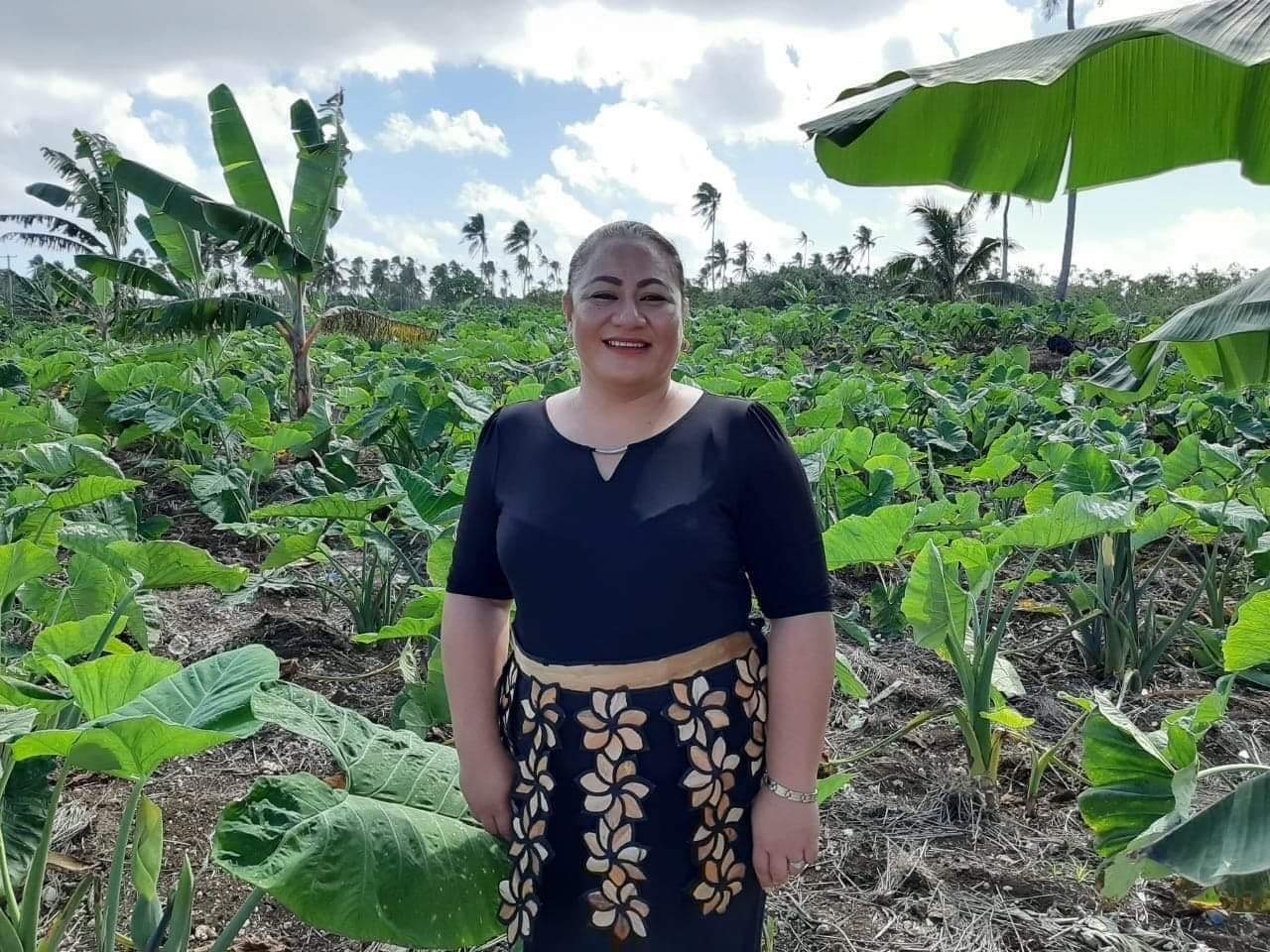
Honour and responsibility: What being a matriarch means for Pacific women
Many women across the Pacific would not necessarily call themselves a matriarch. But their children, grandchildren, nieces, nephews or community might. A matriarch is often the eldest daughter. The person everyone turns to. The one who holds the family together, carries traditions, settles disputes and offers wisdom when it's needed most. So what does it mean to be seen as a m
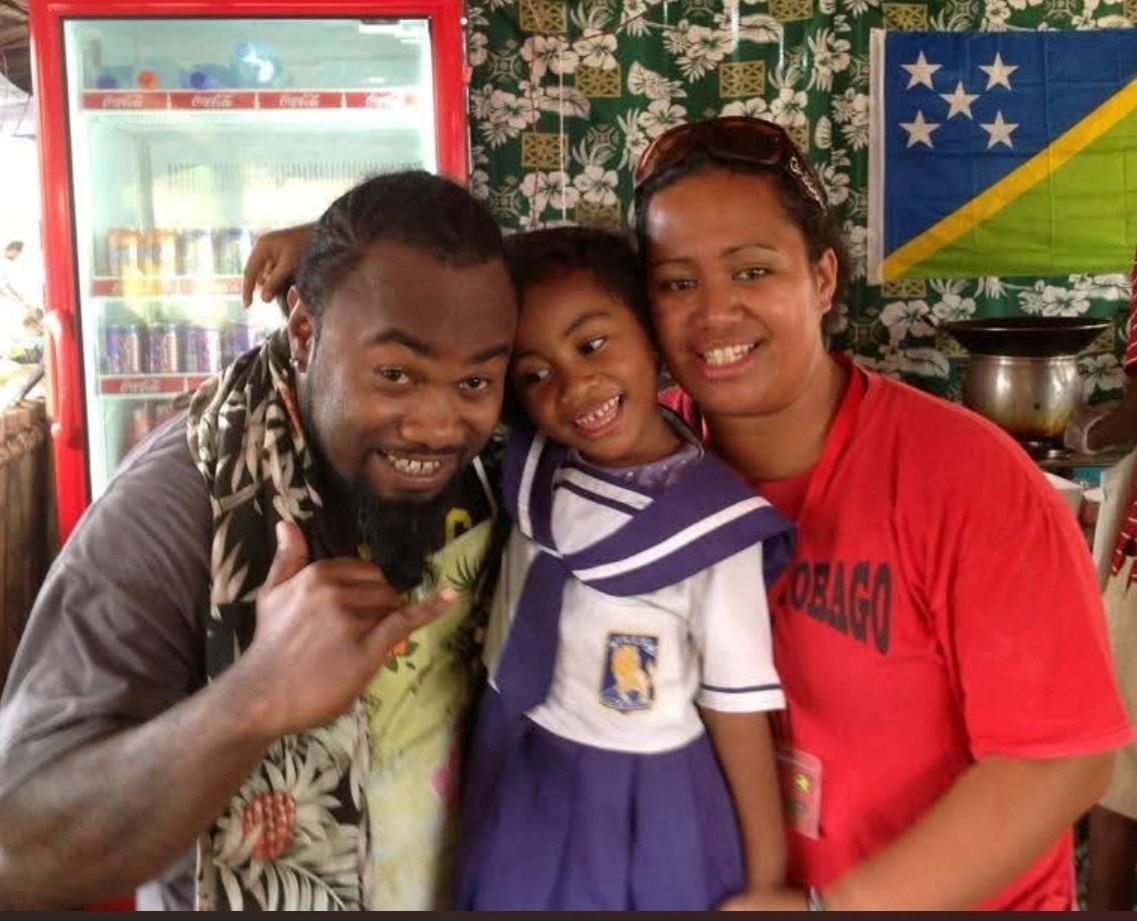
The joys and challenges of intercultural relationships in the Pacific
Love doesn't follow rules or boundaries. In a diverse society, it often brings together people from different cultural backgrounds, creating relationships that can be as enriching as they are complex. On Sistas Let's Talk, Natasha Meten explores the shared sense of connection, respect and belonging that couples have despite their cultural differences. She speaks to Pauline Dorne
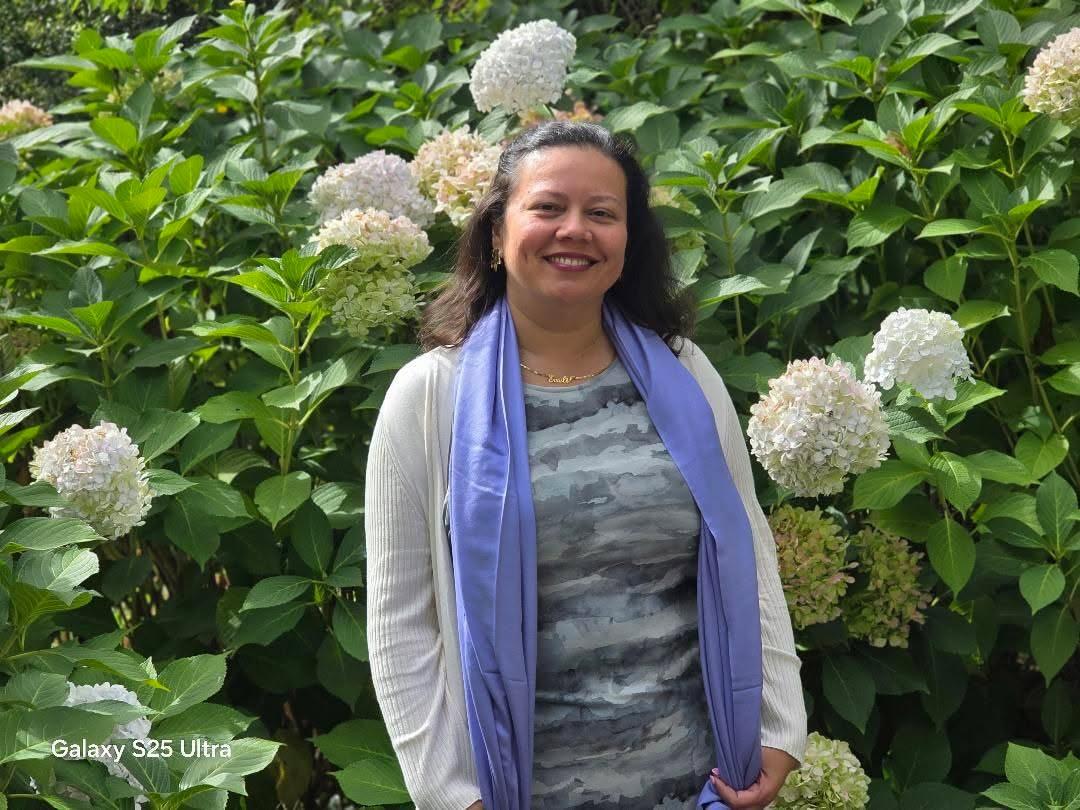
Life after 40: Pacific women on growth, identity and self-discovery
For many Pacific women, their 40s and 50s can be a transformative time marked by wisdom, confidence and self-discovery. With lived experience comes a clearer understanding of what truly matters, bringing fresh perspectives on relationships, health, family and identity. On Sistas Let’s Talk Natasha Meten speaks with three women about the realities of midlife – what excites them, w
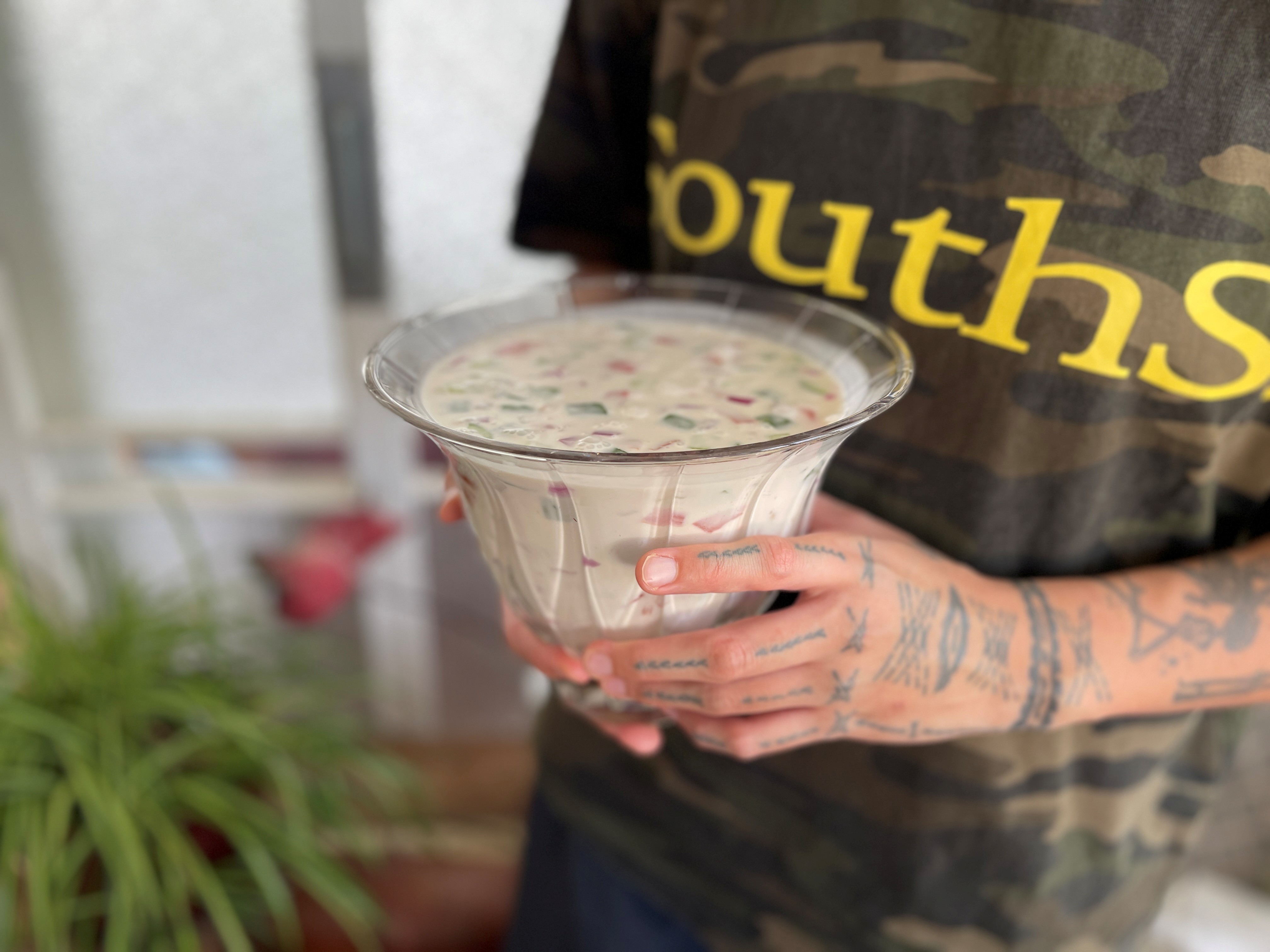
From oka to chop suey: the traditional dishes connecting Pacific generations
For many Pacific women, traditional dishes are more than just food, they are a connection to family, culture and identity. From island trevally to oka to the classic chop suey, Sistas Let’s Talk is celebrating the traditional Pacific dishes that our guests have been making since childhood. Natasha Meten speaks to Aunty Rangi Mitaera-Johnson from Cook Islands and Tongan-born 'Ana
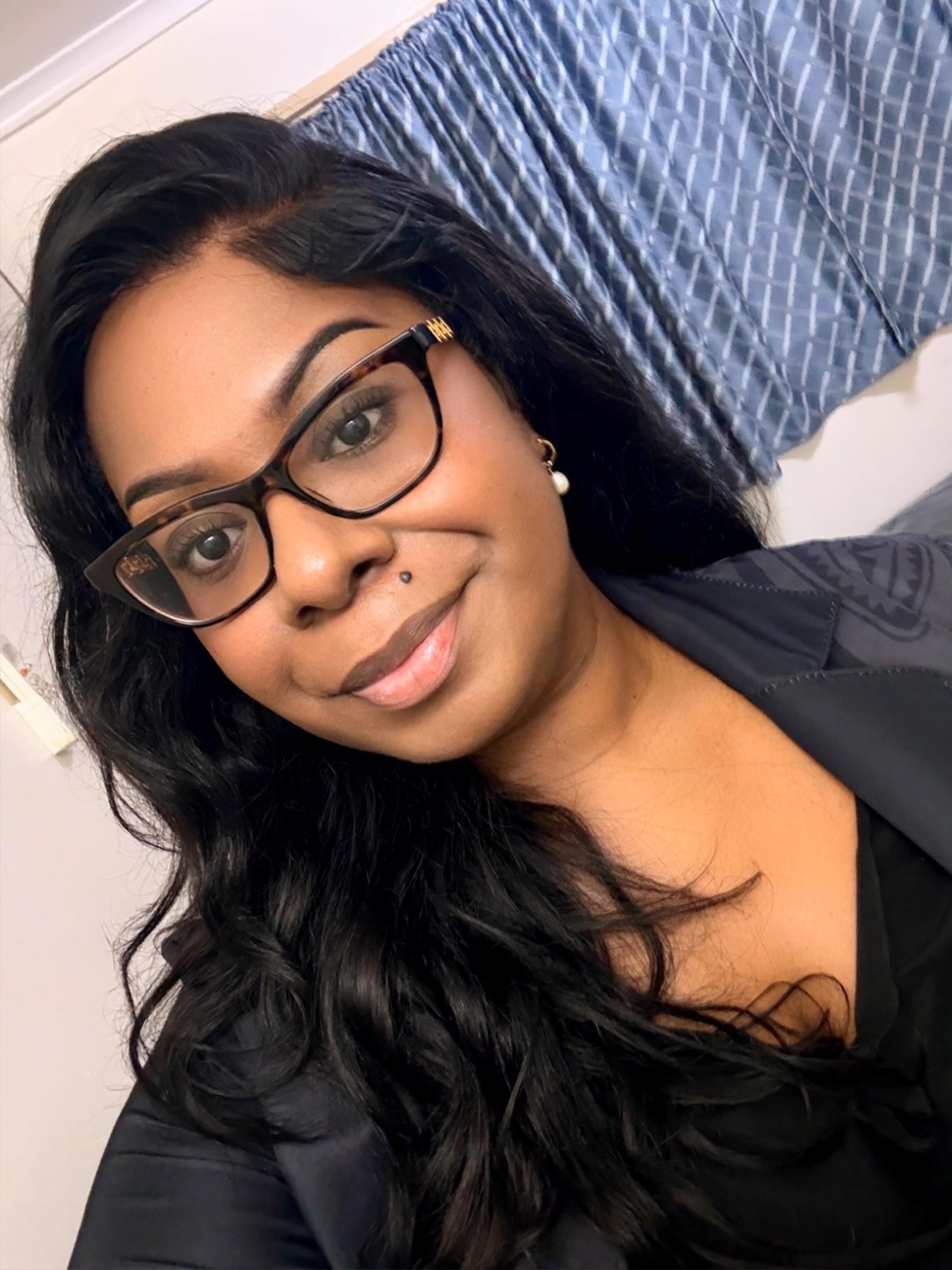
Life in your 30s: PNG women share lessons on family, career and self-discovery
Turning 30 can feel like standing at a crossroads, caught between who you were and who you want to become. In this episode of Sistas Let's Talk, three Papua New Guinean women reflect on life in their 30s, sharing candid stories career ambitions, family responsibilities, self-discovery and the realities of adulthood. From learning to let go of the need for external validation t
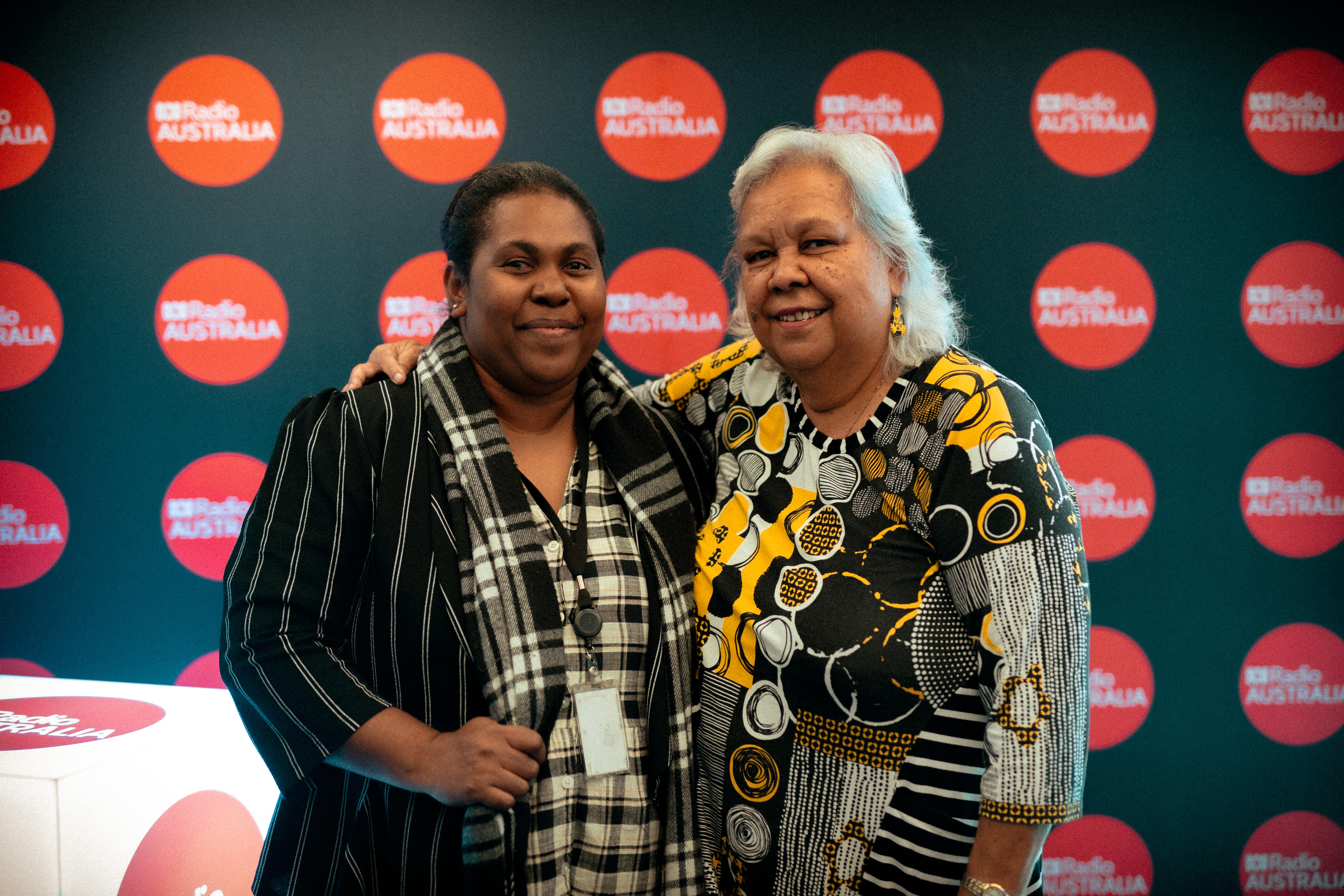
NAIDOC Week spotlight: Professor Jackie Huggins brings Indigenous history to life
Sistas Let’s Talk usually celebrates remarkable women from across the Pacific, but this NAIDOC Week, the focus turns to one of Australia’s most respected Aboriginal elders. Natasha Meten sits down with Bidjara and Birri Gubba Juru woman Professor Jackie Huggins, an historian, author and lifelong advocate for Indigenous rights. As a child, Jackie questioned why her people’s histor
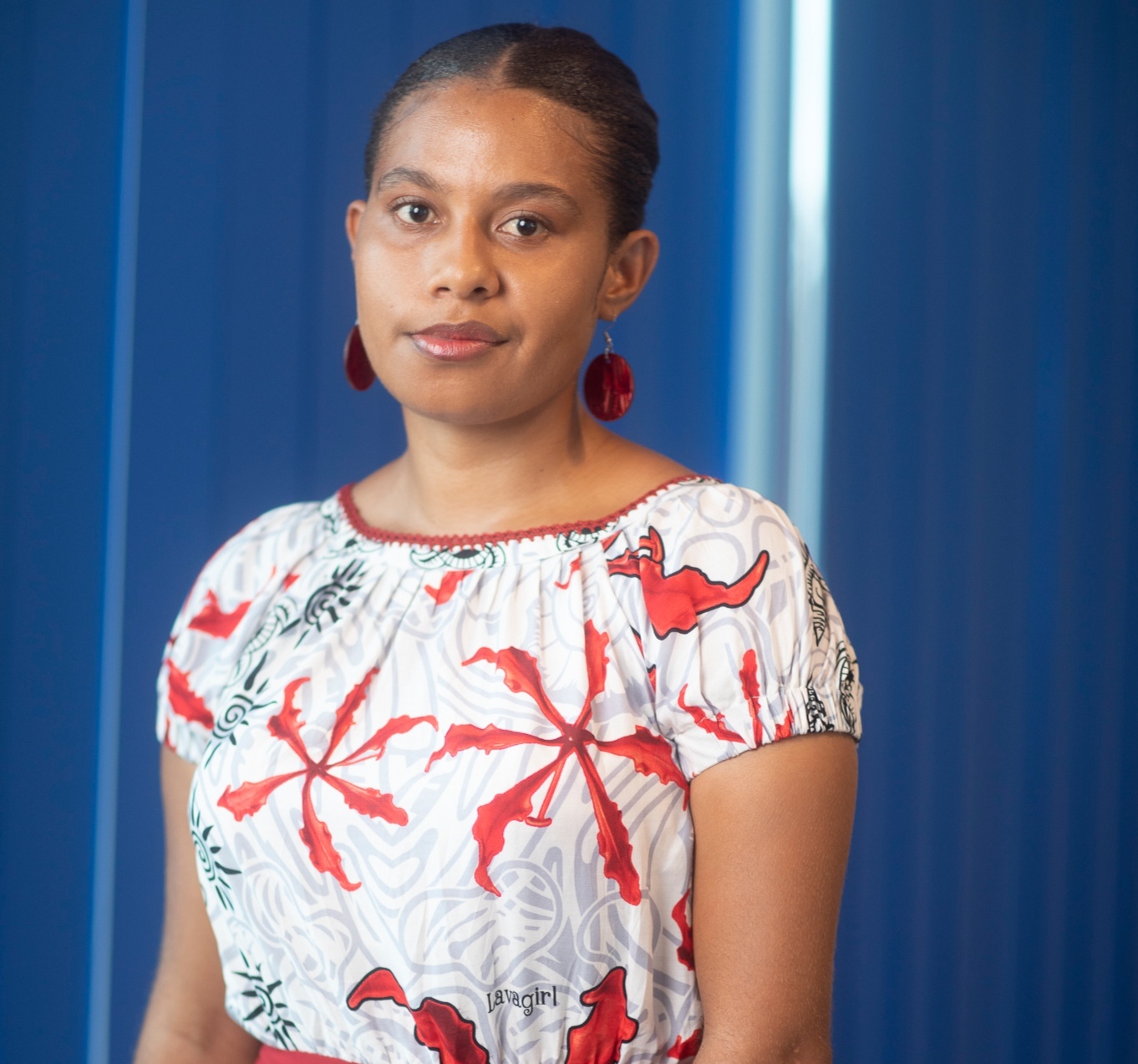
Ambition and hope: Three Pacific women on life in their 20s
The transition to adulthood is an exciting time of life, shaped by both opportunity and expectation. From planning careers to taking on new responsibilities, life in your 20s can bring big changes and challenges. On Sistas Let’s Talk, Natasha Meten meets three women navigating this journey, exploring what they’ve achieved, their hopes for the future, and how cultural expectation
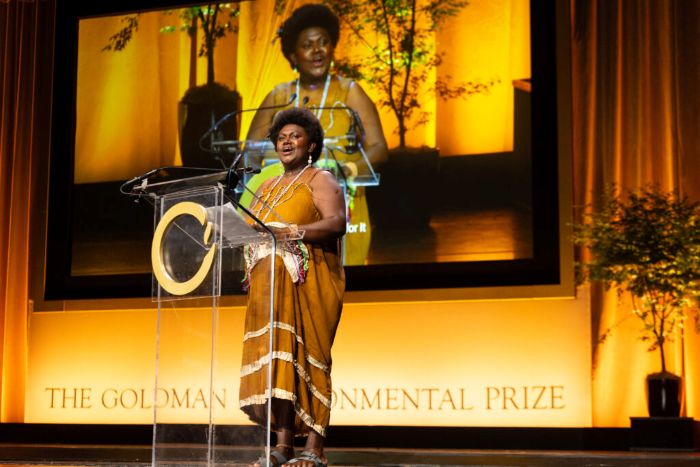
Bougainville’s Theonila Roka Matbob on taking down a mining giant and winning the Goldman Prize
Theonila Roka Matbob grew up surrounded by the toxic legacy of Panguna mine in central Bougainville. Now a politician and human rights advocate, she refused to accept the damage left behind. Mobilising her community, Theonila took on mining giant Rio Tinto – and won. Her campaign has earned her global recognition, including the the 2026 Goldman Environmental Prize. In this epi
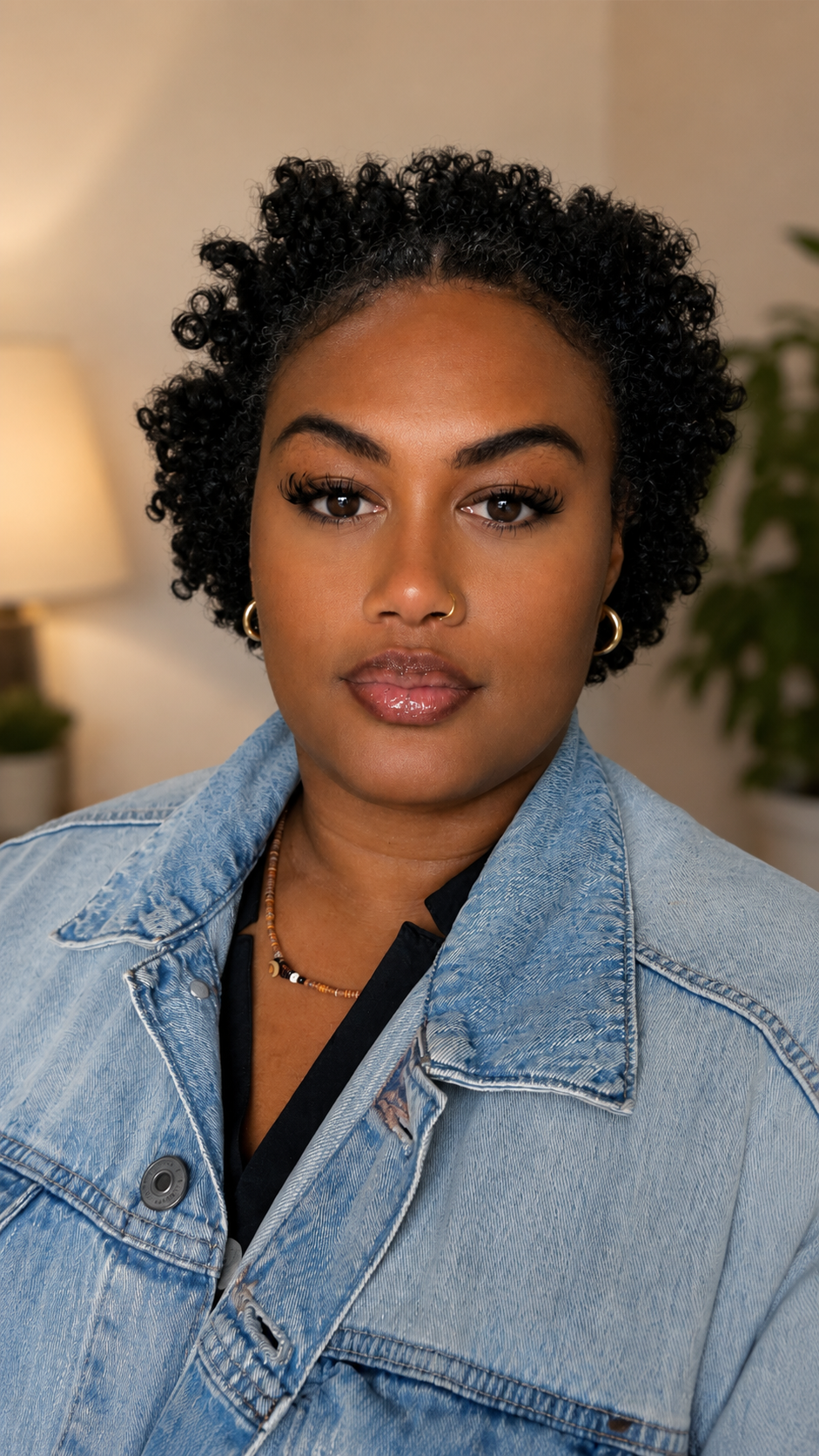
How traditional and legal adoption conflict for children from the Pacific
Adoption in the Pacific is very different from the way it’s done in other countries. If children aren’t being raised by their birth parents, there are aunties, uncles or grandparents who will take them in. But for Pacific kids in the diaspora, adoption can go several ways. There are cultural adoptions, or a child may be adopted in line with the policies of the country – like N
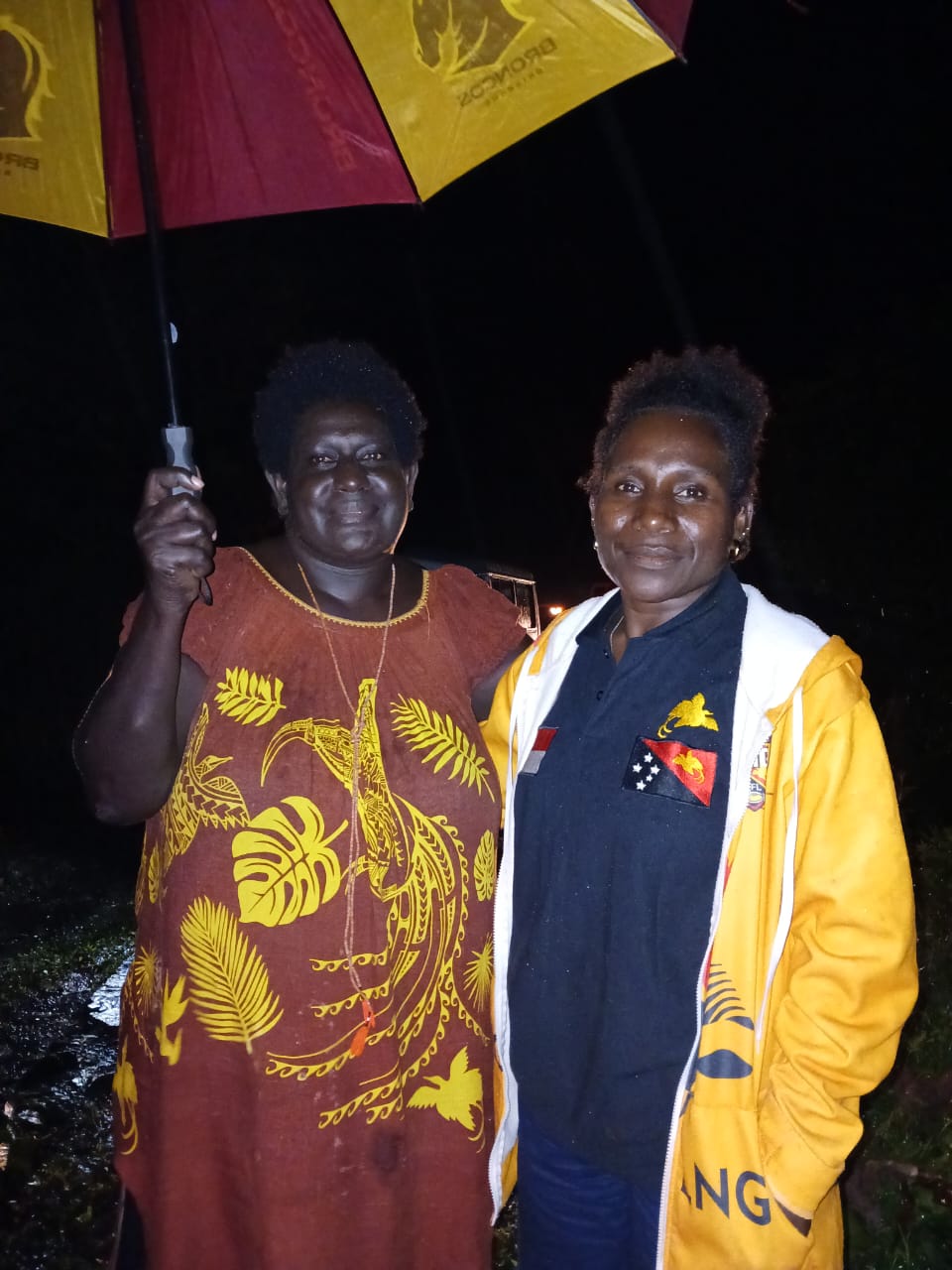
Beyond the disaster: Meet the women on the frontline of landslide relief in PNG and Bougainville
For many communities across the Pacific, the impact of Cyclone Maila is still being felt long after the winds and rain have passed. At least 25 people lost their lives, but behind that number are families trying to rebuild - and women carrying much of the recovery on their shoulders. Sistas, Let’s Talk meets the women on the frontlines of recovery. In the Autonomous Region of Bou
Surviving a rough patch: how some couples get through the hard times
Relationships are full of ups and downs but if you don’t want to break up, how do you bring your relationship back from the brink? This week Sistas Let’s Talk explores the ways women across the Pacific have saved their relationships by facing up to difficult conversations, seeking counselling and even turning to an agony aunt. Natasha Meten speaks to Elsie Molou, a listener from
How colonialism has shaped colourism in the Pacific
Colourism is part of everyday life for some Pacific Islanders. From being told you’re too dark for a photo to seeing lighter-skinned kids picked first for school teams, it shapes how people are treated, privileging some while others face exclusion or bullying. This week on Sistas Let’s Talk, Natasha Meten speaks with two women about the impact of colourism and its roots in coloni
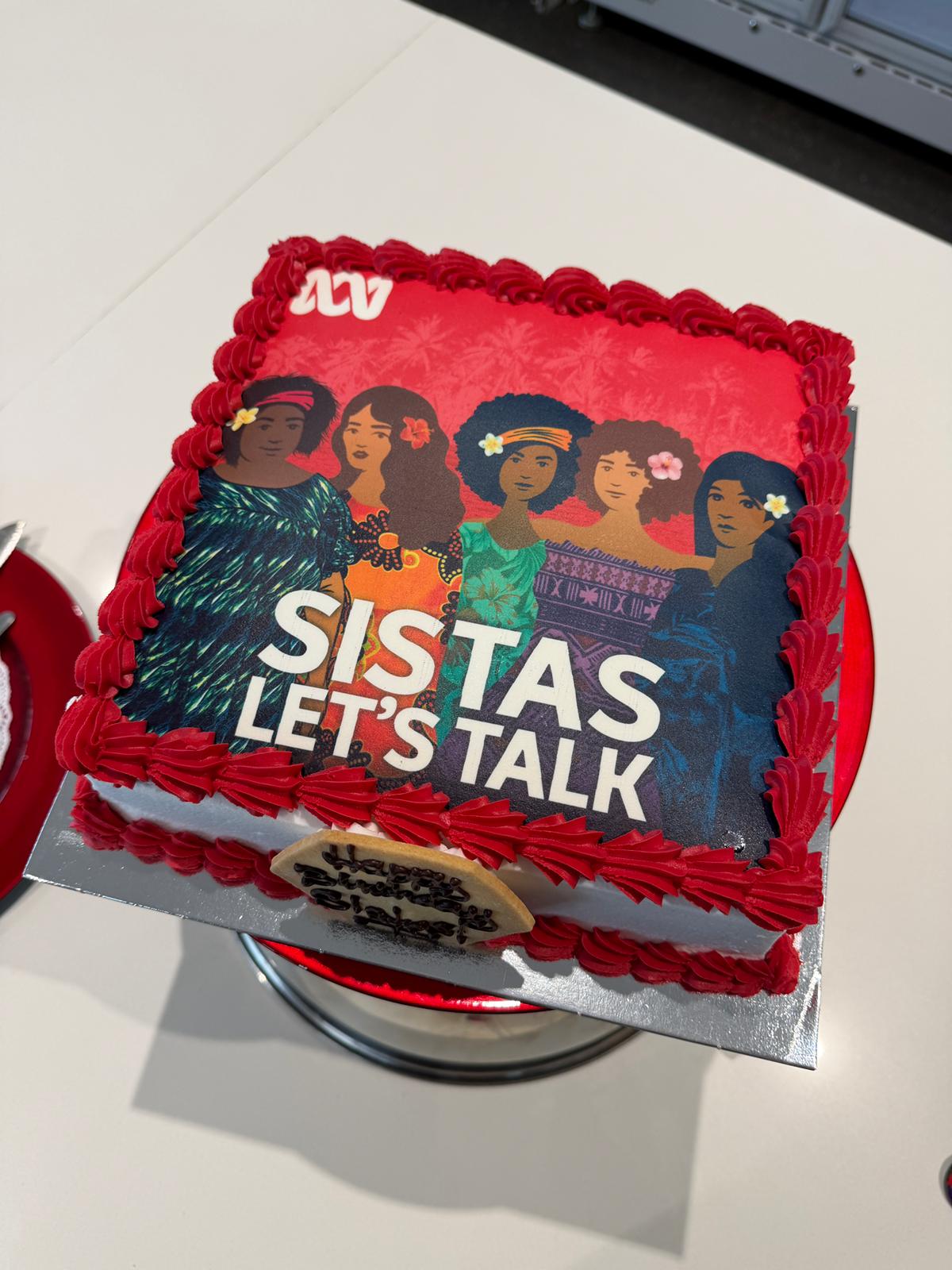
Five years on: Sistas Let’s Talk looks back on five years of platforming Pacific women’s issues
Five years ago, Sistas Let's Talk began as a space for Pacific Island women to talk honestly about their lives. The joys, the struggles, the things they celebrate and the things they’re too often told not to say out loud. To mark this milestone, hosts Natasha Meten and Hilda Wayne go on a trip down memory lane to revisit some of the moments and episodes that serve as a reminder
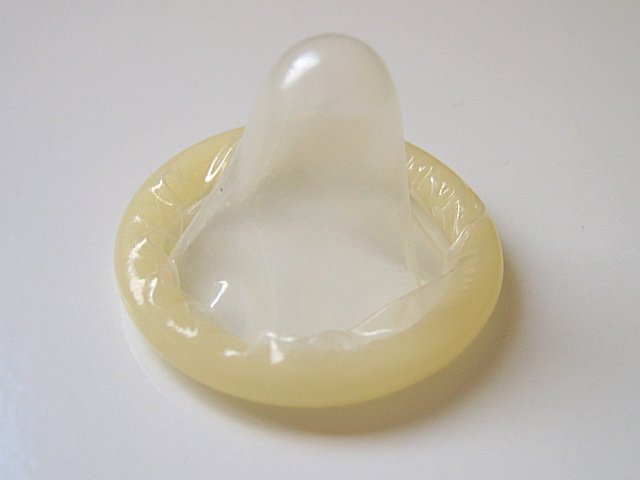
Why do so many Pacific men refuse to wear condoms?
HIV rates in Fiji and Papua New Guinea are soaring but the message about safe sex doesn’t seem to be getting through to a lot of men in the Pacific. Condoms are one of the most effective ways of preventing HIV and other sexually transmitted infections. But many women in the Pacific are finding their sexual partners don’t want to use a condom. Women report being accused of promisc
Will banning polygamy in Papua New Guinea improve safety for women and children?
Polygamy is illegal in Papua New Guinea, but in practice it remains widespread—and is growing. Prime Minister James Marape has announced plans to strengthen the ban as part of a broader national effort to protect women, strengthen families, and restore respect for mothers and daughters across the country. Will the ban work? And how might it empower women in polygamous relationshi
How the Pacific drug crisis impacts women
The drug crisis across the Pacific is dominating our headlines. Countries like Fiji and Tonga have become gateways for moving drugs between Asia or the Americas to Australia and New Zealand. Some of these drugs end up on the streets in the Pacific, and for women and girls there's a secondary impact beyond that of addiction. Some are experiencing gender-based violence and family
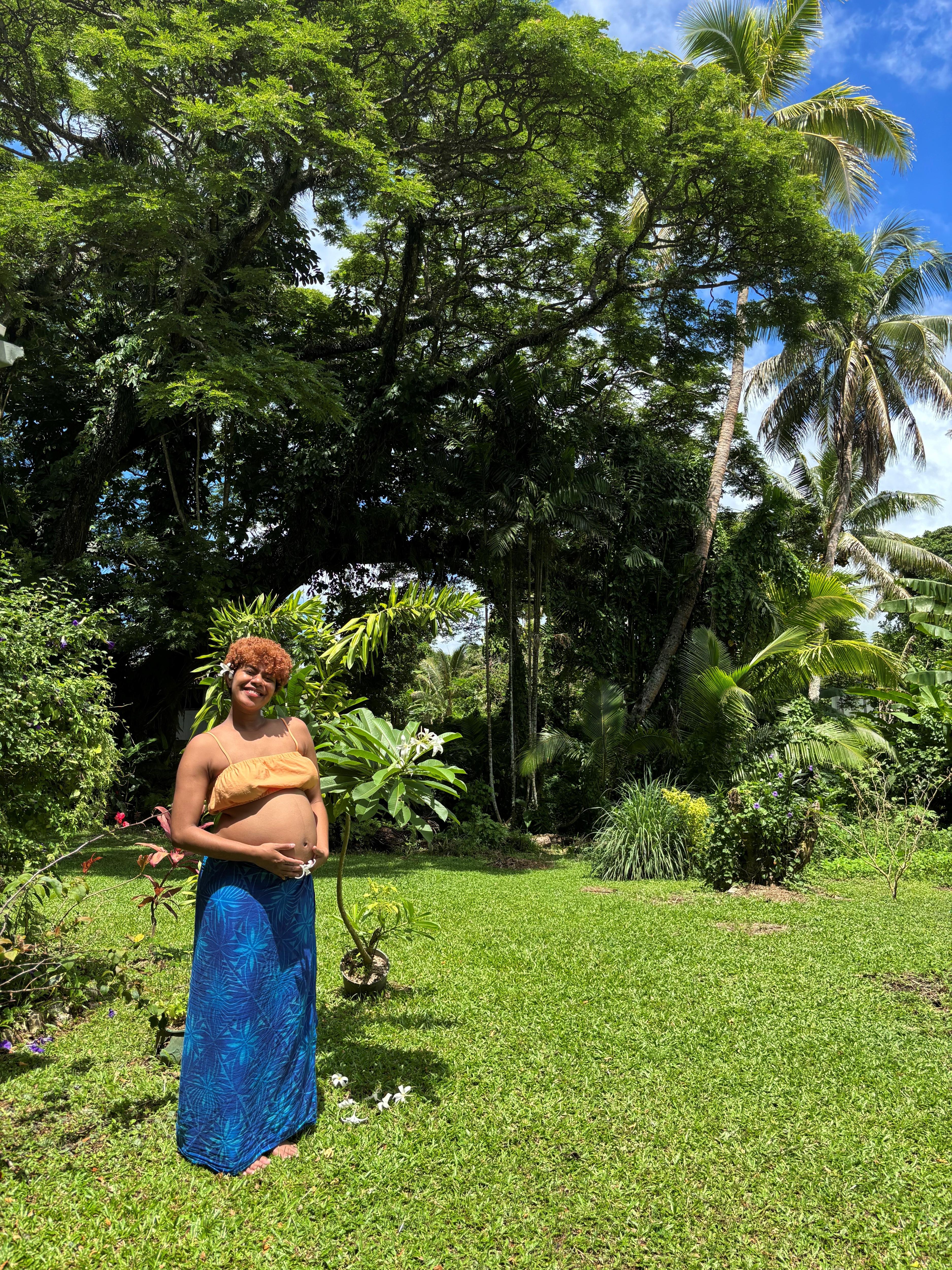
From excitement to fear: What it’s like being pregnant for the first time
It’s hard to think of anything more exciting but also nerve wracking than being pregnant for the first time. Each stage is a new experience and a lesson in letting go of plans and control, and just trying to go along with what life delivers. Every woman is different and so is every pregnancy. This week on Sistas Let’s Talk, Natasha Meten explores first time pregnancy with a woma
Stigma kills: How Fiji’s HIV crisis impacts mothers and babies
Fiji has the world's fastest growing rate of HIV transmission and it's not only high-risk groups being impacted. Babies are being born with HIV through a process now called vertical transmission - where they get it during pregnancy or birth or breastfeeding. However, vertical transmission is very avoidable. The key is getting tested early and getting that lifesaving treatment,
Positive bystanders: How to take action when you witness gender-based violence
Gender-based violence is happening throughout the Pacific but one thing that seems to be changing is how people react when they see it. While some people still stand by, afraid to get involved, others are speaking up and saying the violence is unacceptable. So how can you be a positive bystander without risking your own safety? Sistas Let’s Talk speaks to three women about steppi
What GBV survivor support really looks like in the Pacific
Gender‑based violence remains a major issue across the Pacific, and while crisis support services exist, long‑term trauma care for survivors varies widely. So what happens after the immediate danger has passed? What does effective, culturally informed trauma support look like in places where health services are stretched? And how should care change to meet the needs of survivors
The power of friendship seeing women through the best and worst times
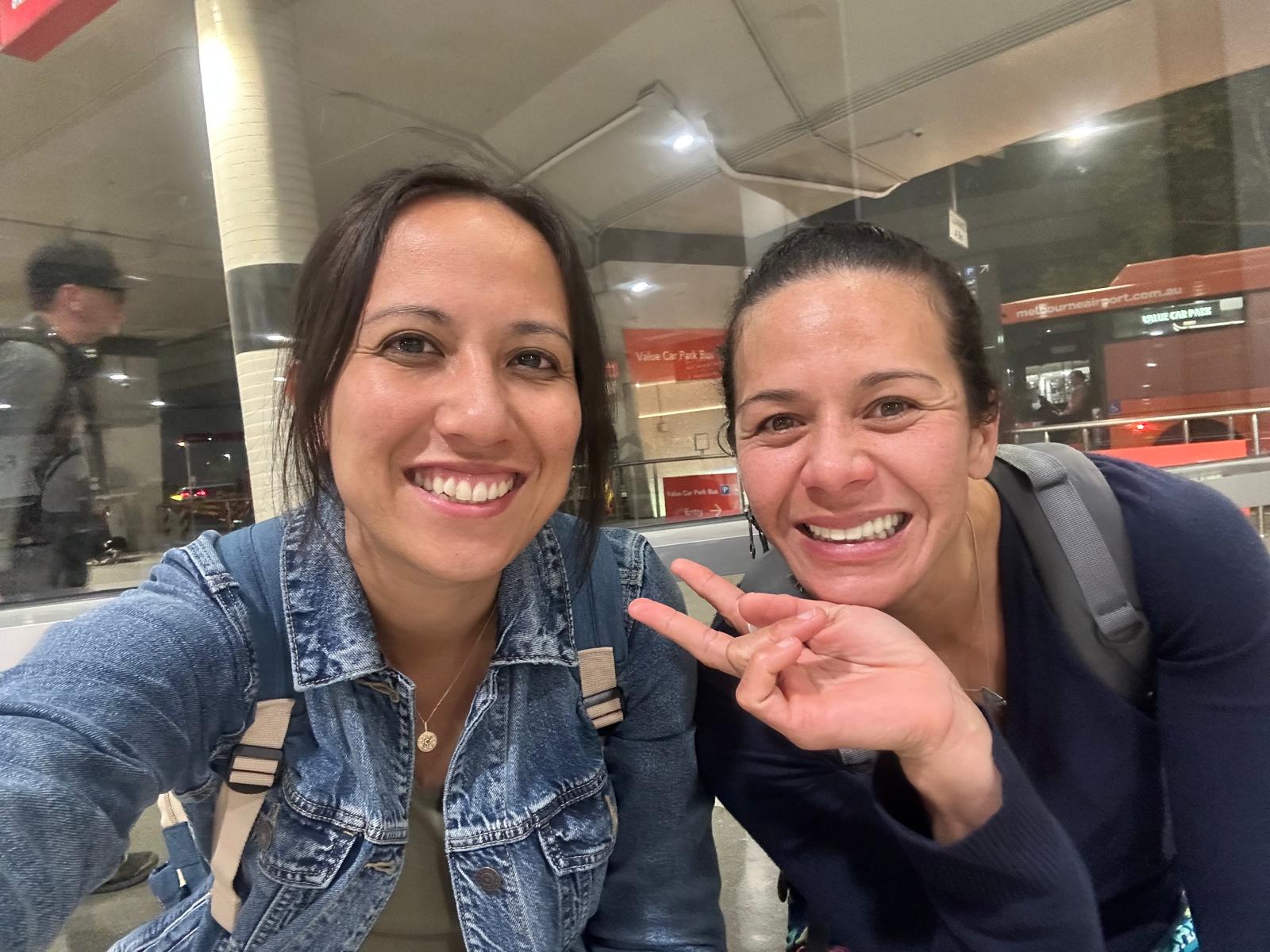
What does it mean to have a best friend? For Vaimo'oi'a Ripley and Julia Meredith it has meant having someone to laugh with, make mischief with and someone to turn to in the absolute best and worst moments of life. The pair have been best friends since primary school in Samoa and while they no longer live in the same city, they always know how to pick up where they left off. T
Trailblazers in lab coats: Meet the Pacific women changing lives through science
While there’s no shortage of Pacific women in sport, the arts and business to look up to, what about women in science? Globally, women make up less than a third of the STEM workforce, and Pacific women are even more underrepresented. Yet many are leading groundbreaking research that’s improving the health and wellbeing of their communities. In this episode of Sistas Let’s Talk, N
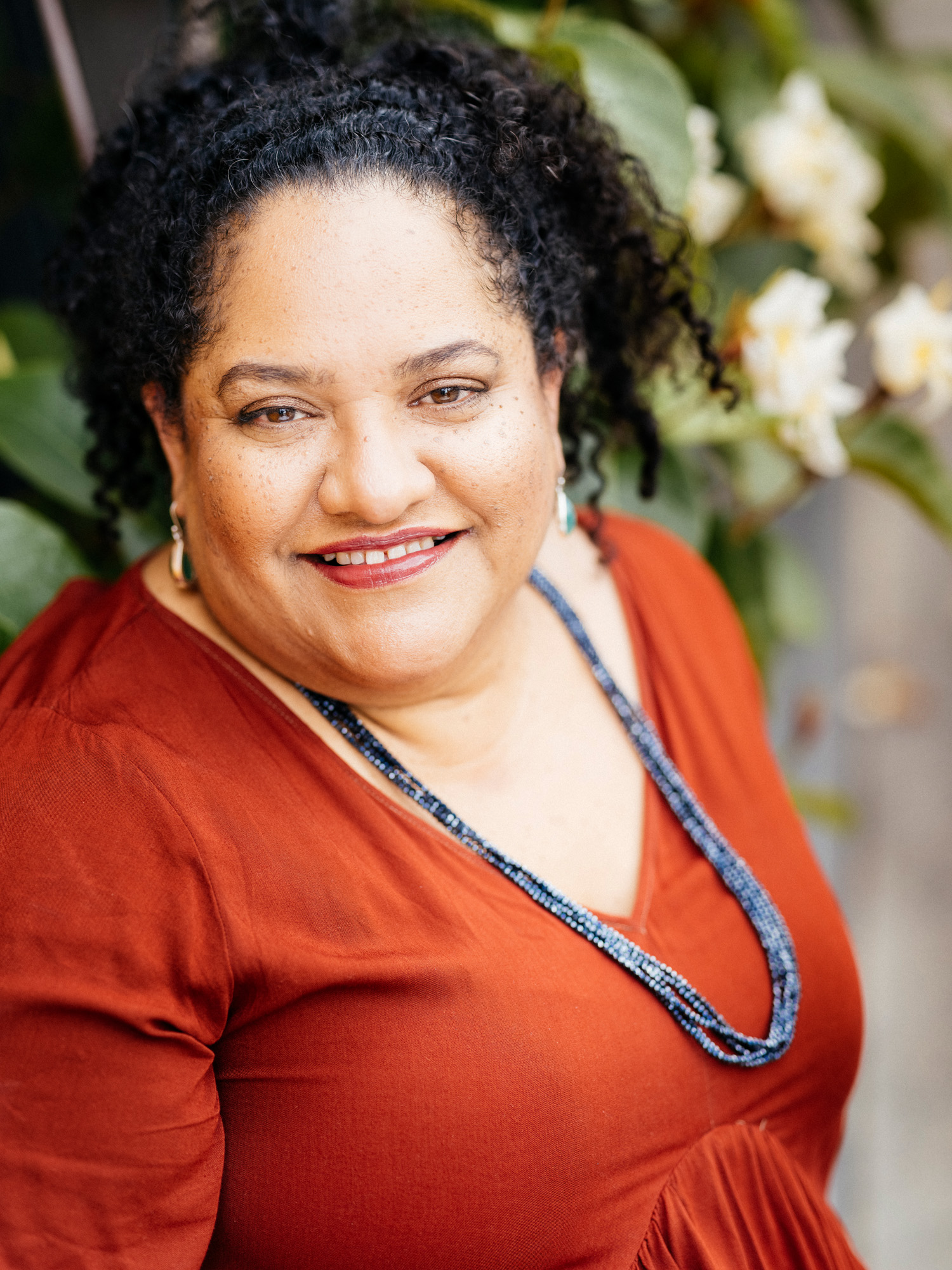
Why singing brings joy: Pacific voices explain the power of music
Music and singing weave through everyday life across the Pacific, shaping our stories, celebrations and connections. For many, it’s more than just an expression; it's a source of joy. But what is it about lifting our voice in song that makes us feel so good? On Sistas Let’s Talk, Natasha Meten sits down with Papua New Guinean-Australian opera singer Heru Pinkasova and choir dir
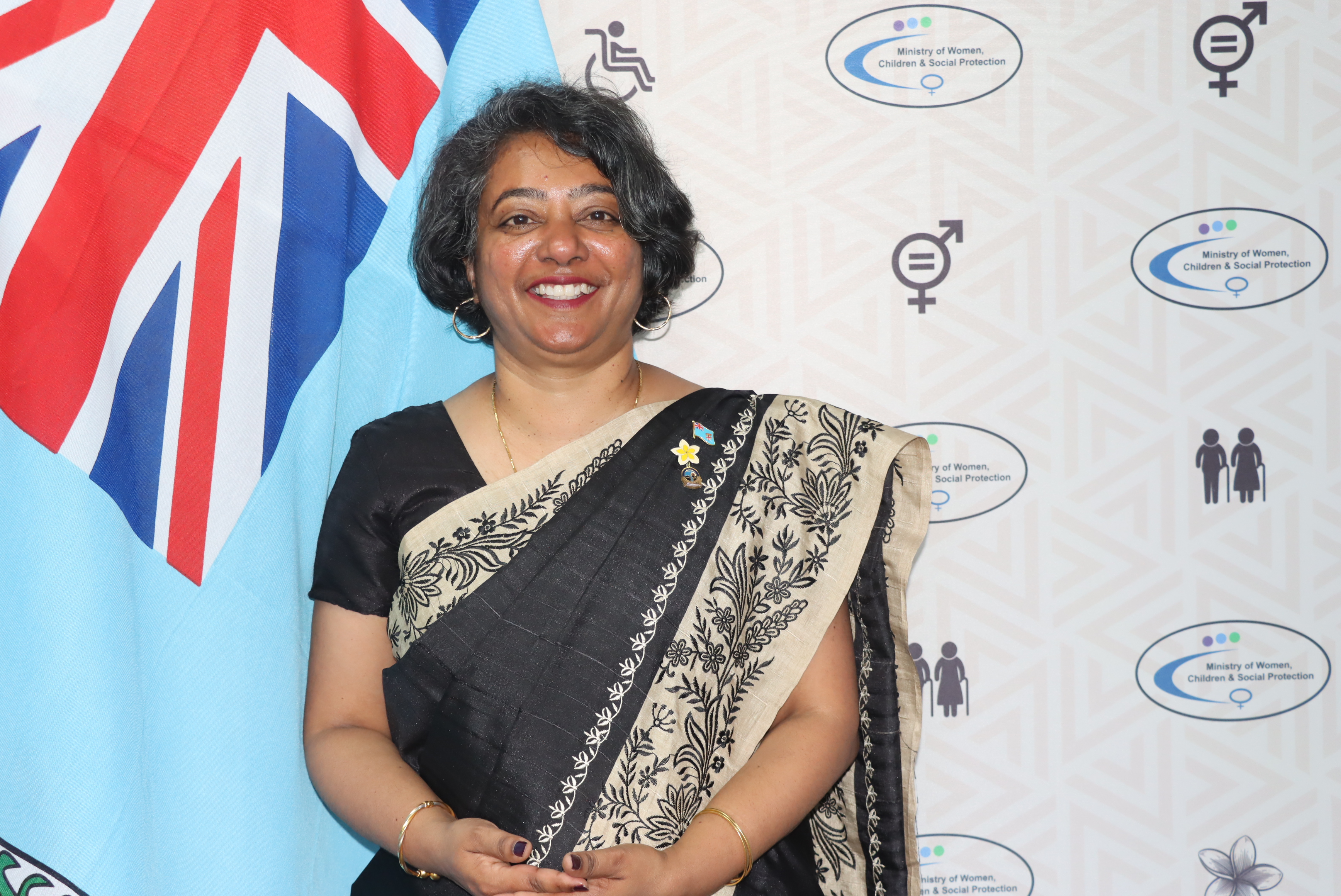
Protecting the bubus: combating elder abuse in the Pacific
People in the Pacific are raising the alarm about elder abuse in the region. Worldwide one in six people over 60 have been abused, according to startling statistics from the World Health organisation. In Fiji last year, around 2000 cases of abuse were reported to the police, including physical, emotional and financial abuse. On Sistas Let’s Talk Natasha Meten spoke to three women
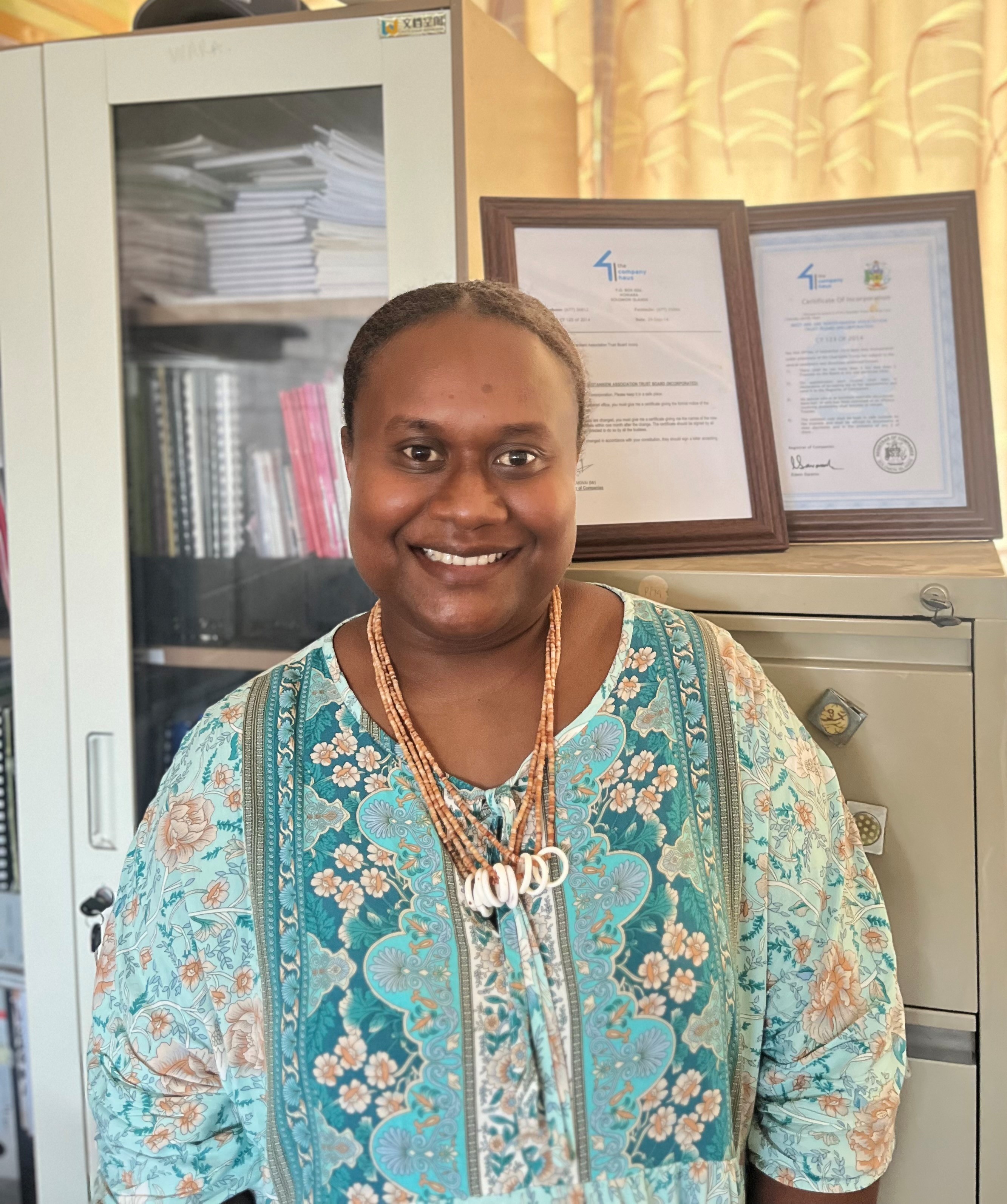
Beyond the bills: The grassroots push helping Pacific women rewrite their financial futures
When the average woman stretches her income across food, bills, and family responsibilities, is there anything left to save for the future? Across the Pacific region, organisations are proving the answer can be “yes”. With the right tools and a little financial literacy, women are learning how to grow their savings, build confidence and take control of their financial independenc
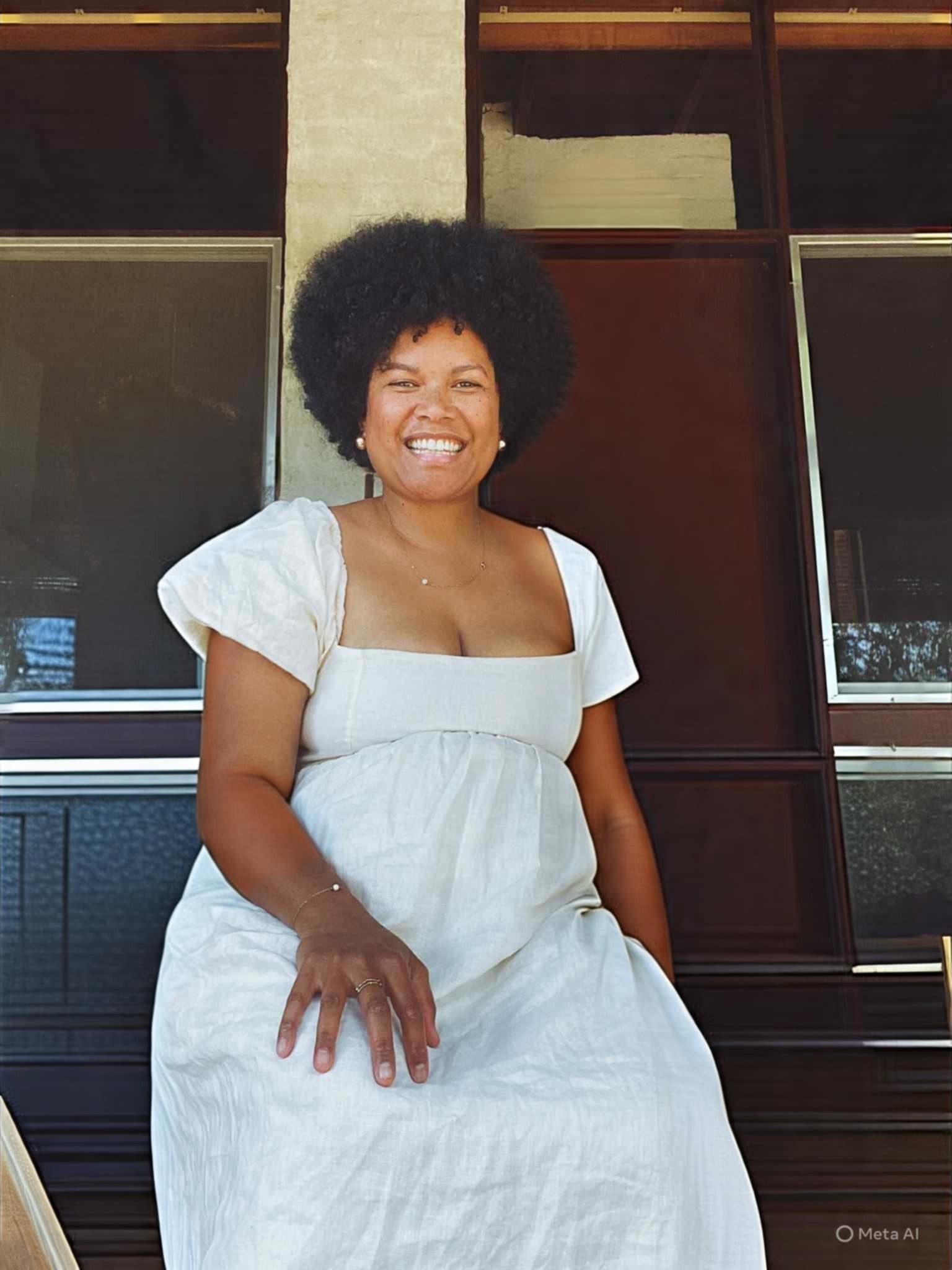
Hidden struggles: Confronting perinatal mental health challenges across the Pacific
You've probably heard of post-natal depression, but it’s just one of several mental illnesses that can affect women during or after pregnancy. Depression, anxiety, obsessive compulsive disorder and even psychosis can affect women at what should be one of the happiest times of their life. And in the Pacific, stigma and a lack of services can stop women from getting the help they n
Why is getting vaccinated a challenge across the Pacific?
Getting vaccinated is a simple step that prevents illnesses like measles, polio-virus and even cervical cancer. But in parts of the Pacific, not everyone is able or willing to access vaccines. Whether it's combating hesitation or limited access, health authorities are working hard to vaccinate as many people in the Pacific for as many preventable diseases as possible. What can wo
Being alone and being lonely aren't the same thing
Community and family are two of the most universal values in the Pacific, so it's almost impossible to imagine that anyone could feel lonely. However, people can be surrounded by family and still feel a sense of loneliness, and with so many people moving overseas or to the city for work, not everyone has family around anymore. So what should you do if you feel lonely, and if it
Who is working to bring an end to child marriage in the Pacific?
Somewhere in the world, a girl is married every three seconds. The rates vary in the Pacific, however in Papua New Guinea 27 per cent of women aged 20 to 24 were married before they turned 18. And in some countries, like Solomon Islands, the legal age of marriage is 15 with parental or judicial consent. The organisation Girls Not Brides works around the world to put an end to ch

Too many Pacific women die in childbirth. How can they be saved?
The rate of women who die during childbirth is alarmingly high in parts of the Pacific. According to World Population Review, the rate of maternal mortality in Papua New Guinea is 192 deaths in every 100,000 live births. That’s compared with a country like Australia, which is just three in every 100,000 births. The reasons for these deaths vary from geographic barriers and lack
The challenges of raising neurodivergent children in the Pacific
Understanding autism, ADHD and other neurodivergent conditions for kids in the Pacific can be a challenge for parents and their wider communities. These conditions are on a spectrum, meaning symptoms vary from mild to severe depending on the individual and the challenges they face. Children who can’t read social cues or become overwhelmed by their surroundings can be mistaken f
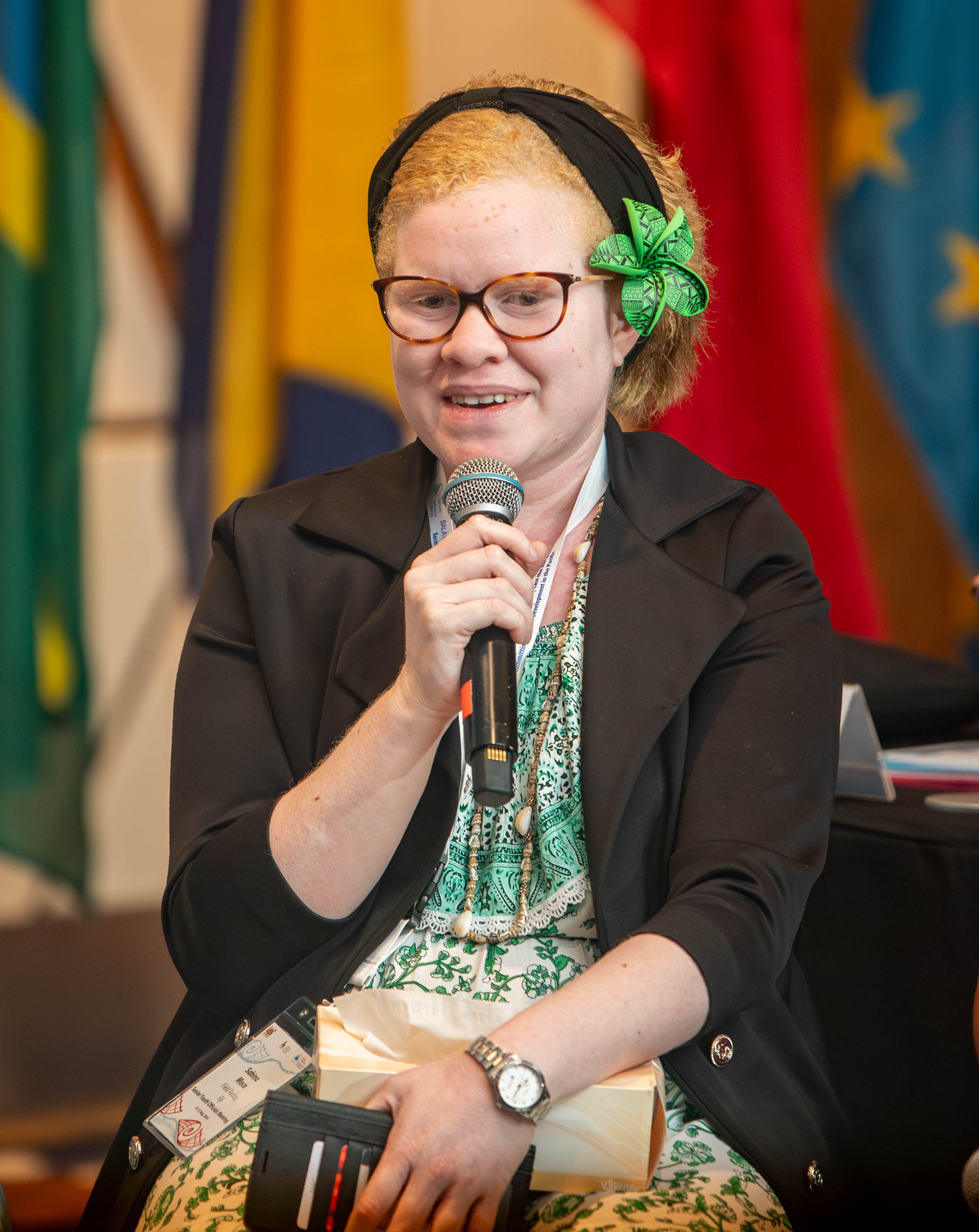
Meet the next generation of Pacific women fighting for change
Sistas, Let’s Talk is Sabina Moce is only 24, but for the past decade the young Fijian woman has been a passionate advocate for people with disability. Sabina was born with albinism and growing up in Fiji with the condition led to bullying and exclusion from her community. This inspired her to speak up for those who aren't always given a voice. ABC Radio Australia’s Sistas Let’s
What does a Vanuatu council’s ban on menstruating women selling food say about kastom, period hygiene and respect for women?
A controversial by-law banning women in a Vanuatu province from handling or selling food during menstruation has led to shock and community outrage. The law, passed by Shefa Provincial Government Council, threatened hefty fines and the loss of food stall permits for women who broke it. However, after Prime Minister Jotham Napat called on the council to revoke the by-law, the coun
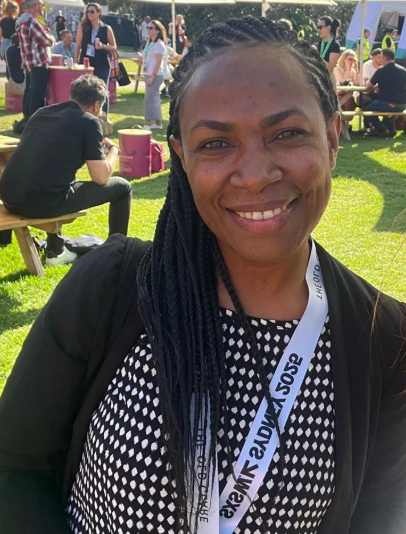
Pacific period health: What happens when you can't access pads or clean water?
Many women and girls in the Pacific don’t have access to pads, clean water or even the knowledge they need to practice proper menstrual hygiene. Poor menstrual hygiene can lead to urinary tract infections and the stigma and shame around periods is stopping girls from attending school. However, there are organisations trying to address the issue and improve women’s health. On AB
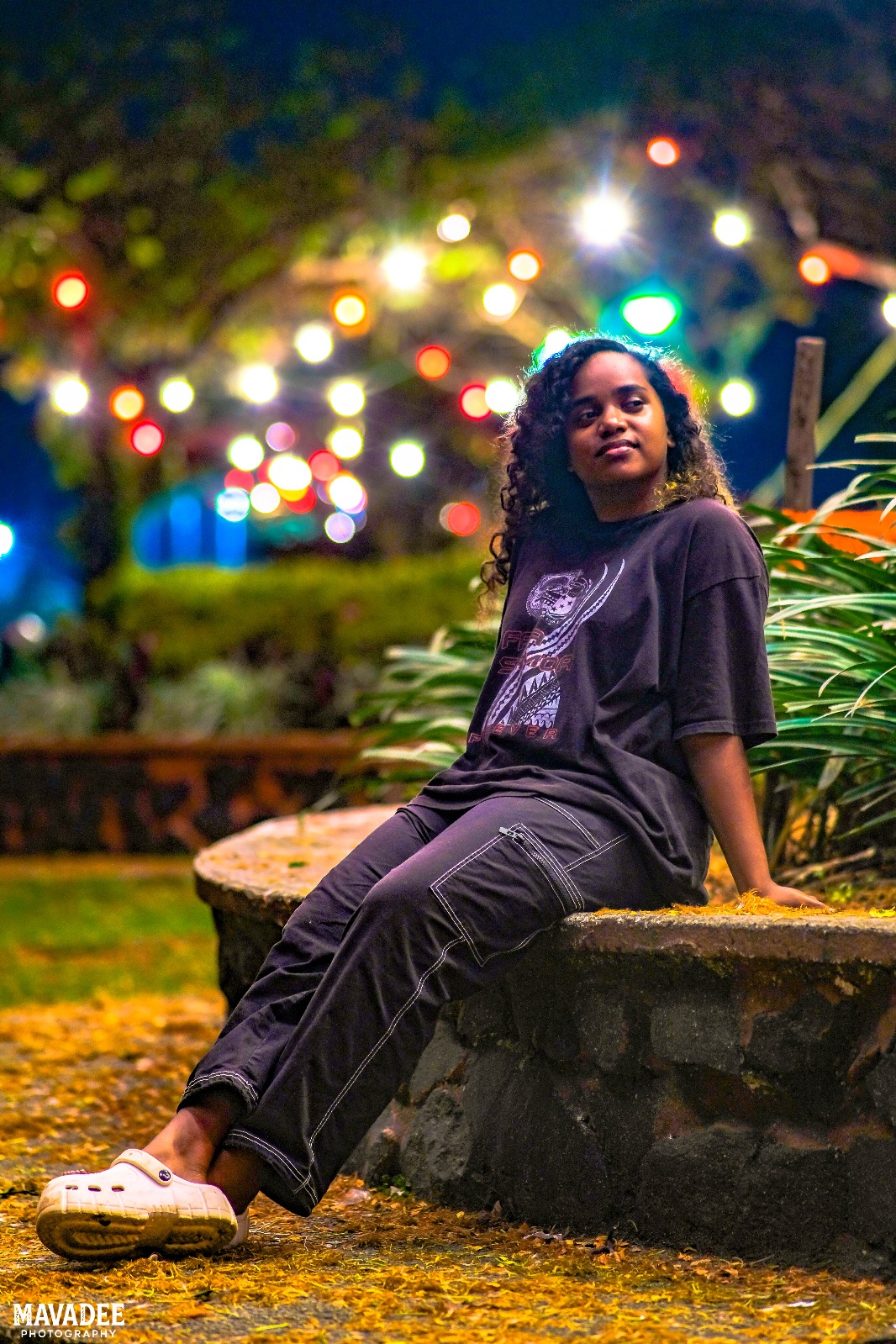
The dark side of connection: How cyber abuse impacts women and children
For musician Rosie Delmah, fame has been a double-edged sword. Rosie has been experiencing cyber bullying and sexual harassment for several years. In 2025, explicit deep fake images of her were created and spread across the internet, causing her to bravely speak out. And Rosie is not alone. Cyber abuse, particularly against women is rife and many countries, including Rosie’s
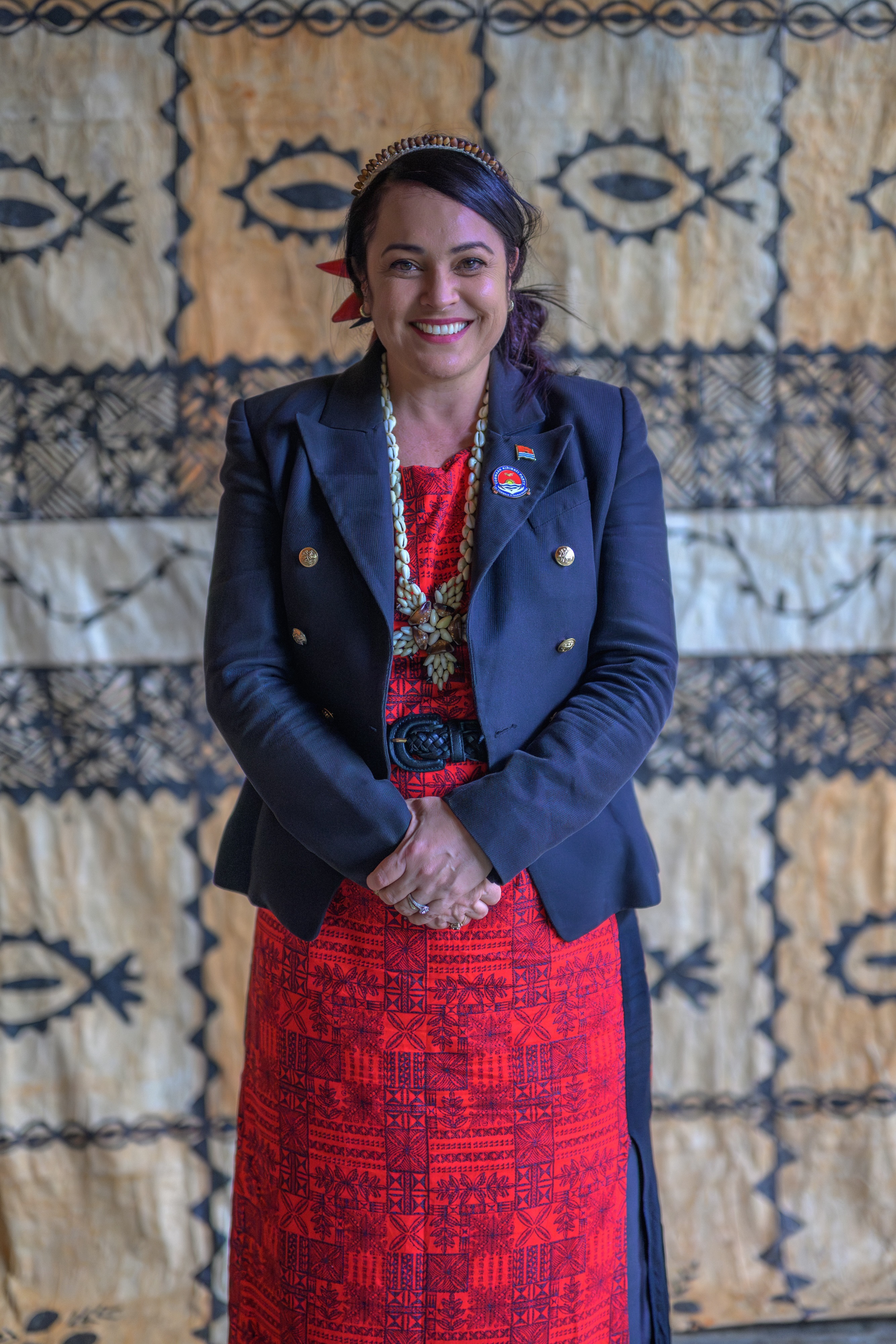
Fewer than 8 per cent of Pacific politicians are women, but more women are now putting their hands up
Like many women, Ruth Cross Kwansing spent a lot of time talking herself out of politics before eventually running in the Kiribati elections. She is now Minister for Women, Youth, Sports and Social Affairs. “It really is a better conversation when we have more balance in the voices available in developing solutions,” Ms Cross Kwansing says. While the number of female politicians
How Pacific men and boys are joining the fight against gender-based violence
How Pacific men and boys are joining the fight against gender-based violence
Ozempic isn’t the cure: Tackling Pacific obesity through education
Weight-loss drugs like Ozempic may be gaining popularity in Western countries, but in the Pacific, they’re not a viable solution, and experts say they’re not the right one either. High costs and limited availability make these medications inaccessible for many Pacific communities. Instead, health leaders are calling for a grassroots approach focused on education and lifestyle cha
What ovarian cancer taught me
When Tongan woman Alisi Jack-Kaufusi was diagnosed with ovarian cancer at just 24-years-old, she was in disbelief. The subsequent surgeries and treatments have taken their toll, but, after seven years living with the disease, Alisi is passionate about sharing her story to help raise awareness of ovarian cancer and ensure it gets more resources into research, treatment and prevent
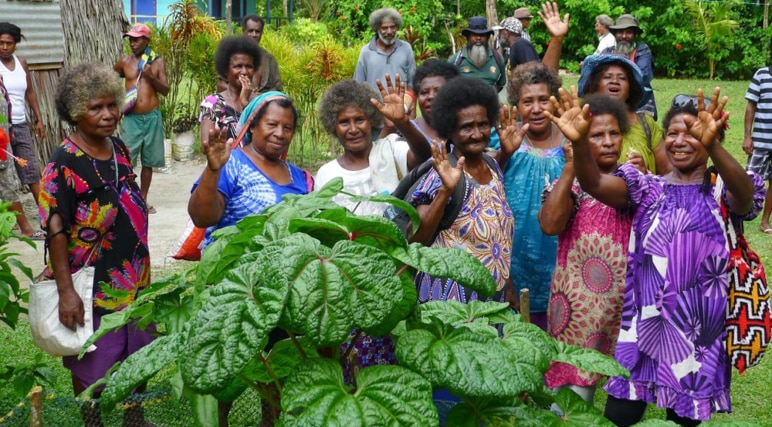
‘Women are the seed keepers’: How empowering women is key to addressing climate change
Women are the backbone of society in Papua New Guinea, but when it comes to who has the power to make big decisions, particularly around resources, it's the men who dominate this space. Women are often excluded, dismissed or told to focus on domestic chores. But more and more organisations are actively working with women to empower them with leadership skills to help address clim
How living in the diaspora led this Elder to an Olympic icon
For arts scholar and curator, Aunty Sana Reana Balai, living as part of the Pacific Island diaspora in Australia offered her new opportunities – and challenges.Carving out a new life abroad where she rarely saw other Pacific Islanders, Aunty shares stories on how she kept herself grounded and connected to culture, whilst removed from her beloved homeland of Buka Island, in Bougai
How education changed Matilda Sweman's life
Matilda Sweman thinks deeply about education. Particularly for girls in Papua New Guinea.That's because she went to school just after her country gained independence, at a time when very few girls were being educated.She went on to become a primary school teacher in the East Sepik region for almost two decades, and now she's an author and a lecturer in teaching at the Papua New G
The crusade against sorcery-related violence in PNG
Women are increasingly becoming targets in sorcery accusation-related violence, and one woman has made it her life's mission to stamp it out. This week's episode of Sistas, Let's Talk is a repeat of the show broadcast on 28th September 2022
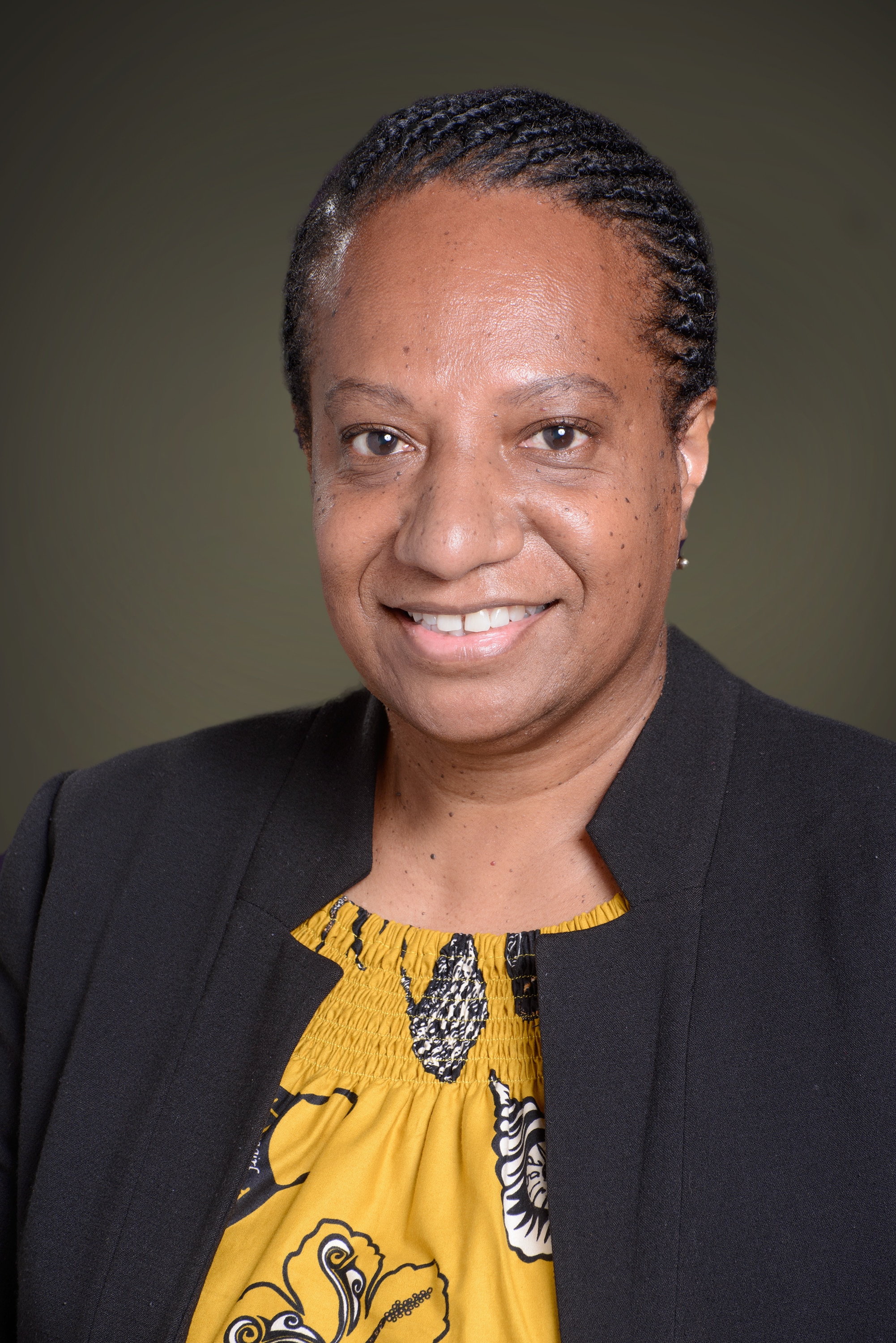
The benefits and challenges of educating girls in The Pacific
When you educate a woman you educate a nation, however, in many parts of the Pacific it's still difficult to access a good education, because of distance, or the cost, or even family obligations.And when parents have to choose whether their sons or daughters will go to school, girls are still missing out.Fortunately, that is changing as more young parents are graduating from high
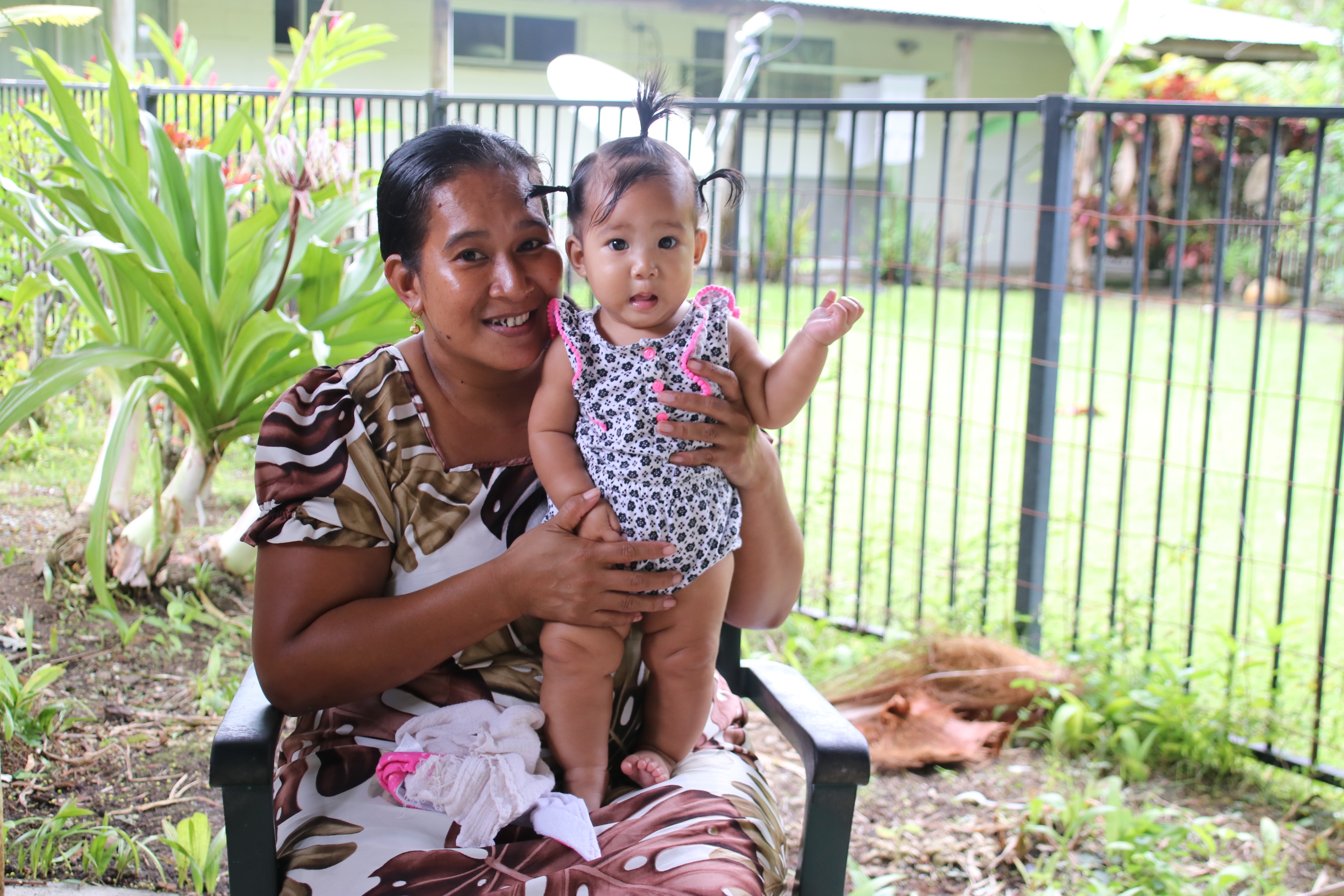
Caregiving is work: Why paid maternity leave is critical for child maternal health in the Pacific
Having time off after giving birth not only gives new mums time to physically recover and bond with their baby, but it has significant health, economic and community impacts.This week's episode of Sistas, Let's Talk is a repeat of the show broadcast on 27th February 2025
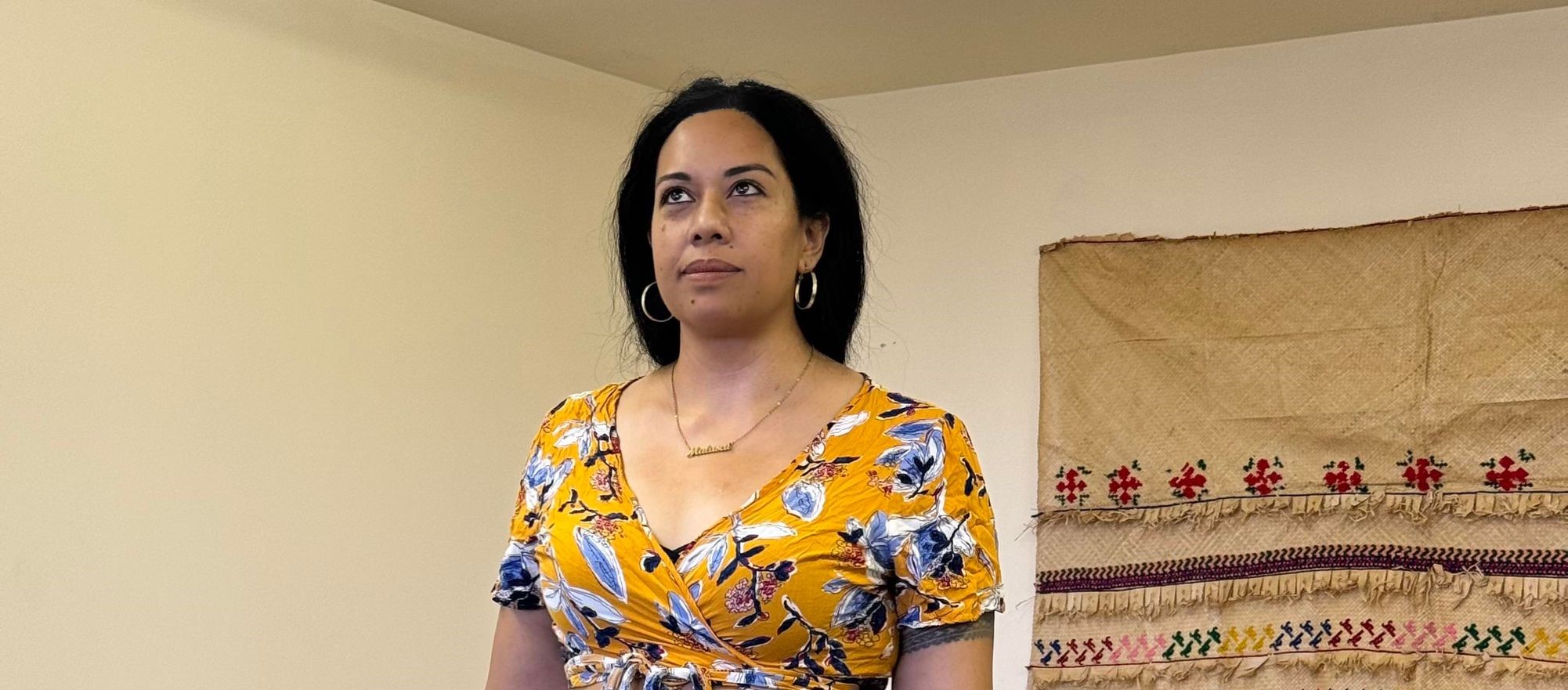
Is customary law appropriate when dealing with sexual and gender-based violence in the Pacific?
Our Pacific cultures are based on the community – and when it comes to meting out justice, customary law is often recognised within the legal system.This is where the whole family or village takes collective responsibility for an offender's actions and seeks to right the wrong directly with the victim and the victim's family.In fact, it's from these traditions that restorative ju
Women in Sport: from grassroots to the world stage
Are more and more Pacific women getting off the sidelines and into the game? What drives them? How is sport an escape from the challenges they face as women? How important is it for girls in the Pacific to get involved in sport? We meet women from a range of countries, clubs and initiatives to learn about the opportunities created by sport, the barriers women and girls face in pa
The meri blouse, urohs and island dress are now part of Pacific women's identity, but challenges loom
The urohs – a skirt with intricate embroidery – has cultural and economic significance to the women of Pohnpei in the Federated States of Micronesia.This passion is shared by many of us women across the Pacific, whether it's a mu'u mu'u, a meri blouse, a puletasi or an island dress.This clothing was introduced by missionaries for so-called modesty, but since then women have embra
Tackling Emotional Abuse
The Pacific region, has some of the highest rates of gender-based abuse in the world.Far too many women suffer physical and sexual violence at the hands of a family member or a former spouse.But domestic abuse is not just physical. It can come in the form of emotional abuse — like controlling behaviour, isolation, and insults intended to damage a woman's state of mind.This week o
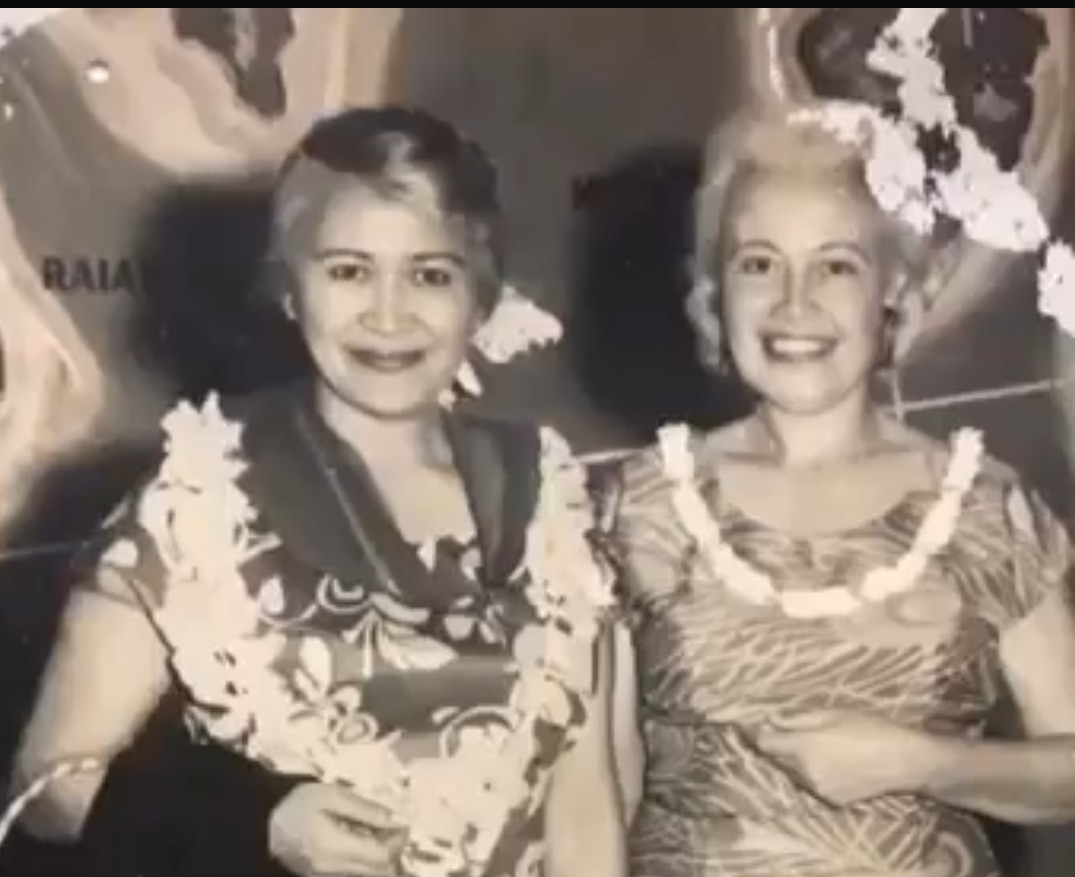
‘They're the custodians of stories and skills’: Why grandmothers are so important in the Pacific
Grandmothers are not only a great source of wisdom and traditional knowledge, they also play a nurturing and vital role in our lives.This week's episode of Sistas, Let's Talk is a repeat of the show broadcast on 6th February 2025
How do women in the Pacific manage financially after the of loss their spouse?
When the only social security available is the extended family, women can be left financially vulnerable with the death or divorce of their husband. This week's episode of Sistas, Let's Talk is a repeat of the show broadcast on 16th November 2022
The Pacific women filmmakers telling stories through their cultural lens
While the film industry is notoriously difficult for women and people of colour to break into, there are female filmmakers from the Pacific using the medium to tell important and beautiful Pacific stories.This week's episode of Sistas, Let's Talk is a repeat of the show broadcast on 16th January 2025
How does period pain hold women back?
Most women suffer from period pain, but the majority simply push through it. How different would women’s lives be if they gave period pain the care and treatment it deserves. This week's episode of Sistas, Let's Talk is a repeat of the show broadcast on 7th September 2023
Why is a first birthday so important in the Marshall Islands?
In the Marshall Islands, a baby turning one is a big celebration. It’s known as the kemem. The occasion is usually marked with a big gathering with lots of food and entertainment, perhaps a live band or a DJ along with traditional singing. There can be themes, rides and t-shirts bearing the baby’s face plus gifts for all the guests. But this tradition comes from an important plac
Accessing birth control in the Pacific
Hilda Wayne explores why fewer Pacific Island women are using birth control today.This week's episode of Sistas, Let's Talk is a repeat of the show broadcast on 6th April 2022
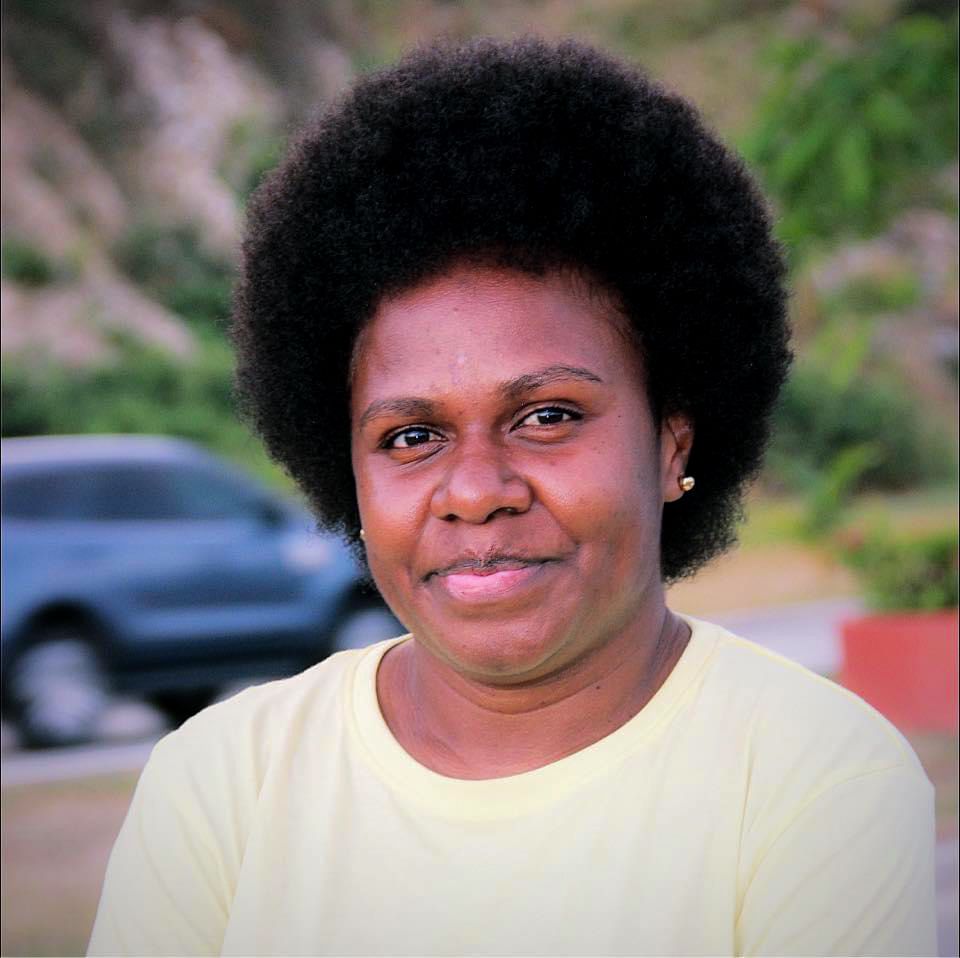
How the Haus Meri in Papua New Guinea is being transformed to give women a political voice
Have you heard of the Haus Man? In Papua New Guinea, it's a ceremonial house for men only where rules are made to keep peace and harmony in the village.But if no women are allowed, how can these decisions be in the best interests of women? And could there be another way?The Haus Meri is an important space for women, and there's a growing movement to see it gain a political voice
What is perimenopause and why should we talk about it?
What do you know about perimenopause? I would guess not very much. And that’s because we never speak about it – and that’s not just in the Pacific. It’s worldwide. But Sistas, Let’s Talk is going to break it down for you and find out everything you need to know about the changes our bodies can go through in the lead up to menopause…. As well as why it’s so important to know about
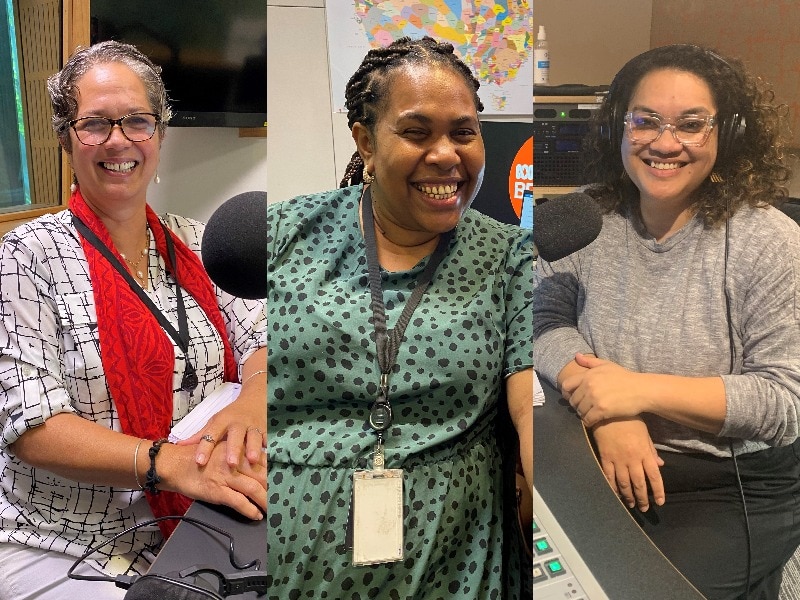
How to be an overbearing Aunty
Growing up in the Pacific Island culture, one of the many commandments we have to live by is to respect our elders. At times this means dealing with certain members of family that we just have to tolerate for the rest of our lives - - our overbearing aunties.But, of course, we do more than just, tolerate them. We adore them, we look up to them, and we love them. And most of all
Having conversations about sex will change your life
For many girls in the Pacific, talking about menstruation, sex and childbirth is so taboo that their mothers are not the ones to explain it to them.But understanding sex is vital for so many reasons.If you don't know about sex, you can't know about sexually transmitted infections and unwanted pregnancies.So how can we encourage people to have more open conversations about sex?Thi
How do we raise boys to become good men?
With gender-based violence an inherent problem within many families and communities across the Pacific, how do we teach men to respect girls and women?This week's episode of Sistas, Let's Talk is a repeat of the show broadcast on 12th April 2023
Being the eldest sister in the Pacific
Hilda Wayne talks to Pacific Island women who are the eldest sister in their family about the challenges and rewards of this unique role.This week's episode of Sistas, Let's Talk is a repeat of the show broadcast on 21st June 2022
Can birthing traditions and modern medicine work together?
Bringing a baby into the world is one of the most important things a woman can do, and for millennia this experience has been shrouded in rituals designed to keep both the mother and baby safe.But in the 21st century, ancient birthing traditions have given way to lifesaving medical support.This week, Sistas Let's Talk examines the contrasting experiences of Pacific women in devel

Exposing the child sexual abuse crisis in the Pacific
Child protection workers in the Pacific are seeing increased reports of child abuse including sexual abuse.According to a recent study by Save the Children, more than, 80% of the child protection workers who were surveyed in Vanuatu, Papua New Guinea, Solomon Islands, Tonga and Fiji said emotional, physical and sexual violence had increased or significantly increased in their cou
How Well Do You Know Your Own Body?
PNG Women's Doctor, Lynda Sirigoi, comes across a common problem – many of her patients simply don't know about their own female anatomy and how it works. In the Pacific, these open discussions can be hampered by taboo or religion. But without them, women and girls can face anything from being unprepared for their first period, to making uninformed decisions when it comes to heal
Why is the Pacific music industry male-dominated?
More than ninety-five per cent of the popular music made in the last decade was produced by men.That's according to a 2022 study from the USC Annenberg Inclusion Initiative in the United States. So where are all of the talented women in the music industry? What does it take to break through and gain recognition, not to mention earn a living as a woman in the music industry? Espec
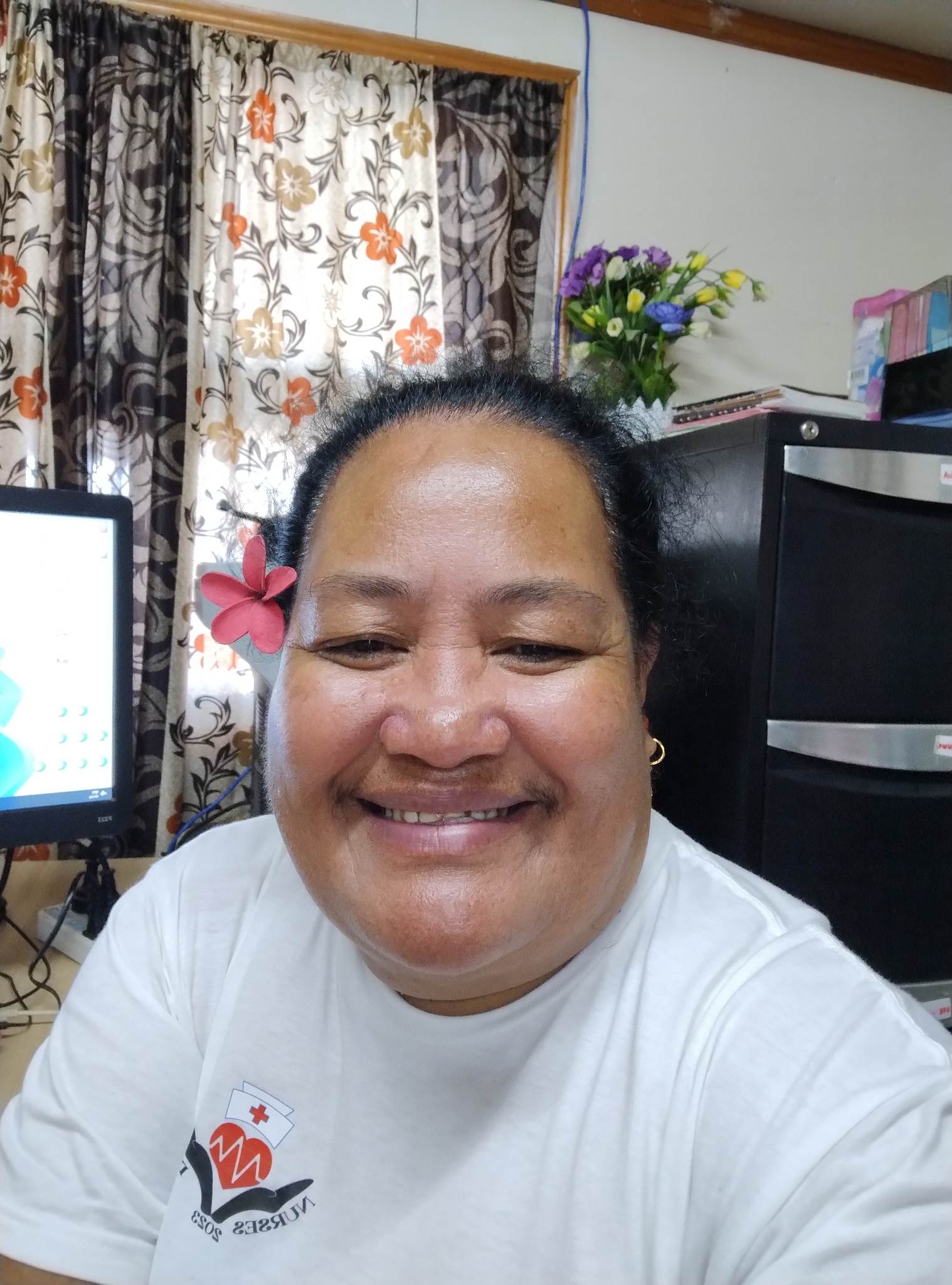
Preventing cervical cancer with a simple swab
It's easier than ever to test for the virus that causes cervical cancer and more screening programs means fewer women will die from this preventable cancer.This week's episode of Sistas, Let's Talk is a repeat of the show broadcast on 8th June 2023

Can Pacific women find love on a dating app?
All over the world, dating apps have changed the way people get together, but is that happening in the Pacific?Or are there just too many logistical and cultural barriers for online dating to take hold in the region?When Natasha Yalo, a woman from Papua New Guinea living in Cairns, went looking for love on a dating app she found it hard to meet men from her culture.So she decided
Breast cancer: Why do so many women wait until it's too late?
The best chance of survival from breast cancer is with early diagnosis, so you can receive life-saving treatment, but this doesn't happen for many Pacific women. This week's episode of Sistas, Let's Talk is a repeat of the show broadcast on 1st March 2023
Rose Pihei never planned to become a politician, but the Bougainville Conflict changed everything.
When the Bougainville conflict erupted in 1988, Rose Pihei was living away from her village on the south of the island.After the conflict – which led to killed 20000 people and saw many more displaced – Rose saw the crucial role women played in rebuilding their communities.Inspired to create lasting change, she co-founded the Bougainville Women's Federation, empowering women and

Meet the women taking tourism into their own hands
Women-led tourism operators in the Pacific show how small-scale community-based tourism is possible, even with the most modest of beginnings.
Caregiving is work: Why paid maternity leave is critical for child maternal health in the Pacific
Having time off after giving birth not only gives new mums time to physically recover and bond with their baby, but it has significant health, economic and community impacts.