Science Friction
Science Friction explores humanity's next giant leap as astronauts return to the Moon for the first time in over 50 years, with daily Artemis II mission updates. The podcast also delves into the Challenger disaster legacy, the evolution of genetic technology since Dolly the Sheep, the effects of chronic screen time on the brain, and other science topics.
Episodes
01 | Outbreaks: The aquarium illness
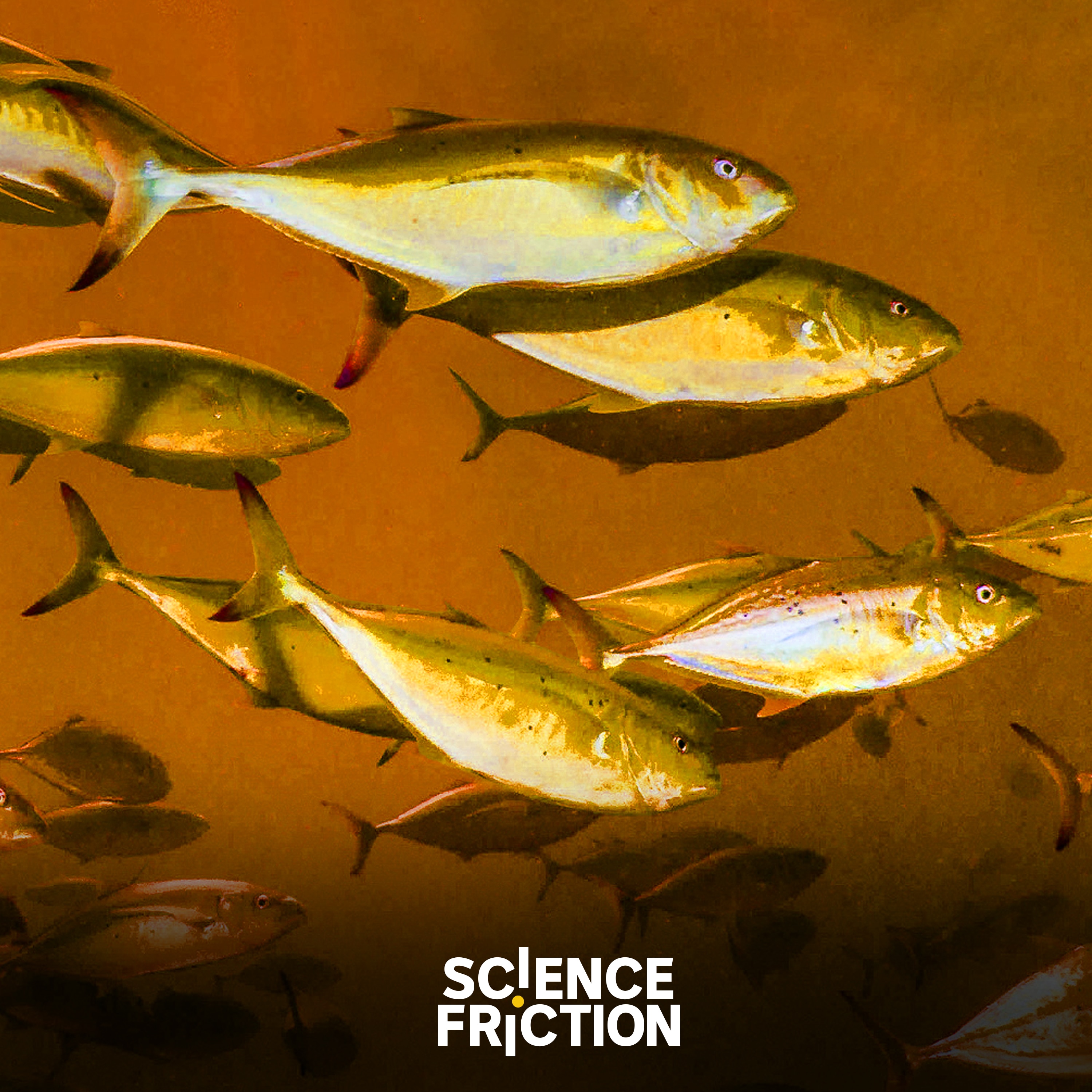
In 2000, people who visited the Melbourne Aquarium started to get sick. Really sick.This outbreak would go on to become the largest of its kind in Australia.This story goes back 50 years to a mystery that stumped scientists in Philadelphia. How did they crack the case, and why are we still struggling to stop this disease?Got feedback? Email us sciencefriction@abc.net.auGuests:Pro
INTRODUCING — Outbreaks
From mystery illnesses to flesh-eating bacteria and the looming threat of bird flu — outbreaks can push scientists, communities and health systems to their limits. For Science Friction on ABC Radio National, Belinda Smith looks back on some of the disease outbreaks that shaped Australia.Hear about the scientists racing to find answers, the unusual diseases they're hunting, and th
04 | Dead and Alive: Hype train
When it comes to the often incomprehensible world of quantum, it can be hard to distinguish hype from reality. We might be on the verge of a breakthrough ... or tech start-ups might be trying to drum up momentum for the benefit of their stakeholders.Hype is important in science, but can it go too far? And has AI knocked the wind out of the sails of quantum computing?Got feedback?
03 | Dead and Alive: Plucky country
You might not know it, but Australia is an unexpected frontrunner in the race to build a quantum computer. Despite our isolation, leading quantum experts have called Australia home for decades, chipping away at this massive challenge. What have we learnt, from our first digital computer CSIRAC, to now? And will it all culminate in the world's first million-qubit computer?Got feed
02 | Dead and Alive: Quantum attack
It's 1994, and a mathematical algorithm puts a spotlight on quantum computing for the first time.Defence departments, spy agencies and cybersecurity experts are on edge over the explosive Shor's algorithm.They spend decades and billions of dollars searching for a solution before something called "Q-day" arrives.Got feedback? Email us sciencefriction@abc.net.auGuests:Dr Henry Ever
01 | Dead and Alive: Battle for quantum supremacy
Google announces it has achieved something game changing — quantum supremacy. But not everybody agrees.The company claims its quantum computer called Sycamore has solved a problem that no classical computer could manage in hundreds of thousands of years. IBM wants this stricken from history.A war of words breaks out as two tech giants race to build a useful quantum computer that
INTRODUCING — Dead and Alive
Quantum computers could be the next giant leap in technology — transforming how we heal people, how we grow food, how we get around our cities.So how close are we to the quantum future we've been promised?For Science Friction on ABC Radio National, Jacinta Bowler unpacks how the weird world of quantum physics could change everything.Hear about the surprising twists, the quantum c
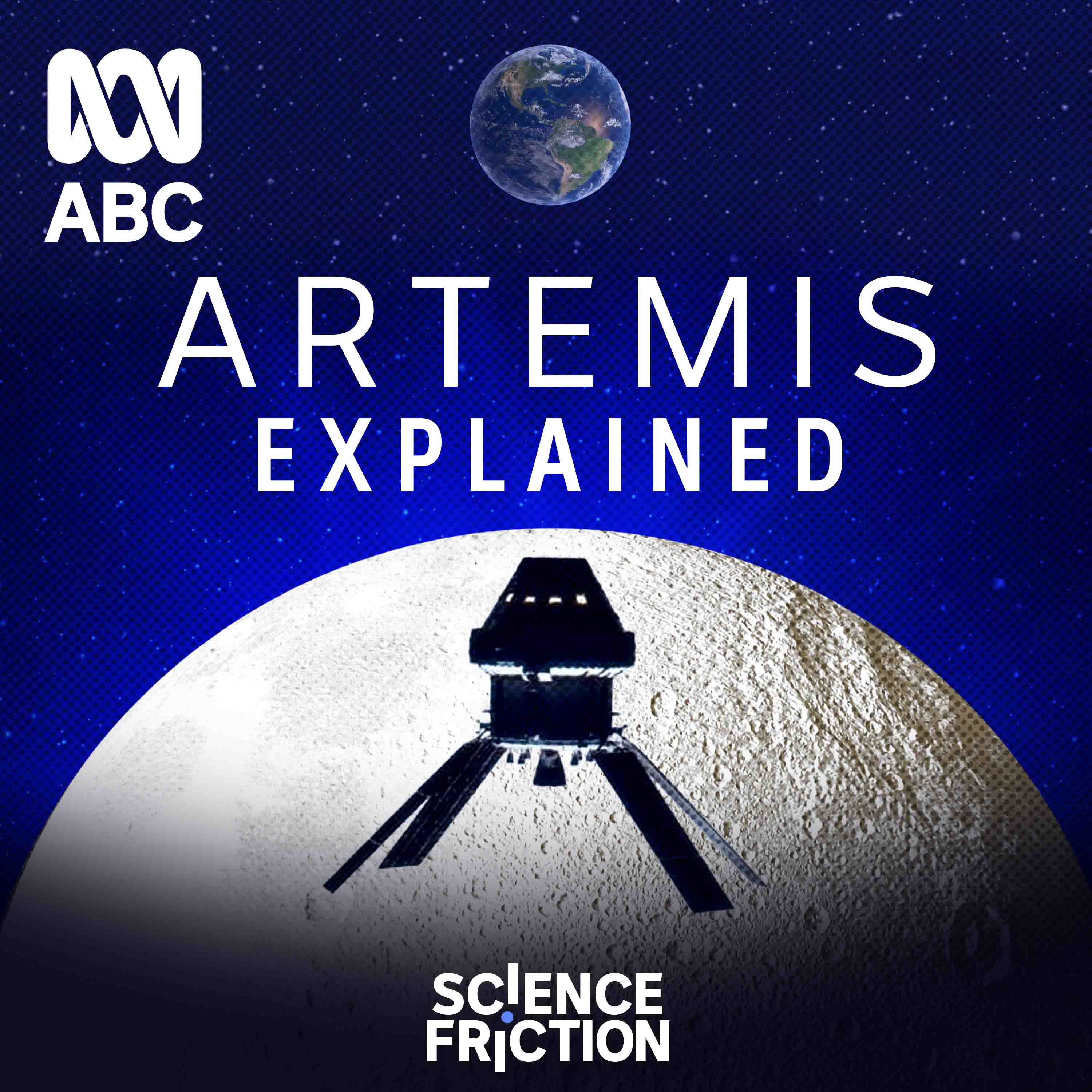
12 | Artemis Explained: What a ride
The Integrity astronauts are back on Earth recovering from their journey, while NASA prepares for Artemis III. Belinda and Jacinta answer some of your questions in the wake of a successful moon orbit mission. To hear more podcast episodes from hosts Belinda Smith and Jacinta Bowler about the Artemis II mission to the moon, search ‘Science Friction: Artemis Explained podcast’ from
11 | Artemis Explained: Mission accomplished
There wasn't a dry eye in mission control as the Artemis II astronauts safely returned in what NASA called a "perfect" splashdown.Belinda and Jacinta relive the historic re-entry, and dig into the wild physics associated with blasting through Earth's atmosphere and plopping into the ocean.To hear more podcast episodes from hosts Belinda Smith and Jacinta Bowler about the Artemis
10 | Artemis Explained: Countdown to splashdown
Nine days down … only one to go.The Artemis II mission is currently hurtling through space back to Earth, and is expected to land in the Pacific Ocean off the Californian coast tomorrow morning, Australia time.Belinda and Jacinta find out what the four astronauts on board have been doing as they make their approach, including being sent on an impromptu scavenger hunt, and what th
09 | Artemis Explained: Next stop, Earth
With under two days to go, the Artemis II astronauts are making the most of their remaining time in space. Belinda and Jacinta take a look at what they've been up to in the lead up to re-entry, and what they can expect to feel as they return to Earth.And if you've ever wondered what urine looks like as it's sprayed into space, well, we have you covered.To hear more podcast episod
08 | Artemis Explained: Homeward bound
After the high of the lunar flyby, the four Artemis II astronauts are now on the return leg of their mission while scientists pore over the thousands of images sent back to Earth so far. Belinda and Jacinta delve into some surprising observations from the flyby, and answer more listener questions about everything from space navigation to the need for belts in weightlessness.To he
07 | Artemis Explained: Moon flyby success
It’s been a big day for the Artemis II astronauts. They broke a 56-year record for the furthest distance humans have travelled from Earth, successfully looped around the Moon, and capped off the flyby with a solar eclipse. Belinda and Jacinta break down what the crew saw as they gazed upon the Moon’s far side and why they lost contact with mission control for 40 minutes. To hear
06 | Artemis Explained: Moon joy
We’re at the pointy end of the Artemis II mission now: It’s the eve of the lunar flyby. With the four astronauts now looped into the Moon’s gravitational clutches, they’ll have an intense few hours observing the lunar surface, taking photos, and breaking Apollo 13’s record for humans furthest from Earth. Artemis Explained is a daily podcast from ABC Radio National. From lift-off
05 | Artemis Explained: Science in space
Alongside taking snaps of Earth, chatting with mission control and fixing the toilet, the Artemis II astronauts are also taking part in all kinds of scientific research. So what experiments are running on the Orion capsule, and what do Australian lasers have to do with anything? Artemis Explained is a daily podcast from ABC Radio National. From lift-off to splashdown, we'll brin
04 | Artemis Explained: Halfway to the Moon
The Artemis II astronauts have passed the halfway point between Earth and the Moon, and still have around another day's travel time before they approach their lunar flyby. So what do they get up to while they’re hurtling through space? And how do astronauts go about their daily routine in a cramped Orion capsule?Artemis Explained is a daily podcast from ABC Radio National. From
03 | Artemis Explained: No turning back
Just over a day after blasting off, four astronauts encased in an Orion capsule have veered away from Earth and are now on course to fly around the Moon.Bel and Jacinta unpack what the "trans-lunar injection" manoeuvre involved, and take a look at some of the highly relatable challenges faced by the astronauts during their first day in space. Because when you're flying towards th
02 | Artemis Explained: Lift off
And we have lift off!Four astronauts successfully blasted off from the Kennedy Space Center and have started their journey to the Moon.But it wouldn't be a Moon launch without a couple of hiccups. We walk through what went down (and up!).Artemis Explained is a daily podcast from ABC Radio National.From lift-off to splashdown, we'll bring you daily Artemis II mission updates and a
01 | Artemis Explained: Before the launch
For the first time in 50 years, humanity is on the cusp of returning to the Moon, with the Artemis II lunar flyby mission set to launch in the coming days.But if we've already been to the Moon, why bother going back now? And who will be on board when the spacecraft blasts off?Welcome to the first episode of Artemis Explained. From lift-off to splashdown, we'll bring you daily Art

BONUS | The Challenger Legacy: Q&A
What's the point of space exploration? Would you fly on a space shuttle? How did they fix the joints after the Challenger disaster? For this special bonus episode of The Challenger Legacy, hosts Dr Karl Kruszelnicki and Fiona Pepper answer your questions.To hear more podcast episodes from hosts Fiona Pepper and Dr Karl Kruszelnicki about the legacy the 1986 Challenger space shutt
05 | The Challenger Legacy: Apollo on Steroids
NASA is gearing up for the Artemis II mission — where it will send astronauts around the moon for the first time in 50 years. While space exploration is never without risk, a retired astronaut is warning that NASA is "playing Russian roulette" with the lives of the crew. So have lessons been learnt from the Challenger and Columbia disasters?To hear more podcast episodes from host
04 | The Challenger Legacy: The Devil You Know
In the wake of twin disasters two decades apart, how do we make sense of why they happened?In episode four, we find out what happened on the very first flight after Columbia — and ask whether NASA changed at all.To hear more podcast episodes from hosts Fiona Pepper and Dr Karl Kruszelnicki about the legacy the 1986 Challenger space shuttle disaster left on culture, space explorat
03 | The Challenger Legacy: Columbia
In 2003, close to two decades after the Challenger disaster, seven astronauts were killed in another space shuttle accident. History has repeated itself and NASA faces another reckoning — the parallels between the two disasters are undeniable. To hear more podcast episodes from hosts Fiona Pepper and Dr Karl Kruszelnicki about the legacy the 1986 Challenger space shuttle disaster
02 | The Challenger Legacy: Five Lepers
In a conference room in Utah, space shuttle Challenger engineers watch in horror as it explodes live on TV.These engineers are more than 3,000 kilometres from the launch site - but they're about to become the centre of this story.Because they had tried to stop the launch from happening in the first place.To hear more podcast episodes from hosts Fiona Pepper and Dr Karl Kruszelnic
01 | The Challenger Legacy: Launch Fever
It's the morning of January 28th, 1986. On board the space shuttle Challenger are seven astronauts, including teacher Christa McAuliffe.She is set to be the first ever teacher in space. But Christa never makes it to orbit.In the wake of an unprecedented disaster, questions start to be asked.Should this mission have been launched in the first place?To hear more podcast episodes fr
INTRODUCING — The Challenger Legacy
Forty years ago this January, the Space Shuttle Challenger disintegrated on its way into orbit. All seven astronauts on board were killed.In the days after the tragedy, the world wanted answers. What really caused the shuttle to explode? And should the launch have been stopped altogether?For season five of Science Friction, Dr Karl Kruszelnicki and Fiona Pepper investigate how th
05 | Artificial Evolution: Gene-Edited Babies
In 2018, a Chinese scientist made an announcement that shocked the world — and landed him years in prison.In a special episode of Artificial Evolution, Health Report reporter Shelby Traynor traces the story of He Jiankui, the researcher who helped to produce genetically edited babies.His actions invited condemnation from scientists worldwide and opened new fronts of scientific an
04 | Artificial Evolution: Pig Parts for People?
Timothy Andrews has lived with a pig kidney in his body for eight months.That makes him a record breaker — living longer with a gene-edited pig kidney than anyone else in the world so far.In the final episode of Artificial Evolution, he tells us about his journey, his hopes for making it a year with the transplant, and the challenges he's faced along the way.With expanded clinica
03 | Artificial Evolution: Yuck or Yum? Gene-Edited Meat
Gene-edited fish are on the market in Japan, and similar foods could soon be on Australian shelves. But will we want to eat them, how affordable will they be, and what do they even taste like?On this episode of Artificial Evolution, Pete looks at the future of gene editing for consumption, what's on the menu, and whether it’s a sustainable way to feed the world.You can hear more
02 | Artificial Evolution: Genetically Modified Marsupials
Earlier this year, a US biotech company claimed it had brought back a long-extinct species - the dire wolf, which roamed ancient America thousands of years ago.And the same editing technology that remade dire wolves could also be used to stop Australian species from going extinct.In episode two of Artificial Evolution, Pete heads to the labs that are safeguarding the genetic mate
01 | Artificial Evolution: Cloning Goes Mainstream
Last year, 81-year-old rancher Arthur 'Jack' Schubarth was sentenced to six months in prison.His crime? An elaborate, multi-country conspiracy to smuggle in the tissue of a rare big horn sheep — clone it — and sell the offspring to hunters.But how did we get to the point where such a scheme could be run out of an elderly rancher's backyard?In episode one of Artificial Evolution,
INTRODUCING — Artificial Evolution
In 1996, Dolly the Sheep became the first ever cloned animal. Nearly 30 years later, genetic technology has reshaped the world around us. What exactly has happened, where are we headed, and are we OK about it?In Artificial Evolution, our latest series of Science Friction, ABC environment reporter Peter de Kruijff follows the story of gene technologies all the way from Dolly right
05 | Brain Rot: Meet the people who ditched their smartphones. Is it worth it?
We’ve all dreamt of lobbing our smartphone into the ocean and going off grid. So what happens when you follow through with it?For our final episode of Brain Rot, we speak to the people who decided they’d had enough. From a French village, to Gen Z ‘luddites’ in New York City and a group of parents in regional Victoria, there are clubs, campaigns and even laws dedicated to a smart
04 | Brain Rot: Is internet addiction real?
Plenty of people will say they are addicted to the internet. But how well-recognised, scientifically, is an addiction ... to your screen?In episode four of Brain Rot, we dig into how behavioural addictions work.And we hear from self-described internet addicts about the treatment programs that help them stay “internet sober”.Brain Rot is a new five part series from the ABC’s Scien
03 | Brain Rot: Is tech making your memory better or worse?
We’re trusting tech with more tasks than ever — including the ones our brains once did.We’re Googling things we used to know, taking screenshots of things we’ll instantly forget, and hoarding all kinds of data we’ll never check again.On this episode of Brain Rot: is tech giving your brain a holiday, or putting it out of a job?You’ll also meet a guy who’s turned the tables, by usi
02 | Brain Rot: Is AI turning us off human relationships?
Whether it’s social media, the omnipresent smartphone or AI companions, in recent decades the way we relate to each other has been completely up-ended. In episode two of Brain Rot, we explore the potential implications that tech poses to human relationships. Worldwide estimates suggest there are around one billion users of AI companion — people using software or applications desi
01 | Brain Rot: Is there any proof your phone is destroying your attention span?
Everyone seems to have a hunch that their phone is destroying their attention span, but is there any science to back it up?In episode one of Brain Rot, we’re doing our best to focus on the topic of attention for a full 25 minutes — and find out what's actually happening in your brain every time your phone buzzes or dings.Is brain rot a real thing? Or just another moral panic?And
INTRODUCING — Brain Rot
For Science Friction, it's Brain Rot — a new series about the science of being chronically online and what it’s doing to our brains.What's really going on with our attention spans? Is data-dumping your entire life into ChatGPT helpful? And what's it like to be in love ... with an AI?National technology reporter Ange Lavoipierre tackles the wildest ways people are using tech and t
06 | Cooked: Vitamin B3 ... and the media
For episode six of Cooked, we turn the lens on … science communication itself.We’re looking at how information travels from a scientific study to the world and what can go wrong along the way.This is the final episode in our Cooked series. We'll be back in May for another series of Science Friction on a different topic — digital devices and how they're driving us to delight ... a
05 | Cooked: Electrolytes — who needs them?
Over the past few years, you might have heard advertisements in your podcast feed or on social media for electrolyte supplements.If you haven’t seen them, they’re basically these little sachets or tubs that get mixed in with water as a drink.News media reports demand for such products is exploding – with the market for electrolyte supplements set to grow to 112 billion dollars by
04 | Cooked: A peculiar potato experiment
Why did a group of anonymous strangers on the internet try to eat almost nothing but potatoes for a month? On Cooked this week, an unusual experiment and the possibilities and perils of a mono-diet.Guests:Andrew TaylorMelbourne, AustraliaSlime Mold Time MoldScientist collectiveDr Jess DanaherAssociate Dean, RMIT University; Nutrition Scientist and DietitianCredits:Reporter: Alist
03 | Cooked: Mystery in the Mediterranean
It was one of the world's biggest nutrition trials. A study of thousands of people which found that following a Mediterranean diet could meaningfully reduce someone's risk of heart disease and stroke.But as data detectives began to comb through the results of the trial, something wasn't quite adding up.On Cooked this week, we're taking a look at what can go wrong when implementin
02 | Cooked: All-meat eaters say they feel great - but why?
Diets like carnivore have been popping up all over the place. People who go carnivore aim to eat nothing but a select few animal products, like meat and eggs.So why are some people turning to an all-meat diet? And why do they say they feel good doing so?On this episode of Cooked, we sift through some of the counterintuitive findings around carnivore — the scientific pitfalls you
01 | Cooked: Could ice cream actually be good for you?
Two decades ago, nutritional epidemiologists made a startling finding – that people eating more ice cream were less likely to develop diabetes.In the years since, various groups have tried to account for this peculiar scientific signal — with limited success.In multiple studies the link between ice cream and a reduced risk of diabetes persists. Yet nutrition experts globally stil
00 | INTRODUCING — Cooked
For Science Friction, a new series — Cooked!On Cooked, we dig into the nuance of nutrition. Why are studies showing that ice cream could be good for you? Do we really need as many electrolytes as the internet says? And why are people feeling good on the carnivore diet?Nutrition and food scientist Dr Emma Beckett helps comb through the evidence on food groups and ingredients like
06 | Is super-intelligent AI around the corner?
Behind the rise of AI there's big questions about where this technology is going.Is it going to be super intelligent — and if that happens — is it going to kill us all?In our final episode, we're diving into the future and unpacking the full spectrum of expert predictions, from the idea that we're on the brink of creating human-level AI, to fears that AI will make humanity extinc
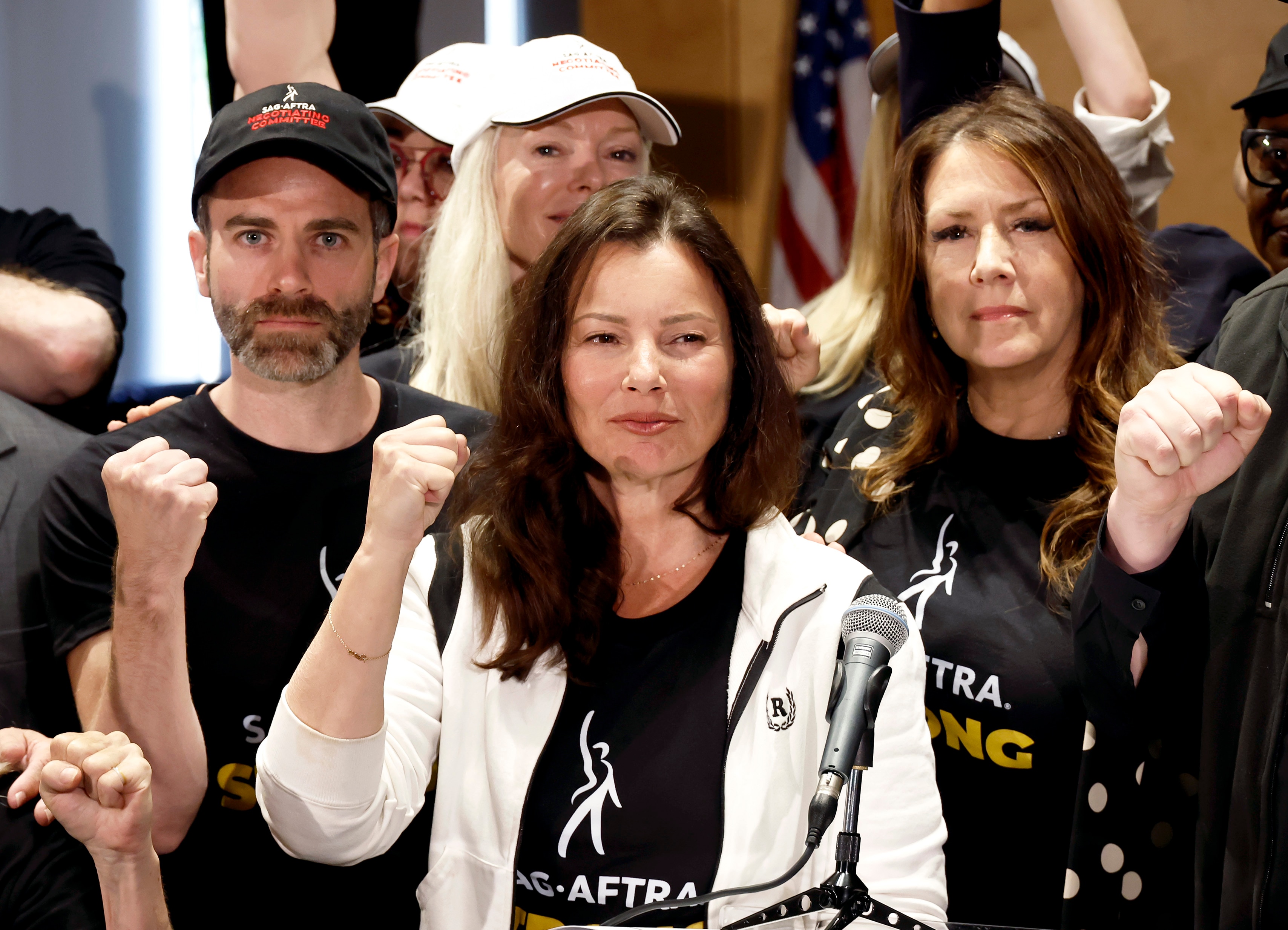
05 | The year the world woke up to AI with a bang
2023 was the year powerful new AI technology went mainstream, with image generators and tools like ChatGPT.And people quickly started wondering where these advances were taking them.This is the story of 2023 in three chapters: the first contact, the backlash that followed, and the new reality.It's the story of actors fighting back against plans to replace them with digital clones
04 | If you control AI, you control the world
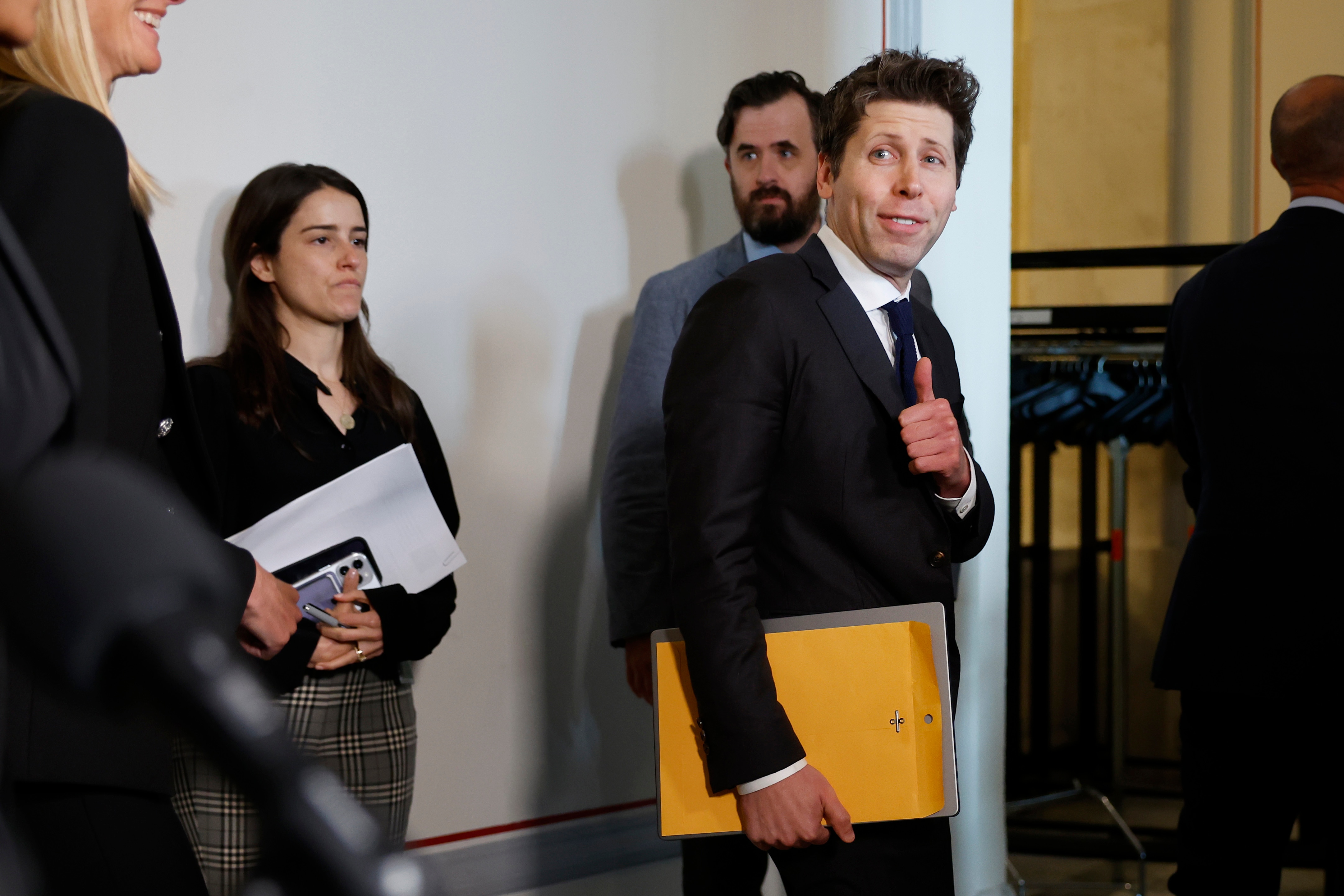
AI is often portrayed as being all about technology. But it is also about money and control. Because those who control AI, may control the world.In the AI world, there are two names that keep coming up: OpenAI, the company behind ChatGPT, and its CEO, Sam Altman.Who is Sam Altman? How did his tiny company leapfrog the tech giants and win the scramble for control of AI? And what a
03 | The bumpy history of driverless cars and their AI brains
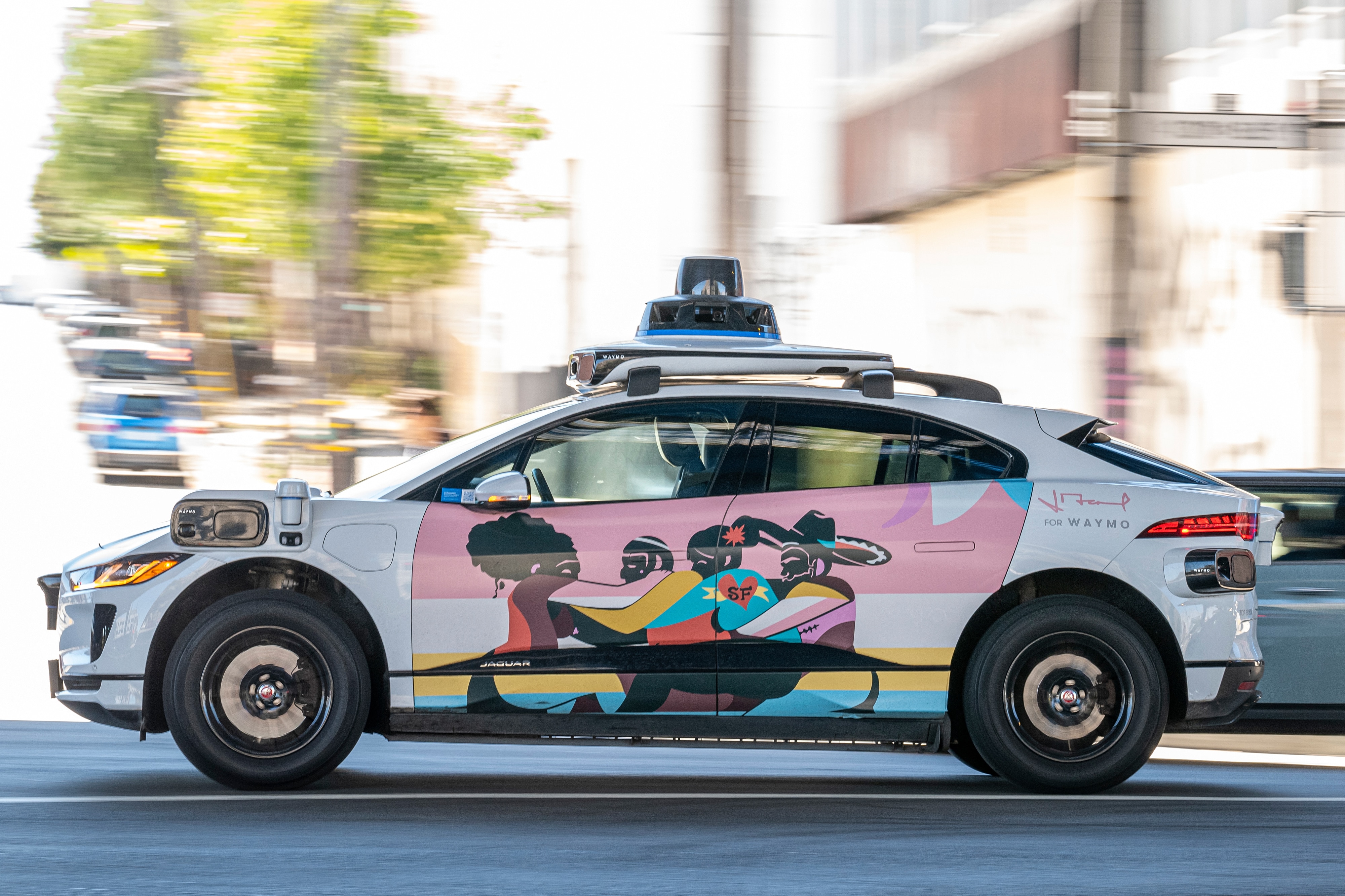
When you think about a driverless car future, perhaps your mind goes to being driven around, watching movies from the backseat and drinking martinis.For over a decade, perfect driverless cars have seemed only a few years away. But in reality, they were nowhere close.Now, driverless cars are finally being rolled out in some cities.But (like humans) they're crashing and causing cha

02 | Locked up by AI for a crime he didn't commit
As ChatGPT shows us, AI can do some amazing stuff. But it does some creepy stuff as well. And it's already been responsible for locking up innocent people.The story of how AI scanned millions of drivers licences and accused Michigan man Robert Wiliams of a crime he didn't commit.When human biases lead to neural networks going rogue.
01 | The day modern AI toppled humanity's champion
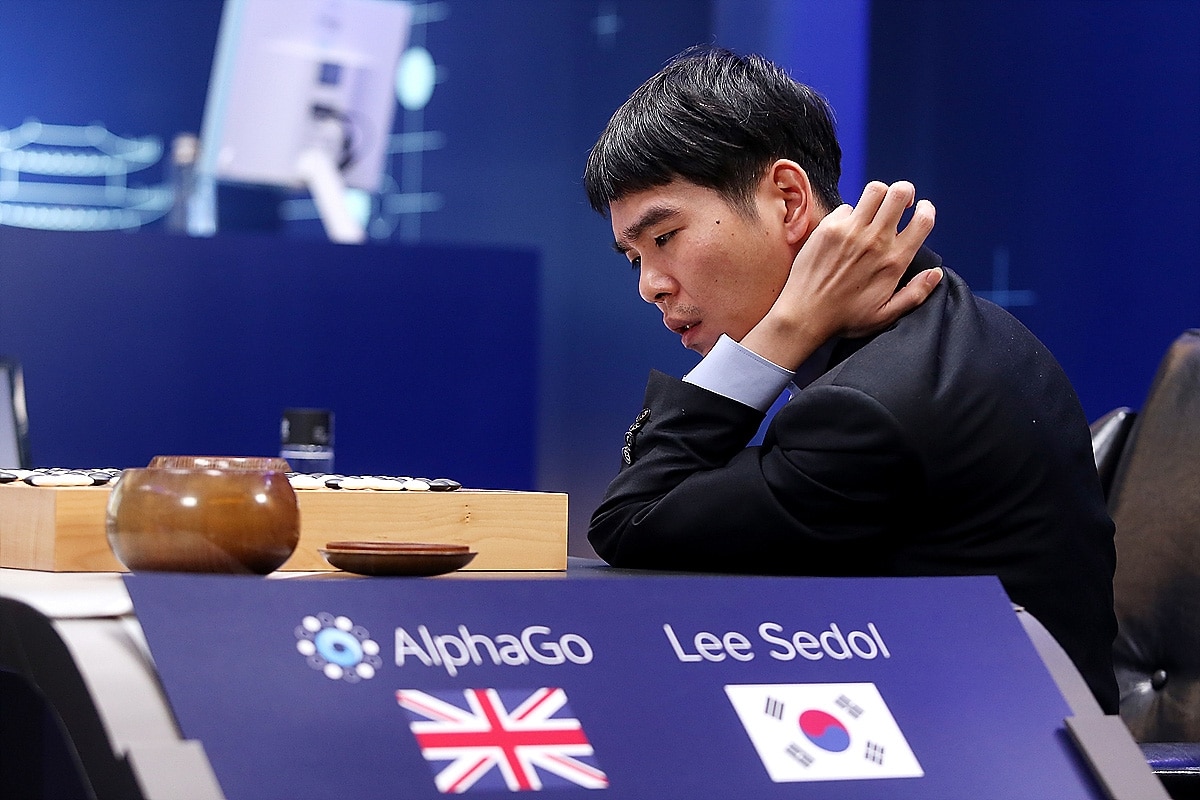
The world is experiencing a boom in artificial intelligence (AI). It's everywhere. In just a few years, computers have learned to paint a picture, write a novel, translate languages and consume the entire internet.But how we got here goes back decades to two men who couldn't agree on the best way to teach a thinking machine.The AI world was divided. Then a new kind of machine bea
I for one welcome... Hello AI Overlords!
2023 has been the breakout year of artificial intelligence. After decades of investment and improvement, the technology suddenly went mainstream. For many, it was as though a miraculous machine was plonked in our midst.But AI didn't come from nowhere. And it hasn't been a smooth and simple process. It's been a story rife with drama, conflict, and disagreement.So where did it com
REAL WILD CHILD (Part 4) — The Lost Boys
Two groups of boys on a camp in the wilds of America are pitted against each other. But the camp leaders have only one thing on their minds. Science. The mind-blowing story of a psychological experiment that crossed a line. Big time.
What family secrets hide inside your cells? Epigenetics, trauma, and ancestry
What family secrets lie deep inside your cells? A story of survival against the odds, hope after the Holocaust, and the eye-opening new science of epigenetics… Can biology help you transcend the traumas of your ancestors, or forever burden you with their legacy?
Robbie and the DNA Detectives
At the heart of this moving and extraordinary medical mystery is Robbie, a man in a genetic lottery. Two rare mutations made his life uniquely interesting. Then came a third, random event...a chance encounter, a global detective quest and science at the cutting edge.
REAL WILD CHILD (Part 3) — The superstar of Tai Asks Why
Tai Poole is a self-described scientist and the teenage star of multi-award-winning podcast Tai Asks Why. Love, climate change, death, dreaming…there is nothing Tai's tenaciously, voraciously hungry mind won't take on. He joins Natasha Mitchell to talk life, the universe, and everything.
REAL WILD CHILD (Part 2) — I grew up in a cult
When pioneering Australian RNA biologist Archa Fox was a child, her parents were drawn into the orbit of the guru Bhagwan Shree Rajneesh. Her family packed up their life to join the Orange People communes in India and Oregon as disciples. Archa shares her candid, confronting story of what happened when this spiritual movement morphed into a cult.
REAL WILD CHILD (Part 1) — The nuclear boy scouts
Nuclear weapons are not toys. But what happens when children get their hands on nuclear know-how? Two explosive stories of two smart kids — both with a radioactive obsession, but with very different outcomes — one celebrated as a child genius and given his own university lab as a teen; the other dead at age 39. Meet Taylor Wilson and David Hahn.
Thanks for the fun! Science Friction's Natasha Mitchell has some news
Natasha Mitchell, presenter and co-producer of Science Friction, has some special news she wants to share with you. Listen in.(Spoiler alert: You can catch her as the new host of the ABC's Big Ideas from April 10 2023. Follow the show on the ABC Listen app or wherever you get your podcasts).
The fantastical world of fusion – The Expanse's Ty Franck and futurist Karl Schroeder (Part 2)
How has fusion inspired the imaginations of science fiction writers? In The Expanse blockbuster book and TV series, fusion energy has changed the course of civilisation in extraordinary ways – for better and worse. Ty Franck, one half of the James S.A Corey writing duo behind The Expanse, and Canadian futurist and science fiction writer Karl Schroeder join Erica Vowles to weigh i
Nuclear disruption — will starry-eyed startups win the nuclear fusion race? (Part 1)
The promise of nuclear fusion is clean, limitless energy for all. But why do start-up entrepreneurs think they can solve a problem that's perplexed scientists and fuelled the imagination of science fiction writers for decades? Are they kidding themselves, or inching closer to a breakthrough? Big name billionaires like Bill Gates and George Soros are now in the fusion game too.
The unexpected lives of Lab Shenanigans and The Scholar Diaries
It started with one post on Instagram. What followed was unimaginable. Scientists turned social media giants Darrion Nguyen (aka Lab Shenanigans) and Dr Cindy Pham (aka The Scholar Diaries) share moving stories of trauma, self-discovery, and growth. Superficial shiny stereotypes of social media celebrity ... they are definitely NOT.
Out of jail, is the CRISPR-baby scandal scientist at it again?
Chinese scientist Dr Jiankui He flouted the law and bioethics basics to create the world's first CRISPR gene edited babies. Now out of jail, he's back on Twitter recruiting patients and raising funds for more trials, this time in adults not embryos. A dangerous distraction or a cautionary lesson for the world's scientists? Dr Joy Zhang has an extraordinary insider view after a r
Science is political — Australia's science minister Ed Husic
Science is political. So let's go straight to the heart of political power in Australia. 10 months into role, the Federal Minister for Industry and Science Ed Husic joins Natasha this week. From the muzzling of scientists to stemming the brain drain, from the corporatisation of CSIRO to connecting science to more people — will the state of play for Australian science change?
Quantum bullsh*t — how (not) to ruin your life with advice from quantum physics
Self-proclaimed TikTok mystics, healers, wellness influencers are increasingly turning to quantum physics to give their claims credibility, with potentially dangerous consequences. How do you disentangle the woo from the wow in quantum physics? And can it be deadly?
We're here, we're queer, and omg science!
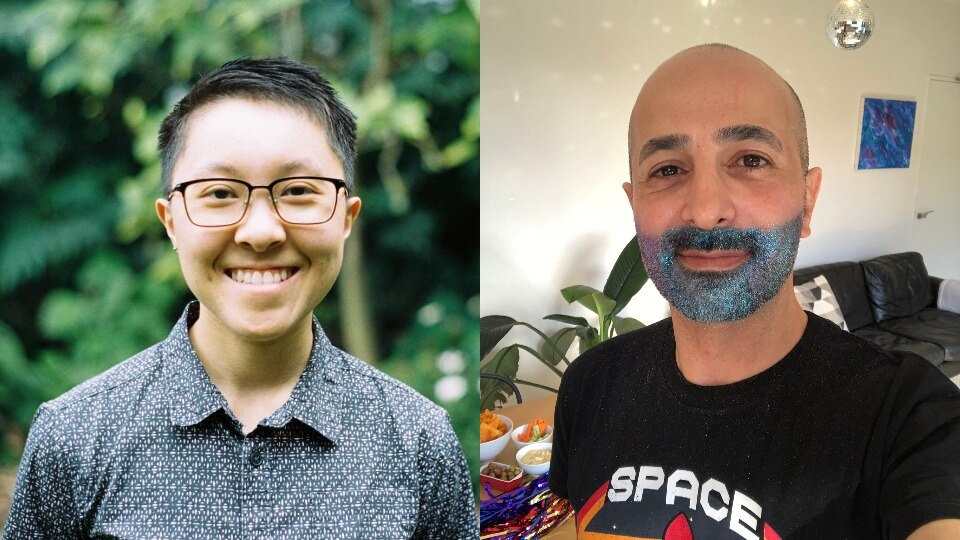
Chemist Kim Kwan didn’t realise how much they needed to find their queer crew in science until they did. Rami Mandow threw in a successful career in finance and business to find true love — astronomy. They share frank, fearless stories about coming out as third culture kids and why bringing their whole selves to science - their queer self and their nerd self - has been transfor
World Pride 2023 - Love Your Nature
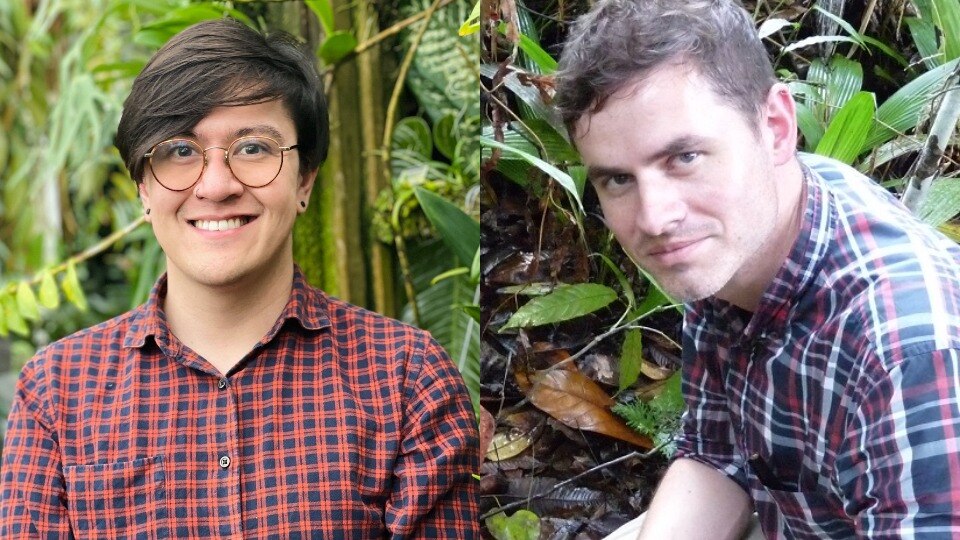
Australia is hosting the 2023 World Pride festival and queer botanists are celebrating by bringing their full selves to their science.Ryan O'Donnell is an accomplished opera singer and musical theatre performer turned botanist studying orchids and fungi.Botanist Hervé Sauquet is piecing together the evolutionary history of flowering plants – most of which are bisexual. They're h
Rock celebrity! The big bucks and wild geopolitics of meteorites - Part 2
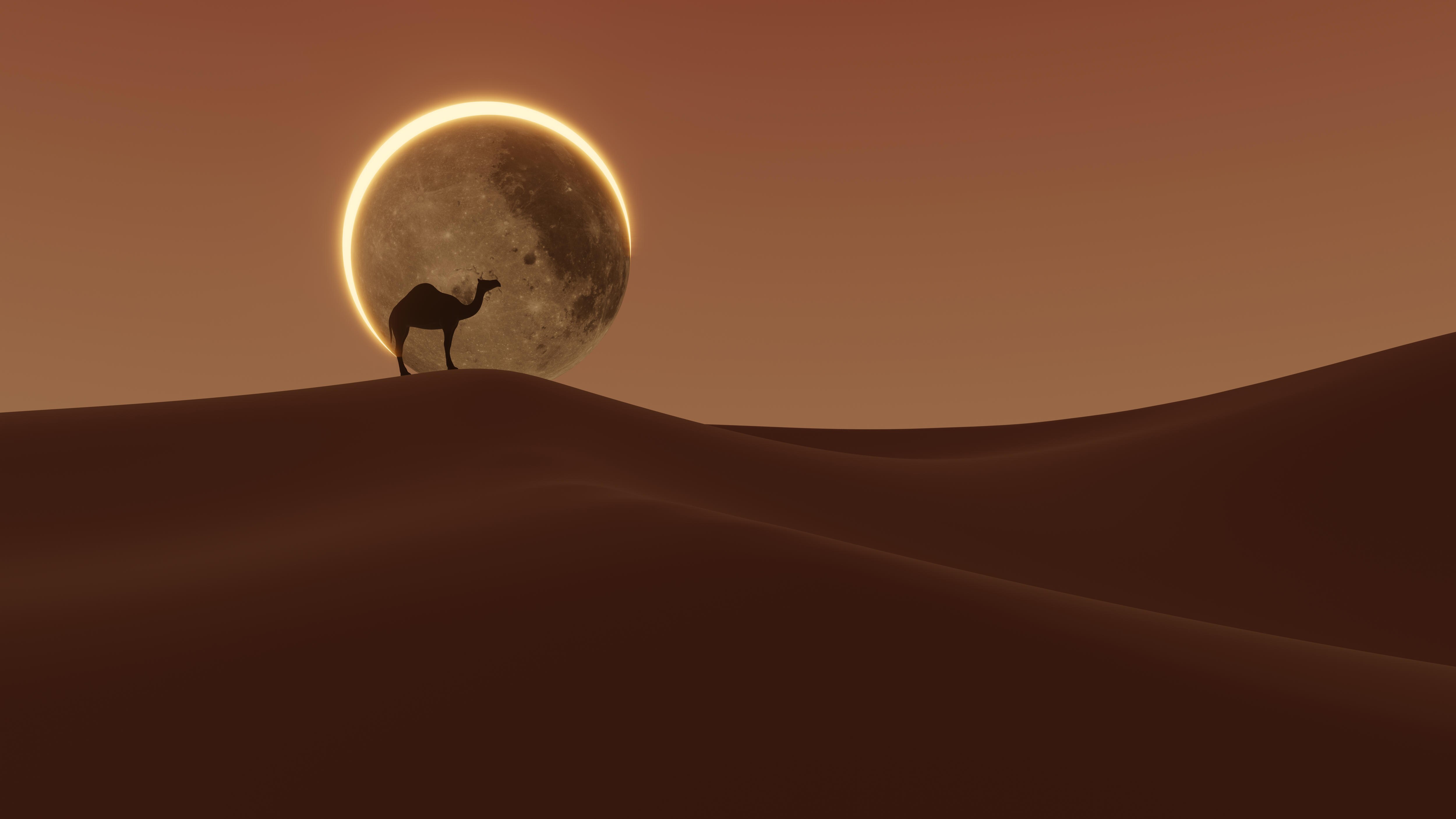
From the nomadic world of the Sahara Desert to a fantasy wonderland inside a Melbourne industrial warehouse ... meteorites are a growing business and a controversial one. Are the secrets inside space rocks at risk of being lost to wealthy collectors in the West? And, the battle of the Arab world’s first — and first female — meteorite scientist to save her geological heritage.
Rock celebrity! The Black Beauty saga - Part 1
A rock celebrity with a wild biography. Saharan nomads, a weight-loss doctor feeding an unusual addiction, scientists seeking the origins of Everything. 'Black Beauty' has it all. The meteorite with a mighty story, with love from Mars.
Gene edited foods back on the menu - what are they and what's changed? (REPEAT)
Scientists Jonathan Napier and Cathie Martin remember when they needed armed guards and high fences to protect their genetic experiments. But the rules around genetically modified crops are rapidly changing. What could this mean for your dinner plate? (REPEAT)
Twinning! (REPEAT)
A pair of twin girls is born in the late 1980s and their mother, Chris, is told a series of ‘facts’ about them.Each born with their own placenta, Chris is told it’s extremely unlikely that her twins are identical, but, if they were, they’d be a perfect DNA match. She’s also told that her daughters have a much higher likelihood as adults of conceiving twins themselves.These were t
Escaping Russia's new Iron Curtain — superstar science podcaster Ilya Kolmanovsky (REPEAT)
Science journalist, biologist, podcaster, teacher and activist Dr Ilya Kolmanovsky is a superstar science communicator.He hosts one of the biggest Russian language podcasts. Bigger than podcasts on sex or politics.But he's no stranger to the brutality of Russia's political leadership.Now, with Putin's violent invasion of Ukraine and as a new Iron Curtain descends, Ilya and thousa
AI ethics leader Timnit Gebru is changing it up after Google fired her (REPEAT)
Leading computer scientist and co-founder of Black in A.I, Dr Timnit Gebru, was hired by Google to co-lead its Ethical AI team with another tech industry trailblazer Dr Margaret Mitchell.The team investigated the ethics of artificial intelligence to understand and prevent its potential harms.Timnit was the first Black woman the company had employed in a research scientist role.Th
Scratch that itch! Meet the Sneaky Artist (REPEAT)
What does it take to reimagine your life?In this occasional Science Friction series, scientists who end-up their lives and strip themselves of their professional identity to become artists.Kolkata-born engineer Nishant Jain flew in the face of expectations, threw in a PhD in biomechanics, and reinvented himself as a cartoonist, writer, and self-taught artist.Now the self-describe
The mighty fly army (REPEAT)
It started with an idea.Then came the university car park full of tonnes of fish heads.Now this extraordinary 20-something couple have deployed a mighty maggot army to turn 50 tonnes of food waste a week into … well, you'll want to listen to find out.A story of science, ingenuity, and revolution.We throw out a third of the food we produce, and the food system is one of the bigges
Brains vs brains, boys vs girls! Science Friction's 2022 quiz show
Two teams. Scientists and science journalists. Brains vs brains. Boys vs Girls. From the small (bed bug sex) to the big (er, the whole cosmos), it's the year in science with a tongue firmly in our cheeks.
Prison for protesting - climate change activists or criminals?
The long prison sentence given to Sydney climate protester Deanna 'Violet' Coco for blocking traffic on the Sydney Harbour bridge has surprised many, including her fellow protester Jay, who spent 42 days under house arrest. Are new laws suppressing fundamental human rights to protest, or a proportionate response to disruptive blockades?Note: Since making the show, Violet Coco, ha
The soul in the machine — anthropologist, technologist, futurist Genevieve Bell
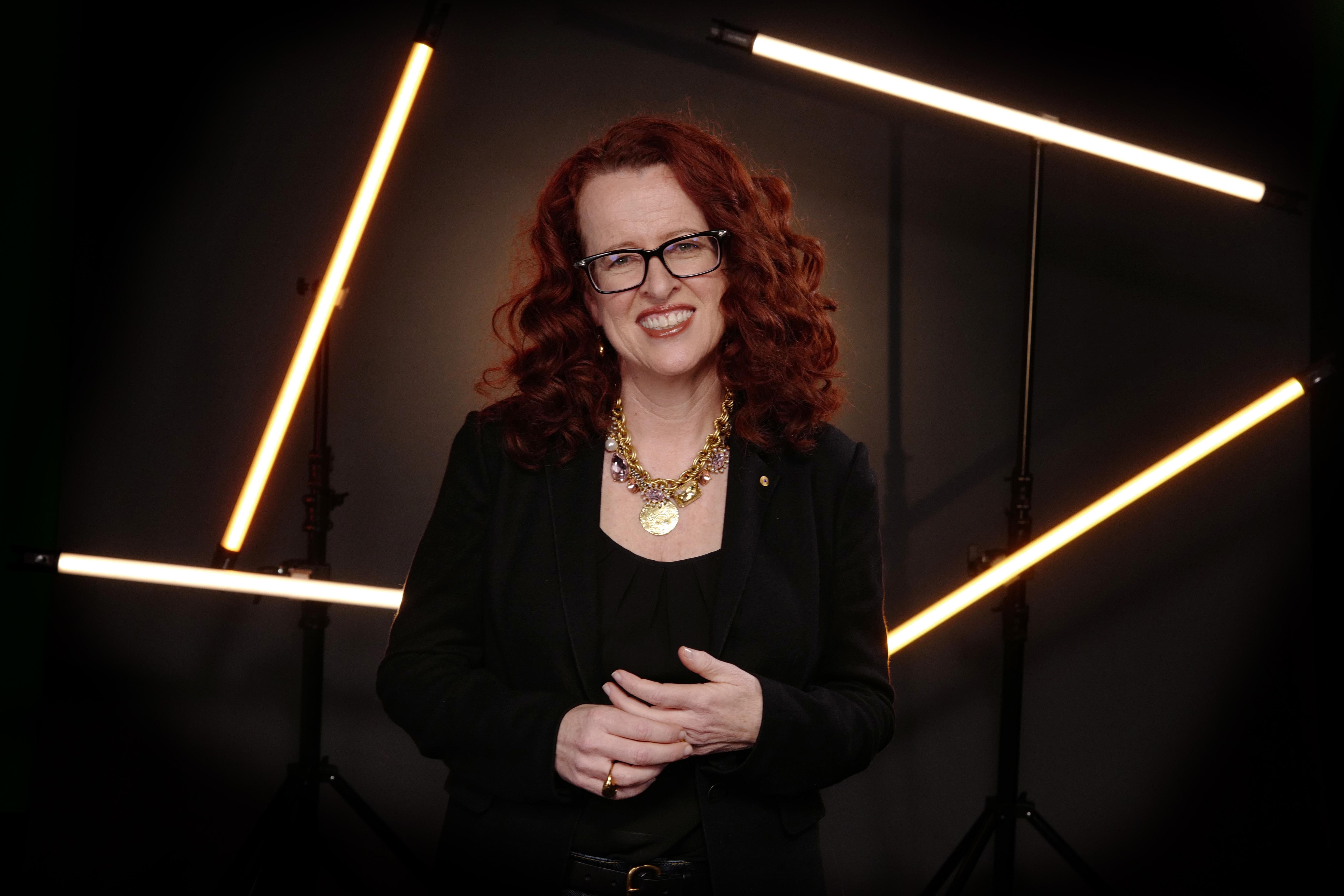
We make machines, but do our machines make us? And who's in control really? Superstar anthropologist, technologist, futurist, cyberneticist, and Silicon Valley insider Genevieve Bell and guests talk machines, minds and messing with the code to make the world so much better.
The End of the Universe with poet Alicia Sometimes (Part 2 of 2)
If the universe began with a big bang, how will it end? This question has suddenly got very personal for acclaimed science poet Alicia Sometimes.Physicists have got some hair-raising ideas, from the Big Crunch to the Big Rip. The personal, the poetic, and the physical of endings this week on Science Friction.Hear Part 1: What Came Before the Big BangGuests:Alicia SometimesPoet, w
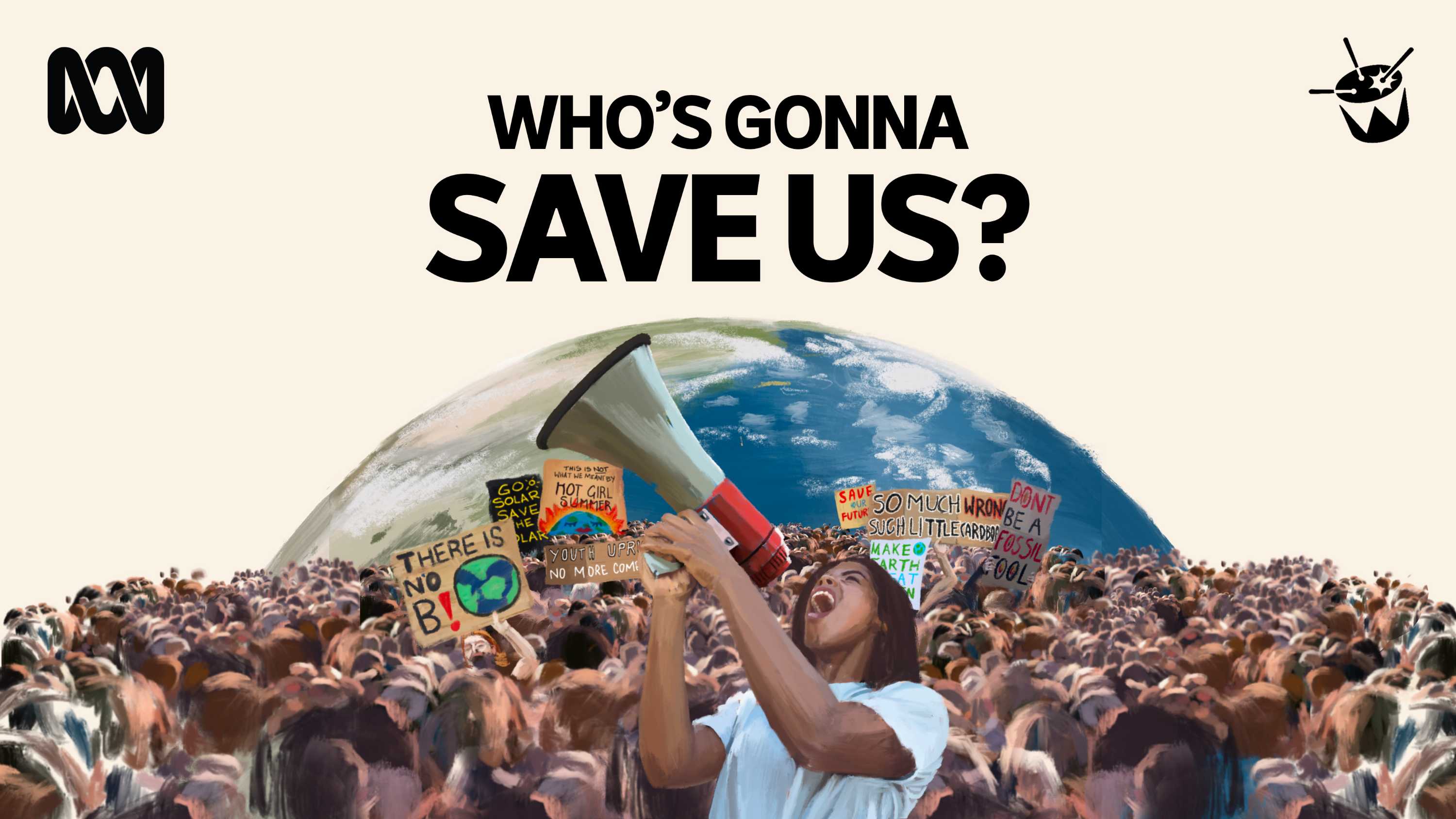
Presents: WHO'S GONNA SAVE US? Citizens Assemble!
Should solving climate change be left to politicians? What if YOU could drive policy without ever running for an election?WHO'S GONNA SAVE US? is an ABC podcast about the people who are trying to map out a better future in the face of the climate crisis.France gave so-called 'deliberative democracy' a crack, where lay citizens are assembled to deliberate and shape vital policies.