This Medical Life
This Medical Life explores the history of medicine through stories of disease, illness, and the people who advanced scientific and medical knowledge. Hosted by Dr. Travis Brown and Steve Davis, it examines triumphs and tragedies from ancient times to modern practice. The show is aimed at general practitioners, medical students, and other health professionals, while welcoming a broader audience. Production is by Steve Davis, and the podcast seeks to educate, inspire, and celebrate those who care for others.
Episodes
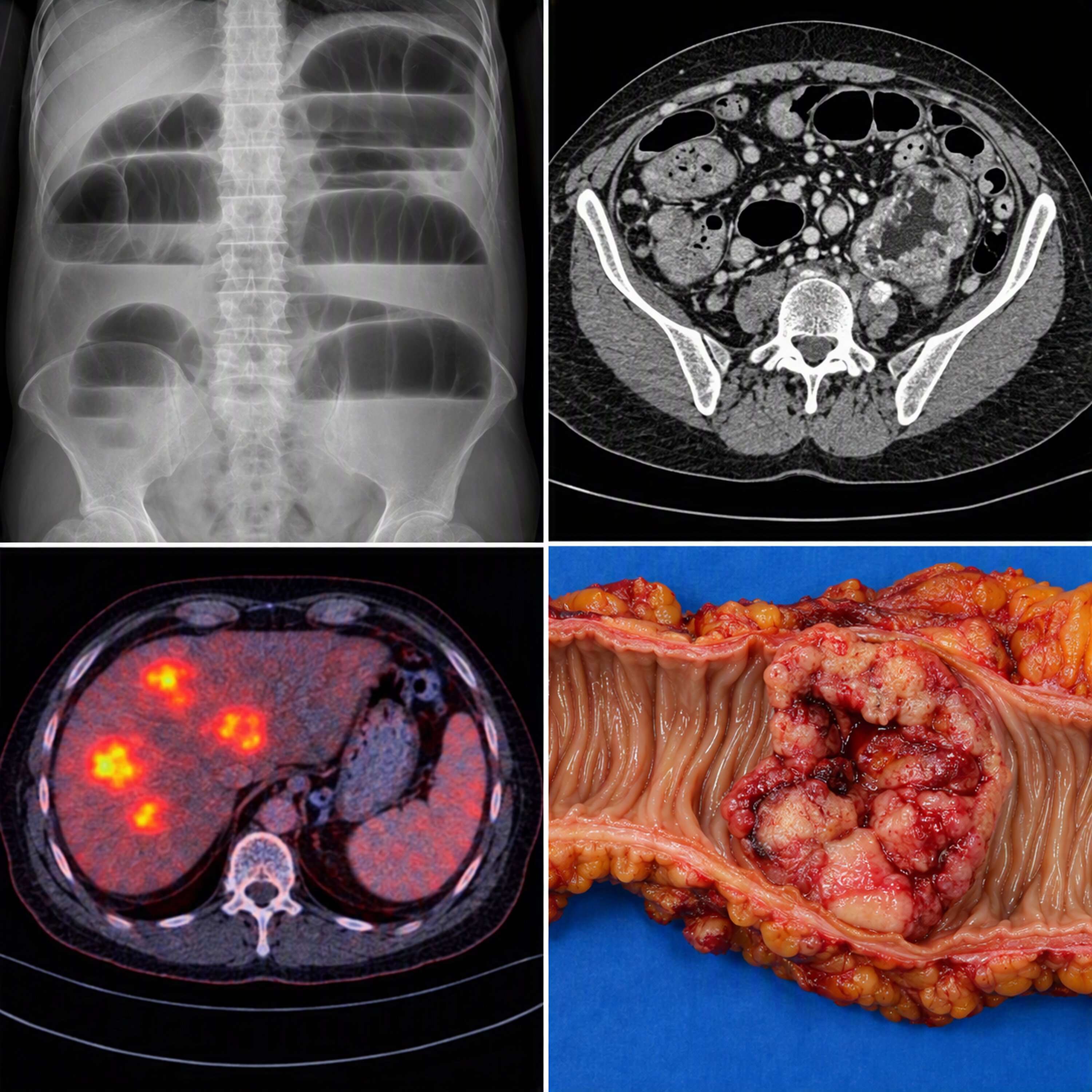
Episode 113: Early Onset Colorectal Cancer (EOCRC)
Early onset colorectal cancer is bowel cancer diagnosed before the age of 50. It makes up about 10 to 15% of colorectal cancers, and incidence is rising by about 2% a year according to colorectal surgeon Dr Scott Mackenzie. In Episode 113, a patient, a colorectal surgeon and a GI pathologist look at what the condition means for clinicians. Age is no guide. Many of these patients have few symptoms
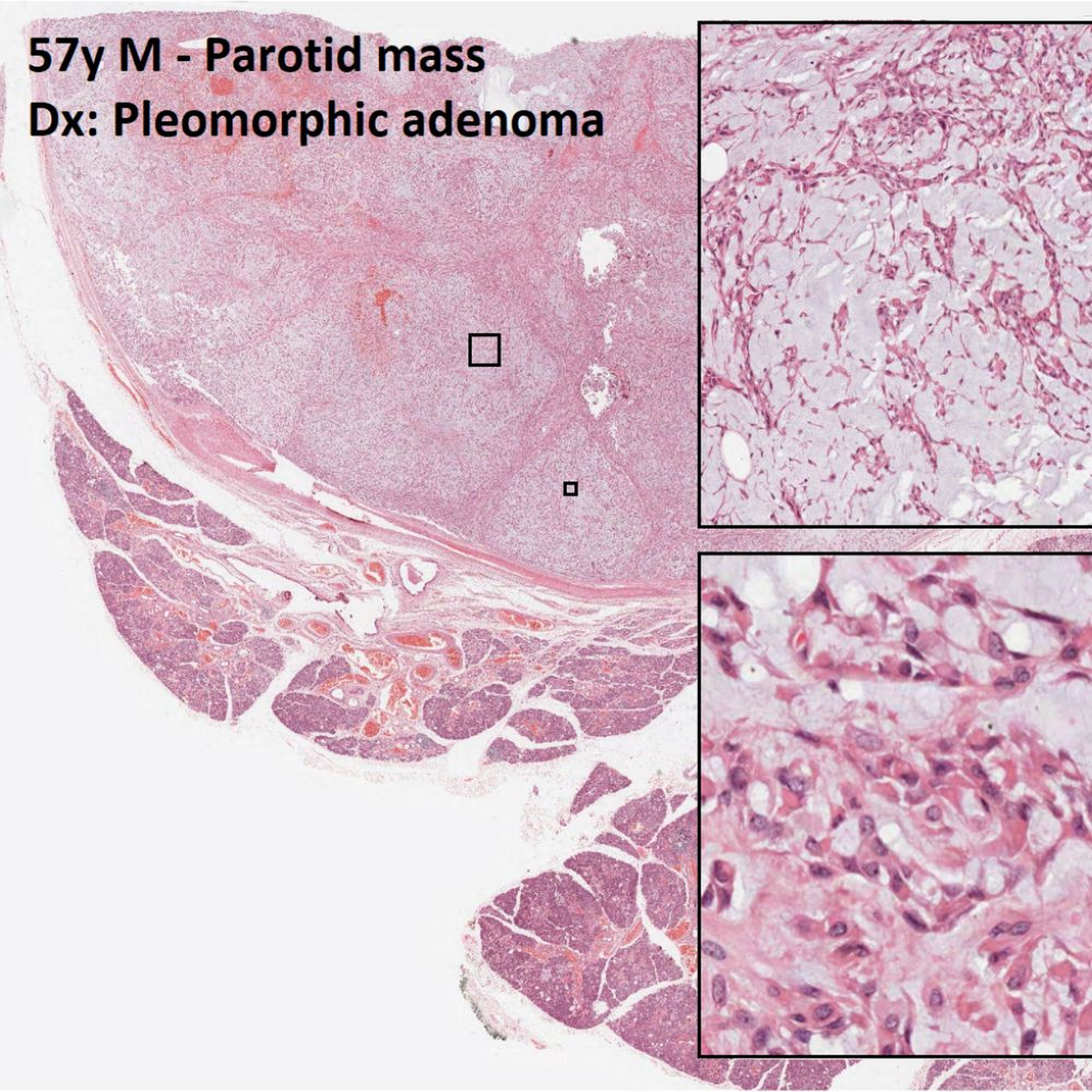
Episode 112: Pleomorphic Adenoma | Mixed Tumours
Pleomorphic adenoma is the most common parotid gland tumour. It is benign, usually presents as a painless, slow-growing lump near the jaw, and was first described by surgeon Theodor Billroth in 1859. In Episode 112, ENT surgeon Dr Rowan Valentine explains how it is assessed and managed. Meet the mixed tumour. In 1859, German-born Austrian surgeon Theodor Billroth gave the first medical description
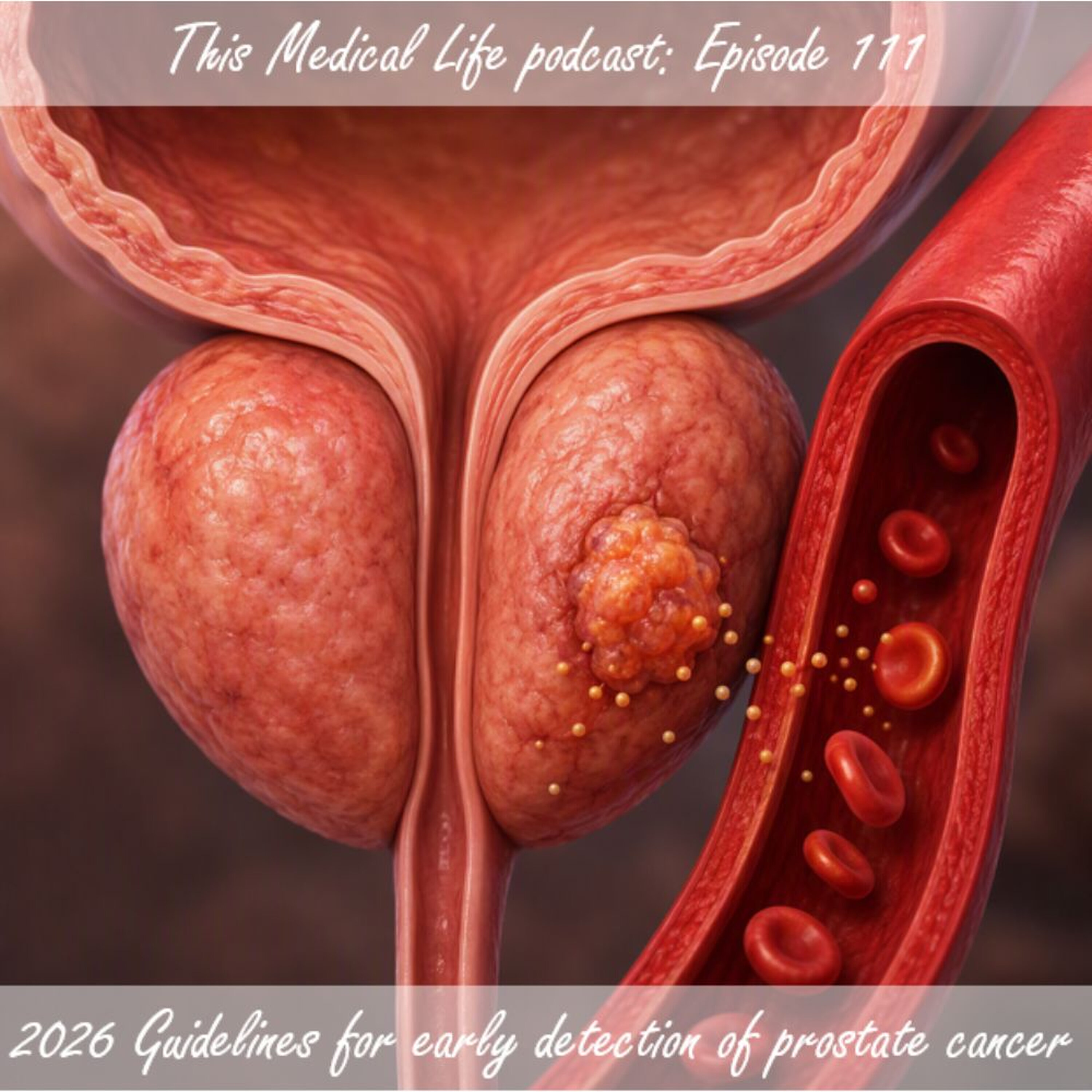
Episode 111: 2026 Early Prostate Cancer Detection | PSA And mpMRI
New guidelines are here. The Prostate Cancer Foundation of Australia and the Australian Government Department of Health, Disability and Ageing have released the 2026 Guidelines for the Early Detection of Prostate Cancer. One in seven Australian men will be diagnosed with prostate cancer. The aim is to find early prostate cancer in the men most at risk, while sparing low-risk men tests they do not
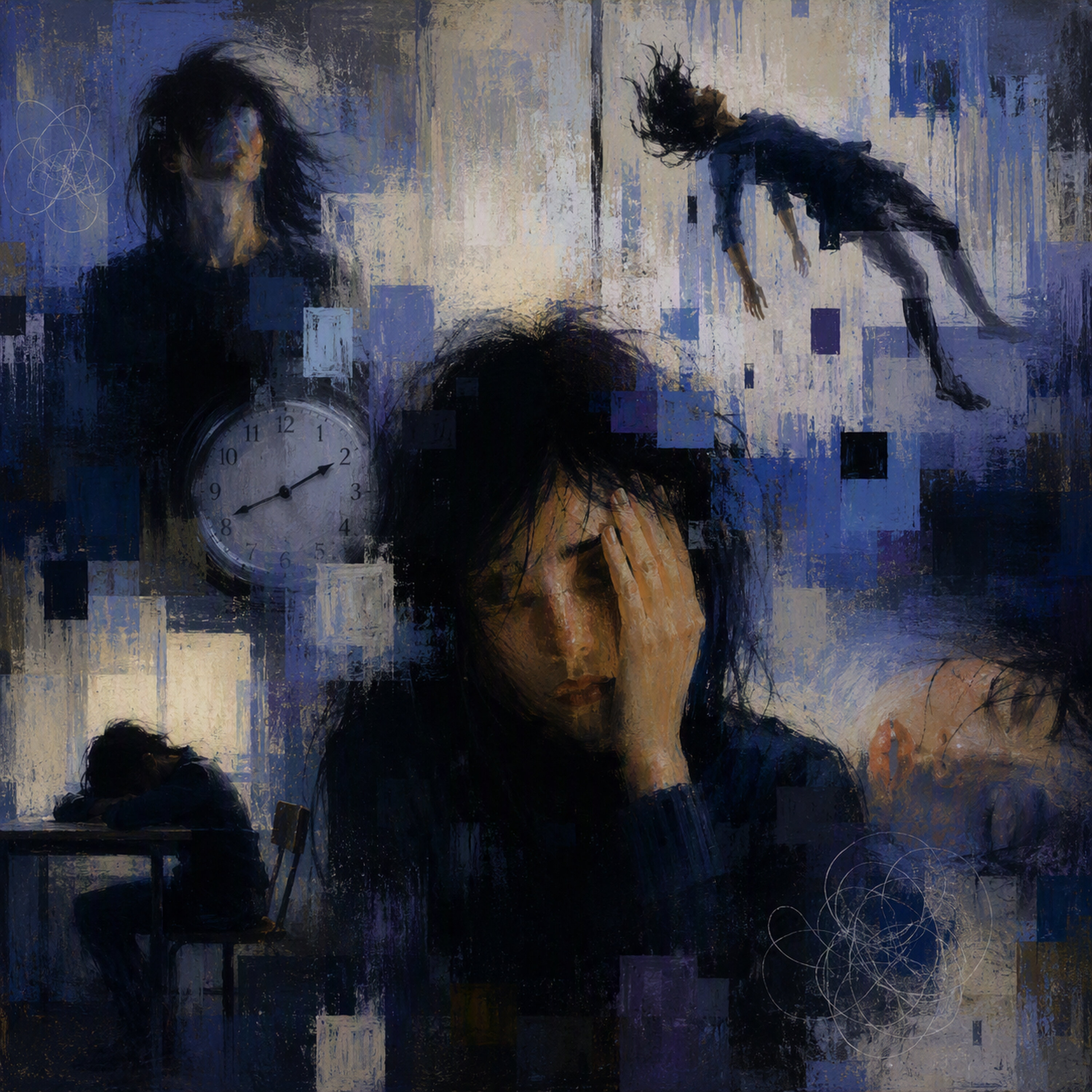
Episode 110: Narcolepsy | Fighting The Sleep Demon
In 1880, a French physician described a patient having up to 200 sleep attacks a day, some triggered by nothing more than a good hand of cards or the sight of his own wine barrels. That case, and an earlier 1877 description from German psychiatrist Carl Westphal, gave the condition its name and its first clinical picture. Dr Travis Brown reads from both original case reports before turning to two
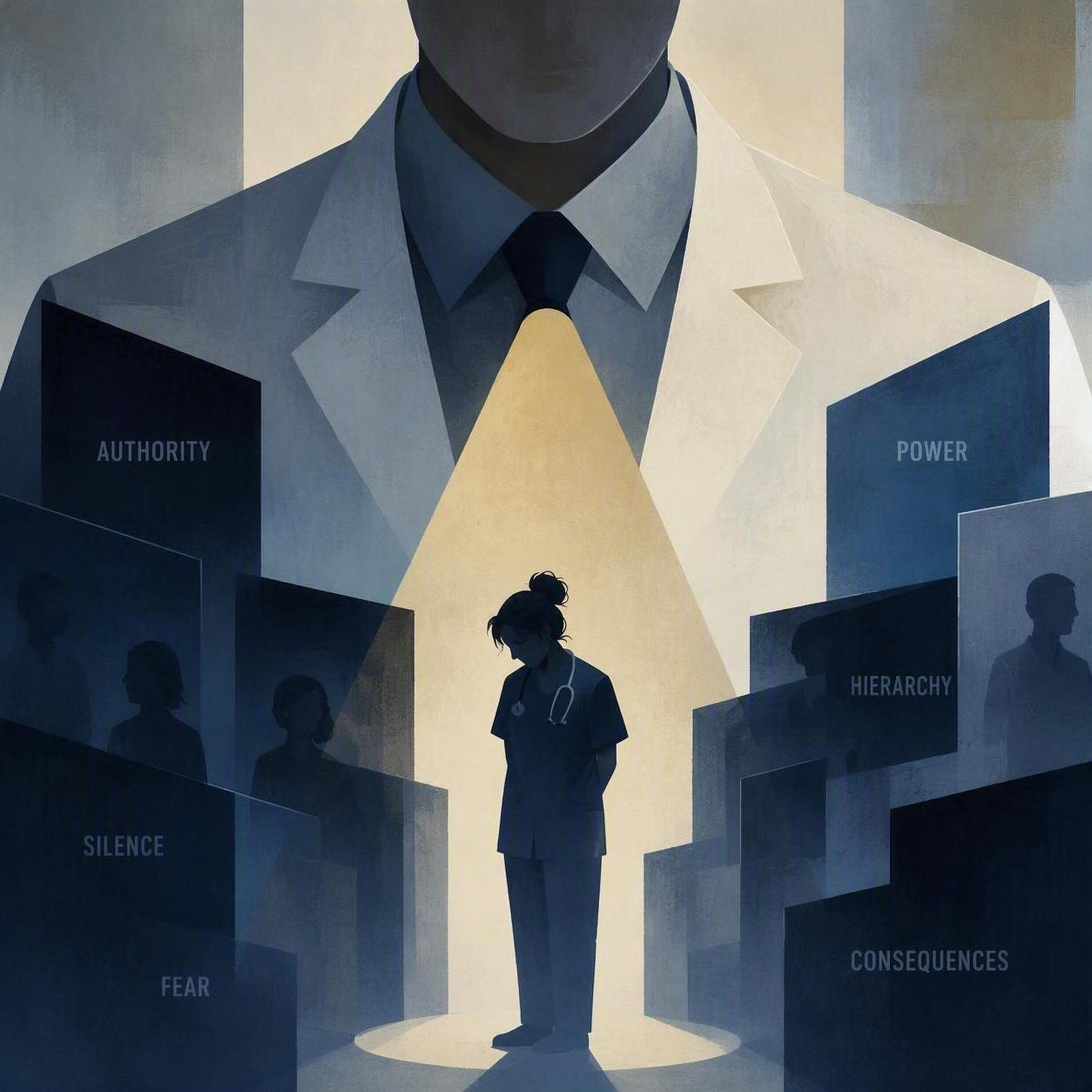
Episode 109: Sexual Harassment In Medicine | Dr Louise Stone
Sexual harassment in medicine is almost universally perpetrated by men, and in over half of doctor-on-doctor cases, it happens in the workplace itself, not at a conference or a staff event. That is one of the findings from a decade of research by Dr Louise Stone, who began this work in 2014 after a young intern disclosed a sexual assault to her in consultation. Dr Travis Brown speaks with Dr Louis
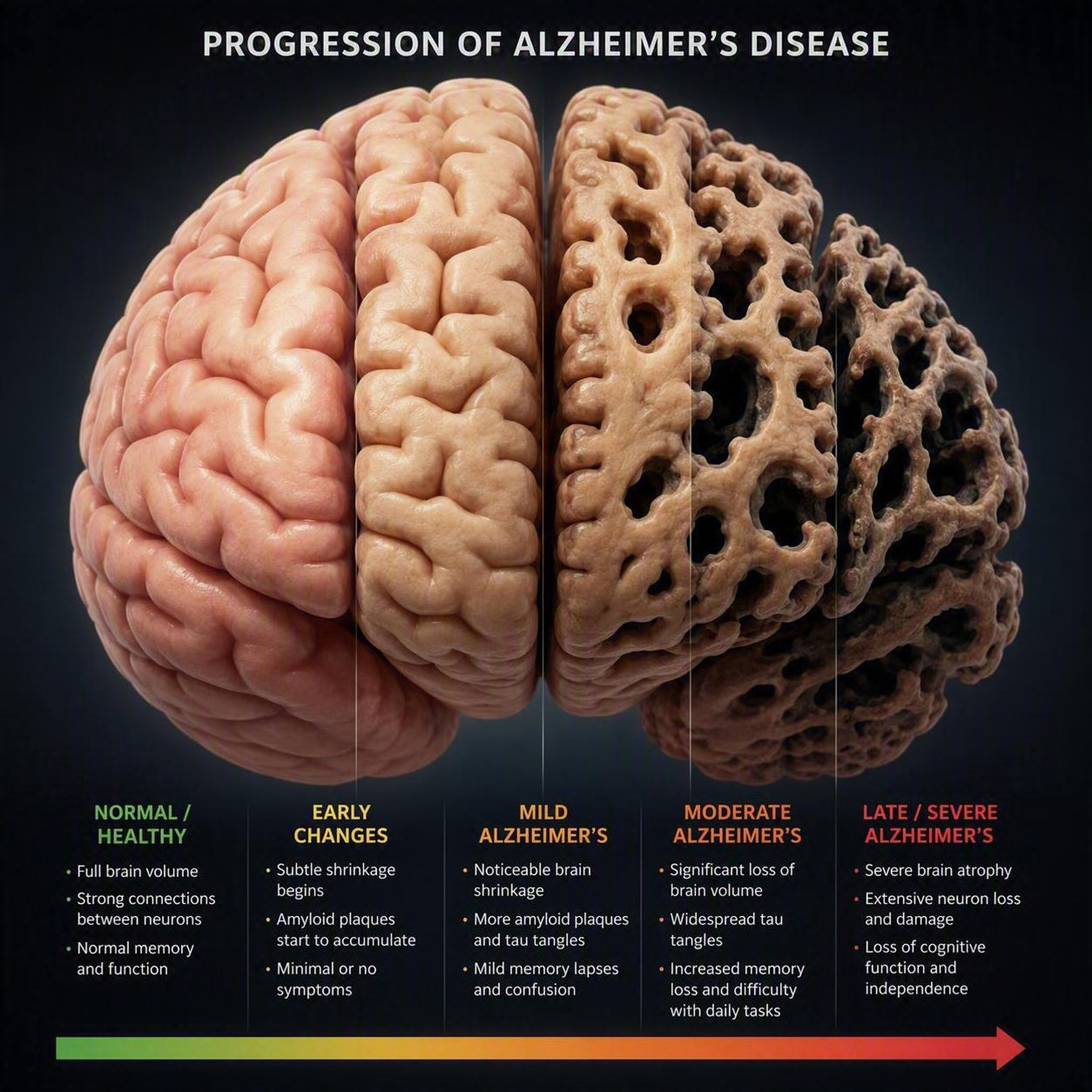
Episode 108: Alzheimer’s Disease | Auguste Deter’s Decline
One doctor’s case from 1901 changed how we understand memory loss. Auguste Deter was 51 when her husband Carl brought her to see Dr Alois Alzheimer in Frankfurt, worried by memory lapses that had turned into paranoia and confusion. When Auguste died five years later, Alzheimer examined her brain and found two things under the microscope: amyloid plaques between nerve cells and neurofibrillar
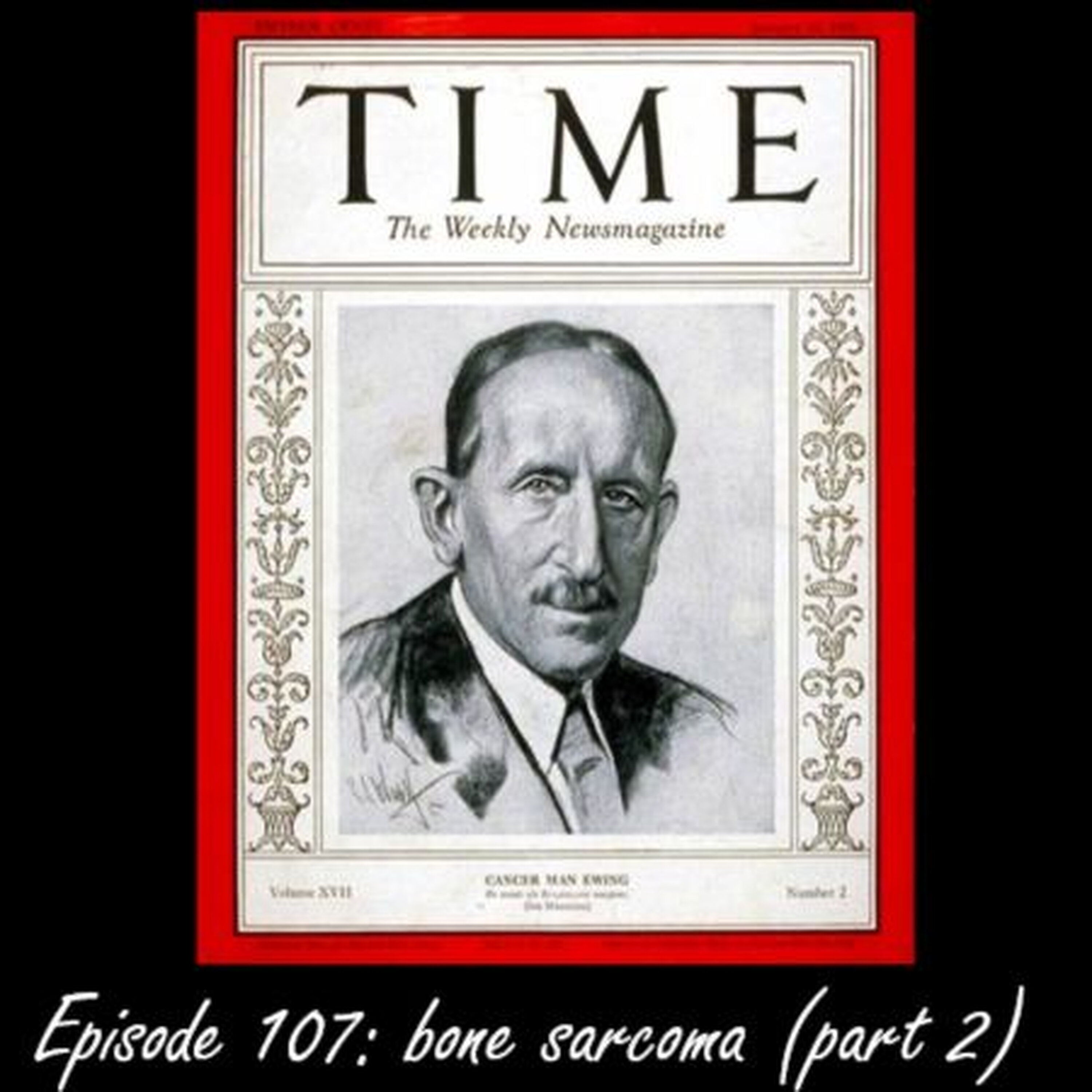
Episode 107: Bone Sarcomas Part 2 | Ewing And Coley’s Legacy
Two teenage patients, thirty years apart, changed how bone sarcomas are treated. In 1890, seventeen-year-old Bessie Dashiell saw New York surgeon William Coley with a painful hand. Despite an amputation, she died of metastatic cancer ten weeks later. Coley’s search for a better answer led him to Coley’s toxin, a bacterial treatment now recognised as an early form of immunotherapy. In 1
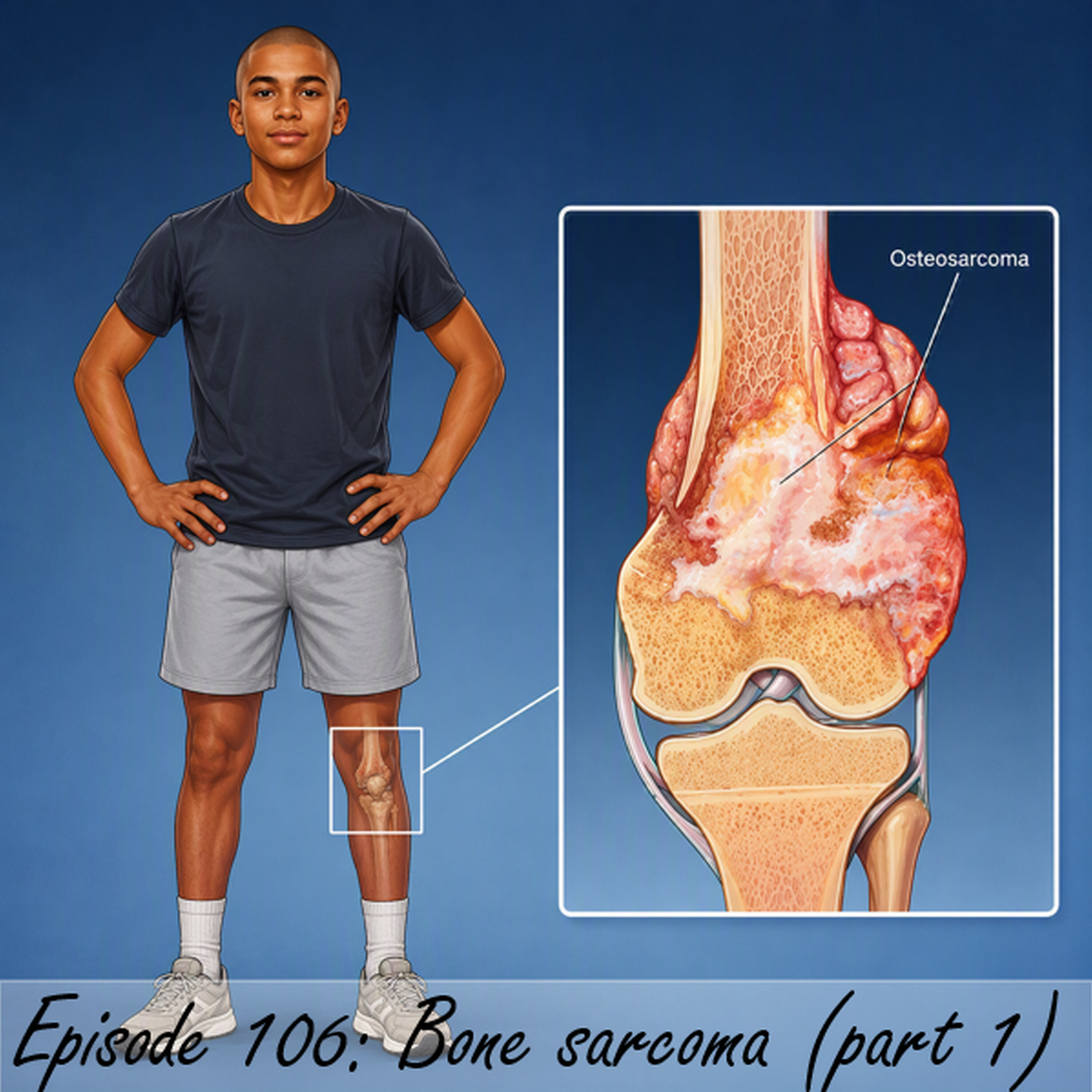
Episode 106: Bone Sarcoma Part 1 | Osteosarcoma, Chondrosaroma & Ewing Sarcoma
Bone sarcomas are rare, accounting for 0.2% of all cancer diagnoses, with around 200 cases diagnosed in Australia each year. The three main types differ by age and site: osteosarcoma (around 30 to 35% of cases, often in the arms, legs and pelvis, with peaks in adolescence and again in the seventies and eighties), chondrosarcoma (around 30% of cases, typically in adults over 40), and Ewing sarcoma
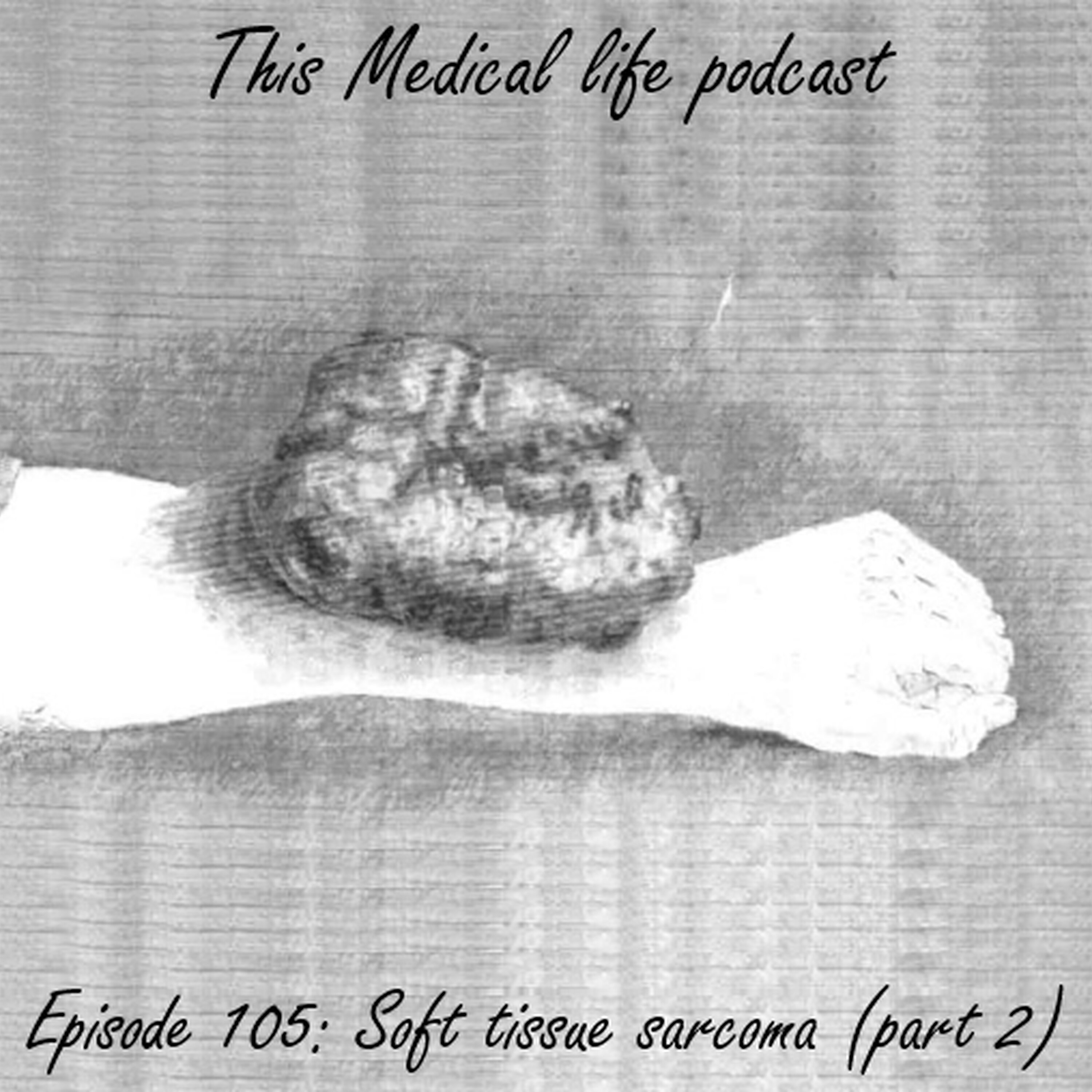
Episode 105: Soft Tissue Sarcoma Part 2 | Adjuvant Therapies
The treatment of soft tissue sarcomas is a highly specialised area. The first effective chemotherapy agent against sarcomas was only identified in the 1960s and benefits of adjuvant radiotherapy treatment began in the 1970s. We continue to learn as new agents become available and tailor treatments to each patient. This is the story of Soft Tissue Sarcoma (Part 2). Here is the link to Part 1.
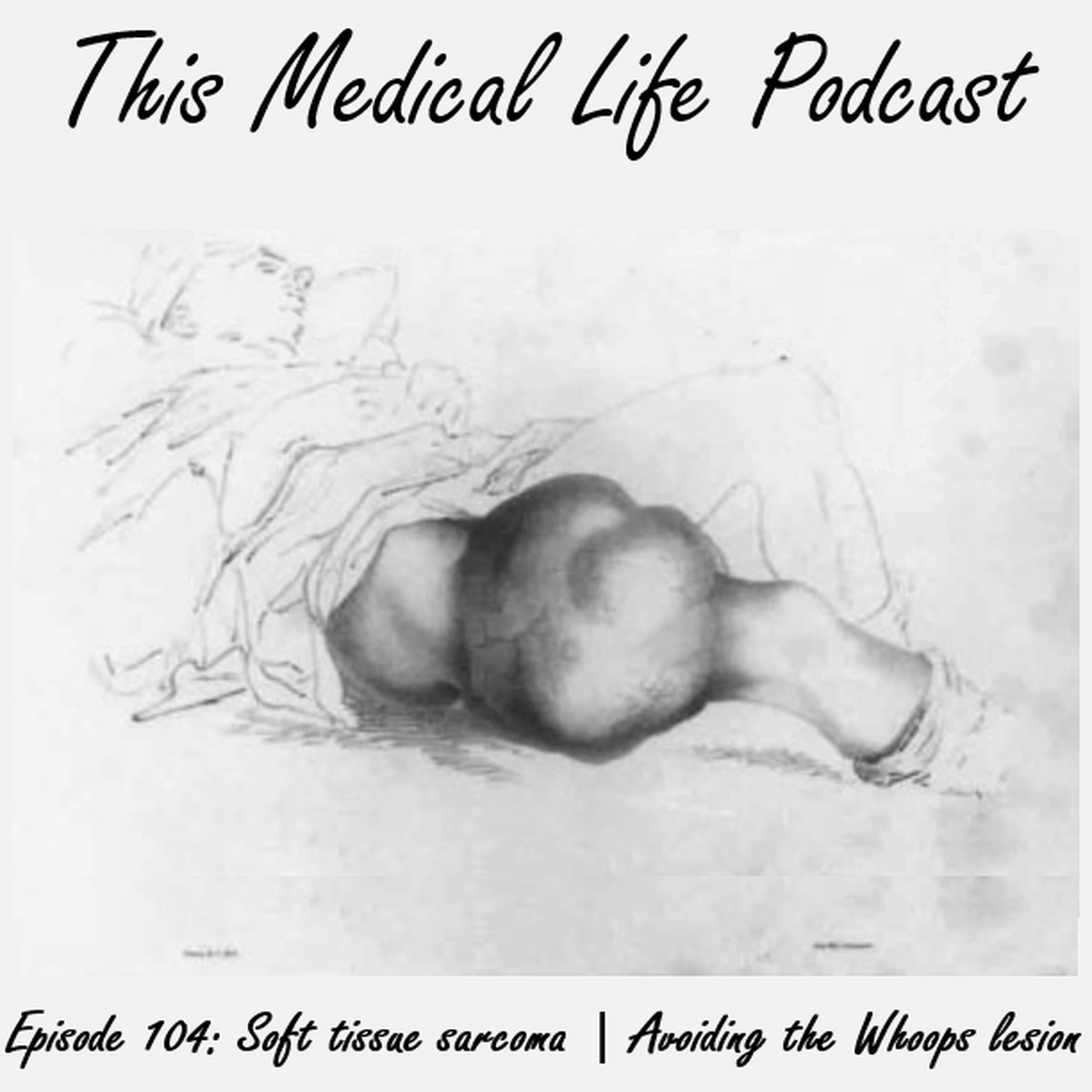
Episode 104: Soft Tissue Sarcoma Part 1 | Avoiding The Whoops Lesion
Soft tissue sarcomas are tumours that arise from connective tissue, fat, muscle, and blood vessels. They are distinct from epithelial malignancies (carcinomas) in both morphology and behaviour. Unfortunately, due to their rare occurrence, these tumours can be mistaken clinically and pathologically which affects patients management and prognosis. As part of sarcoma awareness month, we are doing a s
Episode 103: Clinical ethics | Eternal conundrums
Ethics, codes of conduct, and challenging decisions are universal constants in medicine. Difficult situations and trying to do the right thing are not always obvious particularly when these decisions involve lots of emotions, family members, and have life and death implications. Ethics, and ethics committees, can help to provide a clear and consensus path for clinicians, patients, and family membe
Episode 102: Lipoprotein (a) | Genetic Cholesterol
Lipoprotein (a) (Lp(a)) was discovered in 1963 by a Norwegian geneticist by the name of Kåre Berg who studied particles that carried cholesterol in the blood. He found some patients had an additional protein on the low-density lipoprotein. Studies found that patients with elevated Lp(a) had increased risks of cardiovascular disease. However, the levels were not affected by diet, environmenta
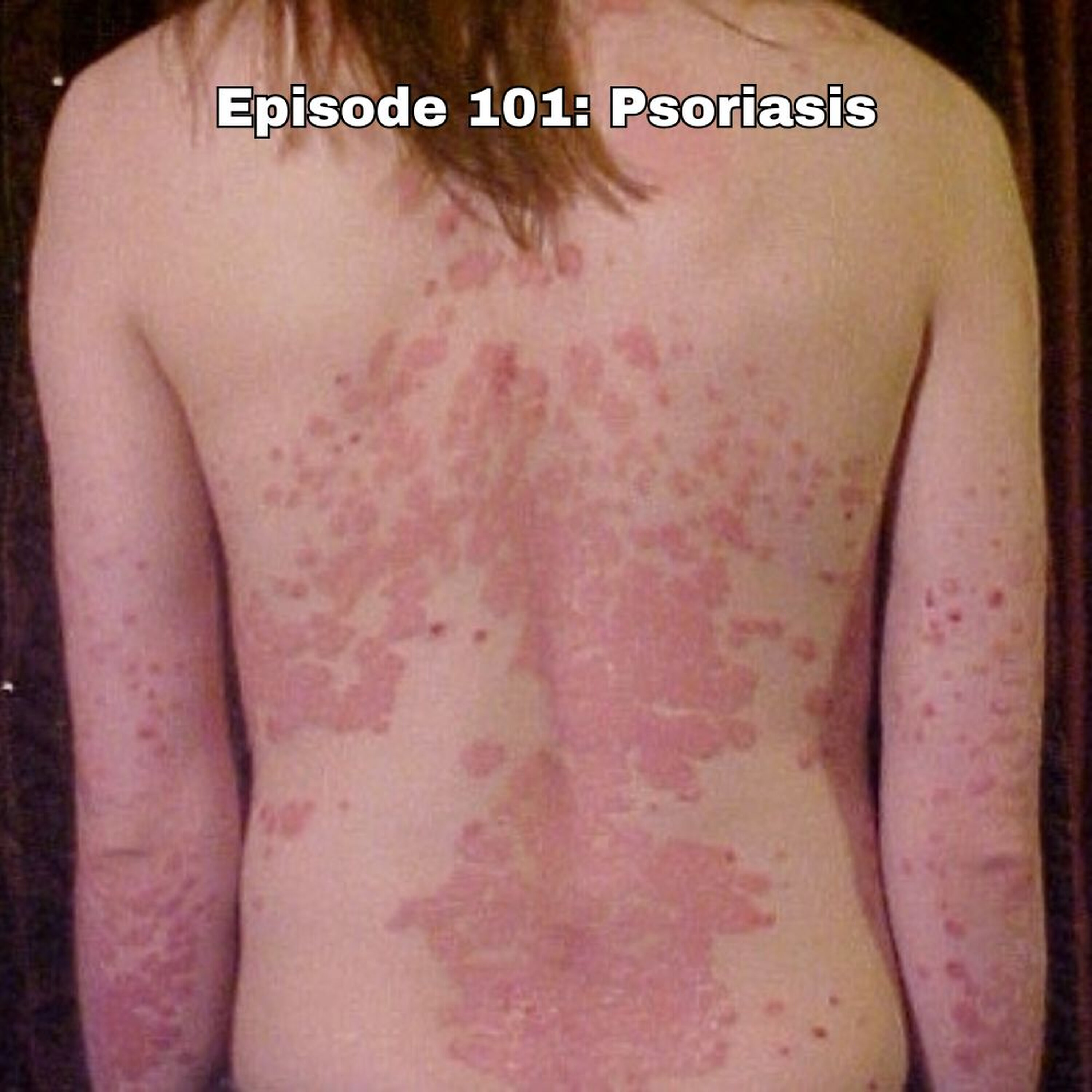
Episode 101: Psoriasis | Skin, Immunity, And The Marks We Carry
Skin has always told stories. For thousands of years, those whose skin behaved differently — scaling, thickening, inflaming — were feared, isolated, and misunderstood. Psoriasis was long lumped together with leprosy, its sufferers cast out rather than cared for. It would take centuries before medicine began to separate these conditions, and longer still before we understood what was re

Episode 100: The Artful Dodger | James McNamara
The Artful Dodger is a television series on Disney+ that is a historical medical drama set in 1850s Australia with Jack Dawkins, the Artful Dodger from the world of Oliver Twist. Jack is a former pick pocket now surgeon who is reacquainted with old partner in crime, Fagin, who is keen for Jack to resume old habits. The Artful Dodger takes pride in being one of the most historically accurate dep
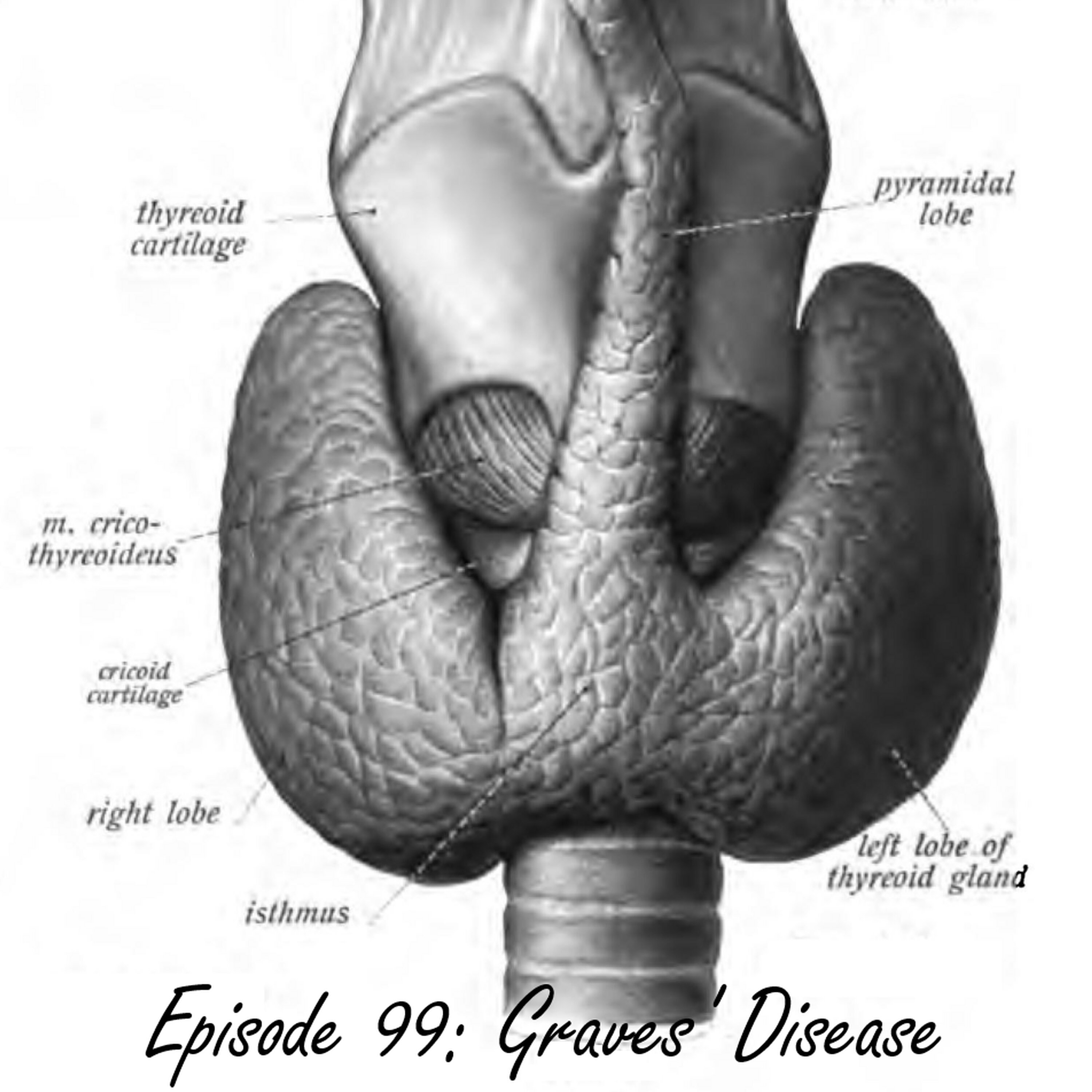
Episode 99: Graves’ Disease | Hyperthyroidism & Thyrotoxicosis
The complex symptomatology of hormonal diseases only started to be recognised in the 19th century as we learned about anatomy and physiology. When Doctor Robert Graves began piecing the hyperthyroid puzzle together when he saw patients with similar symptoms such as anxiousness, nervousness, aggitation, bulging eyes, and rapid/irregular heart rate. He realised this was a previously unknown con
Episode 98: Statin Dosage | Finding The Sweet Spot
It has been well established in studies and articles that cholesterol lowering medications have significant heart morbidity and mortality benefits. However, high dosage trials did not show additional survival benefits but had increasing side-effects for patients. Therefore, the maximum dose for statins is not necessarily the best dose for patients. This is the story of statin dosing. Guest: Profes
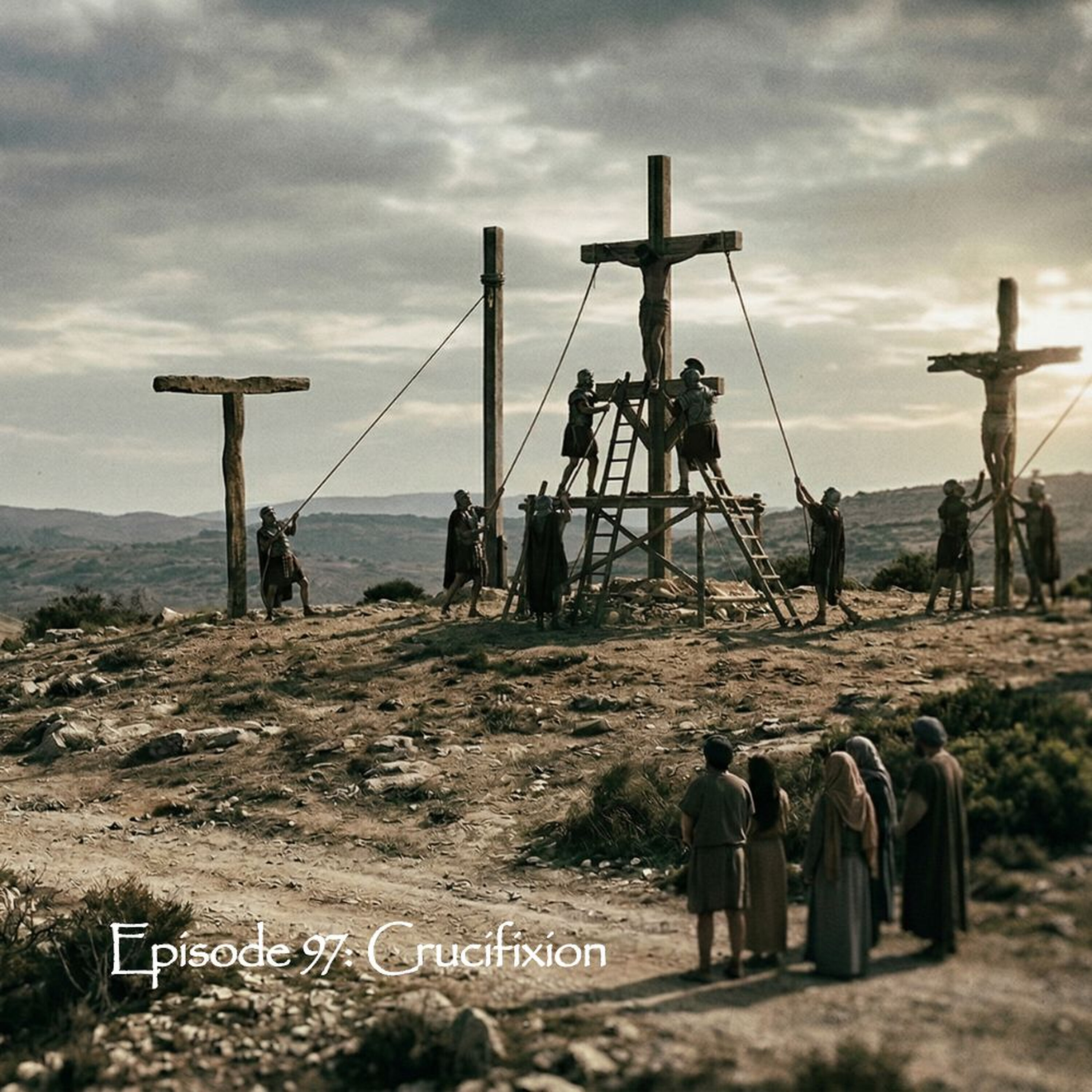
Episode 97: Crucifixion | Ancient Rome & State Sanctioned Execution
Crucifixion was a form of punishment, humiliation, and execution. Adopted by the Ancient Romans, crucifixion was used on the State’s worst criminals on lower classes and slaves. As common as it was though, we know very little about how people died on the cross. In this episode, we take a closer look at crucifixion through a medical lens. This image is not historically accurate. It was crafte
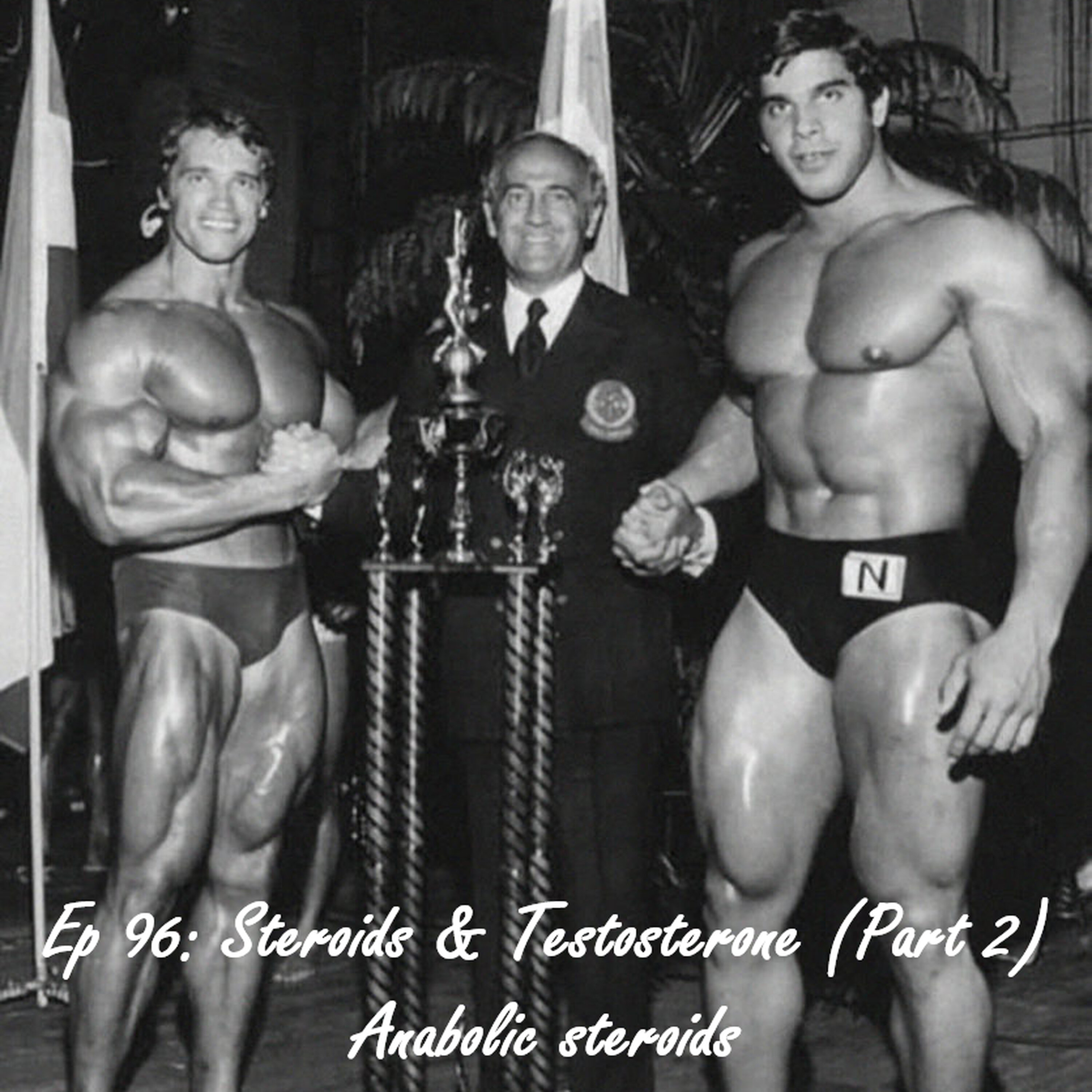
Episode 96: Steroids & Testosterone (Part 2) | Anabolic Steroids
Recreational use of steroids and testosterone to enhance image and performance is on the rise. Over the last 70 years, testosterone and testosterone-like substances have been used extensively to enhance performance particularly in elite sports. Nowadays, the use is more widespread and occurs in the general community with far more drugs available to people via the internet. Unfortunately, the evide
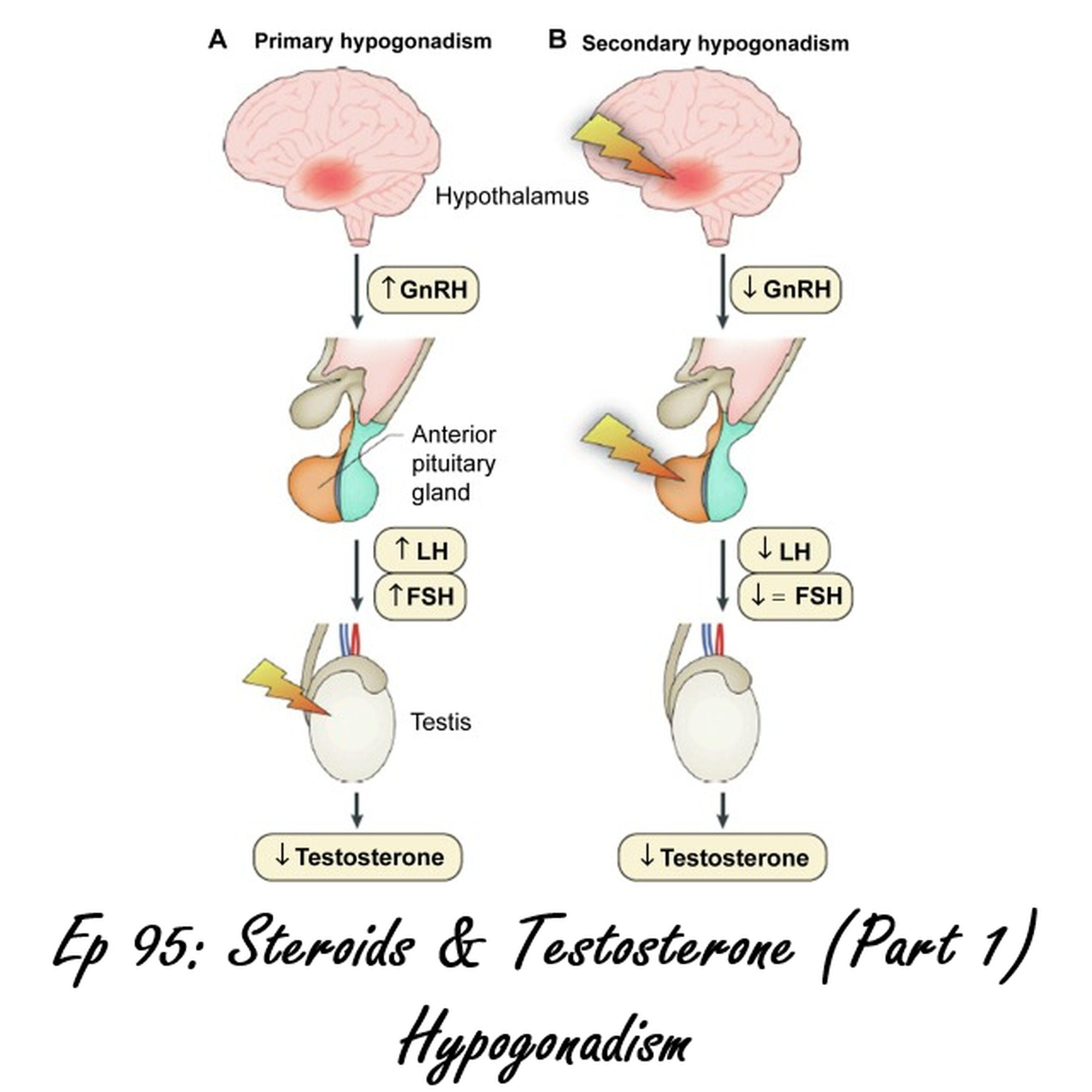
Episode 95: Steroids & Testosterone (Part 1) | Male Hypogonadism
Hypogonadism is a medical condition where the body does not produce enough testosterone. This can be primary (testicular failure) or secondary (pituitary or other condition). There are a number of conditions that doctors need to be aware of that can cause hypogonadism. This is the story of hypogonadism. Image ref: https://www.sciencedirect.com/topics/agricultural-and-biological-sciences/hypog
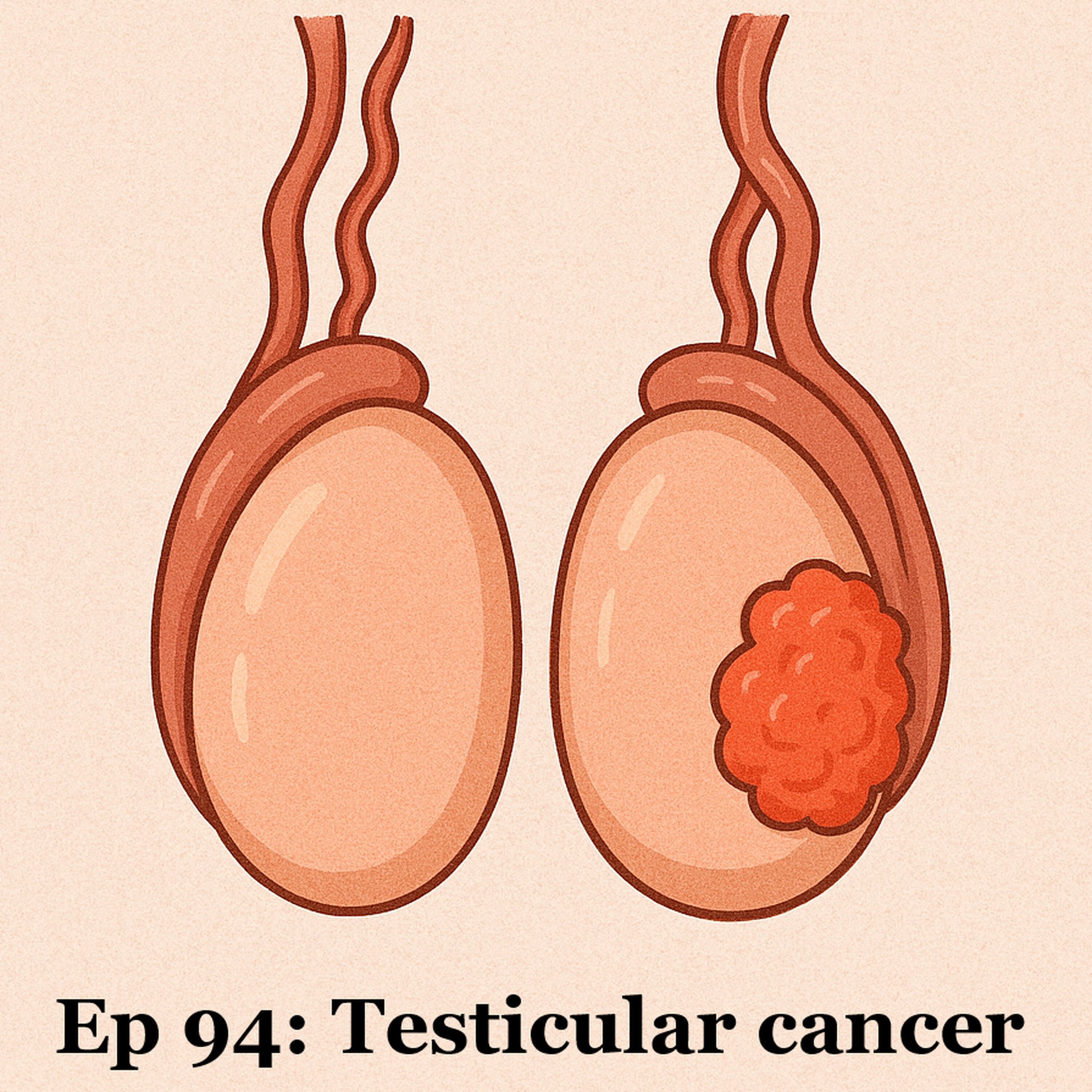
Episode 94: Testicular Cancer | Check Deez Nuts
While testicular cancer is rare, it is the most common cancer in young men aged between 15 and 39 years. Like with every cancer, early detection is the key. Self-examination is important along with seeking medical attention if there are any concerns. Fortunately, overall survival is around 95%. This is the story of testicular cancer. Our special guests: Dr Nari Ahmadi who is a
Episode 93: Return of TML | Diseased
And we’re back – for another year – with more stories, more expert guests, more topics to discuss. Episodes released fortnightly. And we’ve also released an ebook with audio narrated by the masterful voice of Steve Davis for a general audience sharing some of the amazing stories of medicine. Chapter J provided in this episode. Our special guest: In this episo
Episode 92: Acute Otitis Media, Plus Glue Ear, Plus Sleep | Kids ENT
See omnystudio.com/listener for privacy information.
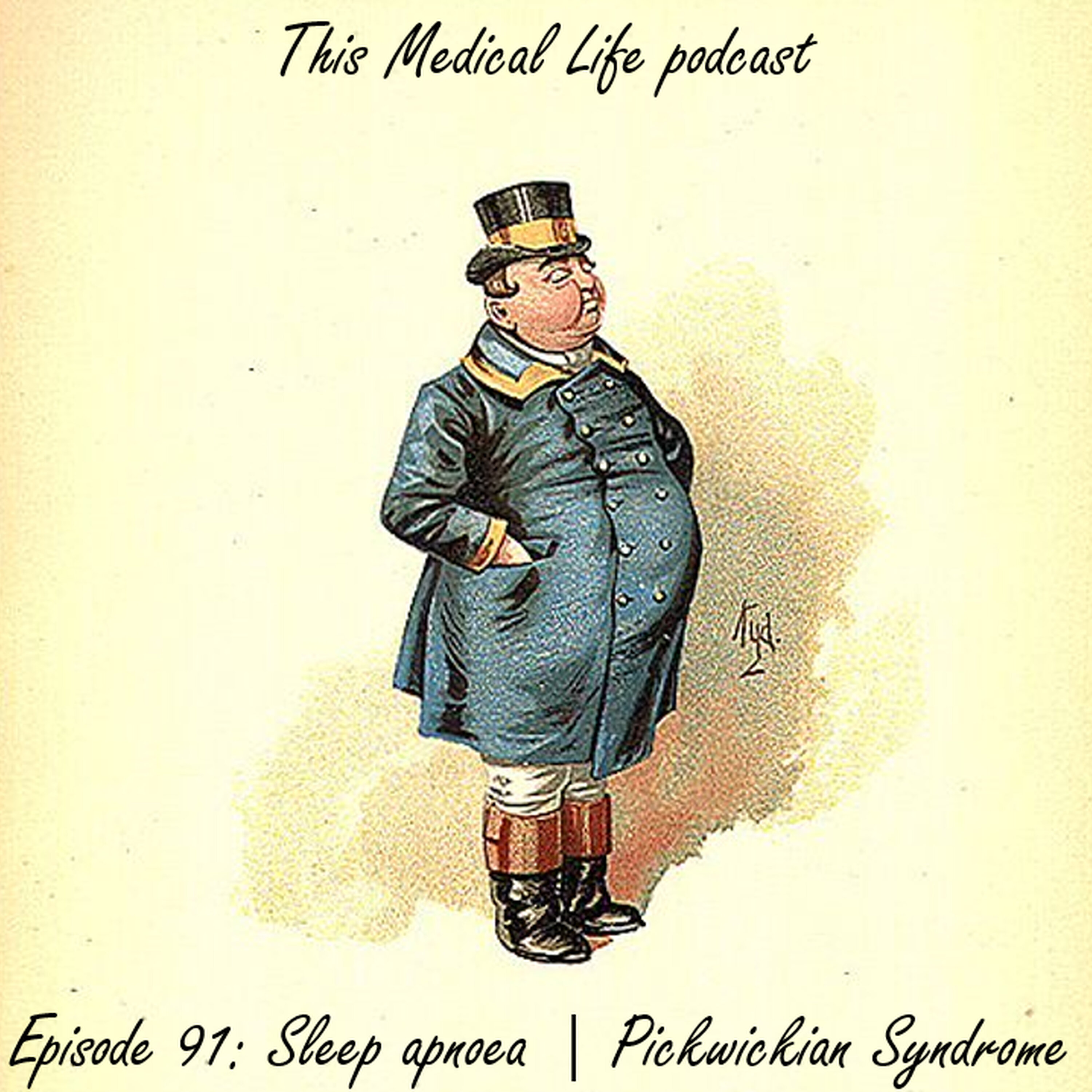
Episode 91: Sleep Apnoea | Pickwickian Syndrome
Charles Dicken’s first novel has an adolescent boy named Joe who was overweight and always sleepy. He could fall asleep at any time, even during meals. The novel is known as the Pickwick Papers. Decades later, doctors began to recognise patients with the same symptoms. They called it Pickwickian syndrome. Obstructive sleep apnoea is a common condition in the general community. Risk factors i
Episode 90: Chronic Kidney Disease (Part 2) | Diabetes, Hypertension & Avoiding The Rotating Drum Kidney
Willem J Kolff was an intern when he saw a 22 year old man die of kidney failure. He realised that the patient’s life could have been saved if his blood could have been detoxified. Willem set to work and developed the first ever dialysis machine (initially the ‘rotating drum kidney’). While dialysis is a lifesaving treatment, it is one that we hope to avoid for pat
Episode 89: Chronic Kidney Disease (Part 1) | The Bright Side Of Urine
One in 10 Australians over the age of 18 years are living with signs of Chronic Kidney Disease (CKD) with the number of patients needing treatment for kidney failure has doubled in the last 20 years. Early detection and intervention can slow the progression of CKD by up to 15 years or longer. Our understanding of kidney disease can be traced back to Dr Richard Bright, one of the founding fathers o
Episode 88: Intimate Partner Violence | Permission To Ask And Listen
The statistics of Intimate Partner Violence (IPV) and Domestic Violence prevalence are staggering. 1 in 6 adult women and 1 in 16 adult men have experience physical or sexual abuse at the hands of their partner. Approximately 2.5 million Australians (13%) experienced abuse during their childhood. However, IPV is a topic that is rarely discussed. As healthcare professionals, we need to change this.
Episode 87: Oral Cancer | Smokes For Nothin’ And HPV For Free
Oral cancer was a fatal disease even into the twentieth century. Patients required extensive surgery and often had a painful recovery or went into palliative care but the result was the same. Modern medicine has thankfully provided much to our understanding, the treatment and management of patients with oral cancer. In recent times, patients have been able to be stratified into two general but dis
Episode 86: Vitamin B12 | Solving The Pernicious Anaemia Mystery
The first medical description of pernicious anaemia is from 1821. It is written by Dr James Combe and describes a previously well 47 year old corn-merchant who presented with pallor, weakness, and neurological symptoms. It would take over a hundred years before we would know how to treat this condition, and another decade after that to understand why the treatment worked. Vitamin B12 is an essenti
Episode 85: Lung Cancer Screening | Search For The 30 Pack-Years
One of the most difficult cancers to detect early has been lung cancer. Patients often present with advanced disease that and can often be fatal. In April 2025, a new National Lung Cancer Screening program has been rolled out in Australia to detect asymptomatic patients with a significant smoking history (30 Pack-Year). Suitable patients are eligible for a free low-dose CT (computer tomography) sc
Episode 84: Prostate Cancer | Donald Gleason’s Legacy
In 1966, the Chief of Urology asked the Chief of Pathology at the Minneapolis VA Hospital to develop a system to communicate the results of prostate cancer to researchers. The Chief of Pathology was Donald Gleason and he developed a system that would revolutionise our understanding of prostate cancer. Today, every prostate cancer worldwide is classified using the Gleason score, named after Donald
Episode 83: Breast Augmentation | Risks and Myths
Over the last 100 years, numerous types of implants (i.e. ivory, glass, wool) and injections (i.e. epoxy resin, beeswax, paraffin) have been used in an attempt for breast augmentation but the results were poor. In 1962, the first operation using silicone implants was performed and it revolutionised breast surgery. Breast augmentation surgery (cosmetic and reconstructive) is one of the most common
Episode 82: Pharmacogenomics | Personalised medicines
The interplay between genetics and medications is important but complex. Pharmacogenomic testing provides doctors with information about how individual patients may respond to certain medications (ie. fast and slow metabolisers). The RCPA recently released guidelines for doctors about requesting patient pharmacogenomic testing before prescribing some medications. These guidelines have identified 3
Episode 81: Familial Adenomatous Polyposis (FAP)
In 1924, a surgeon and a pathologist had a conversation about some patients with multiple bowel polyps. The pathologist, Dr Cuthbert Dukes, and the surgeon, Mr JP Lockhart-Mummery, noted that patients had a family history of bowel cancer and could have hundreds of colonic polyps. They, with the help of HRJ Bussey, set up the Polyposis Registry. The registry collected information about these patien
Episode 80: Epilepsy | Moonstruck
We have come a long way in our understanding of epilepsy and seizures. Historically, epilepsy was associated with possession and demonic forces. Modern medicine has helped us to understand that epilepsy is an electrical disorder of the brain that can affect an area or the entire brain itself. Unfortunately, a lot of stigma and misinformation remains about epilepsy and it is an important condition
Episode 79 Hand Pathology | Osteoarthritis, Ganglion Cysts, And Carpal Tunnel Syndrome
It is evident from paintings that Leonardo da Vinci and Michelangelo suffered some form of underlying hand pathologies. These have been the focus of discussions and journal articles amongst many academics. Our understanding of different disease processes involving the hand have come a long way. There are a lot of options for patients both medical and surgical that we discuss in this episode. This
Episode 78: Hyponatraemia | Sodium Solutions
Hyponatraemia, the most common electrolyte disturbance in clinical medicine, is often subtle but can be serious. In this episode, we trace the surprising history of fluid replacement back to the 1832 cholera riots in Liverpool, where experimental saline saved lives amidst chaos and mistrust. We then bring the conversation into modern practice, exploring diagnostic steps, common causes, and when GP
Episode 77: Burkitt Lymphoma | Into The Archives
In 1958, Dr Denis Burkitt was working in Uganda when he saw multiple children with large and aggressive jaw tumours. He had never seen anything like this before and he investigated further. Over the next few years, he discovered that these tumours had a geographical distribution across equatorial Africa and also was related to rainfall. This led to the discovery of an aggressive form of lymphoma t
Episode 76: Osteoporosis | Blasts And Clasts
Osteoporosis is a disease that takes years and even decades to develop. Up to 40% of post-menopausal women are affected who have a lifetime risk of fracture of ~40%. Men aged 60 have a 25% lifetime risk of an osteoporotic fracture. Evidence also shows that patients health significantly deteriorates following a significant fracture. The best treatment for osteoporosis is prevention. We discuss this
Episode 75: Ancient DNA | Humans and Neanderthals
Recent genetics studies have shown that ancient Humans and Neanderthals coexisted around 50,000 years ago for approximately 7,000 years. There is evidence of these different human species mixing and having offspring. Around 2-4% of modern humans can be traced back to Neanderthals. This is the story of Humans and Neanderthals. Our special guests: Our special guest is Associate Professor Bastie
Episode 74: The Story Of Stories
And we’re back for 2025. We thought we’d ease into this season with some medical stories. From the Manhattan project and the demon core to the inspirational stories of Dr Elizabeth Blackwell, Dr Elizabeth Garrett Anderson, and Dr Emma Constance Stone. We are reaching back into the medical archives. Our special guests: Dr Travis Brown, himself! This Medical Life podcast is available on
Episode 73: Colorectal Cancer (CRC) | Part 3: Management
Patients with colorectal cancer often have their diagnosis, treatment, and care discussed at a regular multidisciplinary team meeting. This includes: gastroenterologists, surgeons, oncology, radiation oncology, pathologists, home care nurses, oncology nurses, genetic councillors, care coordinators plus others. This is the third episode of a three part series on colorectal cancer. This episode focu
Episode 72: Colorectal Cancer (CRC) | Part 2: Diagnosis
The lifetime risk for colorectal cancer is 1 in 23 men and 1 in 25 women. Detecting and diagnosing cancer is a critical step in managing a patient’s health as well as the multidisciplinary team where their care is discussed. This is the second episode of a three part series on colorectal cancer. This episode focuses on diagnosis. Many thanks to Dr Tristan Rutland who helped organise this series. T
Episode 71: Colorectal Cancer (CRC) | Part 1: Screening
Colorectal cancer accounts for ~10% of all new cancer diagnoses. Fortunately, over the last three decades, the 5 year patient survival has increased from 56% to 71%. As with most cancers, the key to good outcomes is early detection. This is the first episode of a three part series on colorectal cancer. This episode focuses on screening. Many thanks to Dr Tristan Rutland who helped organise this se
Episode 70: Understanding Troponin | As Serious As A Heart Attack
Troponin is a protein found in heart muscle that was a game changer when it came to diagnosing heart attacks and myocardial injury in the late 1990s. Three decades later, it is an invaluable test with widespread use throughout medicine. Troponin assays are venturing into their 5th generation with high-sensitivity and Point-Of-Care (POC) devices. However, there are important exceptions, caveats and
Episode 100 Well Kinda | Historical autopsy of Oscar Wilde
Our eagle-eyed This Medical Life podcast listeners will wonder why we have called this episode 100 … is that right? Well, it kinda is. If you add up both This Pathological Life and This Medical Life podcasts episodes, it’s well over 100 episodes. This is a small milestone for this ‘Trav and Steve’ dynamic duo who have never resolved the question: which one is Robin? In honour of this achi
Episode 68: Janine Watson | Taking The Challenge Head On
Throughout history, humanity has been captivated by heroes overcoming immense challenges—from ancient legends to modern Marvel icons. In this episode, Dr Travis Brown and Steve Davis are honoured to have Janine Watson, a Paralympian athlete who reached out to us after our episodes on Chronic Traumatic Encephalopathy (CTE) (Episode 53 and Episode 54) opened her eyes to the unrecognised trauma he
Episode 67 - Season 5 Reflection And Highlights
In this episode, Steve Davis and Dr. Travis Brown reflect on the journey through Series 5 of This Medical Life. From discussing the impact of episodes on medical professionals to revisiting significant stories and breakthroughs, this episode provides a retrospective on the memorable moments and invaluable lessons learned. Whether it's the exploration of vitamin B6's role in patient care or th
Episode 66 - Thyroid Lumps | The Good, The Bad, And The Nodules - Part Two
Thyroid lumps have always been with us. Often referred to as goitres (interpreted from Latin to mean neck swelling), numerous ancient medical sources mention these and how to manage them. However, it has only been with modern medicine and investigations that we can distinguish between benign and malignant lesions. In this episode, we examine the investigations, diagnosis, management and prognosis
Episode 65: Thyroid Lumps | The Good, The Bad, And The Nodules - Part One
Thyroid lumps have always been with us. Often referred to as goitres (interpreted from Latin to mean neck swelling), numerous ancient medical sources mention these and how to manage them. However, it has only been with modern medicine and investigations that we can distinguish between benign and malignant lesions. In this episode, we examine the investigations, diagnosis, management and prognosis
Episode 64: Pregnancy And Epilepsy | Dispelling The Myths
A common myth about epilepsy is that women who suffer from this condition should avoid getting pregnant. This is simply not true. It can be safely managed for both the mother-to-be and future child. Epilepsy is not a contraindication for pregnancy. Certainly there are additional precautions and steps that should be taken when a woman who has epilepsy is considering starting a family and it require
Episode 63: Tonsillectomies | To excise or not to excise
Tonsillectomies are one of the most common operations both today and historically, however, it has always been mired in controversy. In ancient times, this was touted as being either life-saving or completely unnecessary and continued to be a polarising topic into the twentieth century. An evidence based approach has helped to provide guidelines such as the Paradise criteria. However, there is alw
Episode 62: Lactose intolerance | Udderly unbearable
Over two-thirds of the world’s population lose the ability to metabolise during their lifetime (the majority during childhood). We know today that lactose intolerance, or lactase persistence, has a strong genetic predisposition. Almost 100% of Asians, 70% of African-Americans, East Indians, US Hispanics and approximately 50% of Spanish and French have very low levels of lactase in adulthood (what
Episode 61: Pelvic Pain And Endometriosis | More Than The Black Spots
Pelvic pain is a difficult and challenging medical condition for both patients and doctors. It can be debilitating for women that can begin as a teenager or a young adult and progress for years impacting every facet of their lives. Similiarly, pelvic pain can be challenging for symptom to assess and manage for doctors as there are a multitude of causes that range from simple and straight forwar
Episode 60: Vitamin B6 | ViB6ranium
Vitamin B6 is a common additive in supplements, energy drinks and breakfast cereals. In rare circumstances though, it can reach levels toxic levels and cause neurological symptoms the mimic neurodegenerative disease. This year newsGP reported a case where a GP took magnesium supplements for muscle cramps and over the course of a few years resulted in vitamin B6 toxicity that caused peripheral neur
Episode 59: Scleroderma | Arboreal Integument
Scleroderma is a disease characterised by the hardening and tightening of the skin and connective tissues. The first medical description can be traced back to the 1750s. Our understanding has evolved over the centuries but the pathogenesis remains largely unknown. The disease as several forms including diffuse and localised. Symptoms include skin discoloration and tightness to more severe complica
Episode 58: Ticking the spotted fever box | Rickettsia
In 1901, the state of Montana organised for scientists and doctors to investigate a mysterious illness from the Bitterroot Valley called ‘Black measles’ and ‘Black typhus’. People of all ages were affected but predominantly those who worked in the brush and were exposed to tick bites. The investigators called it ‘tick fever’ and this particular strain had a mortality rate over eighty percent. Toda
Episode 57: Fantastic Faeces and Where to find pathogens | Metapanel
Our understanding of infectious disease and pathology stems from the 19th century with Robert Koch pioneering research. Dr Koch help to shaped modern microbiology and medicine when he identified the causative agents for anthrax and tuberculosis. Since that time, the number of infectious microorganisms that we know of that cause illness and diseases has increased exponentially. Thanks to moder
Episode 56: The Iron-Clad Chronicles | Iron Studies
In episode 56 of This Medical Life, Dr Travis Brown and Steve Davis delve into the critical topic of iron studies, with a special focus on iron deficiency, under the expert guidance of returning guest, Professor Ken Sikaris. Iron deficiency’s prevalence is influenced by factors such as age, sex, and ethnicity, noting that women, especially those of childbearing age and pregnant women, are at highe
Episode 55: Pomegranate Health | Fighting The Good Fight
In this episode we delve into the nuanced world of the Pomegranate Health podcast with our guest, Mic Cavazzini. Pomegranate Health, a creation of the Royal Australasian College of Physicians, serves as a platform to explore the multifaceted culture of medicine. It weaves through the clinical intricacies of medicine with episodes that span from the deeply technical aspects of healthcare to broade
Episode 54: Chronic Traumatic Encephalopathy (CTE) | Advocacy And Prevention, Part 2
In Chronic Traumatic Encephalopathy (CTE) Part 1, we learned that CTE is a neurodegenerative disease caused by repetitive cumulative brain injury. Patients suffer from debilitating mental health symptoms and may even have suicidal thoughts or actions. Unfortunately, there is no treatment for this disease and it can only be official diagnosed at autopsy (after death). The only successful strat
Episode 53: Chronic Traumatic Encephalopathy (CTE) | The Disease, Part 1
In 2005, Dr Bennet Omalu would publish a report in the United States on the autopsy brain findings of a former professional footballer from the NFL. His conclusion was the former athlete suffered from Chronic Traumatic Encephalopathy (CTE); a disease caused by repeated brain injuries most likely due to sport. The response was swift and severe claiming that the findings were incorrect, the conclusi

Episode 51: TML Season Wrapup 2023 | Common things…no, rare things…wait, um, okay whatever
And that’s another year done. A huge thank you to all of our guest speakers who have been generous with their time and expertise. We would also like to thank our listeners and hope you enjoyed the episodes. This episode is a mini reflection on this year’s episodes, a link to one of Steve’s favourite podcasts, some TML clips, and an embarrassing memory lapse on my behalf…thanks for keeping that par
Episode 50: Menopause | Let’s Talk
During the mid-twentieth century, menopause was touted as a severe disease that destroyed women’s femininity and was a burden to their husbands. Thankfully, today we recognise menopause as a natural part of ageing and conversations about it are happening more and more. In this episode, we have four special guests: Niki Bezzant: award-winning writer, author, journalist and media personality from N
Episode 49: Professor Graeme Suthers | In Graeme We Trust
In July 2020 in the midst of a global pandemic, we released our first episode called ‘What is pathology?’ with This Pathological Life podcast. We hoped to create something that would entertain and education the audiencem and shed light on to some of the amazing stories and characters in medicine. In creating these podcasts, I am always thankful and appreciative to our guests who willingly give the
Episode 48: Prostate Cancer Screening | PSA on PSAs
On the 1st of November 2023, the Australian Government will release new guidelines for screening prostate cancer with the Prostate Specific Antigen (PSA) blood test. These guidelines are based upon the Clinical Practice Guidelines (CPG) published in 2016 with new items to be included in the Medicare schedule. These items are based upon the Prostate Cancer Foundation and the Cancer Council of Austr
Episode 47: Breast Screening & Mammograms | Future (Part 2)
We continue the second episode of this two part series on breast screening and mammograms focusing on the future. In this episode, we talk about the importance of breast density as a new risk factor, personalised breast cancer risk assessment (iPrevent developed by Peter MacCallum Cancer Centre https://www.petermac.org/iprevent), and discuss a personal account with Dr Sandy Minck. Special guests:
Episode 46: Breast Screening & Mammograms | Present (Part 1)
A critical tool in the fight against breast cancer is population screening. Early detection, surgical intervention +/- further treatment has dramatically reduced advanced disease and mortality rates but it still remains the most common cancer worldwide. In this episode, we focus on the history of breast cancer, the development of mammograms and early detection with our understanding of the underly
Episode 45: Fact Today, Fiction(?) Tomorrow | Sam Arbesman and the Half-Life of Facts
Our understanding of the world today is constantly changing. What was once considered truths and facts can, in hindsight, be seen as misguided or wrong. It may be challenging to accept but becomes evident over time that the things we learn today may become irrelevant or superseded in the future and this is particularly relevant to medicine. Scientometrics is the quantitative study of science and t
Episode 44: Vitamin D (Part 2) | A Ray of Evidence-based Sunshine
Vitamin D has been a controversial topic in recent times with the debate continuing over appropriate testing, adequate levels, and the evidence for treatment. We discussed the appropriateness of testing and chemical pathology component with Professor Ken Sikaris (Episode 25), but what does the research tell us about diseases associated with Vitamin D and the utility of replacement? We discuss this
Episode 43: Professor Peter Doherty | Immunological Self vs Non-self
Professor Peter Doherty trained as a veterinarian before venturing into immunology research. Professor Doherty travelled extensively throughout his career and has undertaken numerous research posts around the world. The achievement that he is most noted for is he was able to demonstrate how the body distinguished between virus-infected cells from non-infected cells and was awarded the Nobel Prize
Episode 42: The Double Helix Structure of DNA | Finding Franklin
The double helix structure of DNA was the discovery of the century. However, the story about the discovery is mired in controversy as one of the major contributors, Rosalind Franklin, was conspicuously absent from acknowledgements and died (and subsequently not named) before the Nobel Prize was awarded. In 1968, James Watson wrote the book ‘The Double Helix: A Personal Account of the Discovery of
Episode 41: Faecal Microbiome | All About Poo
Essentially every culture, modern or ancient, understood that health and faeces are inherently linked. The Ancient Chinese practiced ‘copromancy’ which was the assessment of health based upon the shape, size and texture of faeces. Today we have the Bristol Stool Chart that helps us to classify faeces/poo into seven different groups. As disconcerting as it may be, the state of our poo can tell us a
Episode 40: Carrier Screening | The Hunt for Recessive Genes
In 1891, Guido Werdnig documented two cases of brothers who had global progressive muscular weakness. In 1935, Dr Dorothy Anderson conducted an autopsy on a young child who had died from malnutrition due to suspected coeliac disease despite being on the upon treatment. In 1943, in inherited form of intellectual disability in boys was described by Martin and Bell. The diseases are Spinal Muscular A
Episode 39: Influenza | Attack of the Intangible Fluid
Seasonal influenza causes significant morbidity and mortality every year but can often fall into the underestimated category. Between 10-30% of the general population are infected each year with influenza that leads to an increase in hospital and intensive care unit admissions, the onus for prevention and early intervention has never been more important. Our special guest is Associate Professor Pa
Episode 38: The MMR Vaccine Deception | A Fraud of Epidemic Proportions
In 1998, a 6 page report published in the Lancet that would later be described as one of history’s great science frauds. The article was titled “Ileal-lymphoid-nodular hyperplasia, non-specific colitis, and pervasive development disorder in children” but the news headlines ran with a much shorter version: the MMR vaccine causes autism. The article was written by Andrew Wakefield, a British gastroe
Episode 37: Autoimmune Thyroiditis | Hashimoto and Graves’ Disease
In 1834, Robert Graves gave a lecture series on the ‘Newly observed affection of the thyroid gland in females’. He presented three women who had violent palpitations, enlarged thyroids, and an apparent enlargement of the eyeballs (later it would be called ‘exophthalmos’). In 1912, Hakaru Hashimoto reported a new disease in a German journal after examining microscopically the thyroid tissue from fo
Episode 36: Barrett Oesophagitis | From Squamous to Columnar
Since recorded history, heartburn has been a common complaint and the descriptions from ancient physicians are virtually indistinguishable from today’s accounts. However, one thing we do know that they did not is a small subset of patients whose long standing heartburn could predispose them to a precancerous condition known as Barrett oesophagitis. Barrett oesophagitis is caused by chronic gastro-
Episode 35: Professor Ian Frazer | The Cervical Cancer Vaccine
Professor Ian Frazer pioneered the development of the first Human Papilloma Virus (HPV) vaccine which has seen a reduction of HPV infections in young women between 70-86% and the incidence of cervical cancer rates drop by 90%. Few doctors/scientists have had such a profound impact on the health of so many people. Today we talk to Professor Ian Frazer about his career, the events leading up to the
Episode 34: Mind Games | Psychology from the 60s
In 1964, a young woman was murdered as she walked to her apartment in Queens, New York. Her screams were left unanswered. No one came to her help. Within the space of thirty minutes, the assailant would return two more times to stab her again and again. The woman died. The number of witnesses to this crime who did not help was: 38. Two psychologists posed a question: how could this happen in such
Episode 33: MDMA | Medicinal Ecstasy
In 1912, Merck Pharmaceuticals was searching for a blood clotting agent to compete with a competitor in the market. One of the agents, a chemical by-product (and not even named) was produced and patented without any significant testing. This was a drug that we would come to know as MDMA or Ecstasy. In the 1960s, this drug found it’s way into use by a Chilean psychiatrist for psychotherapy, Dr Clau